A closer look
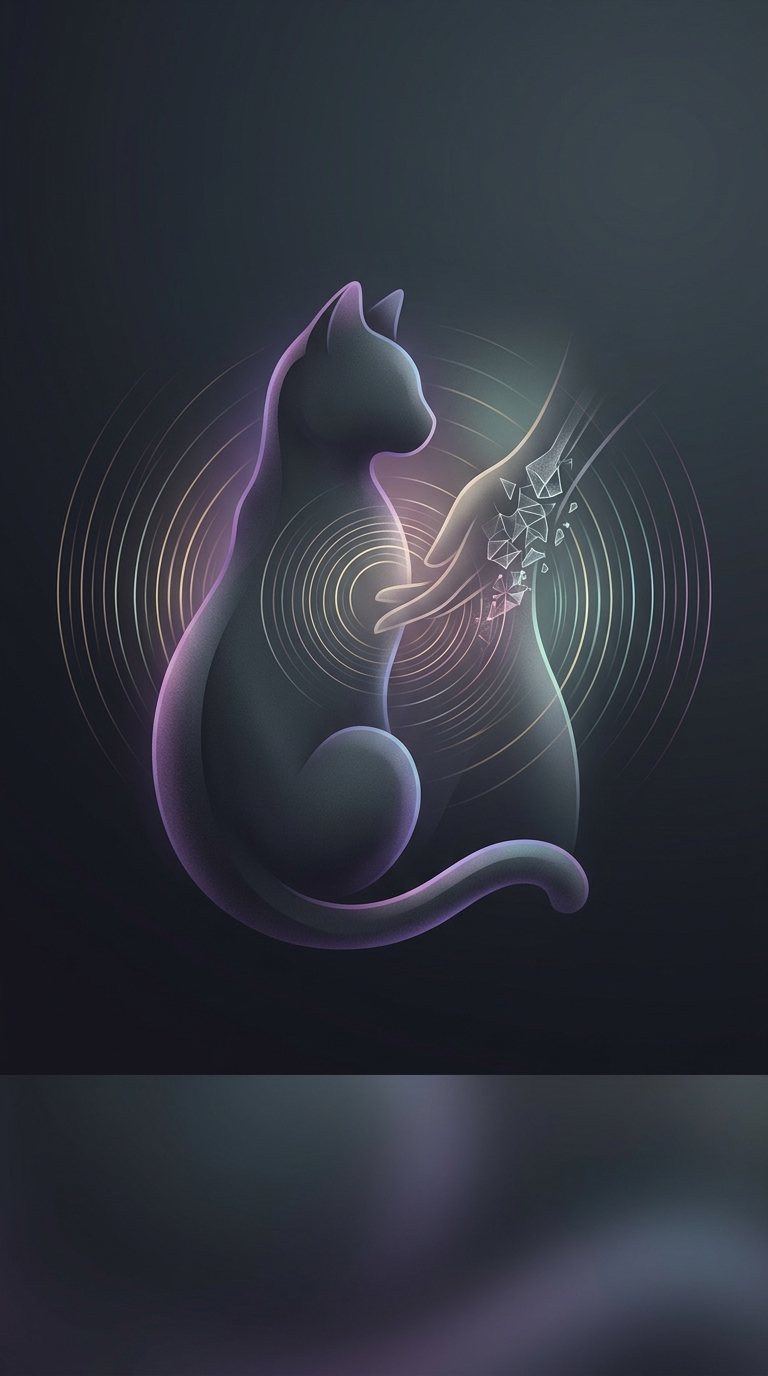
Feline purring occurs at a frequency between twenty-five and one hundred and forty Hertz, which happens to be the exact same frequency range shown to promote bone density and tissue repair in medical studies. Cats do not just purr when they are happy; they also purr when they are stressed, injured, or giving birth, effectively using this low-frequency rumble as a built-in physiological healing mechanism. This means your house cat is basically a vibrating medical device covered in fur. While scientists spend billions researching advanced medical therapies, these aloof little predators evolved a way to heal their own fractures by simply vibrating at a precise acoustic resonance. So when your cat demands attention and purrs loudly on your chest, it might actually be passively repairing your micro-injuries. It is the only acceptable trade-off for all the times they deliberately push your expensive electronics off the table while maintaining unblinking eye contact