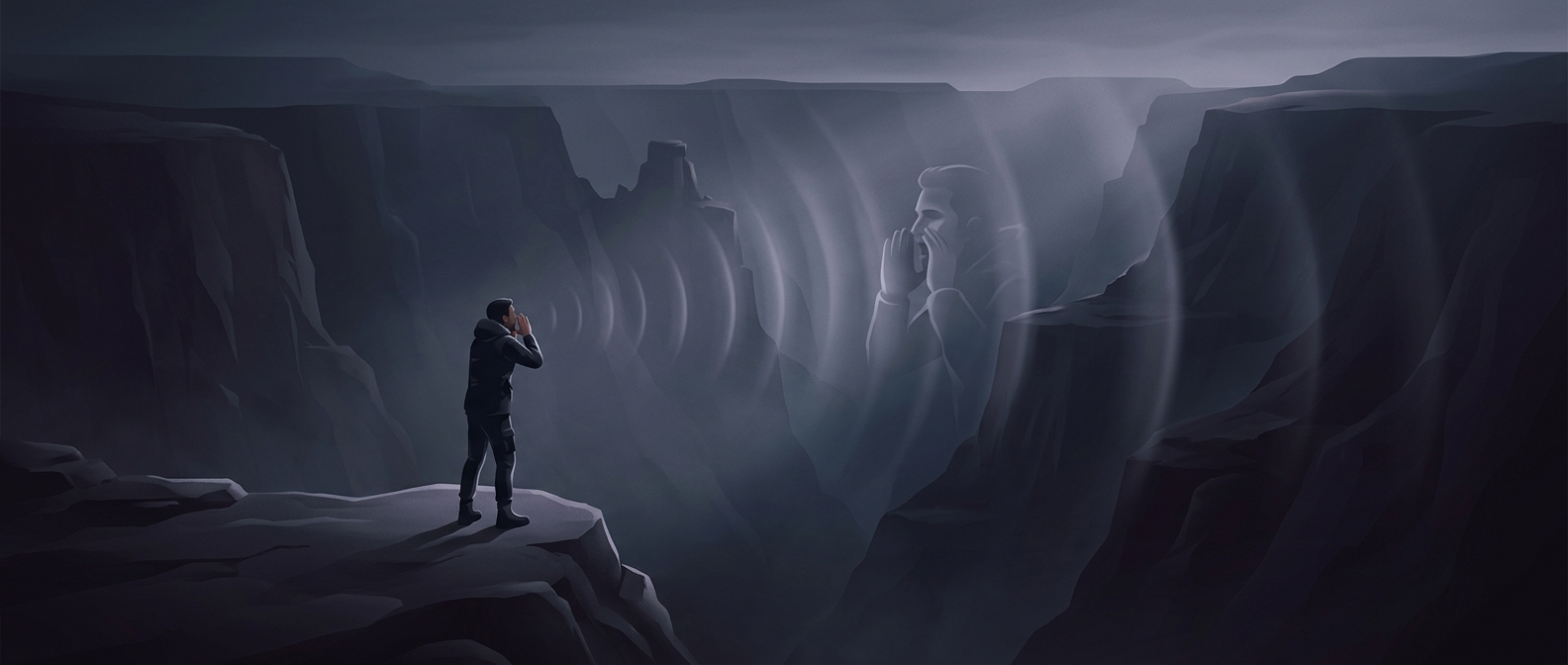
Why a Canyon Gives Your Voice Back
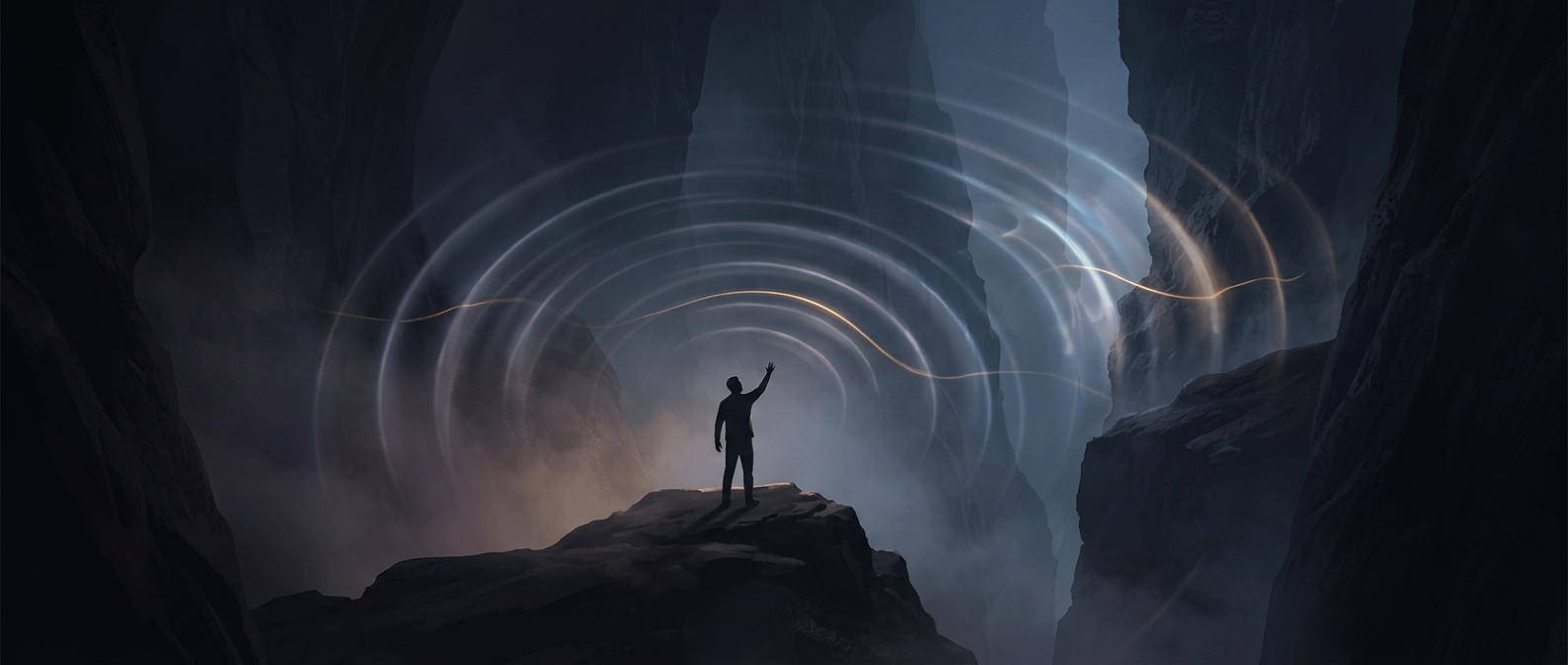
An echo is your own sound reflected toward you by a surface. When you shout across a canyon, the far wall can send that sound back only after it has crossed the gap twice: once to reach the rock and once to return. The delay is long enough for your ears to hear the reflection as a second sound rather than as part of the original shout.
Distance Separates an Echo from Reverberation
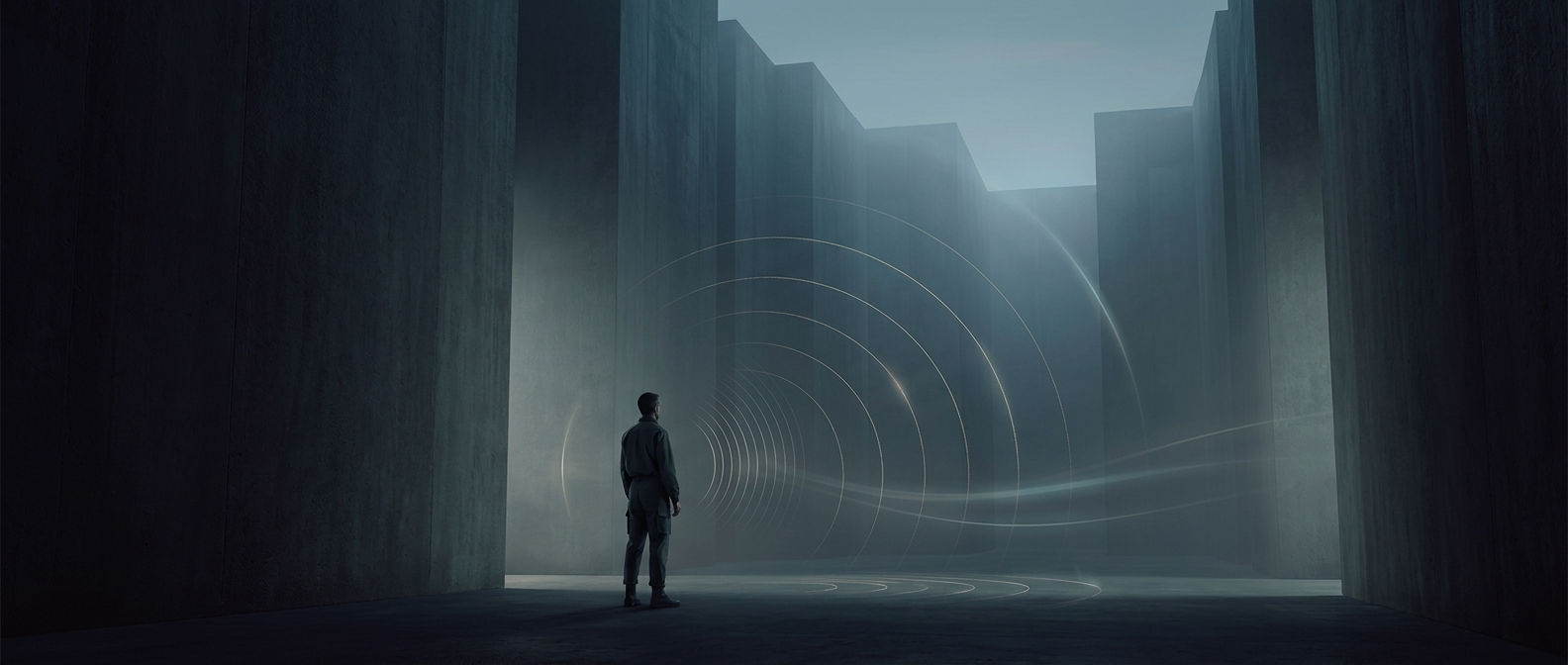
Sound travels through air at roughly 340 meters per second, so even a few dozen meters of extra round-trip travel can create a noticeable pause. A nearby wall returns sound so quickly that the reflection overlaps the shout. Instead of hearing a second call, you hear the voice blend and trail off—a lingering effect called reverberation.
A canyon’s broad, distant walls can produce a cleaner repeat, but the result depends on more than size. The rock must reflect enough sound back toward you, and the canyon’s shape must direct some of it to your position. Uneven surfaces and obstacles scatter or weaken the reflection, which is why not every shout in a gorge comes back clearly.
The Landscape Sets the Timing
The returning sound is quieter because it spreads out on its journey and loses energy against the air and rock. Its delay also gives the familiar impression that the canyon waited for you to stop. It did not: the reflected sound began traveling back as soon as the shout reached the wall. The gap between your voice and its return is simply the distance made audible.