The face-cold signal that slows the body
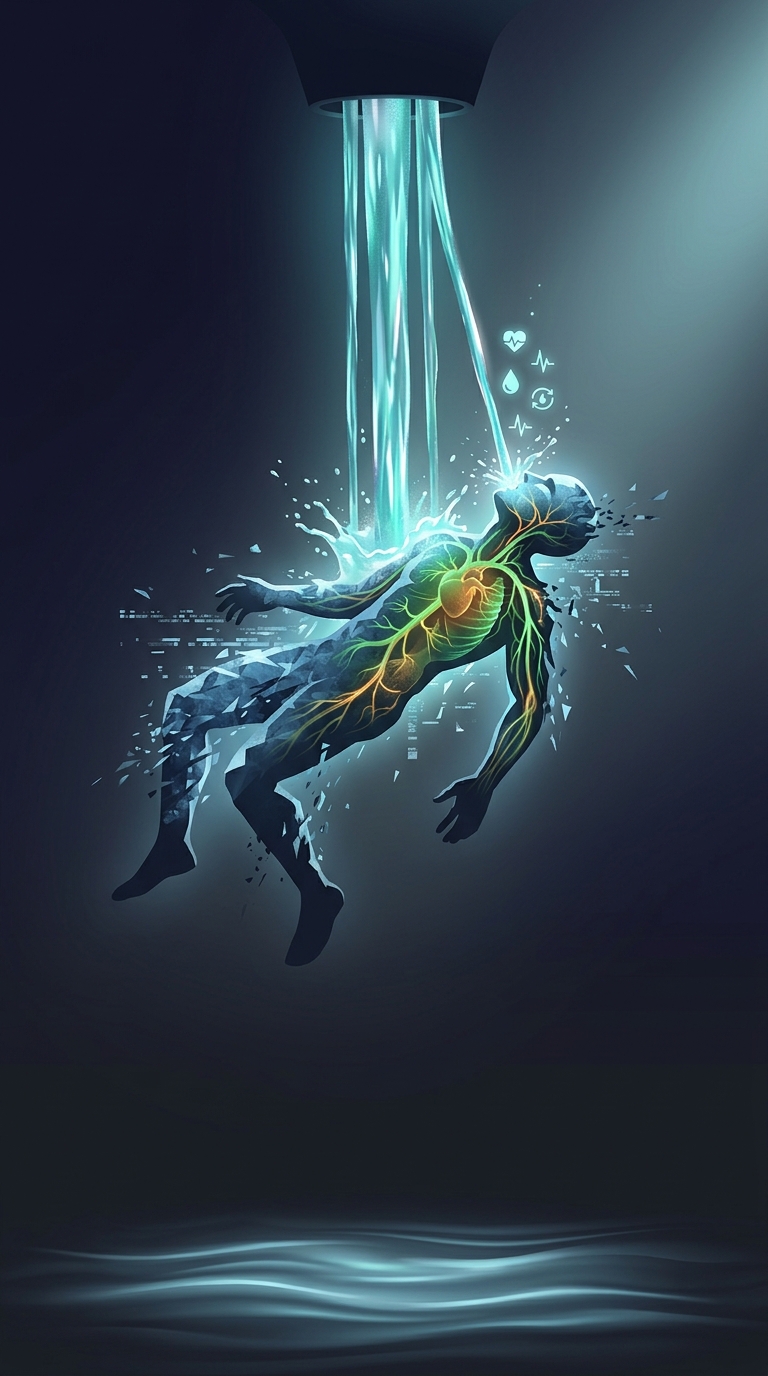
Cold water on the face can engage the mammalian diving response, an automatic set of reflexes shared by humans and other mammals. In water, the response helps conserve oxygen: the heart rate can slow, while blood vessels in the limbs narrow so more blood remains available to vital organs.
Cold-sensitive nerves in the face carry the signal to the brainstem, which helps regulate automatic functions such as heart rate. The response is strongest when the face is immersed in cold water and breathing is held; a quick splash may produce a milder effect.
Why it may help during panic
Panic often brings a racing heart and rapid breathing. A diving response can push in the opposite direction by slowing the heart, giving the body a cue that may interrupt that escalating cycle. It is a reflex, not a mental switch that instantly erases fear—and its effects vary from person to person.
A sudden splash can also feel startling, and cold exposure is not a good choice for everyone. The useful idea is narrower: cooling the face can recruit an old oxygen-conserving reflex, which may help settle some of the body’s alarm signals.