Science
Discover facts about science. Small discoveries that change the way you see familiar things.
Science
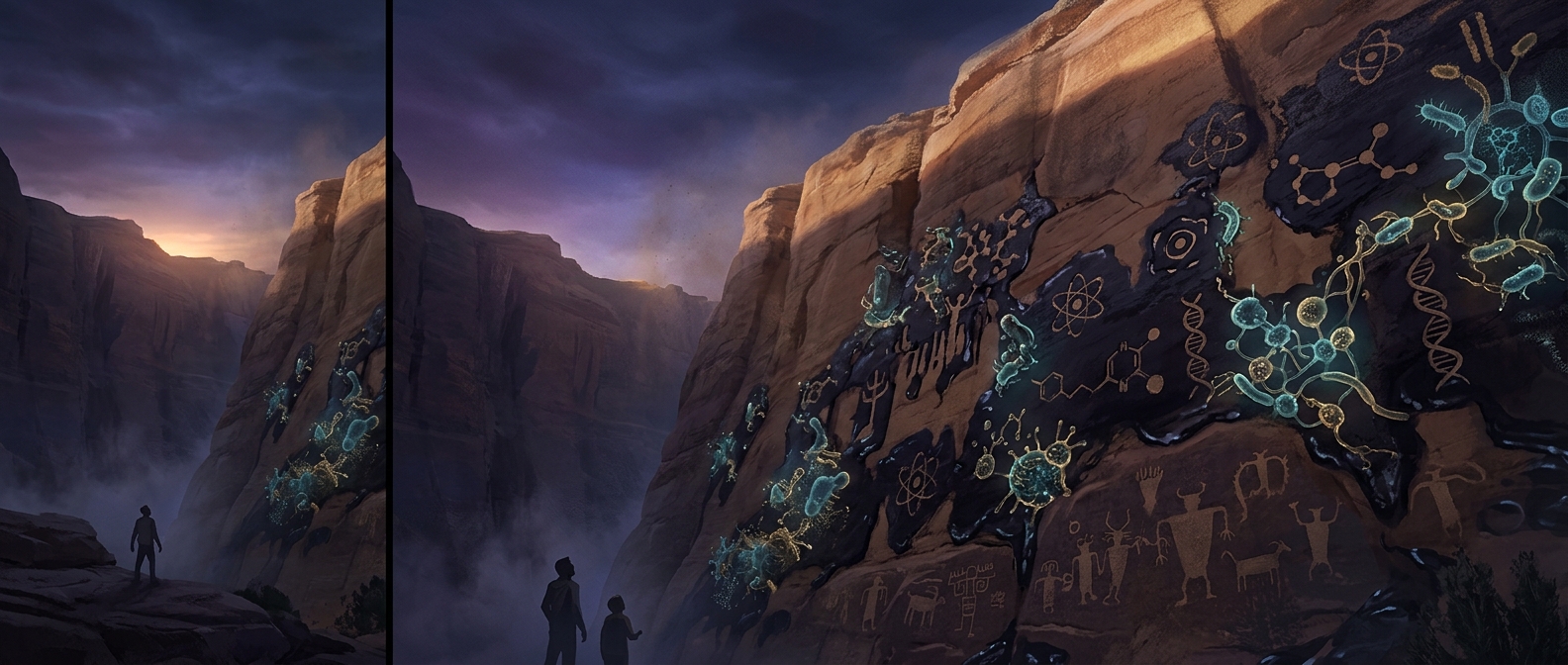
The microbes painting the desert black and red
Those mysterious, shiny black and red streaks coating sun-baked desert cliffs are not geological stains; they are the ultra-slow-motion artwork of microscopic…
Discover more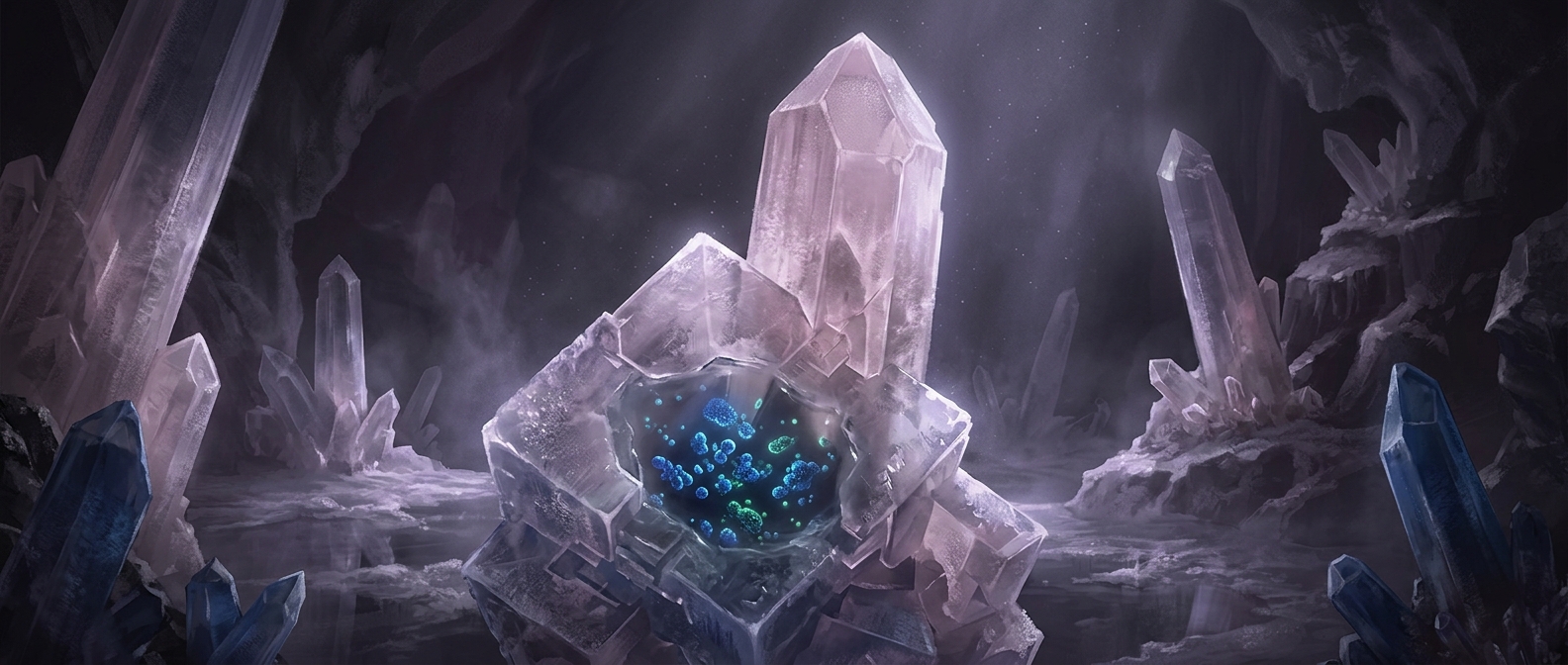
The salt crystals that preserve living microbes
Evaporating salt lakes do not just leave behind dead minerals; they create microscopic biological vaults. Inside fluid inclusions of solid halite crystals,…
Discover more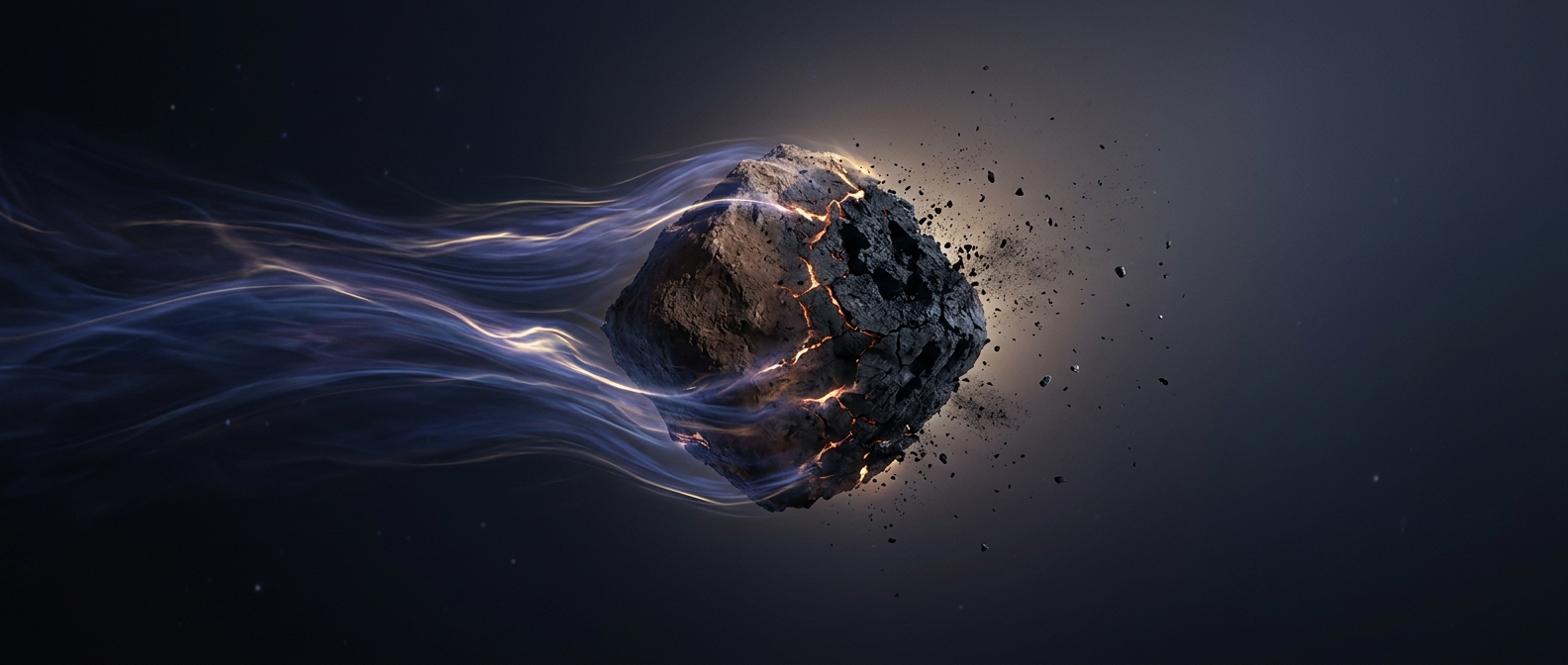
Why asteroid Ryugu is so unusually dark
Floating space rocks are constantly getting sunburned by the galaxy. When the Hayabusa2 mission returned samples from the asteroid Ryugu, they revealed that…
Discover more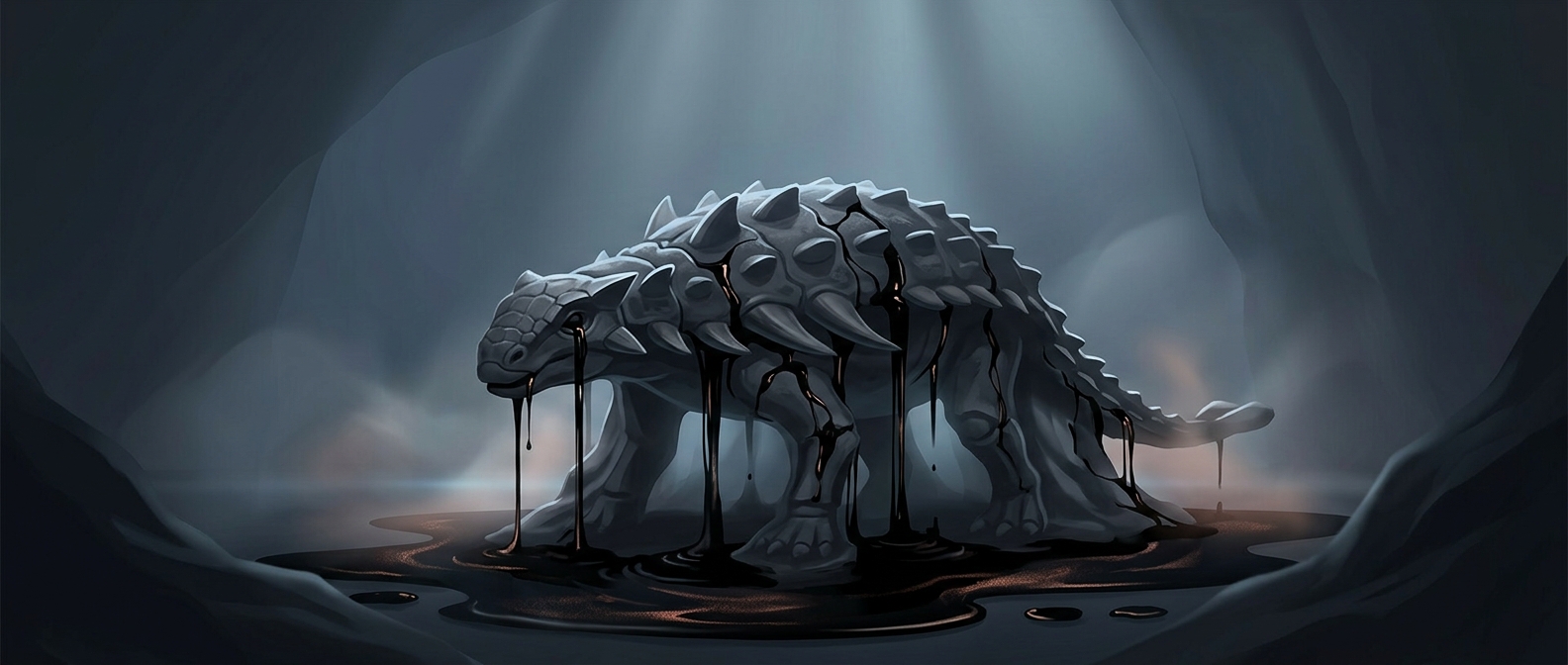
Scientists found a dinosaur's rusty-red camouflage
We do not have to guess what color dinosaurs were anymore. Under intense pressure and millions of years, the organic pigment structures called melanosomes do…
Discover more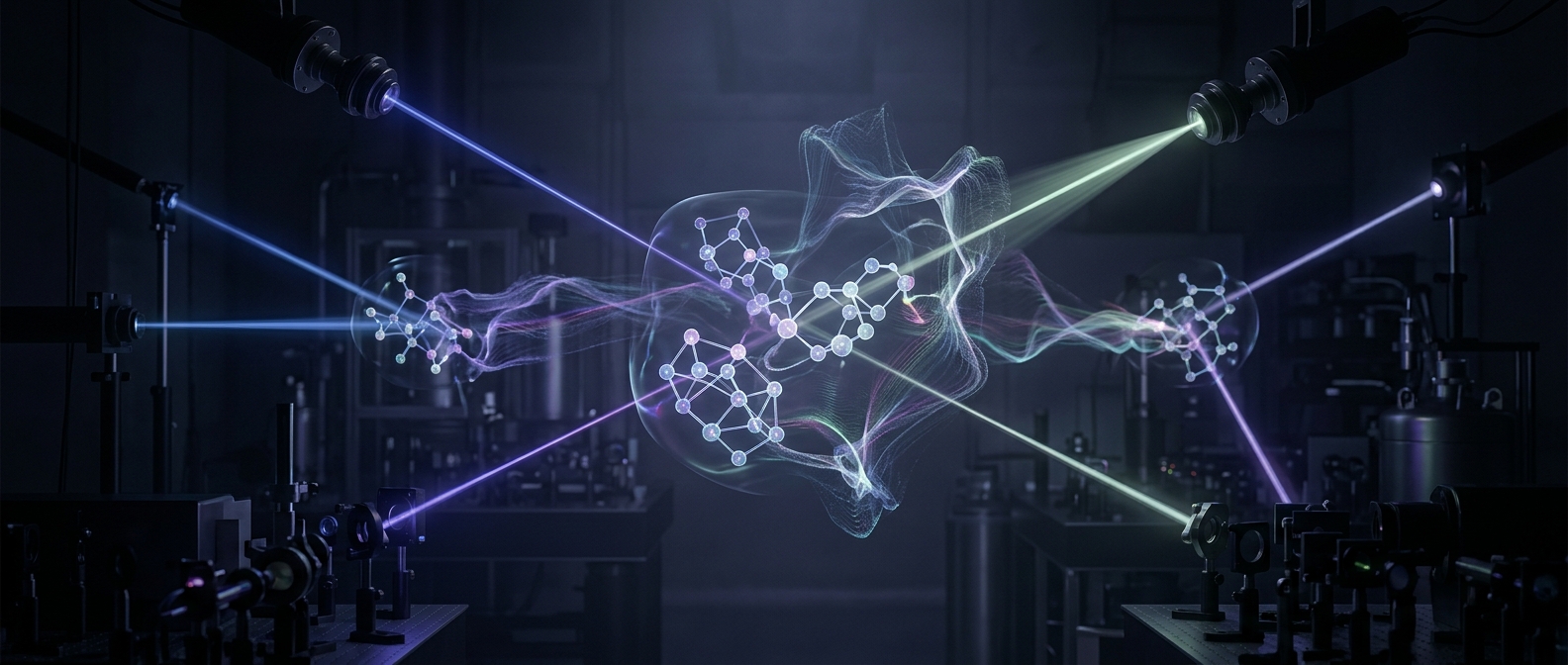
How lasers map molecules after extreme cooling
Molecules vibrate so wildly at room temperature that trying to photograph them is like shooting a blur. By trapping ions in a magnetic cage and chilling them…
Discover more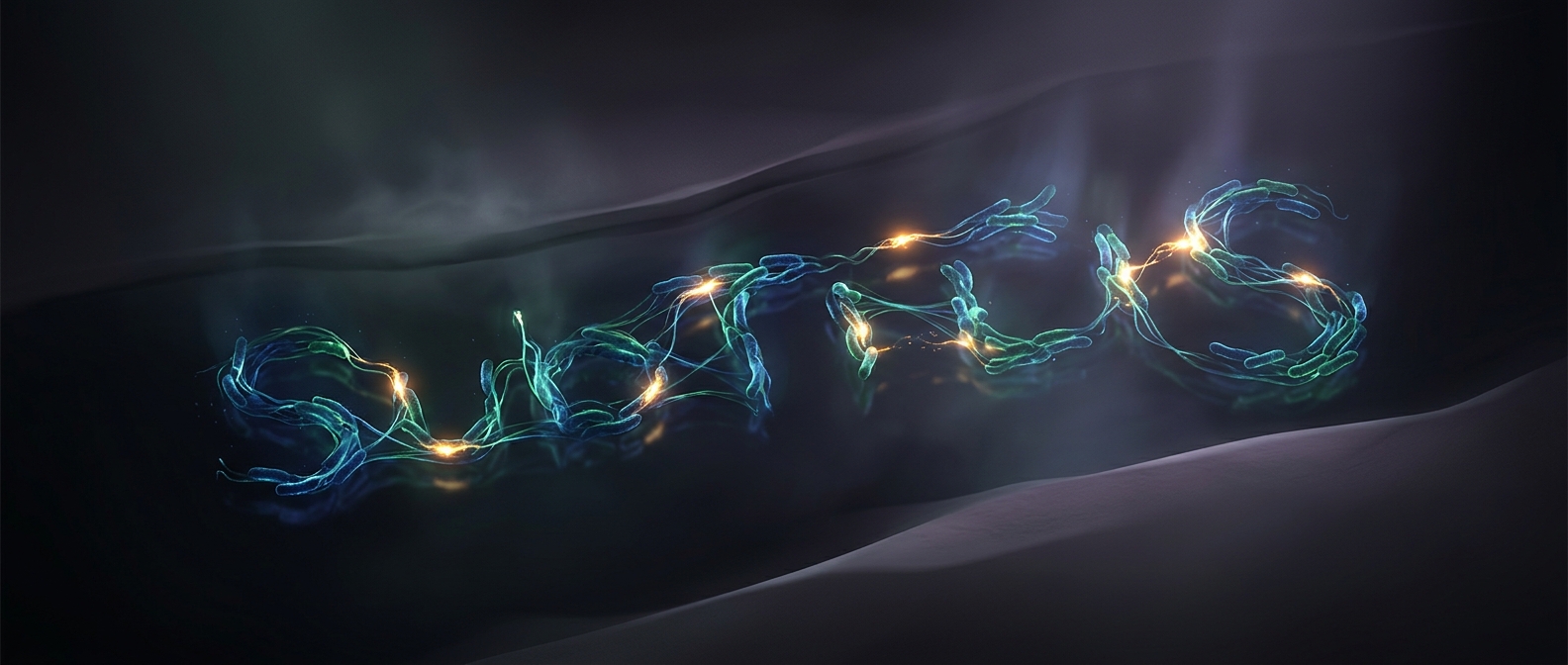
Bacteria communicate with electrical pulses
Slime is actually a highly coordinated electrical grid. Colonies of bacteria like Bacillus subtilis use potassium ion channels to fire electrical pulses to…
Discover more STACKY FOR IPHONE
A bigger world.
One discovery
at a time.
Keep discovering with Stacky. Interesting facts in an app that is always within reach.
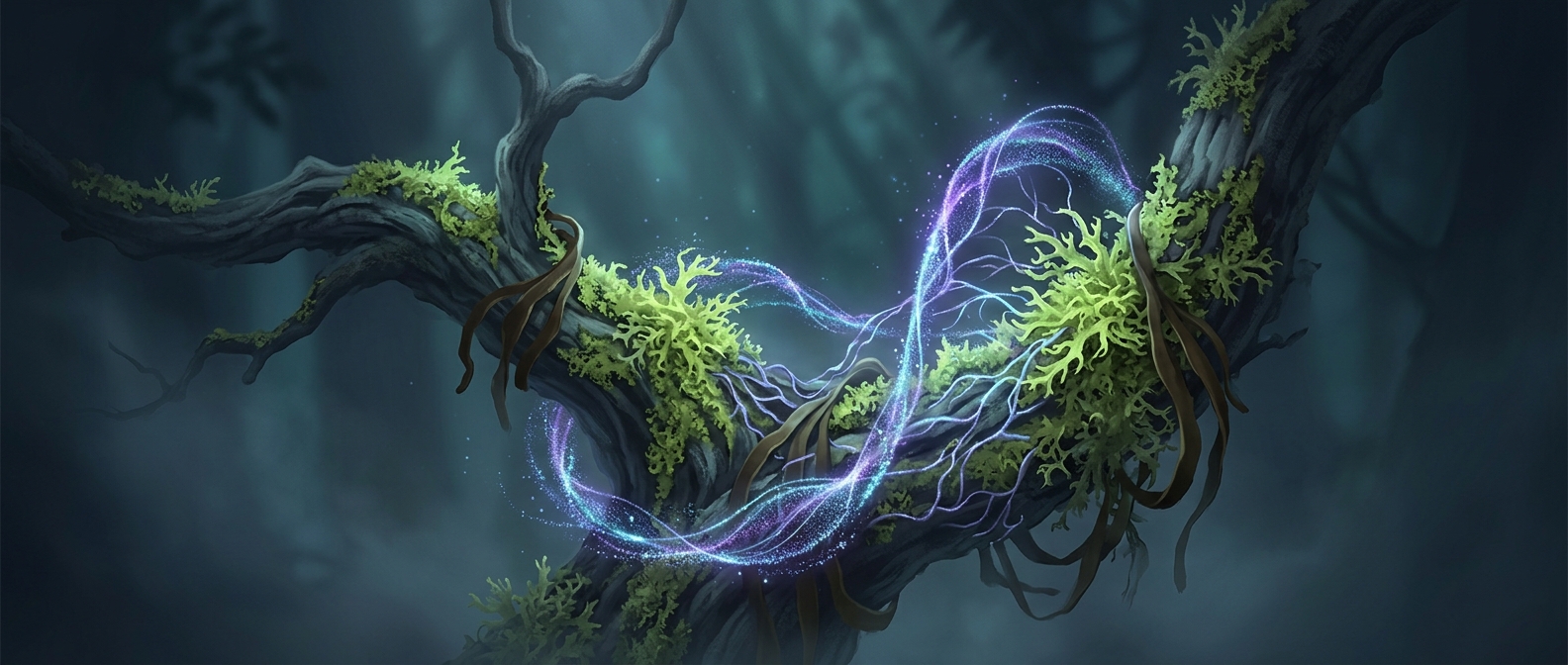
Lichen has a hidden third partner
Biology textbooks blatantly lied to you for over a century. Lichen was famously taught as a perfectly simple, happy marriage between a single fungus and some…
Discover more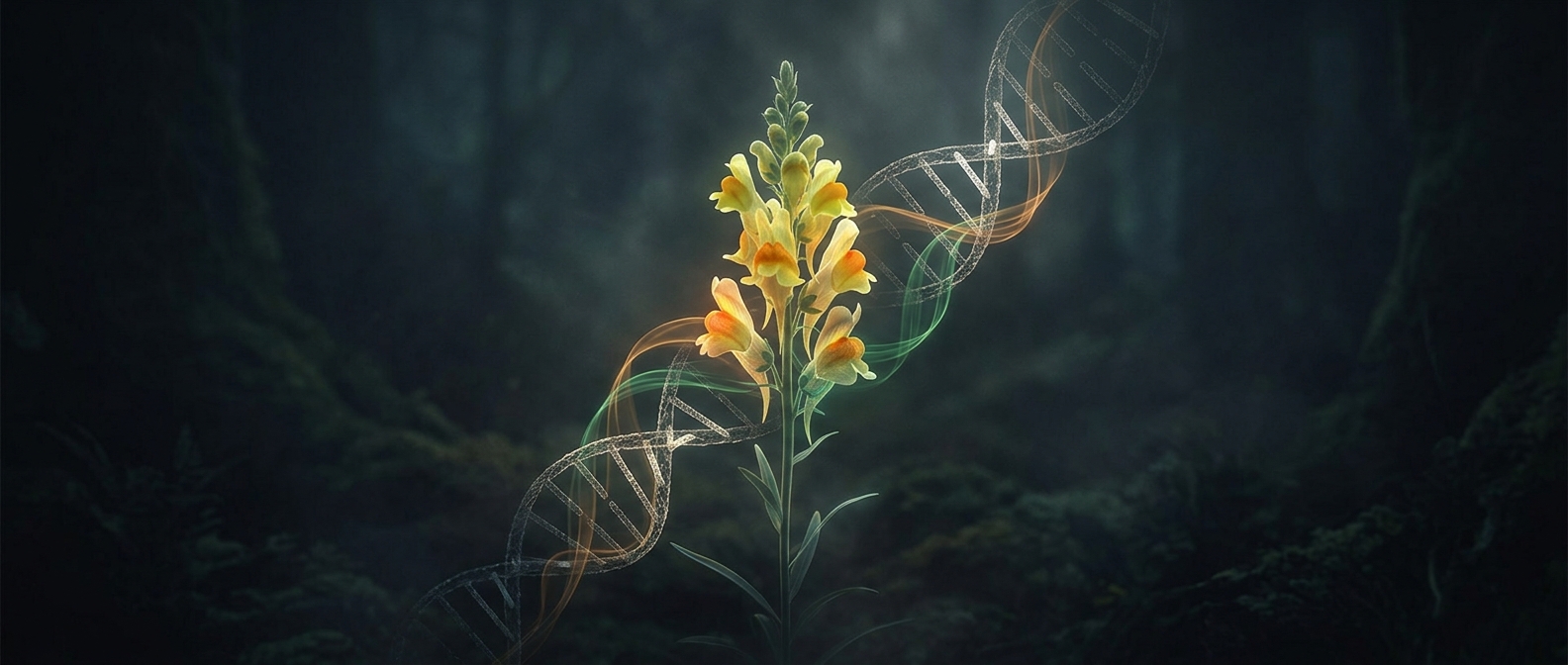
The plant that changes traits without changing its DNA
Darwin's evolutionary rules get totally bypassed when a plant decides to rewrite its own genetic software. The common toadflax can radically change its petal…
Discover more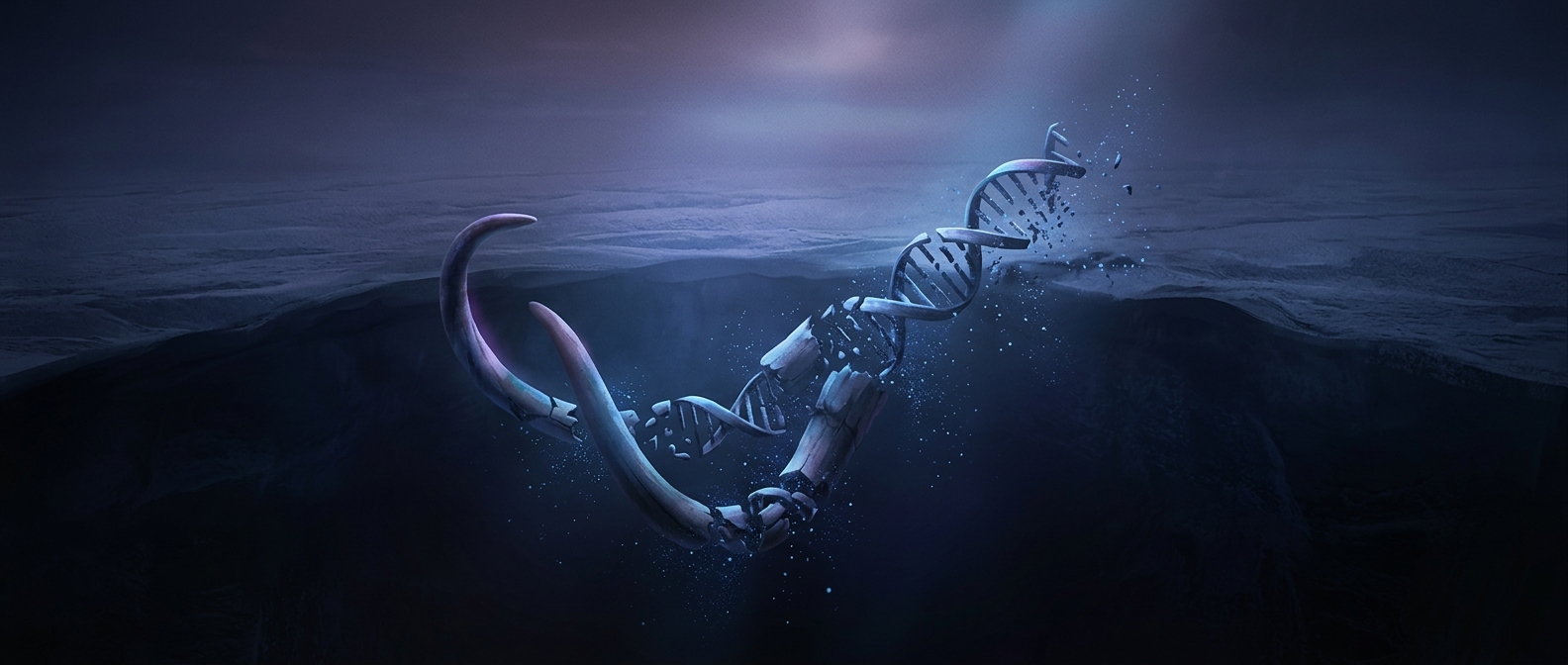
Permafrost shatters mammoth DNA instead of preserving it
Freezing a mammoth doesn't keep its genome perfectly intact like some sci-fi movie. The icy dirt violently degrades and chops the DNA into millions of…
Discover more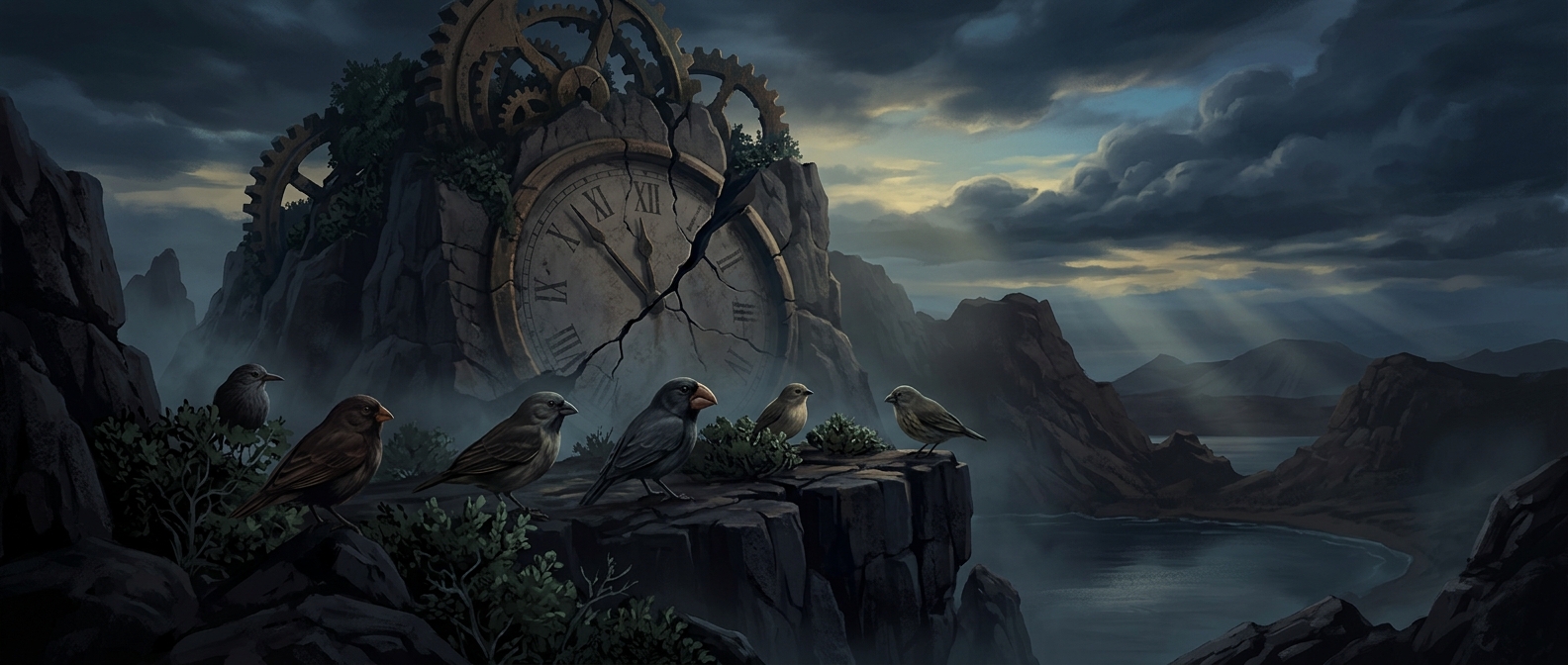
Why island finches disrupt the evolutionary clock
Tracking evolutionary timelines on isolated islands proves that DNA mutation rates are less like ticking metronomes and more like speeding sports cars.…
Discover more
Dust in plasma can form floating crystals
Fire up a plasma chamber without Earth's gravity dragging things down, and charged dust particles suddenly get hyper-organized. On the International Space…
Discover more
Can buried grids steer earthquakes around buildings
By burying specifically shaped geometric grids in the dirt, architects can literally bend seismic shockwaves around a skyscraper. These acoustic metamaterials…
Discover more
How Mars keeps some water liquid below freezing
Mars isn't a completely bone-dry wasteland; it just hides its water in a highly toxic cocktail. The Martian soil is packed with perchlorates—nasty chemical…
Discover more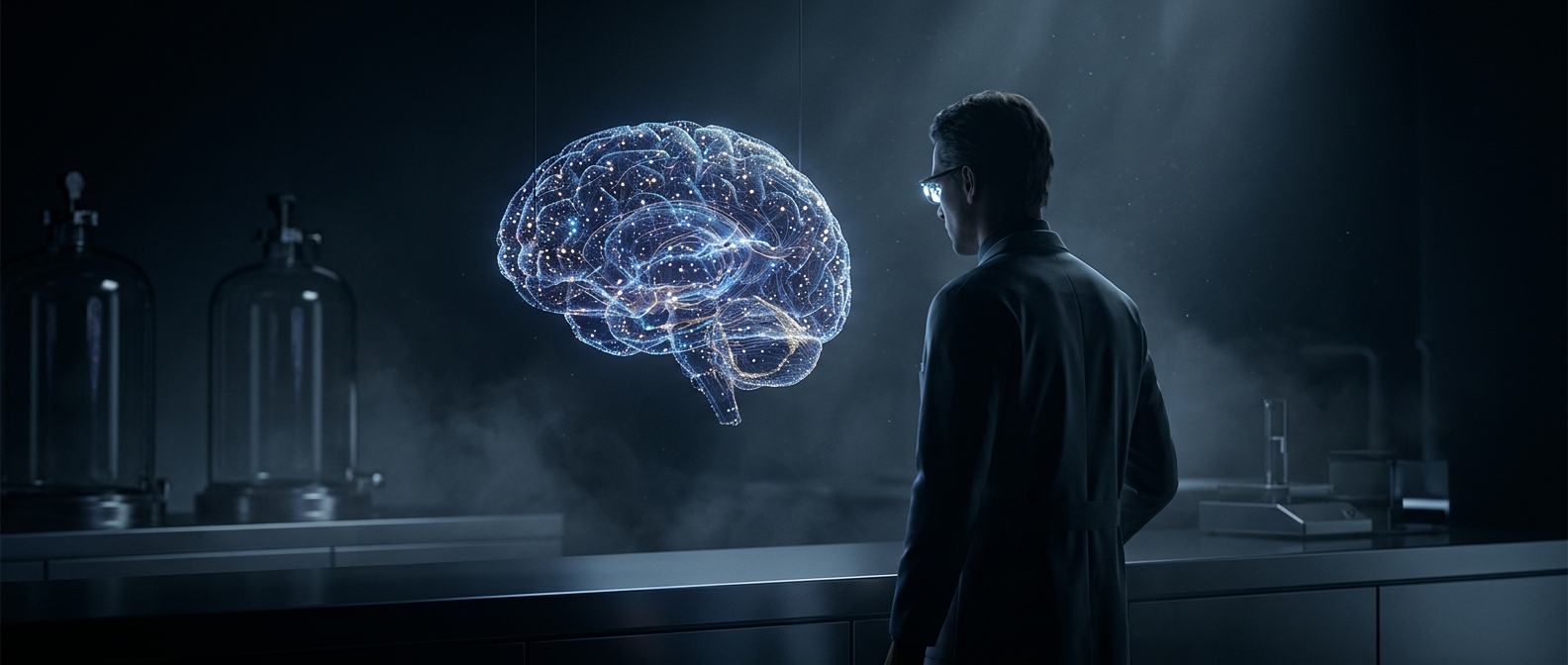
What frozen rat brains reveal about neural wiring
Freezing living tissue so fast that ice crystals don't have time to form is the only way to see a thought in transit. Using cryo-electron tomography,…
Discover more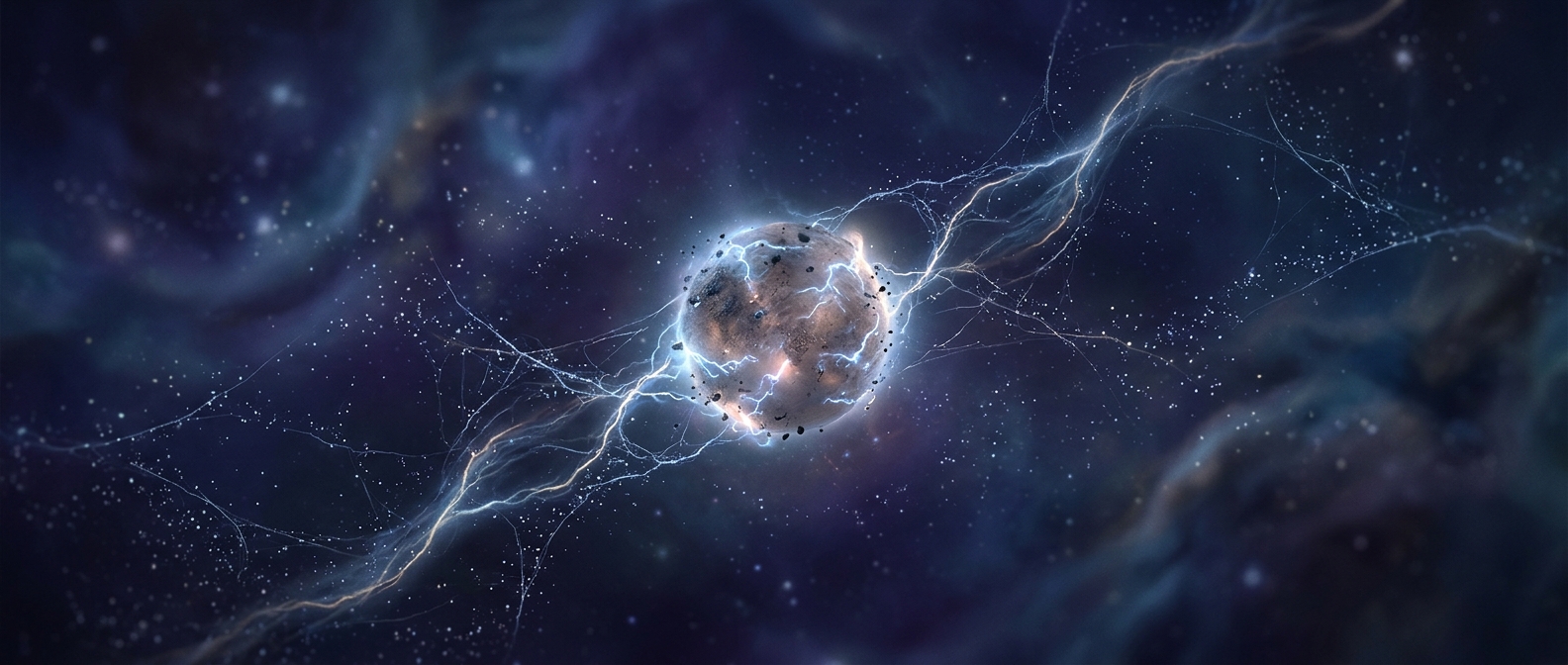
How static electricity helped build planets
Before Earth was a giant sphere of rock, it was nothing more than a swirling disk of microscopic silicate dust orbiting a young Sun. The great mystery was how…
Discover more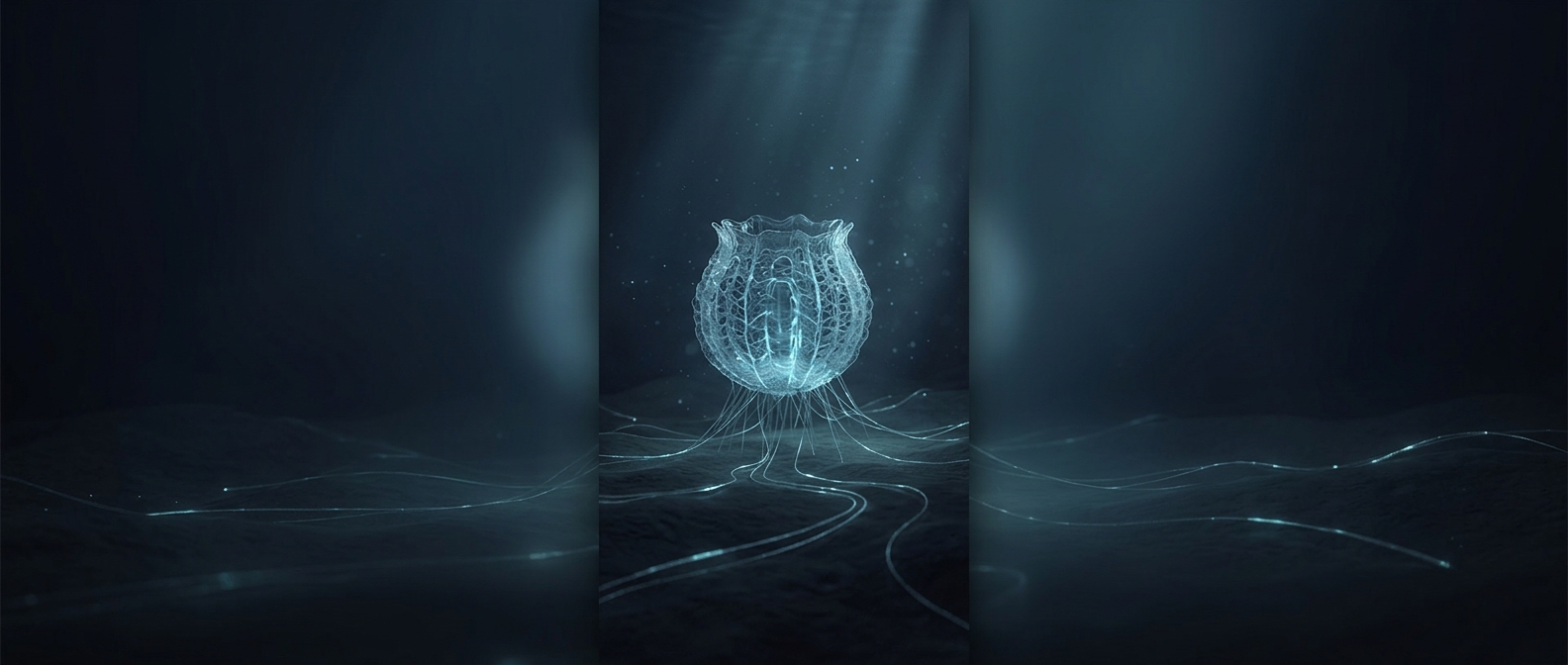
This sponge grows its own glass fiber optics
Deep in the crushing darkness of the Pacific Ocean, the Venus flower basket sponge builds its skeleton entirely out of biosilica, effectively weaving a cage…
Discover more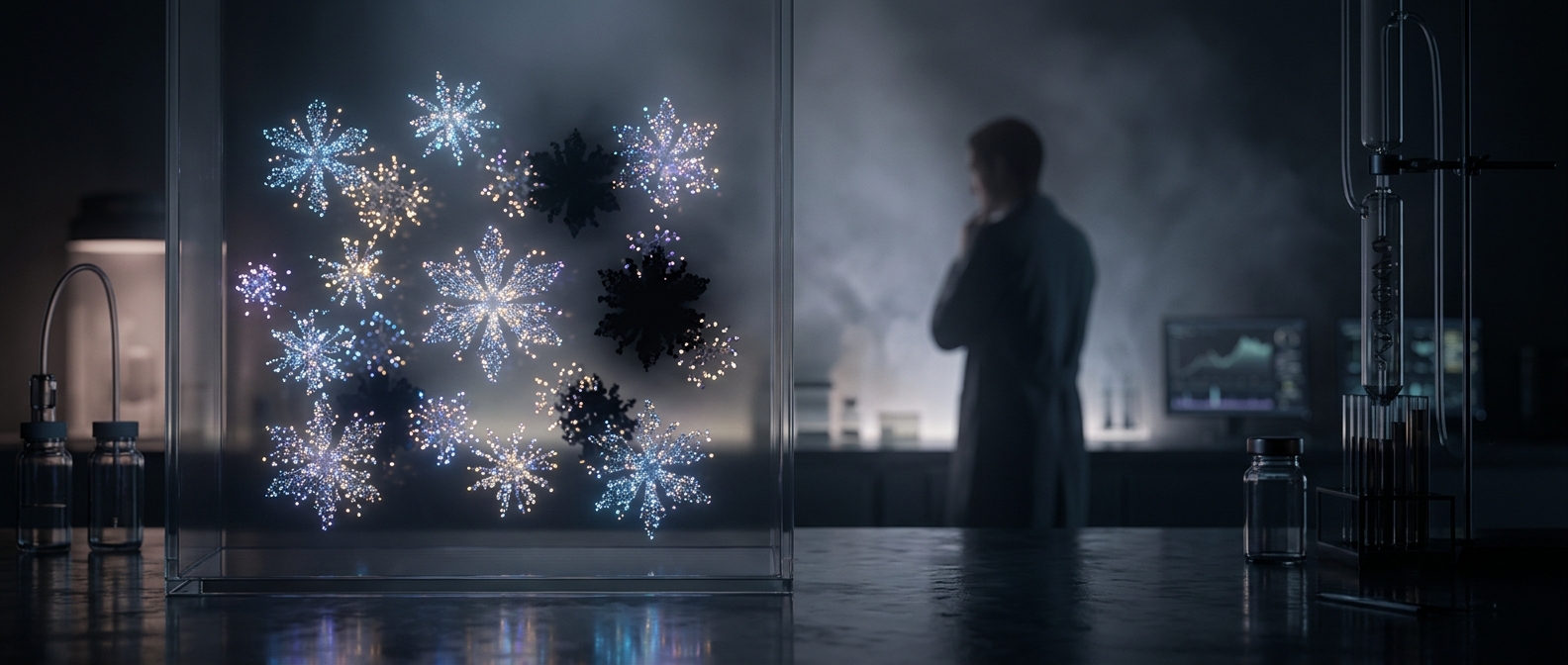
Why quantum dots suddenly go dark
The ultra-vibrant, glowing nanocrystals powering modern high-end televisions suffer from an incredibly annoying microscopic existential crisis. Under constant…
Discover more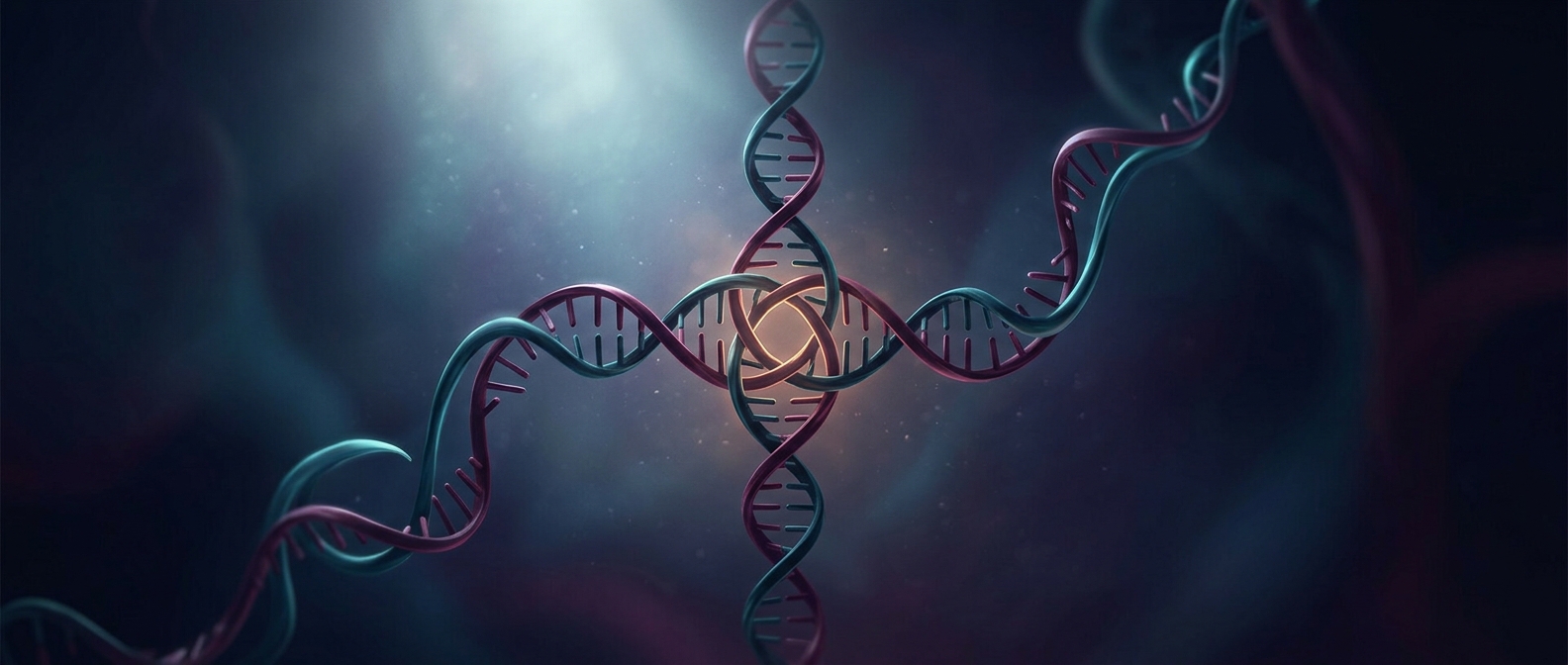
Your cells can tie RNA into tiny knots
Your genetic code is not just a boring, twisted ladder. When your cells need to violently hit the brakes on producing certain proteins, they literally tie…
Discover more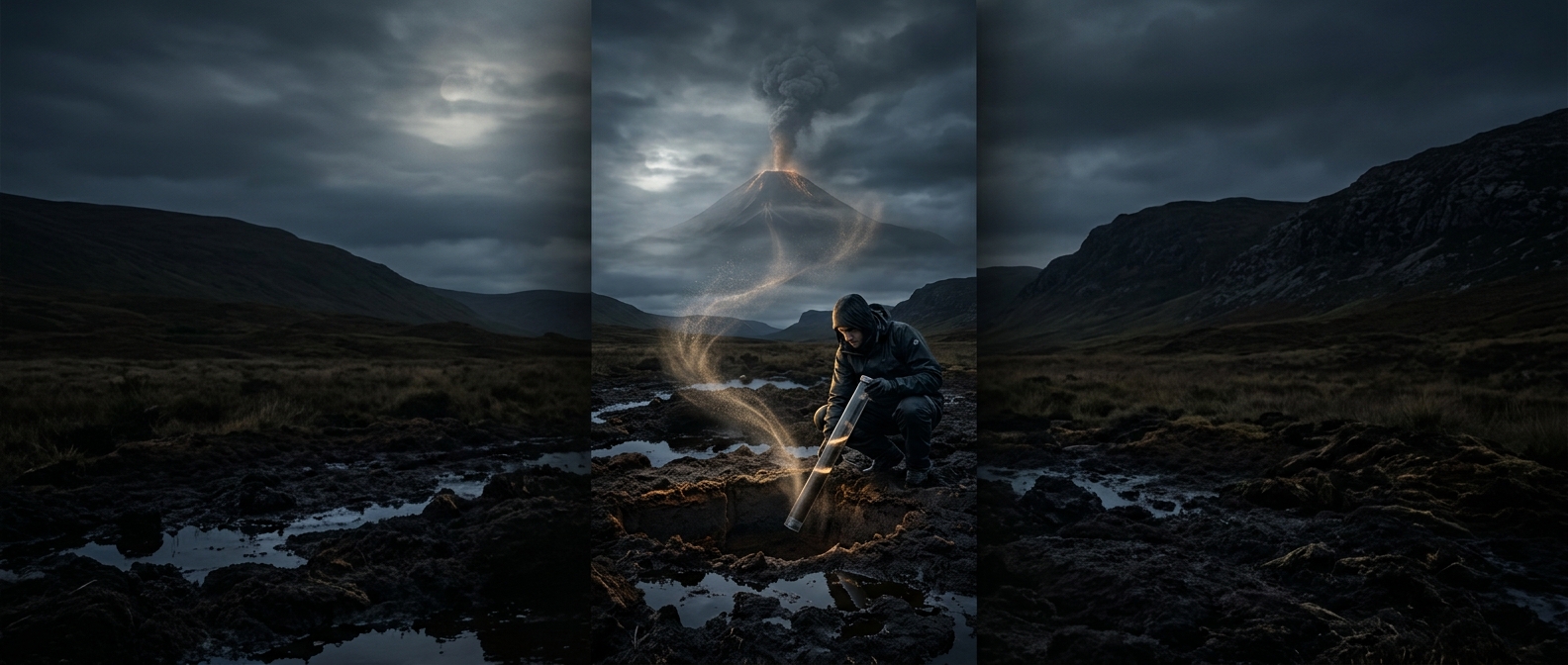
Vesuvius ash is hidden in Scottish bogs
Invisible glass shards from Mount Vesuvius are secretly lurking in Scottish peat bogs. Scientists use cryptotephra fingerprinting to match the chemical…
Discover more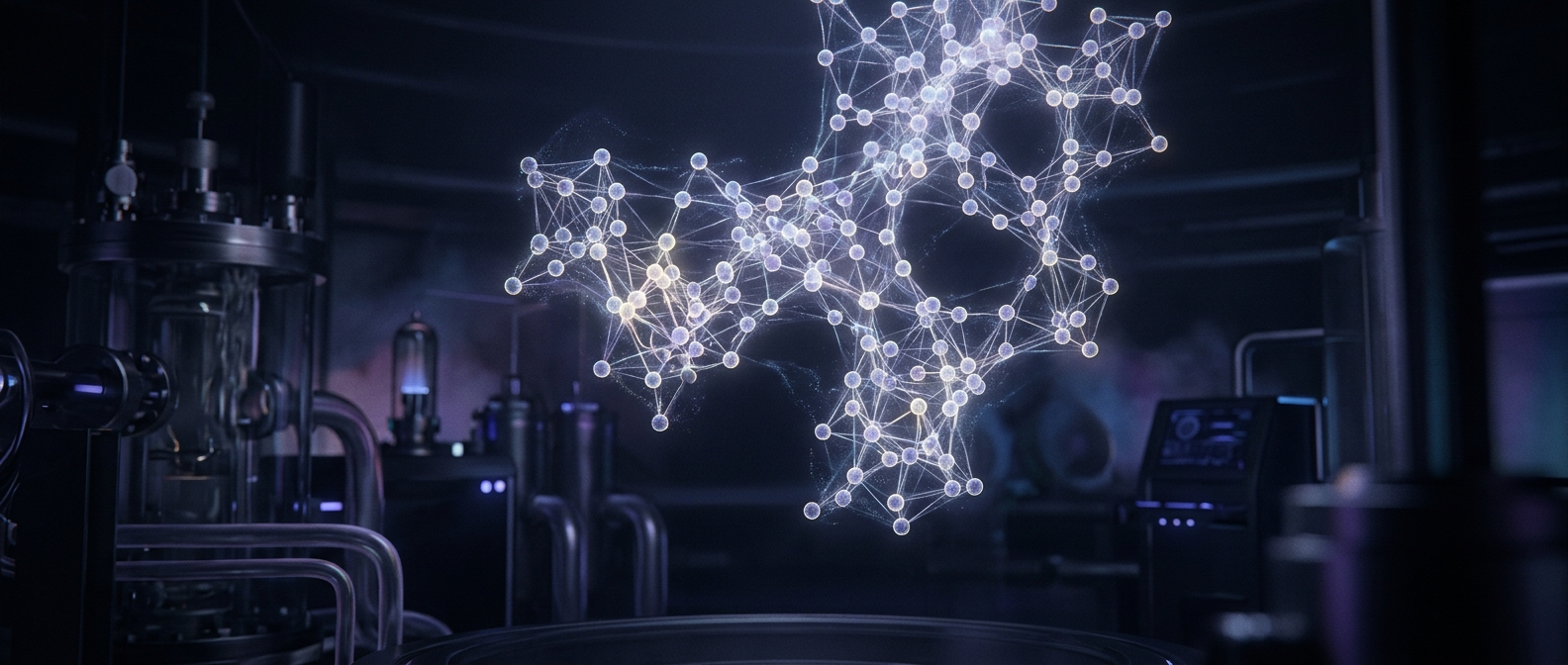
A supercold atom can swallow a neighbor
At a fraction of a degree above absolute zero, atoms start behaving like bizarre, fragile balloons. Physicists create ultracold Rydberg molecules by hitting a…
Discover more
Your phone screen contains microscopic “black holes”
Staring at your perfectly smooth screen? You're actually gazing into a microscopic landscape of controlled chaos. The rod-like molecules in liquid crystal…
Discover more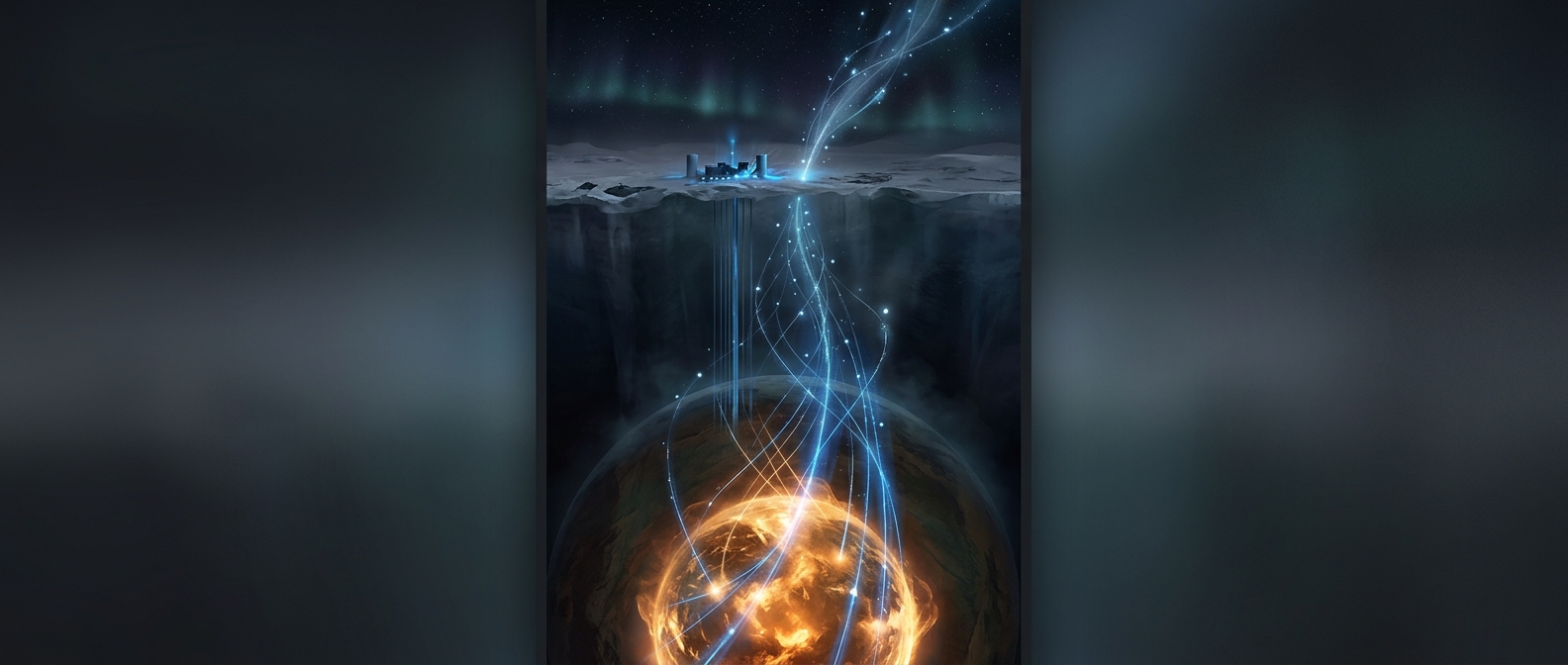
How scientists scan Earth's core without digging
Jules Verne thought we had to physically journey to the center of the Earth to see it, which is embarrassing when you realize you can just use cosmic…
Discover more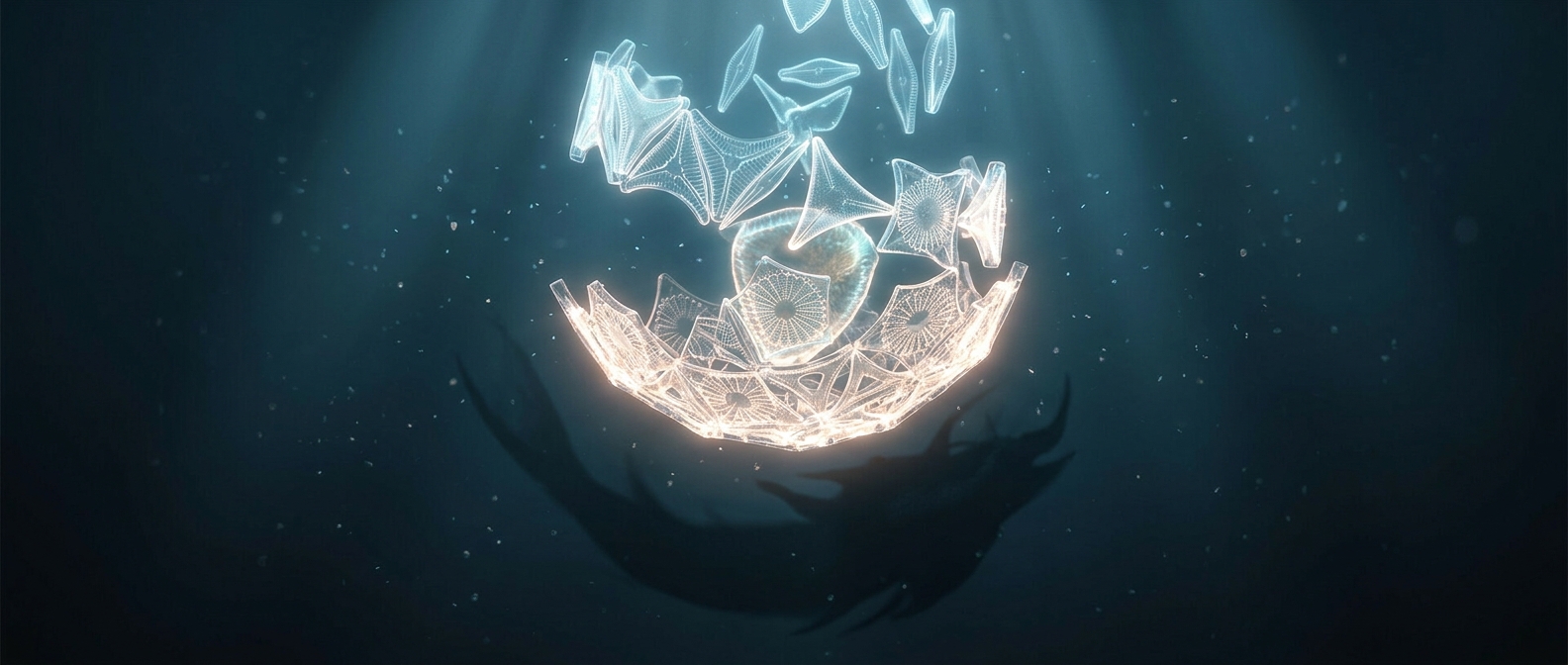
These microscopic algae build armor from glass
Microscopic algae are out here building literal glass castles while you struggle to put together IKEA furniture. Diatoms are single-celled ocean drifters that…
Discover more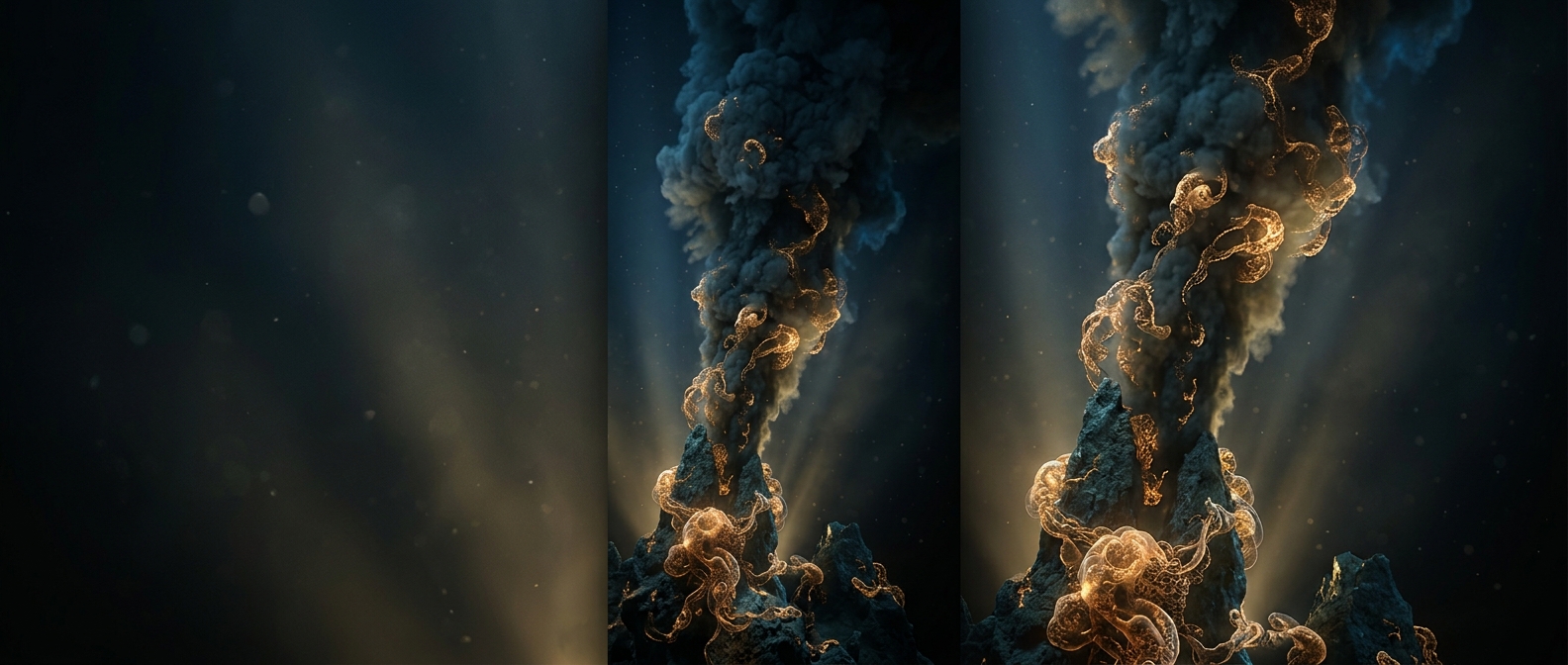
Boiling vent archaea armor themselves in ether lipids
If you tossed normal cells into a deep-sea hydrothermal vent, their fat-based membranes would instantly melt like butter in a frying pan. But extreme…
Discover more