Science
Discover facts about science. Small discoveries that change the way you see familiar things.
Science
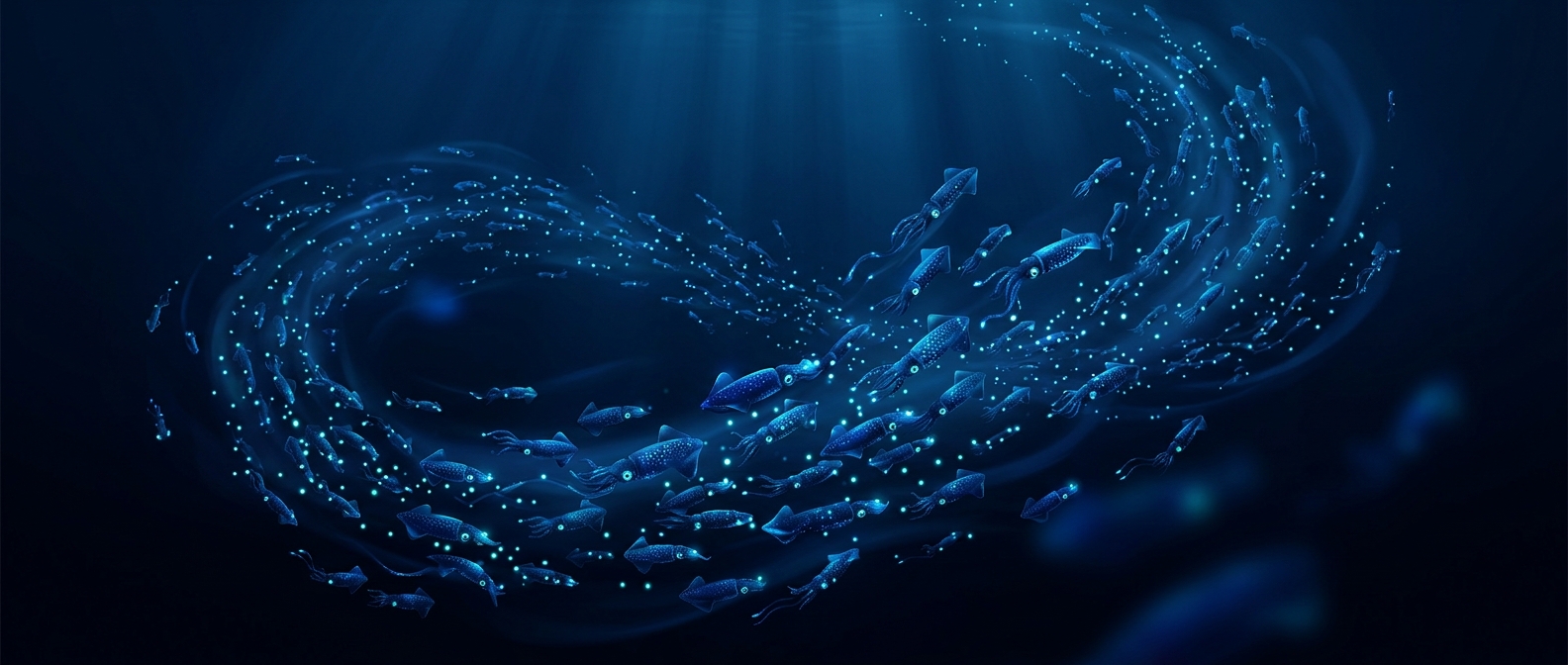
The squid that turns Toyama Bay into a blue light show
The underground rave scene has absolutely nothing on the Watasenia scintillans. Every spring, millions of firefly squid rise from the deep sea to Japan's…
Discover more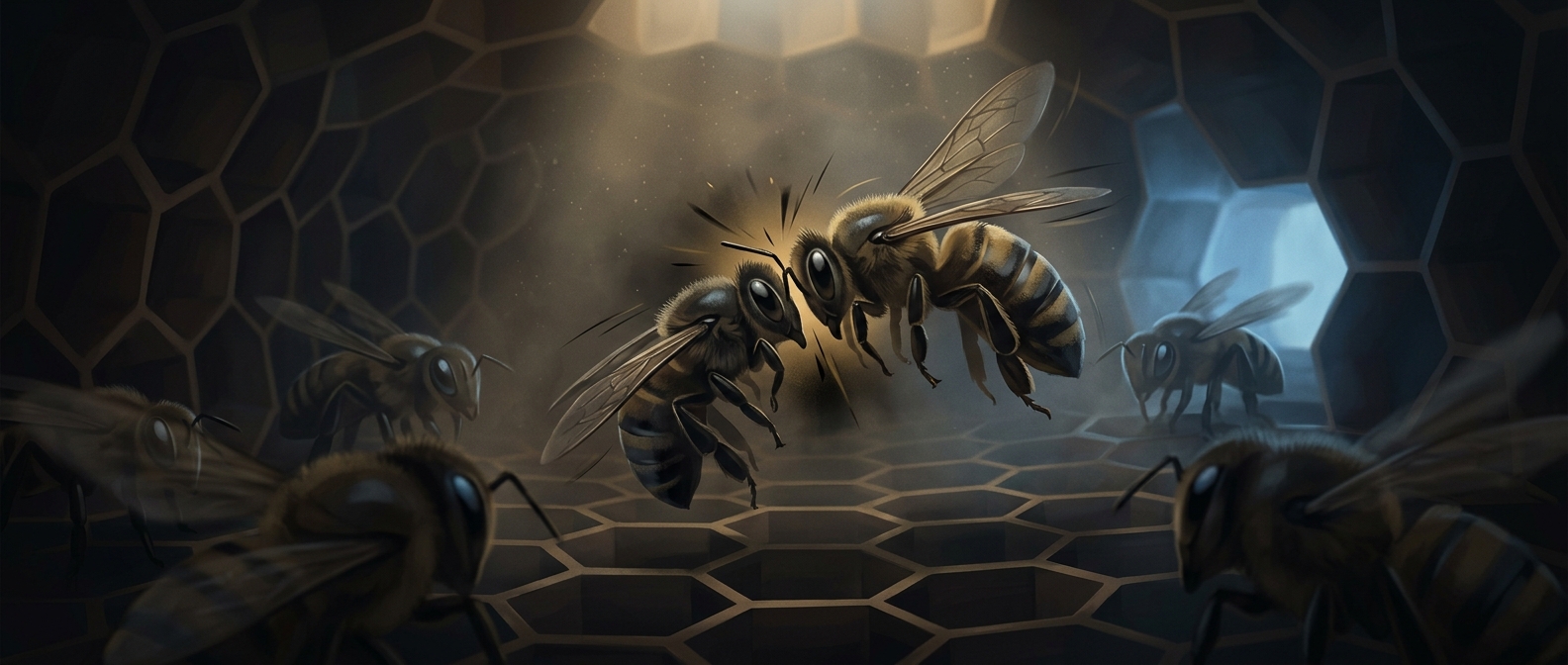
Honeybees can headbutt scouts over bad hive choices
Democracy in the animal kingdom is surprisingly violent. When a European honeybee swarm is searching for a new hive, scouts perform "waggle dances" to pitch…
Discover more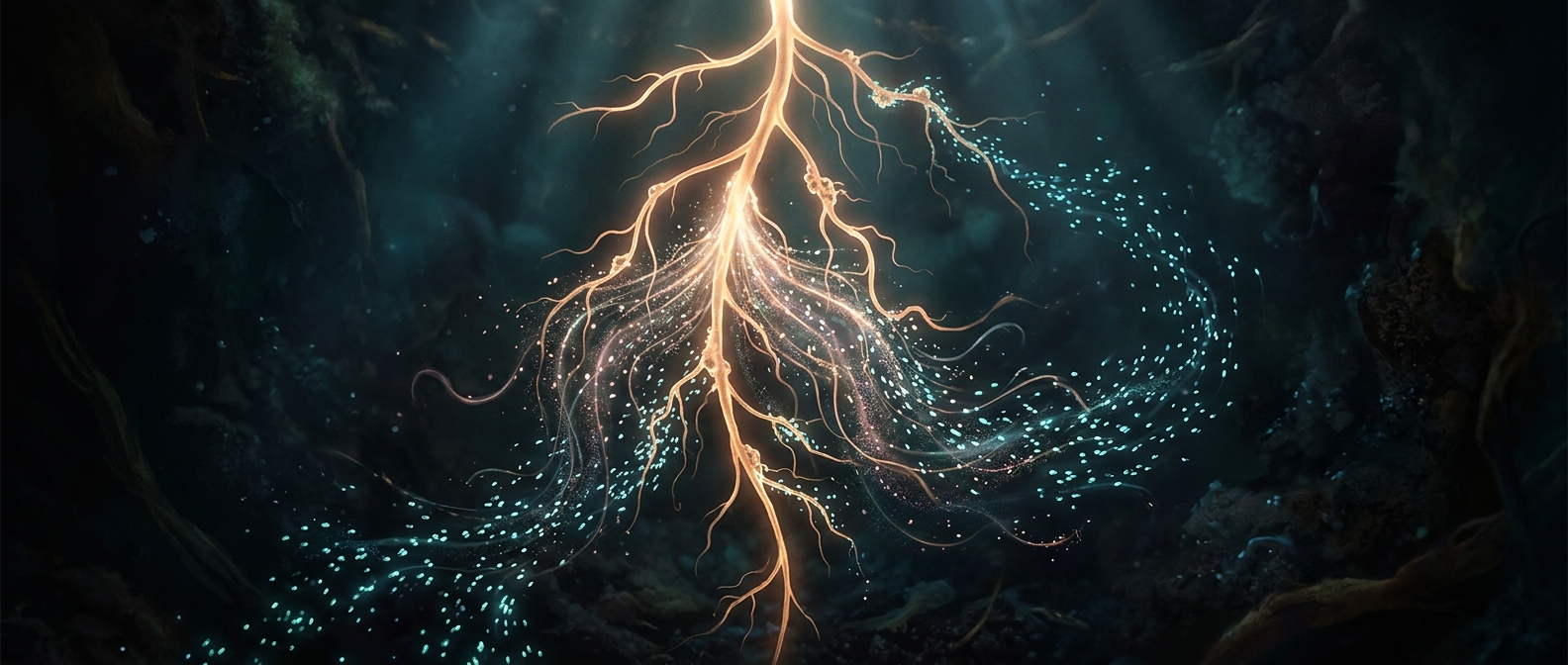
How soybeans recruit bacteria to make their fertilizer
Plants are entirely capable of orchestrating their own bacterial hostage situations. Legumes like soybeans are starved for nitrogen, so they pump out…
Discover more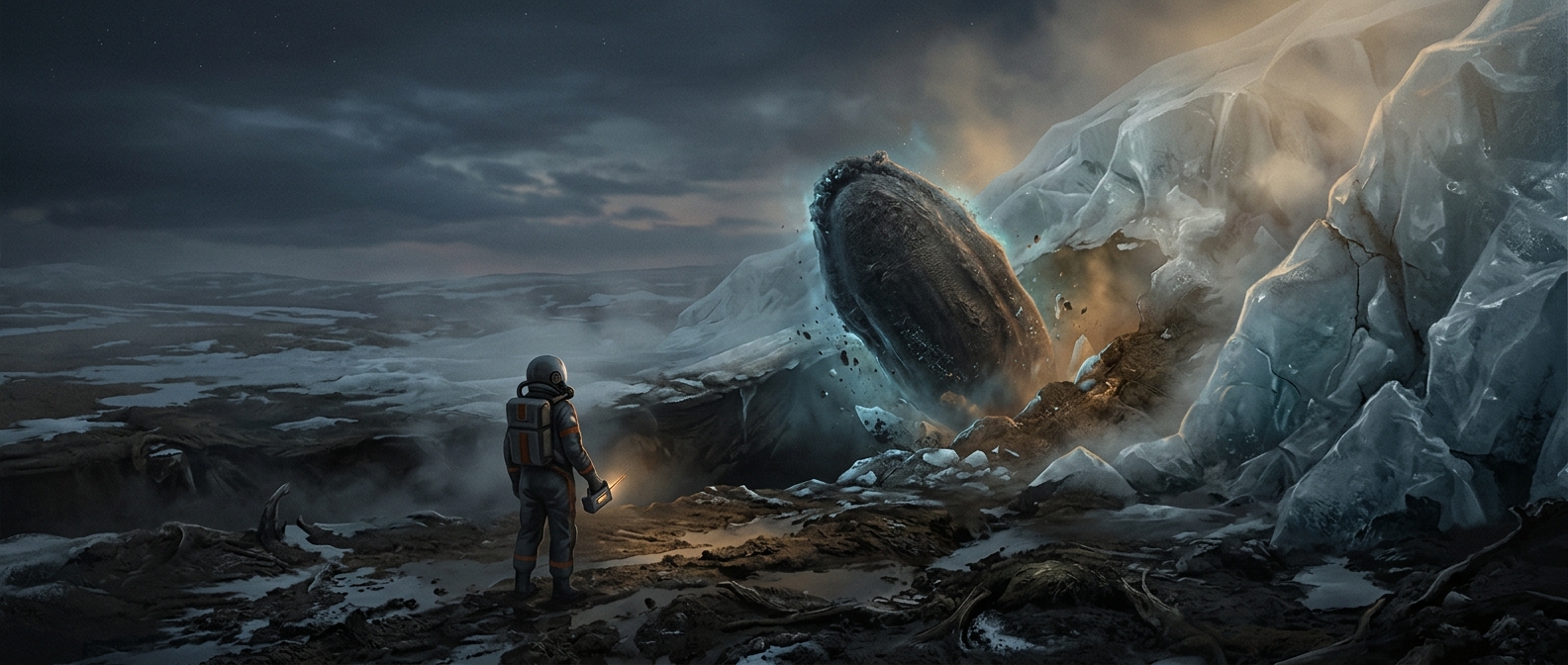
The 30,000-year-old virus scientists brought back to life
Because humanity clearly loves tempting fate, scientists dug into the Siberian ice and resurrected Pithovirus sibericum, a pathogen that had been chilling for…
Discover more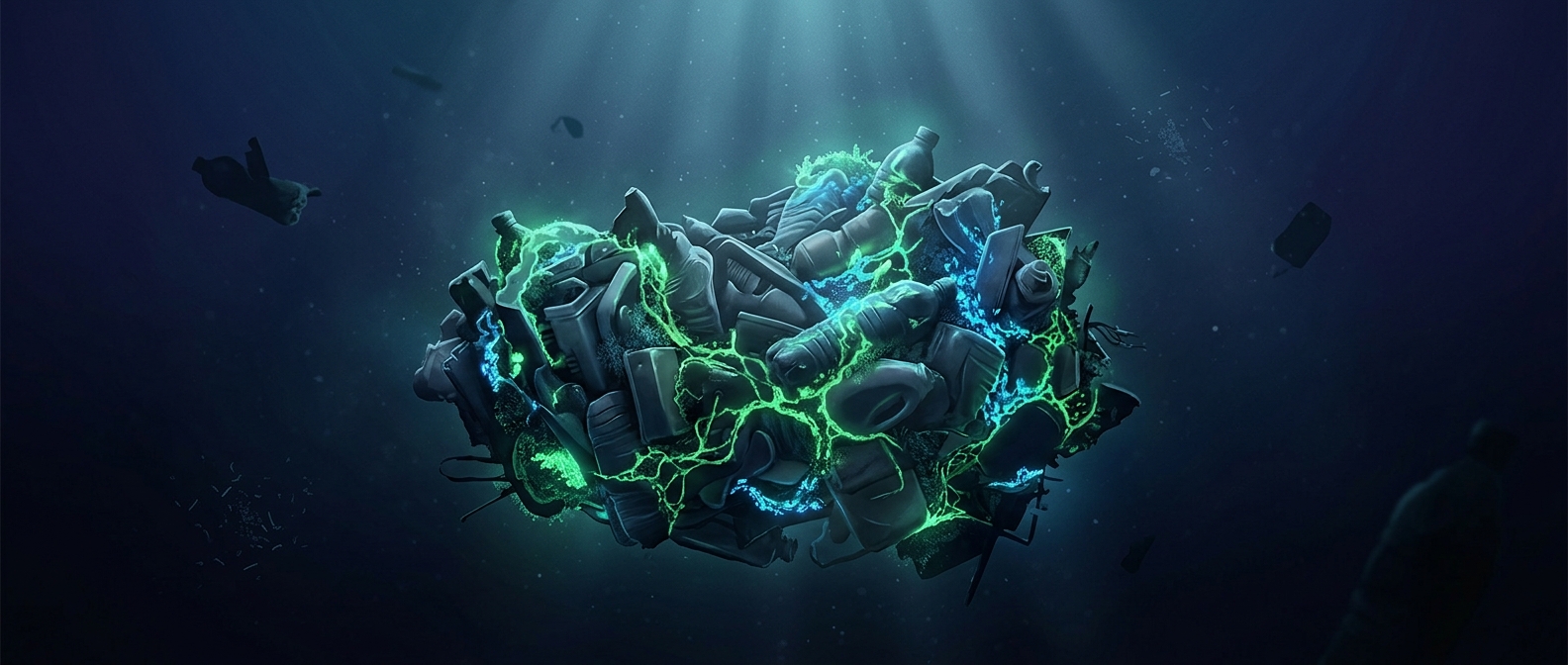
The strange ecosystem living on ocean plastic
Leave it to nature to look at a catastrophic human pollution crisis and see free real estate. The "Plastisphere" is a terrifying new ecosystem thriving on the…
Discover more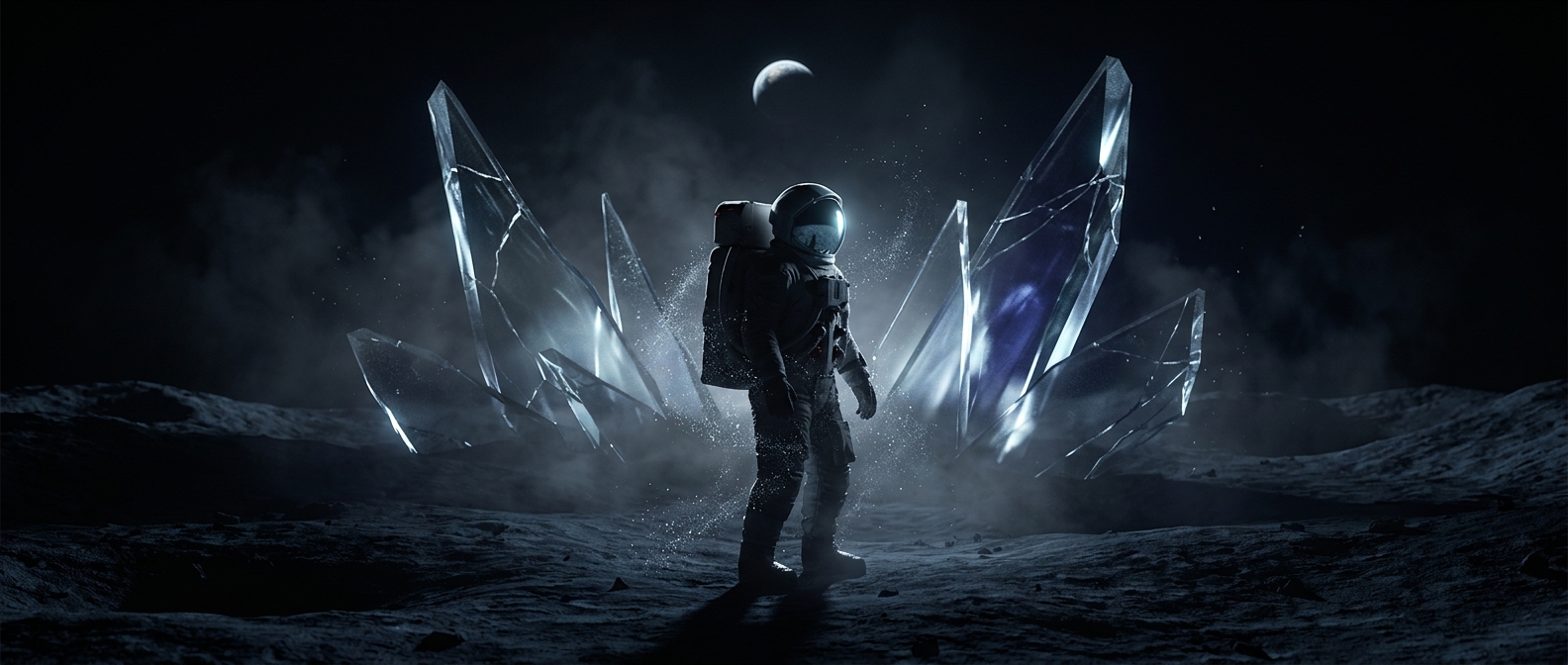
Moon dust could cut through spacesuits
Moon dust is not soft sand; it is a terrifying nightmare of microscopic, razor-sharp glass created by billions of years of meteorite impacts. Because there is…
Discover more STACKY FOR IPHONE
A bigger world.
One discovery
at a time.
Keep discovering with Stacky. Interesting facts in an app that is always within reach.
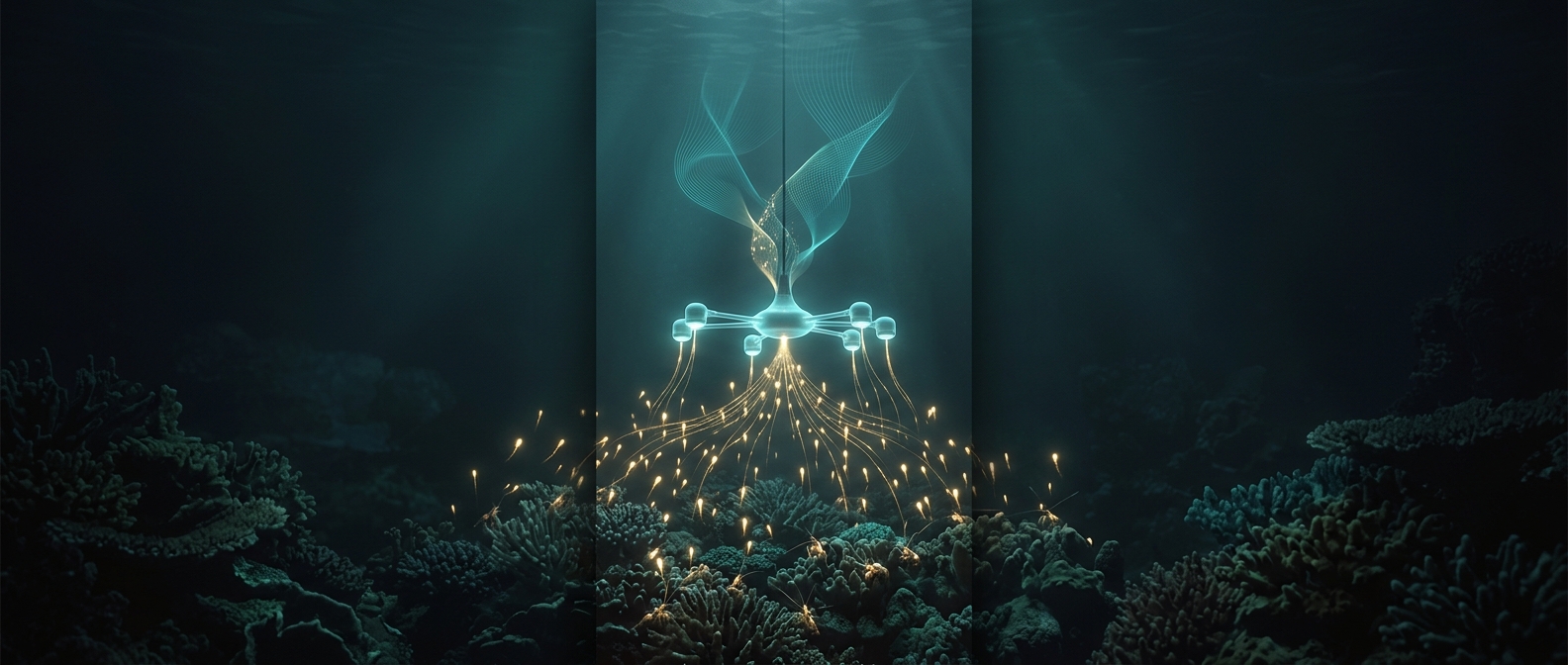
You can listen to a reef’s health
You don't need to look at a coral reef to know if it's dying; you just need to listen to the silence. Healthy reefs are deafeningly loud, crackling with the…
Discover more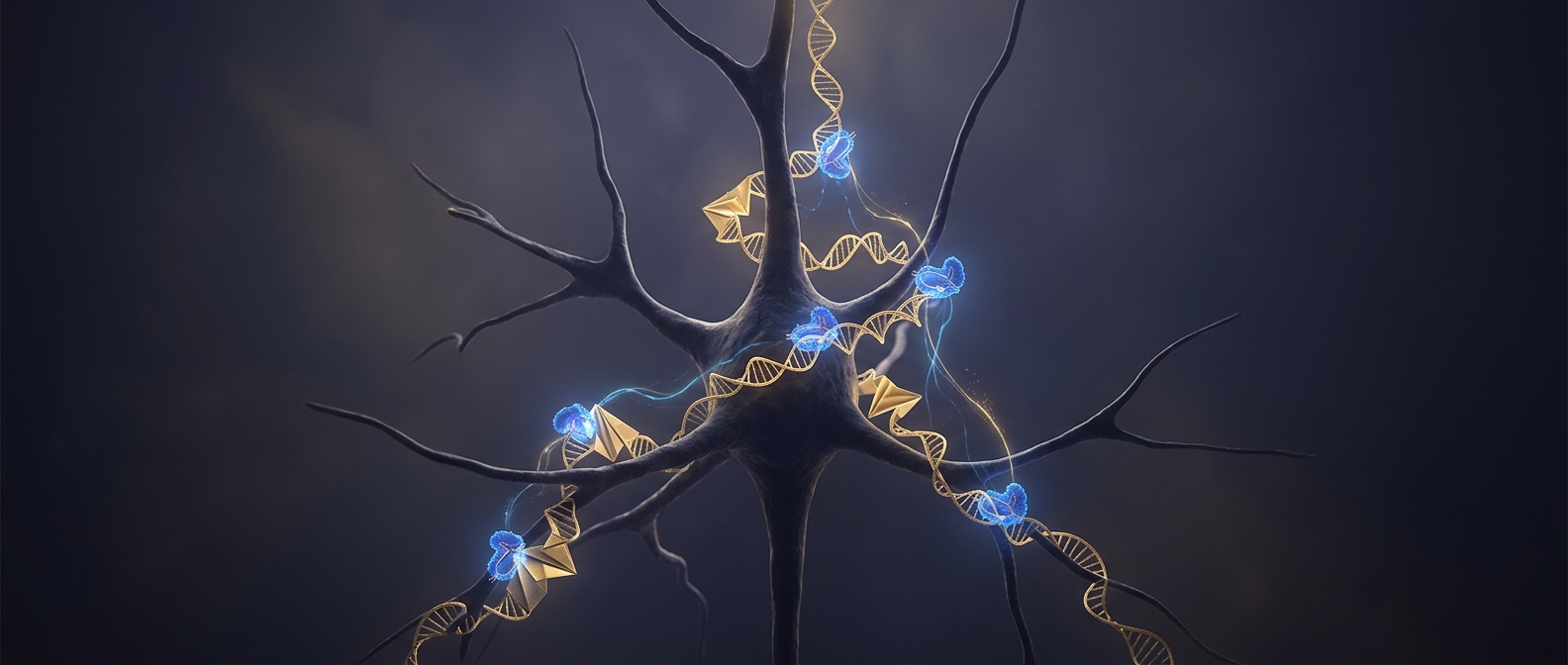
The same DNA can make a neuron—or a liver cell
Knowing the human genome is completely useless if you don't know how it's folded. Every cell in your body has the exact same DNA, but single-cell epigenomic…
Discover more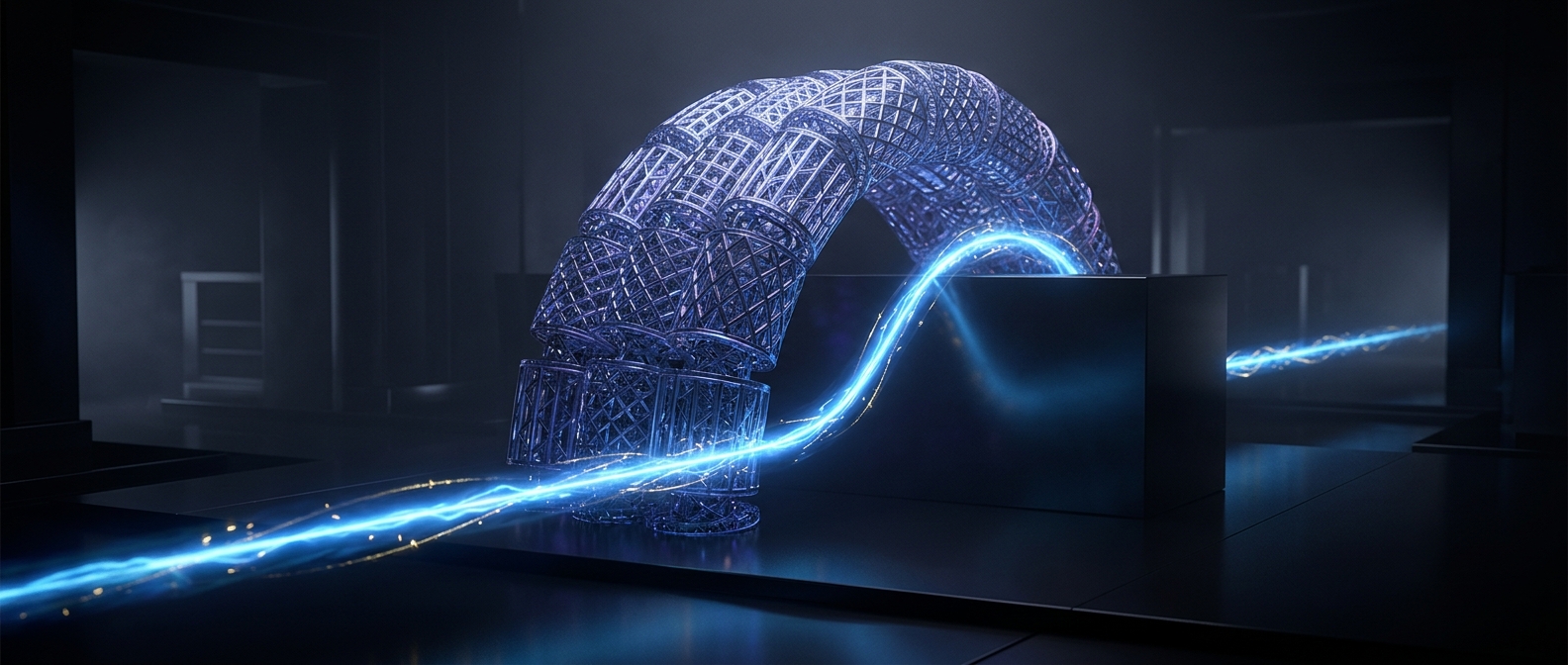
The cylinders that make microwaves bend around objects
Invisibility cloaks have officially graduated from fantasy novels into hard physics labs. By engineering metamaterials with repeating geometric structures…
Discover more
Why mangroves can outdo rainforests at storing carbon
We have spent decades treating rainforests like the ultimate carbon sponges, but coastal mangroves are quietly mocking our ignorance. The dense,…
Discover more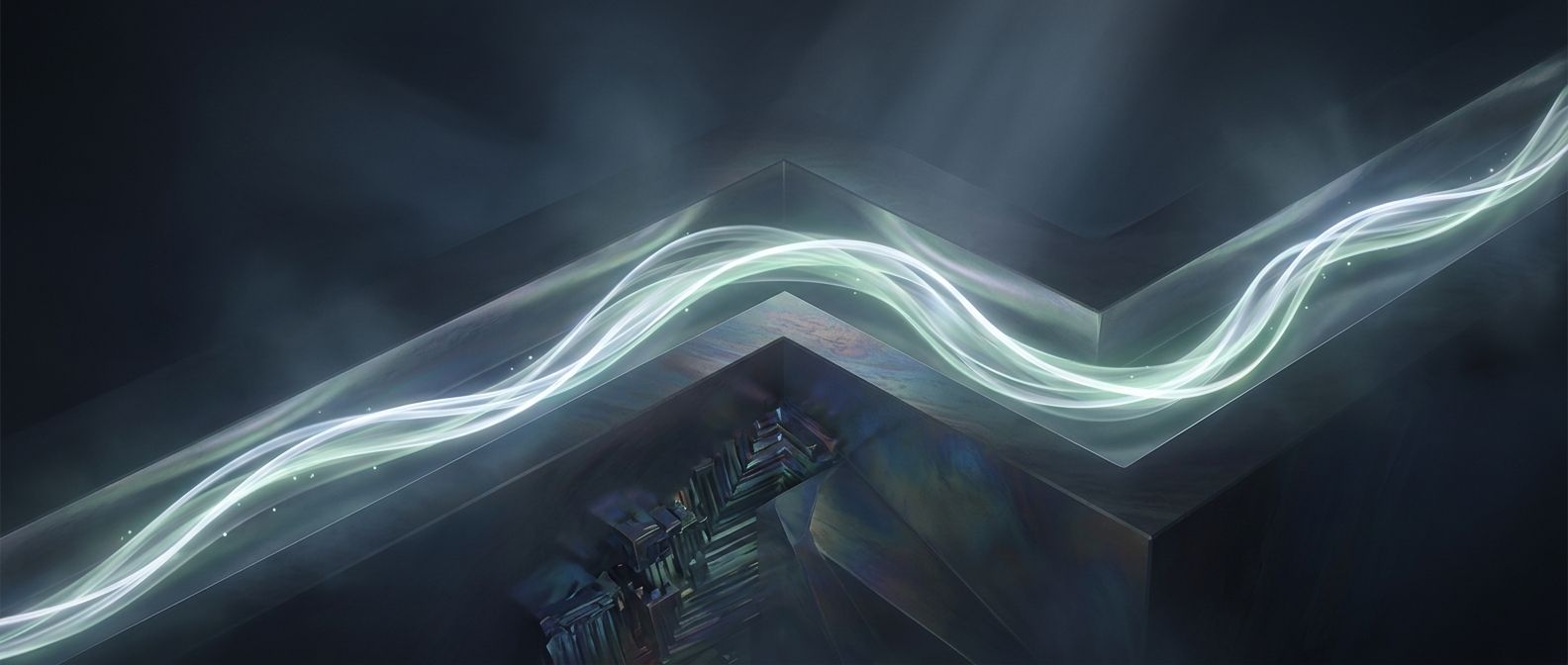
The material that sends light around sharp corners
Fiber optics are great until you bend them and the light aggressively scatters, ruining your data transmission. Enter topological photonic crystals:…
Discover more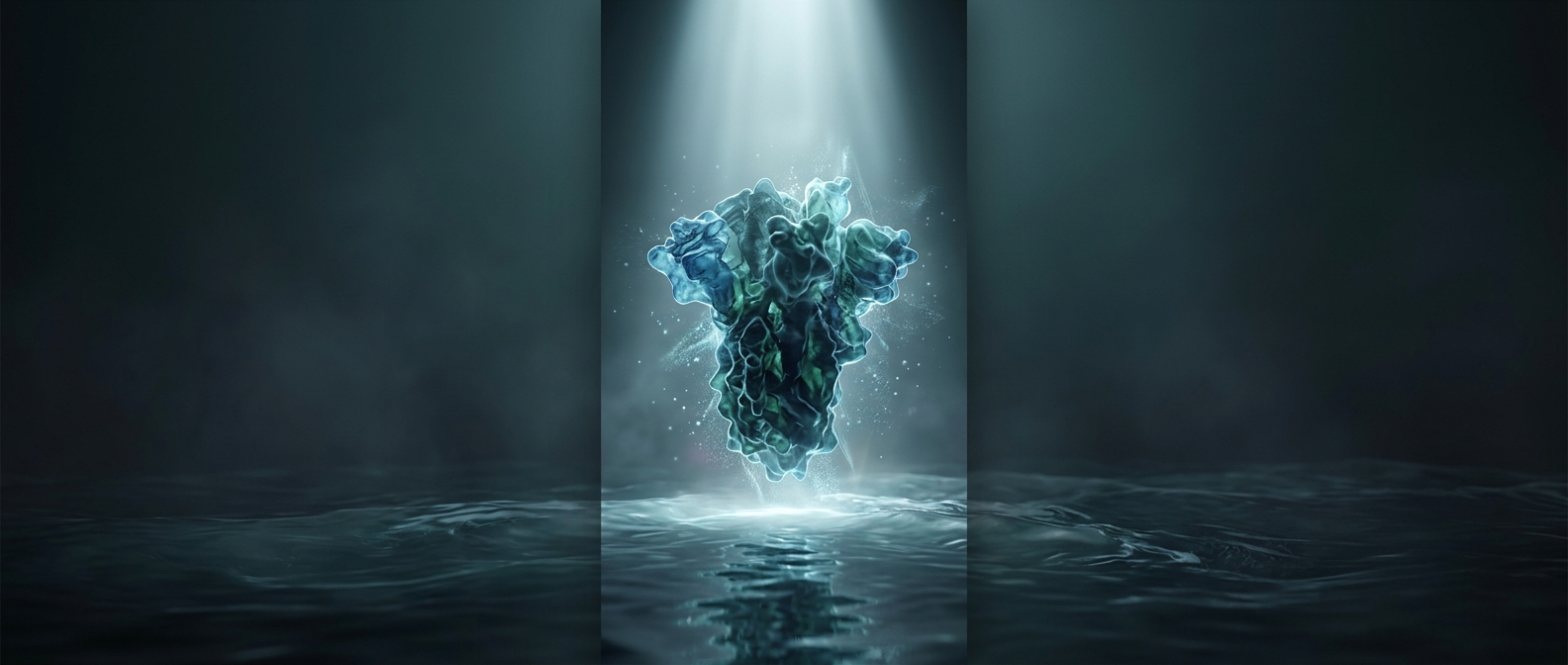
How scientists see SARS-CoV-2 proteins in 3D
You might think freezing things ruins them, but plunging a deadly virus into liquid ethane at -196°C actually preserves it perfectly in a glassy ice state.…
Discover more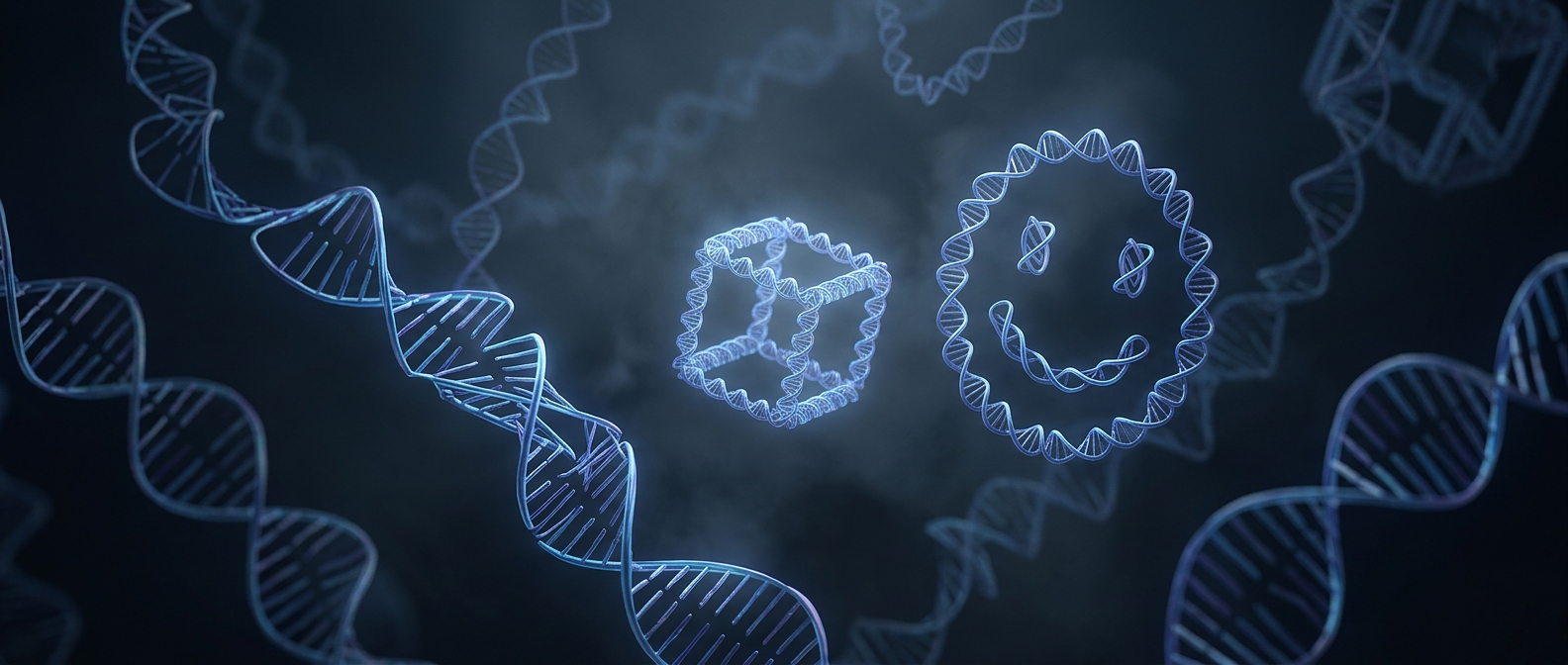
DNA can fold itself into microscopic machines
Why settle for generic nanoparticles when you can aggressively fold the building blocks of life into functional microscopic origami? Bioengineers have…
Discover more
How ocean microbes help make clouds
The weather forecast is surprisingly dependent on the microscopic flatulence of oceanic algae. CERN's massive CLOUD experiment sought to understand what…
Discover more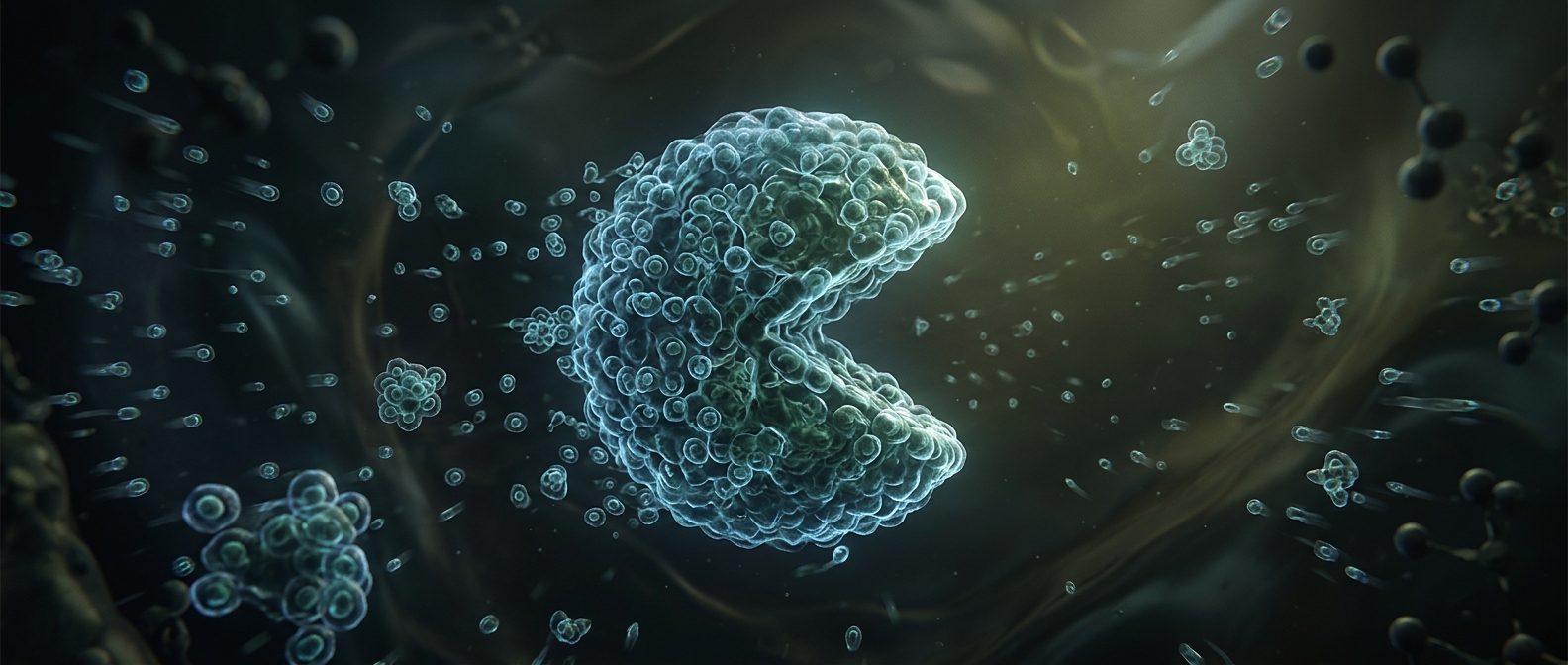
These frog-cell robots can assemble into Pac-Man shapes
Biological robots sound like a bad sci-fi trope, but scientists actually built them from the ground up. By scraping skin and heart stem cells from African…
Discover more
A magnet that stays chaotic even at absolute zero
Nature's refusal to let things settle down reaches its peak in Herbertsmithite. In standard magnets, electrons eventually align their spins as temperatures…
Discover more
The snail that wears armor made of iron
You’d think the crushing pressure and scalding heat of deep-sea hydrothermal vents would be enough to deter life, but the scaly-foot snail decided to thrive…
Discover more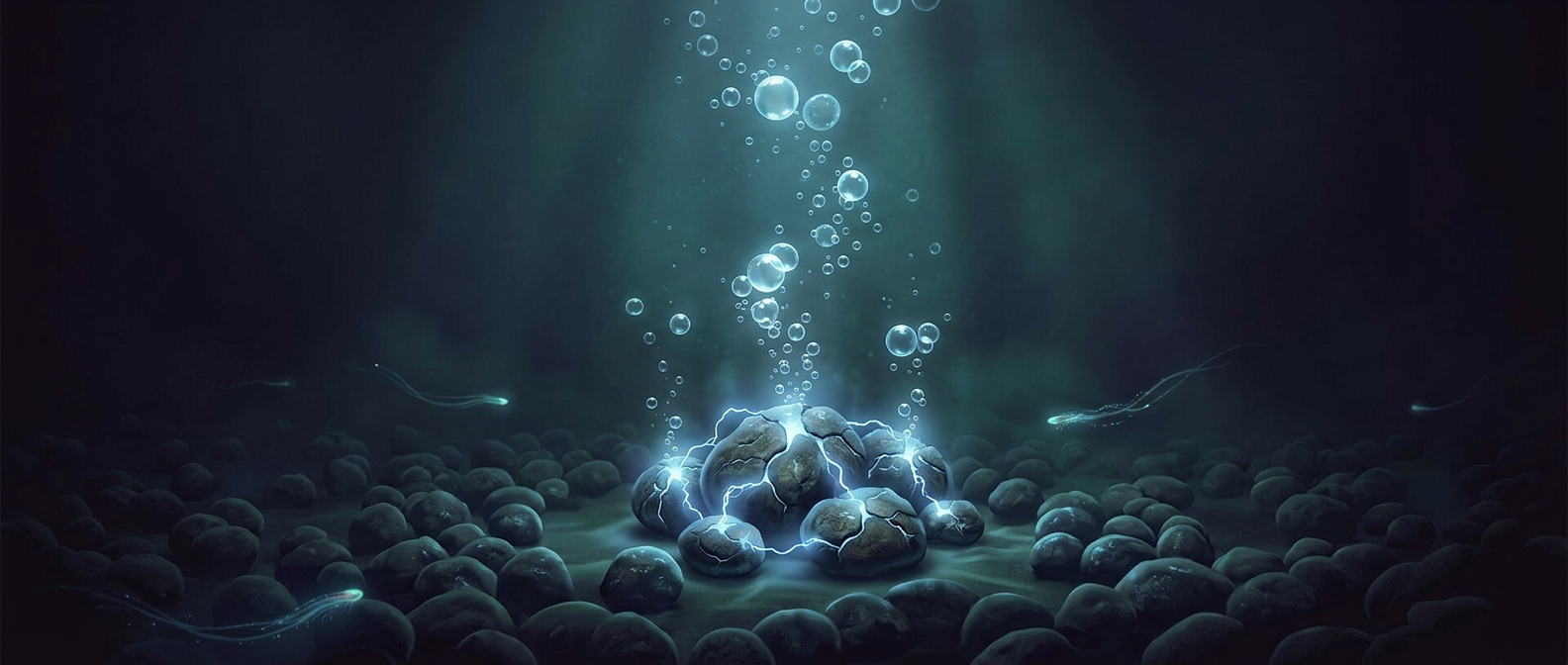
Deep-sea rocks may produce oxygen without sunlight
Photosynthesis is apparently for amateurs. Down in the abyssal plains of the Pacific Ocean, where absolutely no sunlight penetrates, metallic lumps called…
Discover more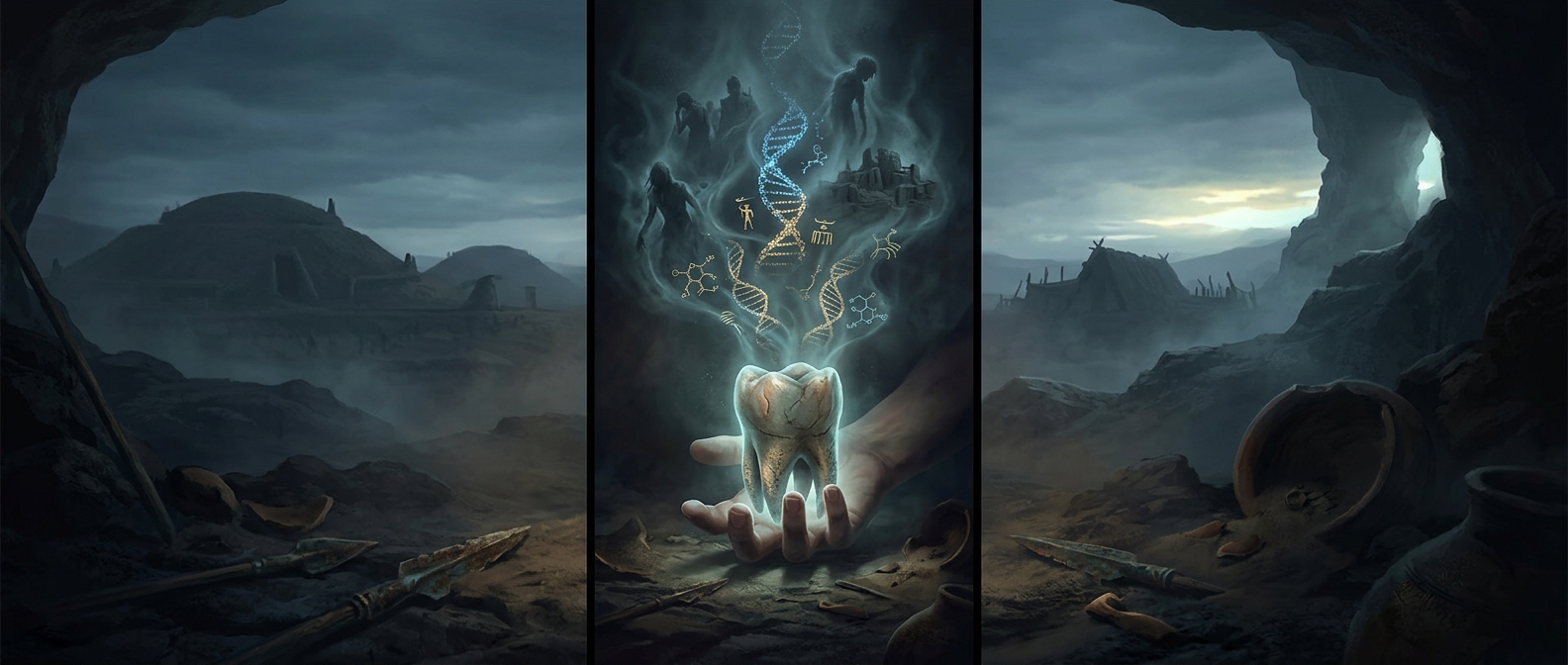
The plague bacteria existed thousands of years before the Black Death
History books lied to you about when the plague started its apocalyptic world tour. Using advanced paleogenomics, scientists extracted perfectly preserved DNA…
Discover more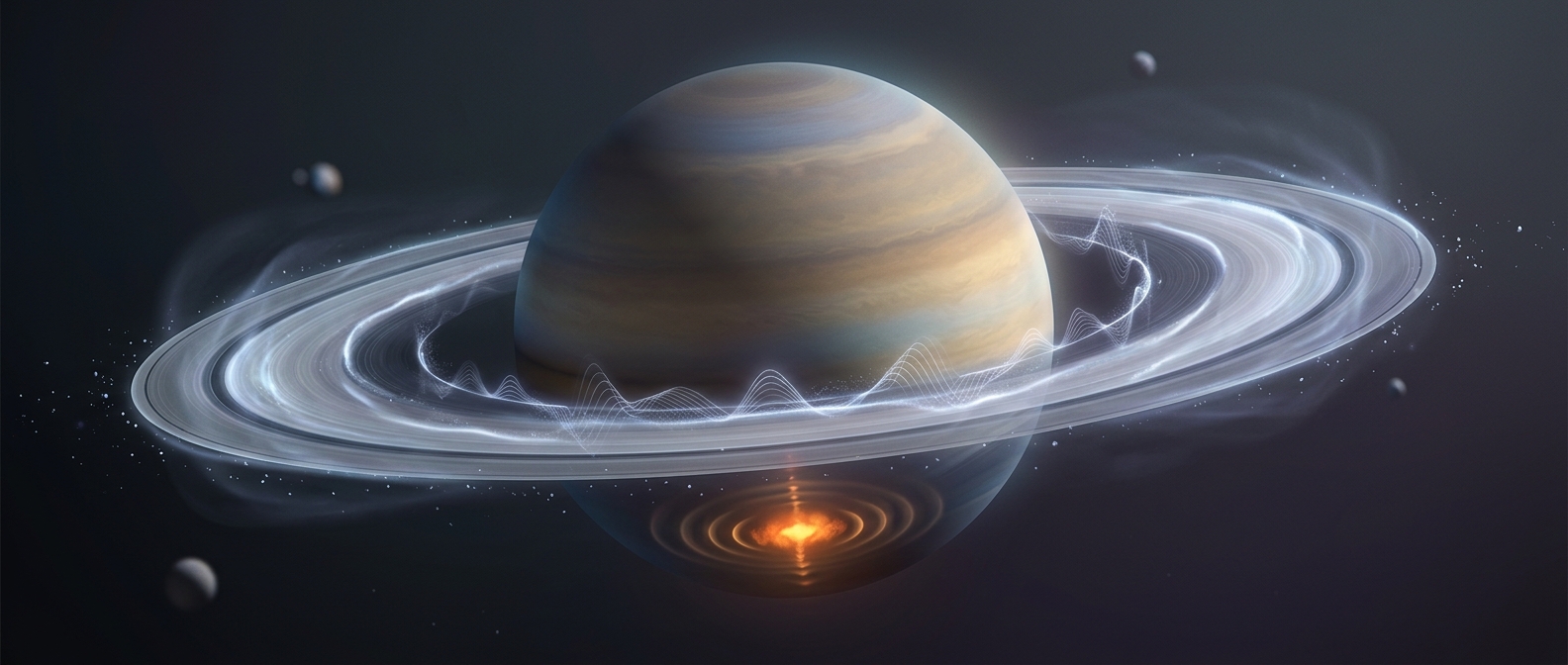
Saturn’s rings can reveal its hidden quakes
Saturn’s rings aren't just there for aesthetic space glamour; they are a spinning lie detector for the planet’s turbulent guts. Because Saturn is a gas giant…
Discover more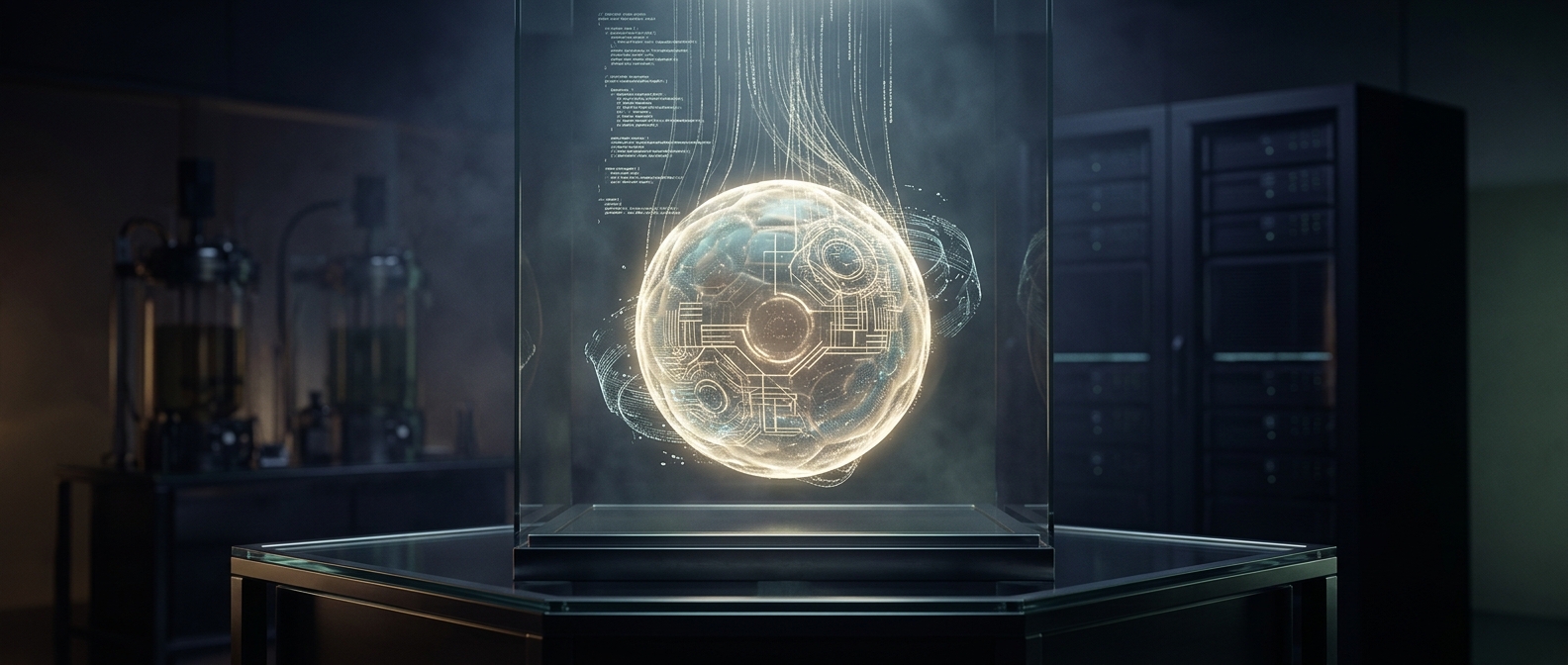
Scientists built a living organism from computer code
Playing God just got a massive software update. The Craig Venter Institute did not just tweak a genome; they designed an entire living organism from scratch…
Discover more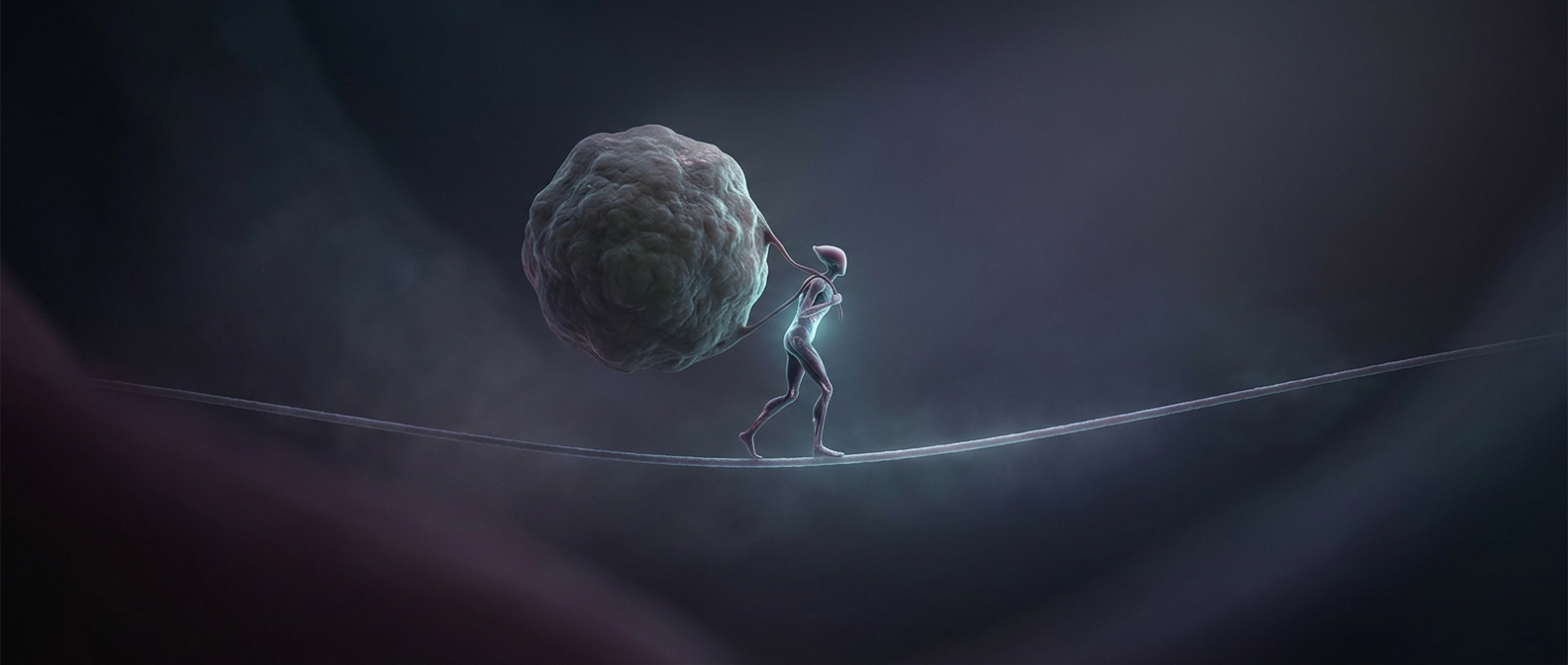
The tiny cellular motors that walk while carrying cargo
Your cells are basically running an Amazon fulfillment center on absolute overdrive. Inside every living cell, microscopic molecular motors called kinesins…
Discover more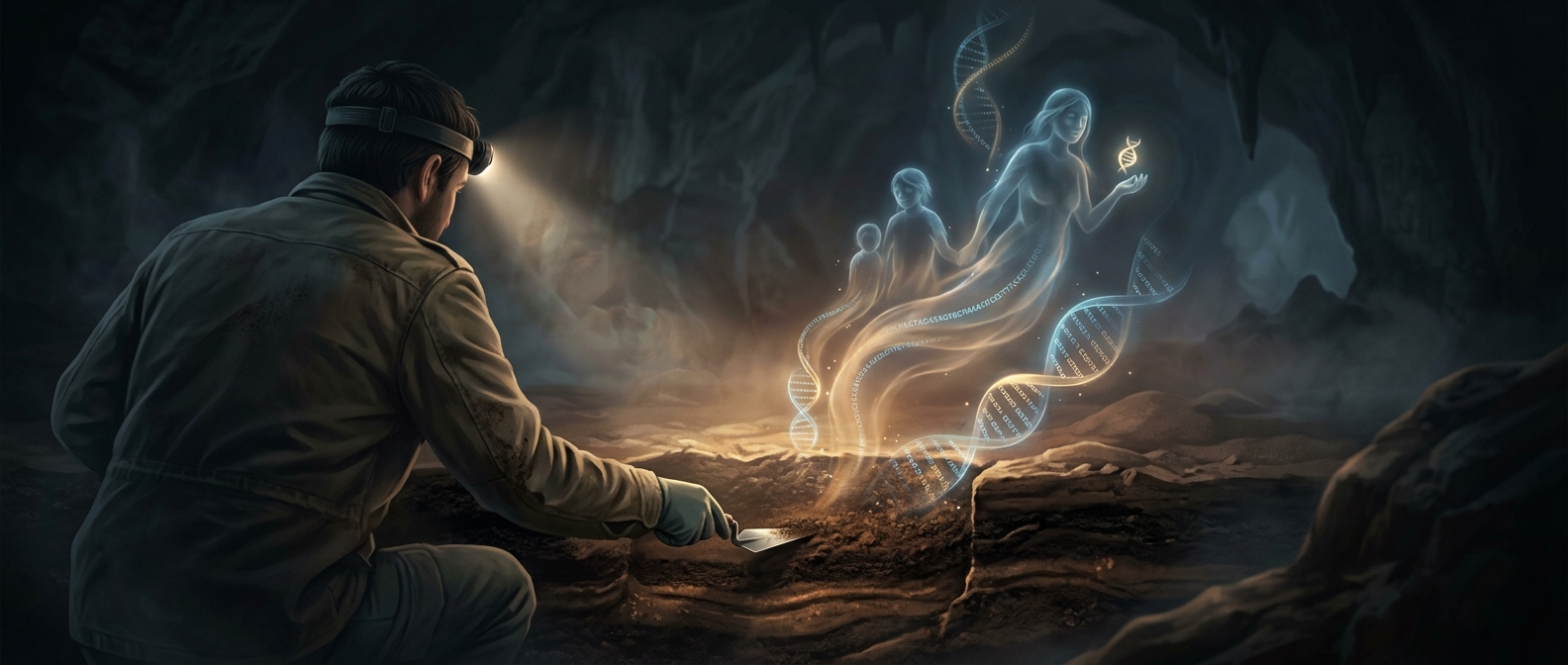
Extinct humans left DNA in cave dirt
Forensic science has reached the point of outright witchcraft. Researchers do not even need bones anymore to find extinct human species; they are pulling…
Discover more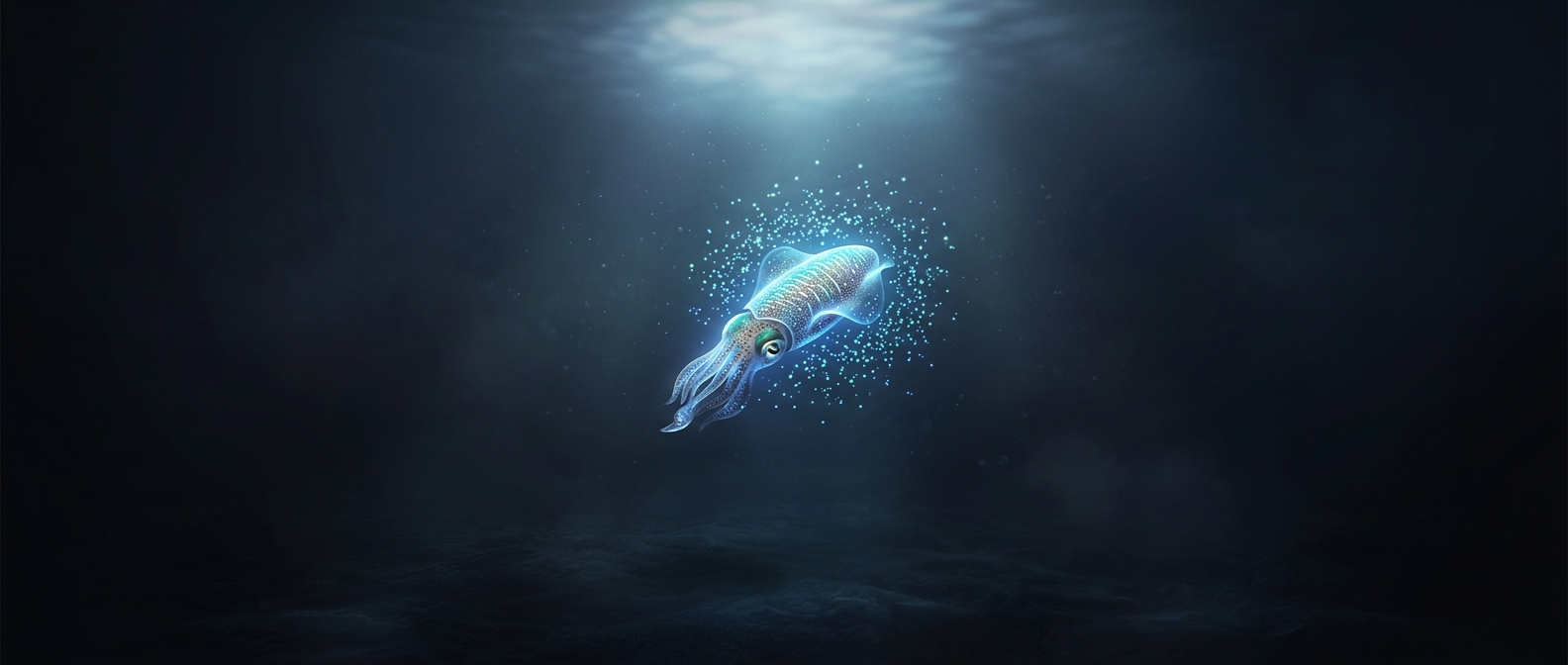
The squid that uses glowing bacteria as a cloak
In a masterclass of evolutionary espionage, the Hawaiian bobtail squid literally swallows bioluminescent bacteria to turn itself invisible. By capturing…
Discover more