How a 30,000-year-old virus could start an infection
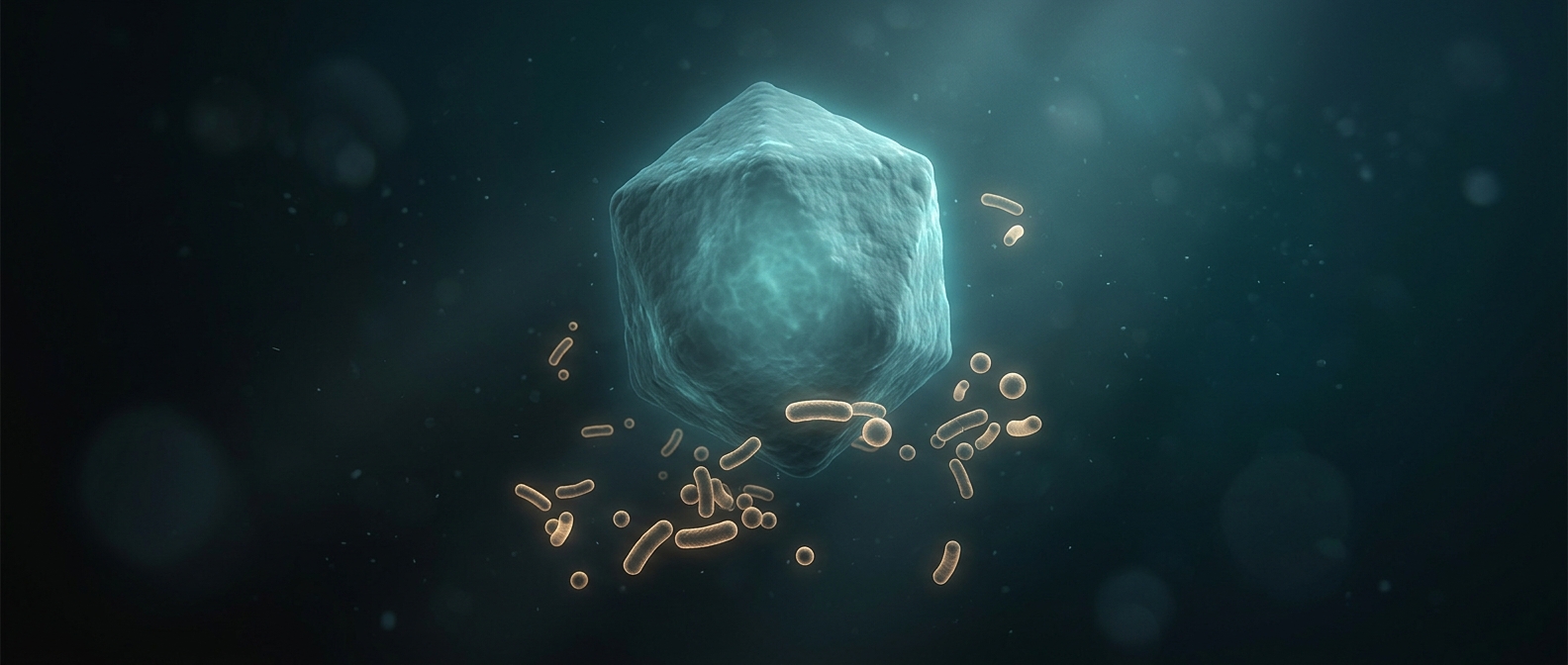
Pithovirus was recovered from Siberian permafrost—ground that has remained frozen for long periods—and tested against amoebas, the single-celled organisms that served as its hosts. The key result was not simply that virus-like material had survived: the recovered particles could still infect amoebas.
A virus does not grow or carry out its own metabolism the way a living cell does. Instead, it must get into a suitable host and use that cell’s machinery to make more virus. During deep freezing, Pithovirus was not actively infecting anything. Its ability to restart that process depended on enough of its structure and biological instructions remaining intact until it encountered a host again.
Frozen, not active
Permafrost can preserve biological material by keeping it cold and limiting the conditions that normally speed up chemical breakdown. But preservation is not automatic: over time, physical damage and chemical changes can still make a virus unable to infect. The experiment showed that, in this case, freezing had left Pithovirus functional after an extraordinary pause.
Pithovirus is unusually large for a virus, with particles visible through a light microscope. That made it easier for researchers to observe than most viruses, which are too small to see that way. Its size does not mean it can infect people: the reported test involved amoeba hosts. The striking implication is more specific—frozen ground can preserve at least some viruses well enough that a suitable host, even after thousands of years, can let their infection cycle begin again.