A massive skull, but no menu
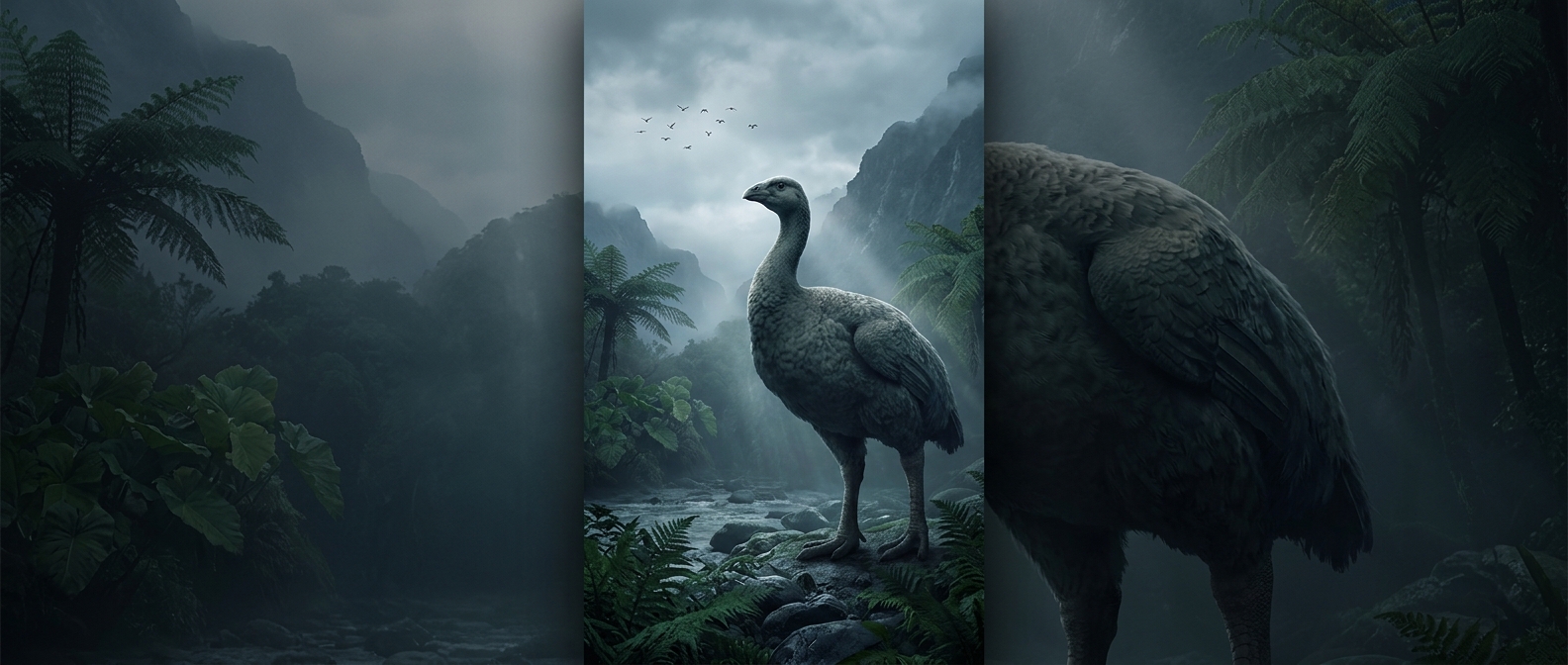
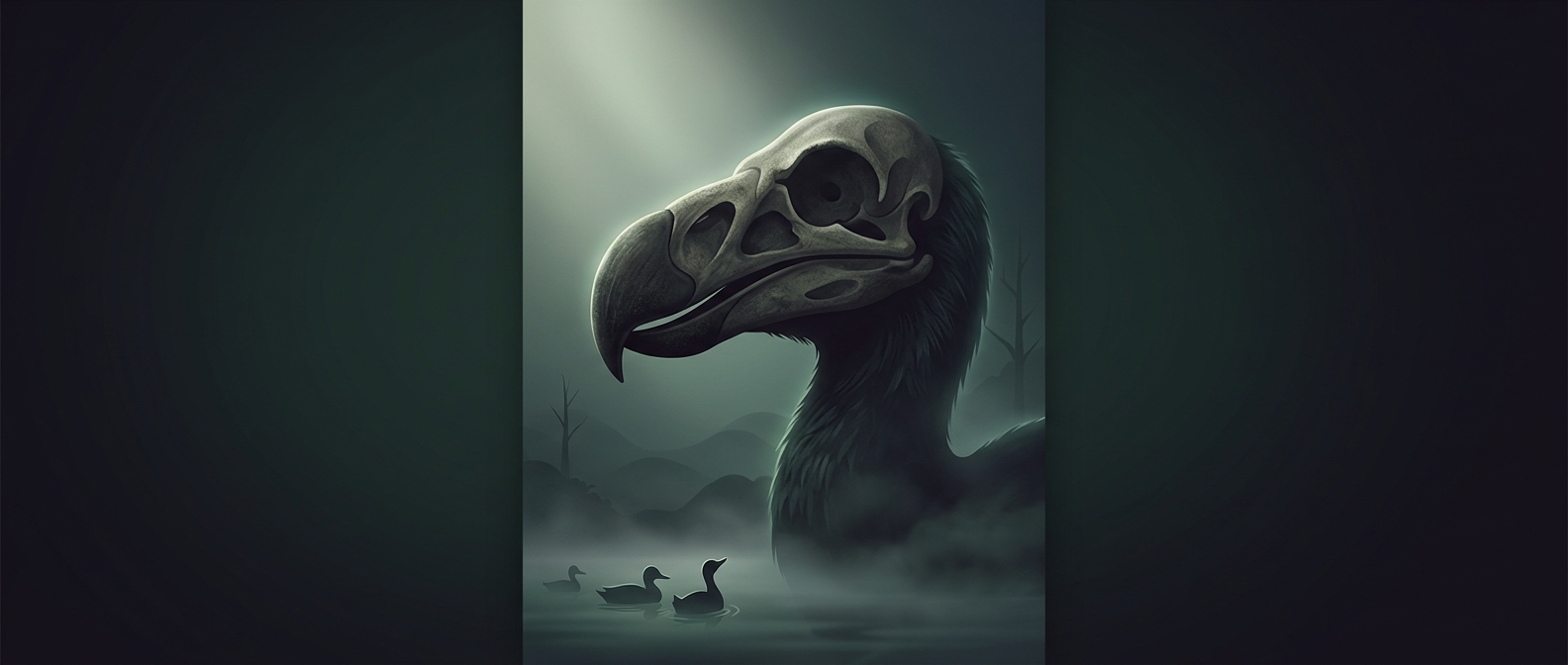
Bullockornis was a large, flightless bird that lived in Australia during the Miocene epoch. Its enormous skull and deep, powerful-looking beak gave it the nickname “demon duck.” The nickname captures its appearance, not a settled conclusion about how it lived—or what it ate.
A skull can reveal how an animal’s jaws were built and where muscles attached. Bullockornis’s sturdy head suggests it could generate substantial force with its beak. But force alone does not identify a diet: strong beaks can crack or crush different kinds of food, and the same feature may serve several purposes.
Why diet is harder to read than shape
Paleontologists have considered whether dromornithids such as Bullockornis ate plants or included animal food in their diet. The imposing beak has helped fuel carnivorous interpretations, while other features and comparisons with living birds have supported plant-eating possibilities. Neither a frightening outline nor a resemblance to a modern bird is decisive evidence.
Fossils preserve anatomy far more readily than meals. Unless a fossil directly preserves food remains or other clear dietary clues, researchers must infer feeding habits from bones, beak shape, wear, and comparisons—and those clues can be incomplete or open to more than one reading. For Bullockornis, the available evidence does not make its exact menu certain.
That uncertainty is the useful distinction: the skull is striking evidence of a powerful head, not a record of dinner. “Demon duck” tells us what people saw in the fossil; it cannot, by itself, tell us whether the bird was a plant-eater, a meat-eater, or something less neatly categorized.