How a pigeon relative became a giant island bird
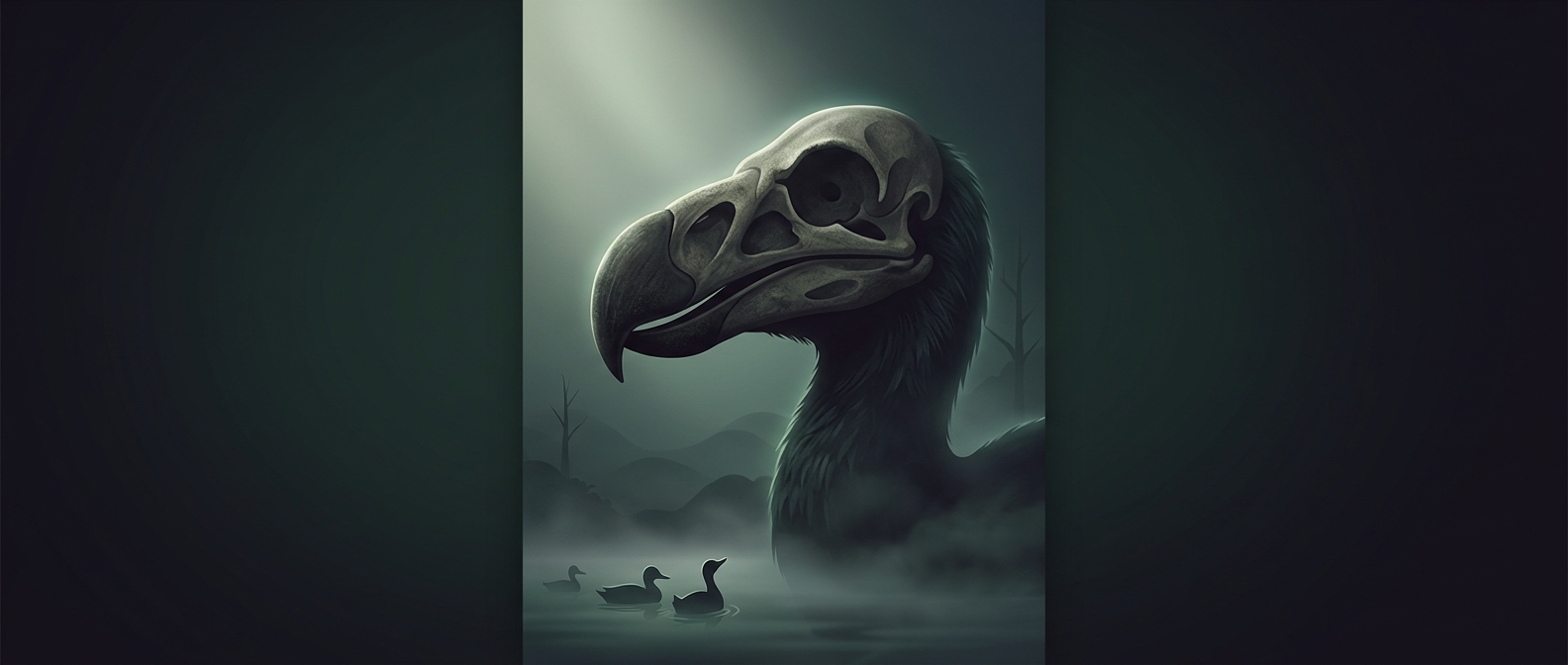
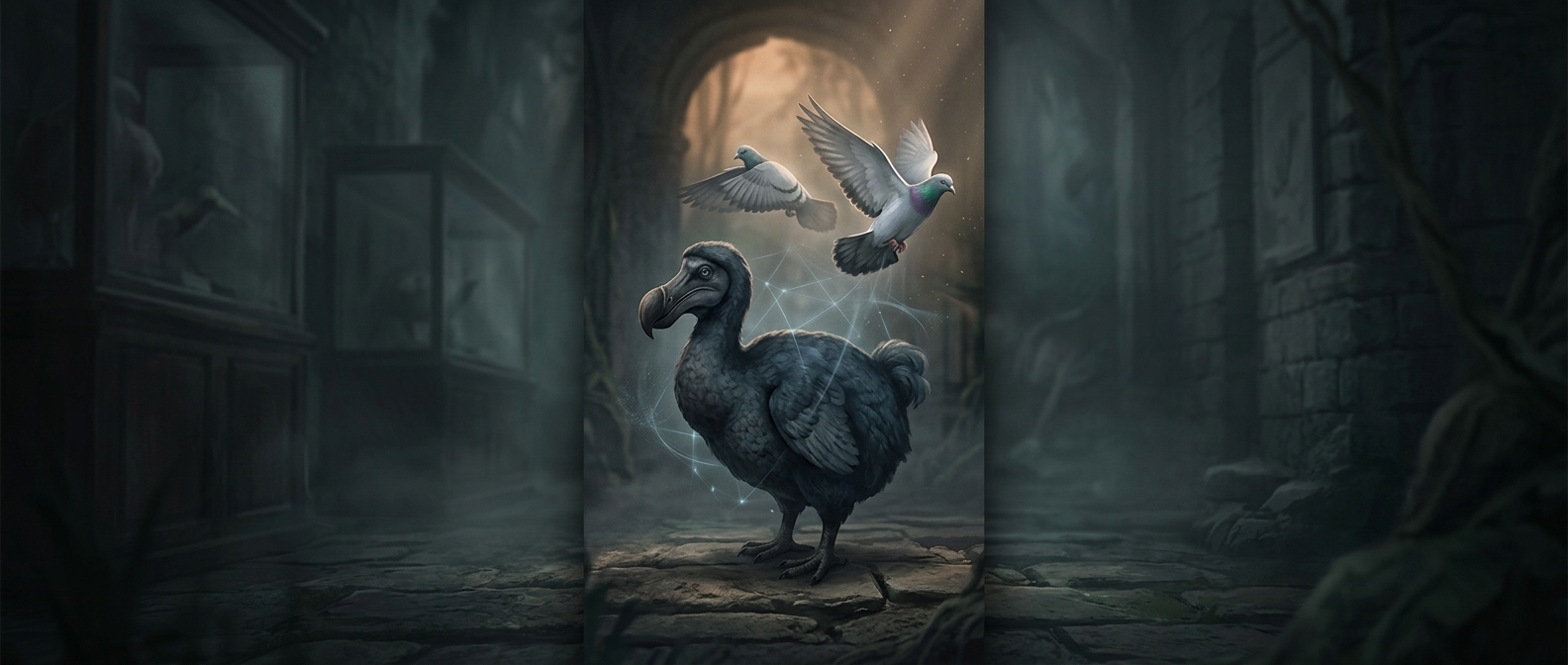
The dodo’s connection to pigeons is a matter of ancestry, not appearance. Birds in the pigeon family share a common evolutionary lineage, and the dodo’s closest living relative is the Nicobar pigeon. That relationship can be hard to picture because the dodo’s heavy body and tiny wings look so unlike the familiar city bird. But evolutionary relatives need not keep the same size or lifestyle: over many generations, populations can change as they adapt to different conditions.
When flight stops paying its way
On an island, the costs and benefits of flight can differ from those on a continent. Flying takes energy and requires a body built around powerful flight muscles and relatively light bones. If food is available on the ground and there is less pressure to escape predators by taking to the air, individuals that spend less on flight may do well. Across generations, that can favor reduced wings and a larger body.
This is not a deliberate choice by individual birds. Variation already exists within populations; those traits that help birds survive and reproduce become more common over time. The dodo’s ancestors were flying pigeons, but island life favored a very different form.
A family resemblance written in ancestry
The dodo was therefore neither an ordinary pigeon nor a bird that merely looked pigeon-like. It was a distinct, flightless member of the pigeon family, shaped by the ecological opportunities and pressures of island living. Its closest living relative, the Nicobar pigeon, offers a reminder that an evolutionary family tree can connect birds with strikingly different bodies.
The surprising takeaway is that flightlessness did not make the dodo less closely related to pigeons. It made the family resemblance less obvious to the eye.