When a goose’s body outgrew its wings
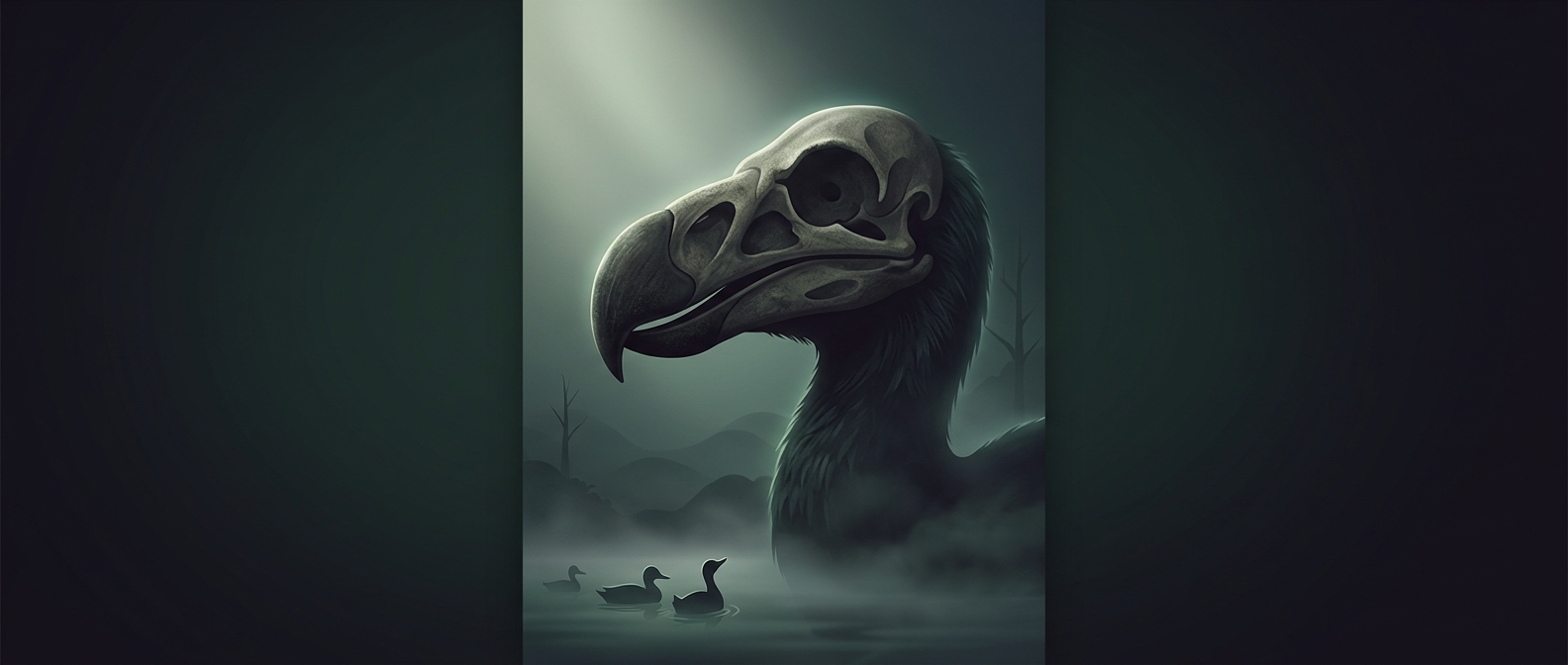
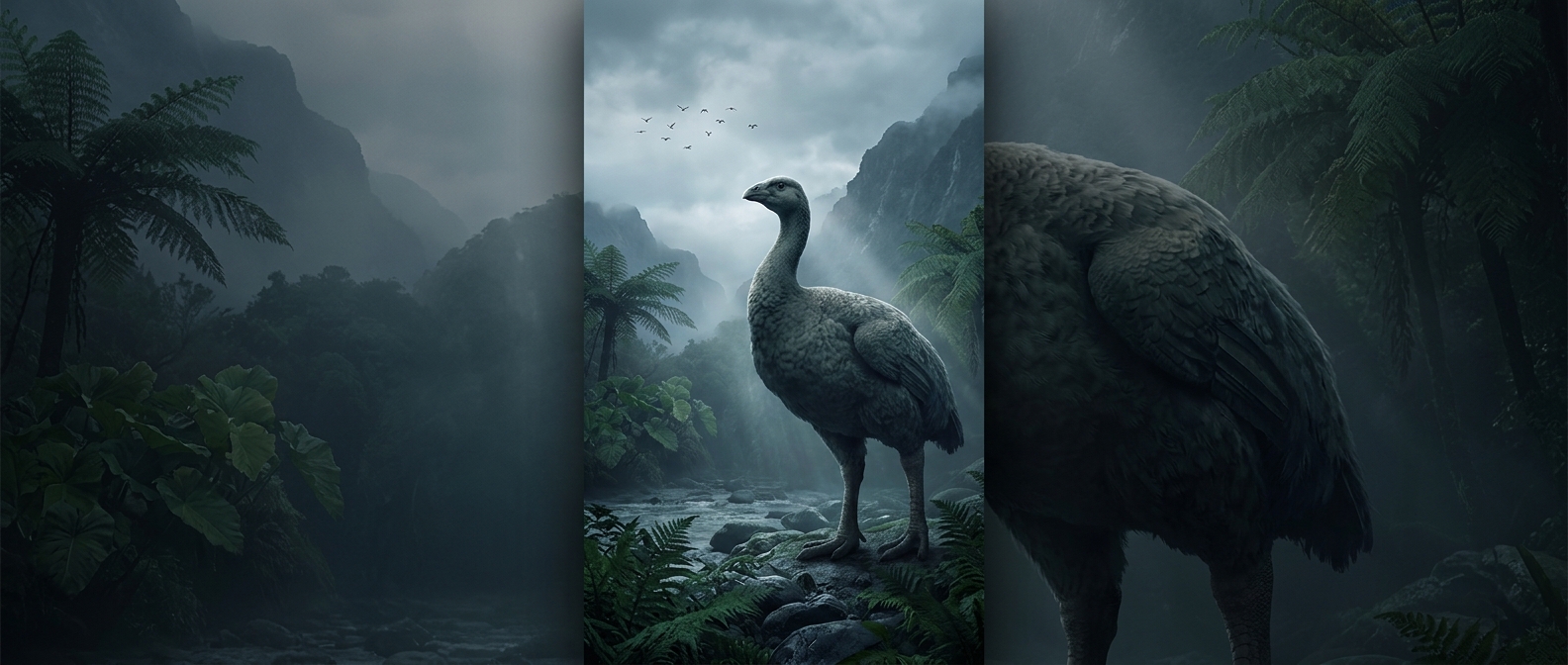
Cnemiornis was an extinct, flightless goose from New Zealand. Its size was not just a matter of appearance: getting a heavy body airborne takes enough lift to overcome its weight. Lift comes from air moving over the wings, so a bird needs wings and powerful flight muscles suited to the load. As a body grows heavier, taking off and staying aloft become harder unless the wings and muscles grow to match.
For Cnemiornis, that balance had tipped away from flight. Its wings could no longer provide a practical escape into the sky. Flightlessness did not mean it could not move quickly on land, but it removed one of a bird’s most useful ways to avoid danger.
The island trade-off
Flight is costly: maintaining flight muscles and the body systems that support sustained exertion takes energy. On islands where the usual pressures favoring flight are reduced, a bird can benefit from investing less in flight and more in a large body. Over generations, that trade-off can favor heavier, ground-dwelling birds.
But the change comes with a vulnerability. A flying bird can flee over an obstacle or leave a threat behind; a flightless one must rely on movement and other defenses on the ground. Cnemiornis’s impressive bulk was therefore both an adaptation and a limit: it made the bird large, but left it with no aerial exit when danger came.