How a dinosaur lineage survived the extinction
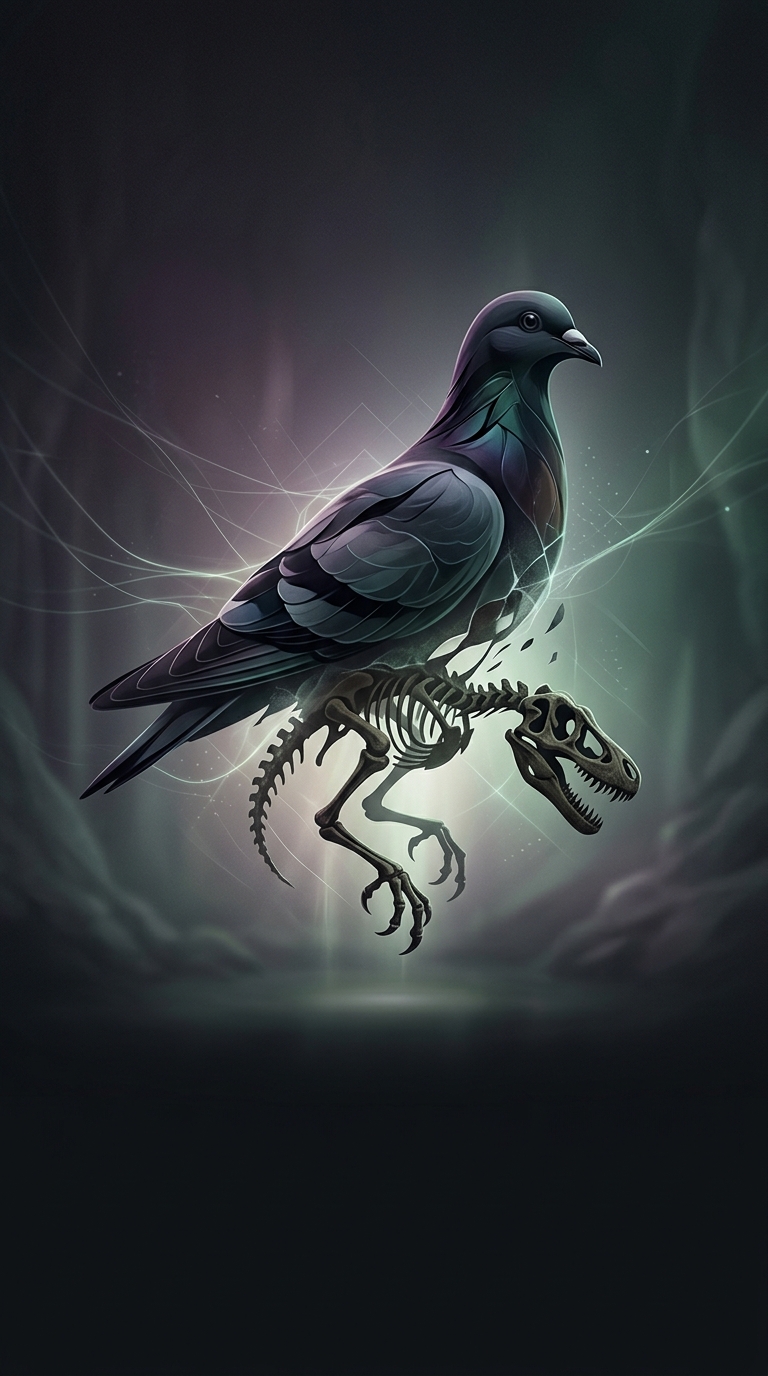
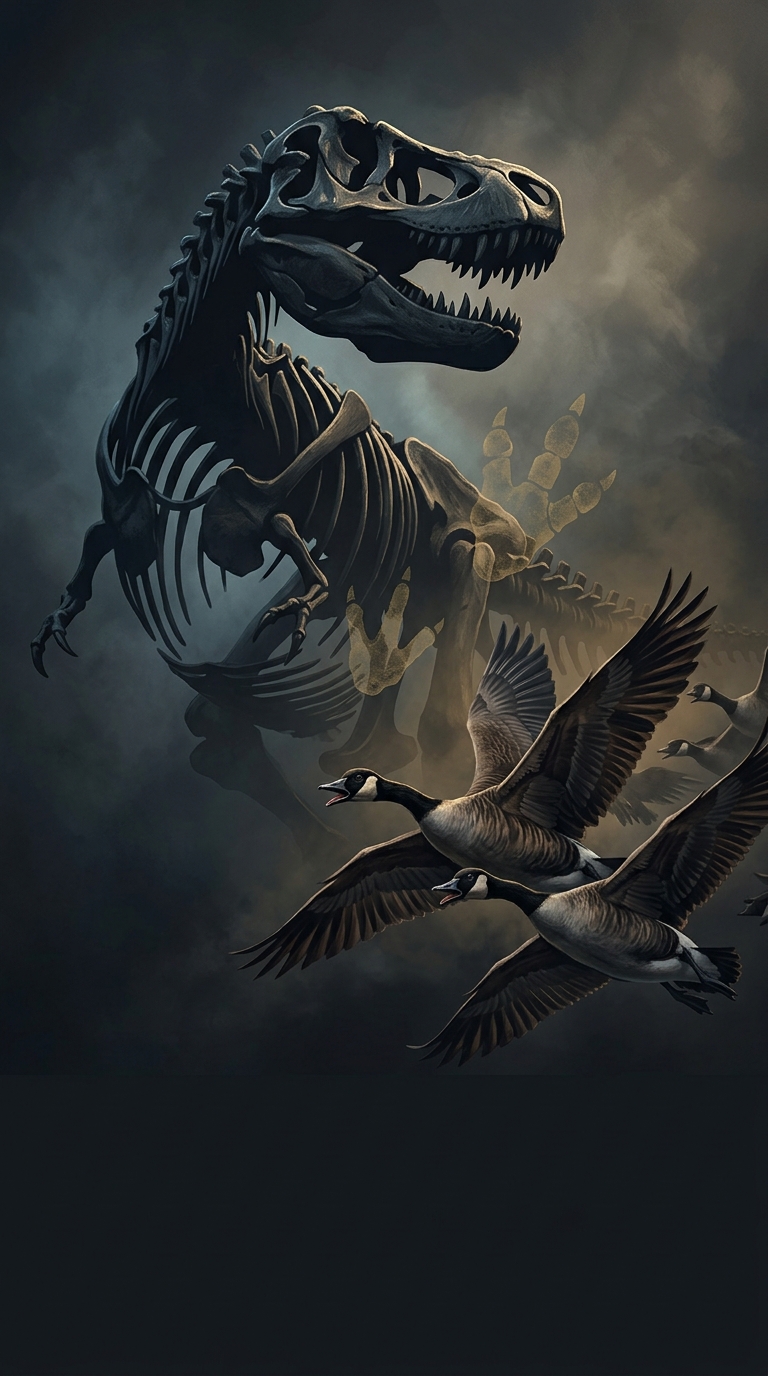
Birds belong inside the dinosaur family tree, not merely beside it. More specifically, they are living members of the theropod group—the branch that also included Tyrannosaurus rex and other two-legged dinosaurs. In evolutionary classification, that makes a sparrow or goose a dinosaur in the same basic sense that a human is a mammal.
About 66 million years ago, an asteroid impact triggered a global catastrophe that wiped out all non-avian dinosaurs. Some small, bird-like dinosaurs survived; their descendants diversified into the birds alive today. The exact reasons those survivors endured are complex, but their small size and ability to use varied food sources may have helped in a world where ecosystems had collapsed.
The clues are in the bones and feathers
The family connection is visible in anatomy. Birds have a furcula, the fused pair of collarbones commonly called a wishbone; related bones are found in many theropod dinosaurs. Many theropods also had hollow bones, though this feature was not unique to dinosaurs or birds. Fossils preserve another key clue: feathers existed among dinosaurs before they became adaptations for flight.
That sequence matters. Feathers can provide insulation or display, and their presence does not prove an animal could fly. Flight developed later in some branches as bodies and feathers changed. Modern birds inherited and elaborated on this ancient equipment.
A living branch, not a reenactment
A goose’s dinosaur status describes ancestry, not a claim that it behaves like a Velociraptor or T. rex. Its familiar anatomy reflects a lineage millions of years old; its parking-lot aggression is simply goose behavior. The remarkable part is that the dinosaur family tree did not end at the asteroid: one branch is still flapping past the cars.