A family tree, not an unbroken line
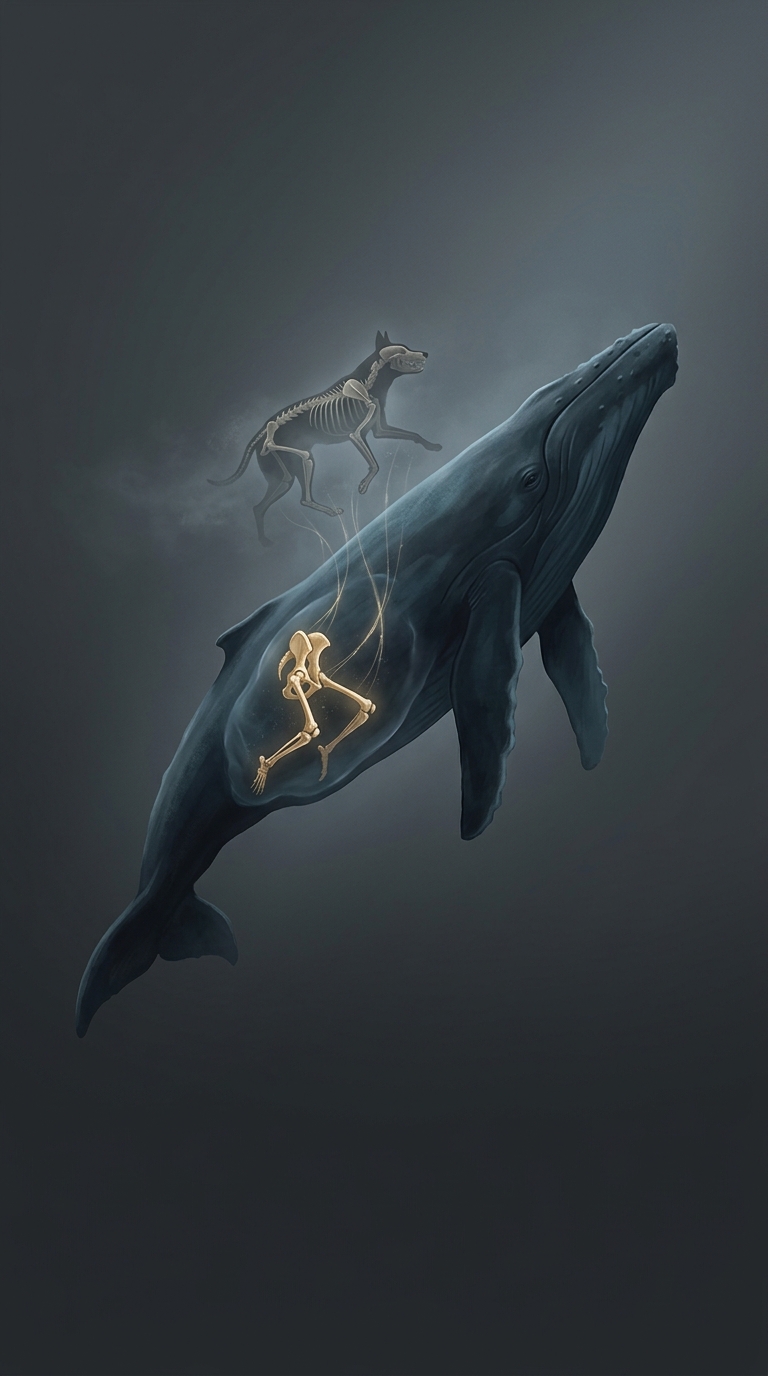
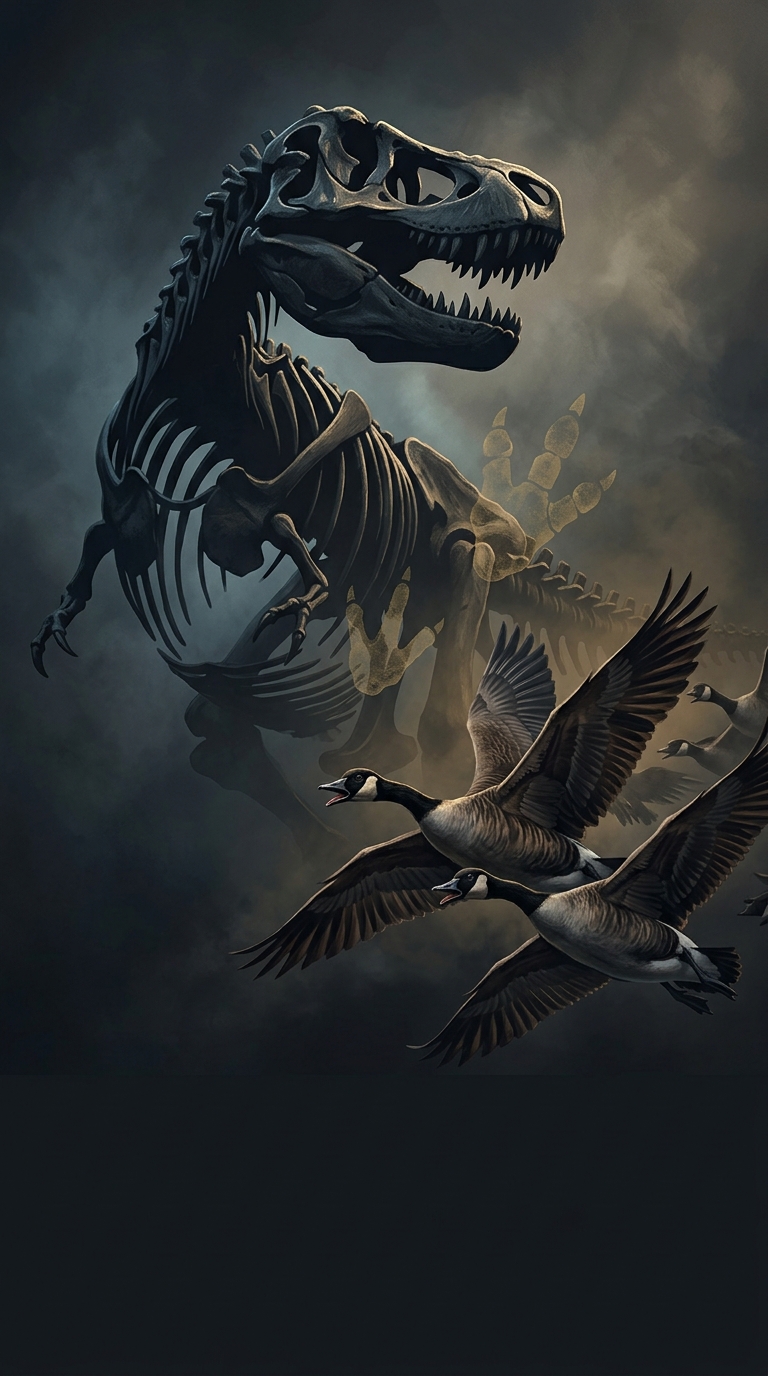
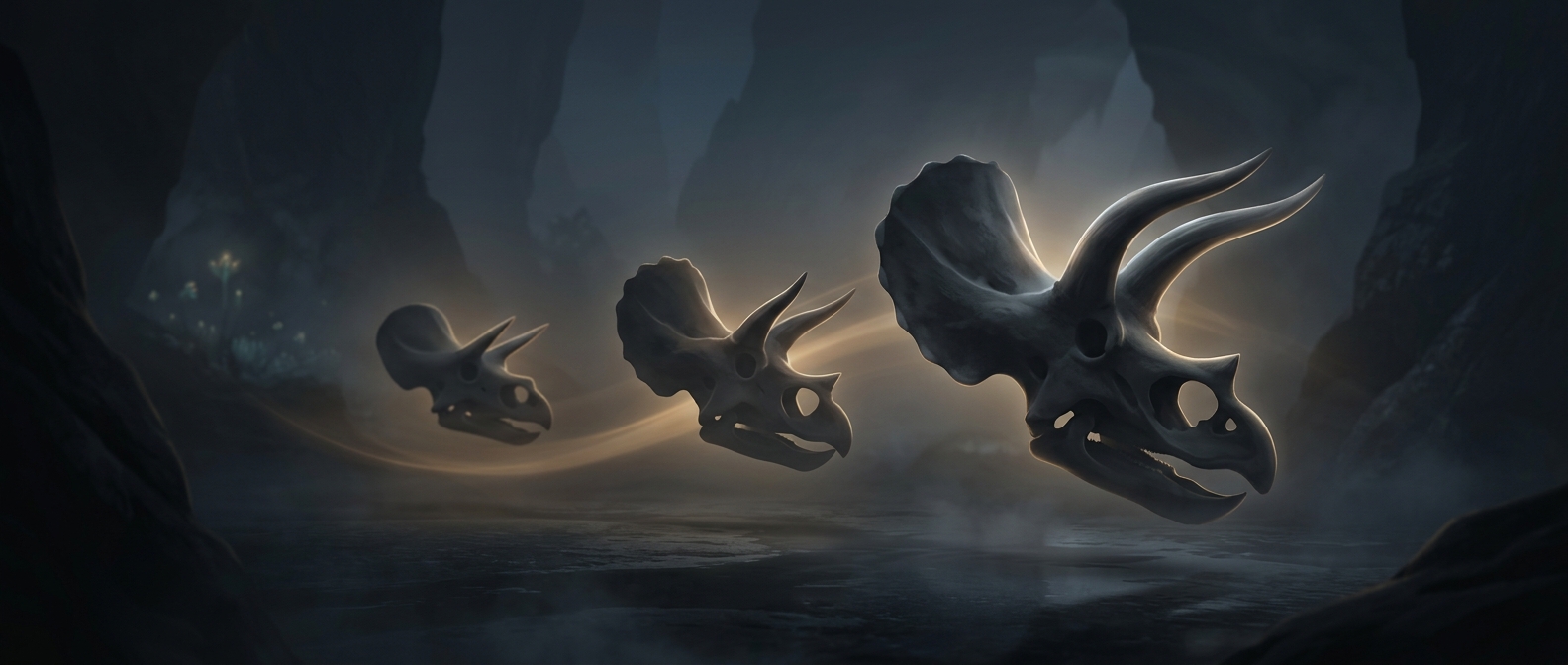
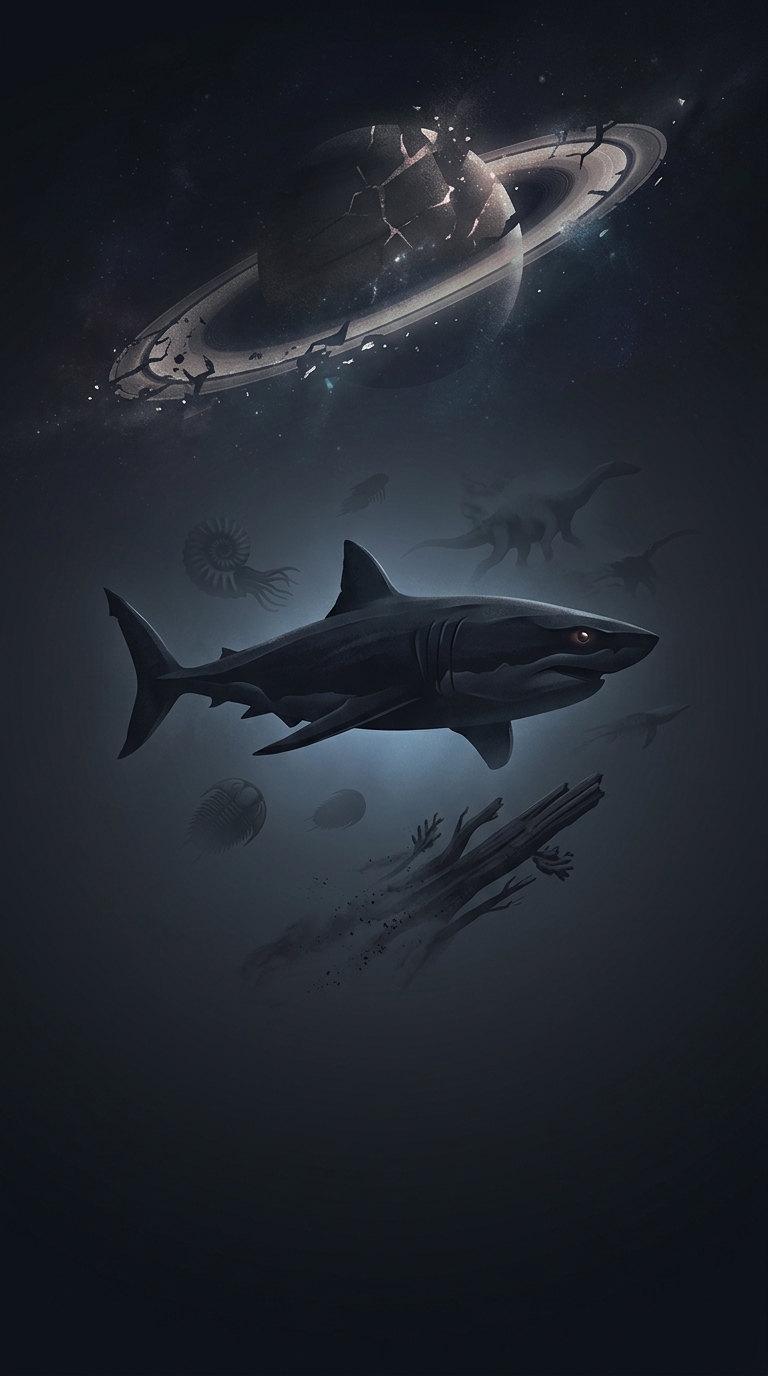
“Sharks” names a sprawling evolutionary branch, not one species that persisted unchanged. Over hundreds of millions of years, populations split, changed and sometimes died out. Each extinction could erase whole branches; surviving relatives later diversified into forms suited to the environments and ways of life that remained. The sharks alive today are the latest twigs of that history, not living replicas of its earliest members.
That distinction matters when comparing sharks with dramatic events such as mass extinctions. A group can endure even as many of its species disappear. Survival belongs to the lineage across generations, not to individual animals or an unchanging body design.
A record written mostly in teeth
Shark skeletons are made largely of cartilage, the flexible tissue found in a human nose and ears. Cartilage usually fossilizes less readily than bone, so the ancient record is often fragmentary. Durable teeth and occasional preserved scales provide much of the evidence scientists use to trace early shark relatives. Because isolated fossils offer only pieces of the story, the precise shape of the earliest branches can be difficult to reconstruct.
This uneven record helps explain why “sharks first appeared” is best understood as a milestone in the evidence, not a snapshot of a single origin. What survives in stone is a changing family tree: recognizable enough to connect distant eras, but full of lost species and branching histories between them.