What a Whale’s Pelvis Still Does
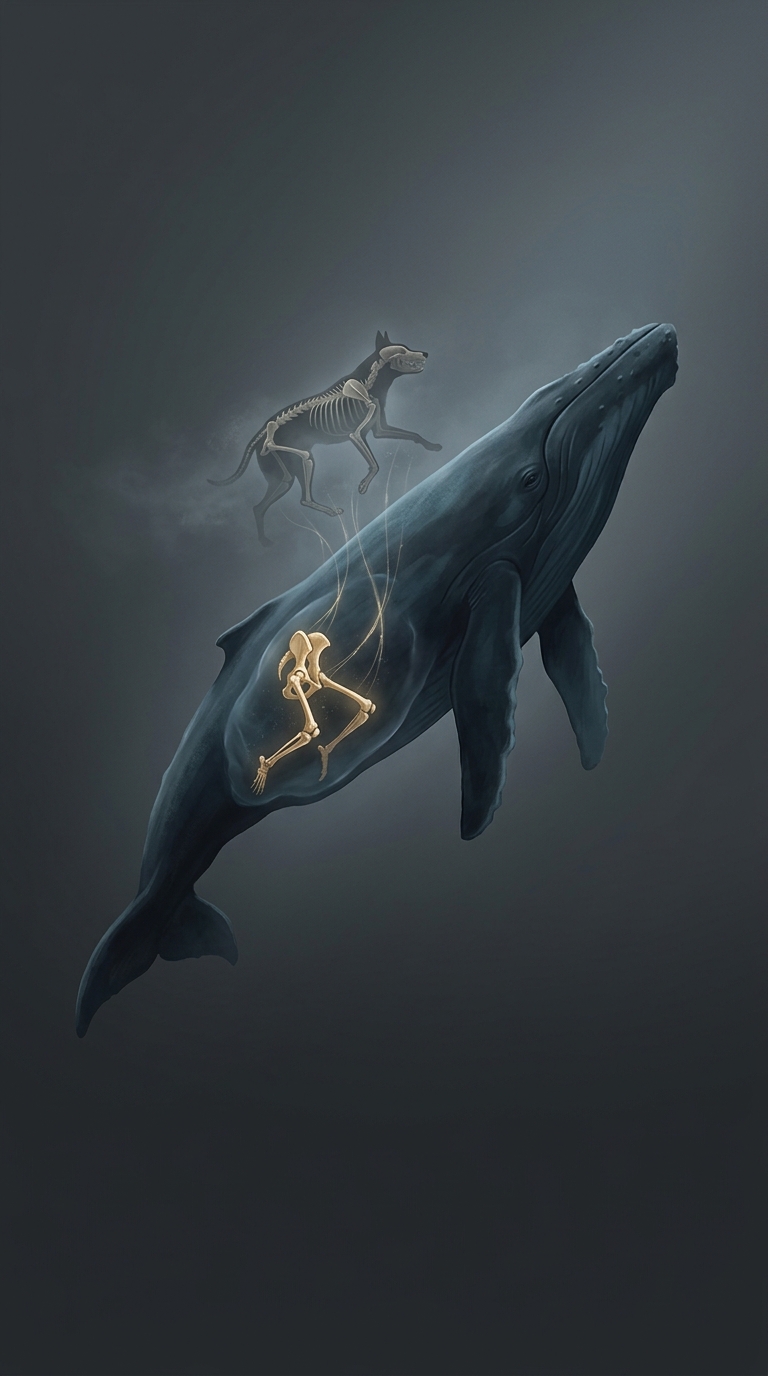
A whale’s small pelvic bones are not connected to its backbone, as a walking mammal’s pelvis is. Instead, they sit within the body’s soft tissue, where muscles attach to them. That arrangement reflects a major change in function: the bones no longer support hind legs or transfer the force of walking, but they remain useful as anchors for muscles involved in reproduction.
In male whales, pelvic muscles help control movement of the penis. In females, the bones likewise provide attachment points for muscles associated with the reproductive tract. The exact anatomy varies among species, but the basic principle is the same: a structure can lose its original job while retaining—or acquiring—another one.
A Body Plan Reworked for Water
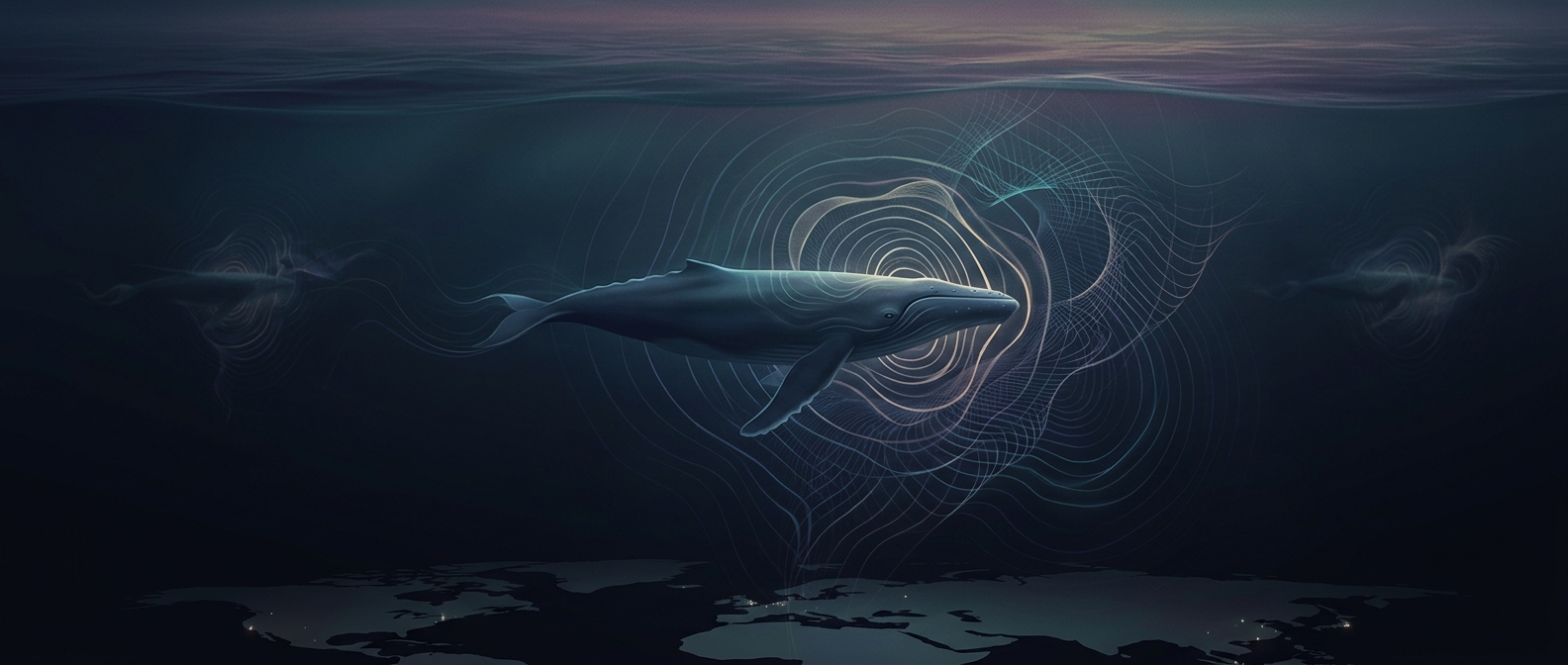
Whales descended from land-dwelling mammals whose ancestors had four limbs and a pelvis joined to the spine. Over many generations, as whale ancestors adapted to life in water, the hind limbs shrank and disappeared externally. The pelvis no longer needed to brace a body against the ground, so it became reduced and detached from the spinal column.
That reduction did not require every pelvic part to vanish. Evolution modifies existing anatomy through changes that help an organism survive and reproduce; it does not rebuild a body from scratch. If a bone remains useful as a muscle anchor, natural selection can preserve it even after its earlier role is gone.
A Clue, Not a Working Leg
Anatomists call a reduced structure like this vestigial: it is inherited from ancestors but has lost much or all of its original function. The term does not mean “worthless.” Whale pelvic bones are not miniature legs waiting to grow back; they are altered remnants with present-day roles.
Their position and reduced form make them a telling trace of the transition from land to sea. The bones record an older body plan, while their muscle attachments show how that inherited anatomy was repurposed for life in water.