Science
Discover facts about science. Small discoveries that change the way you see familiar things.
Science
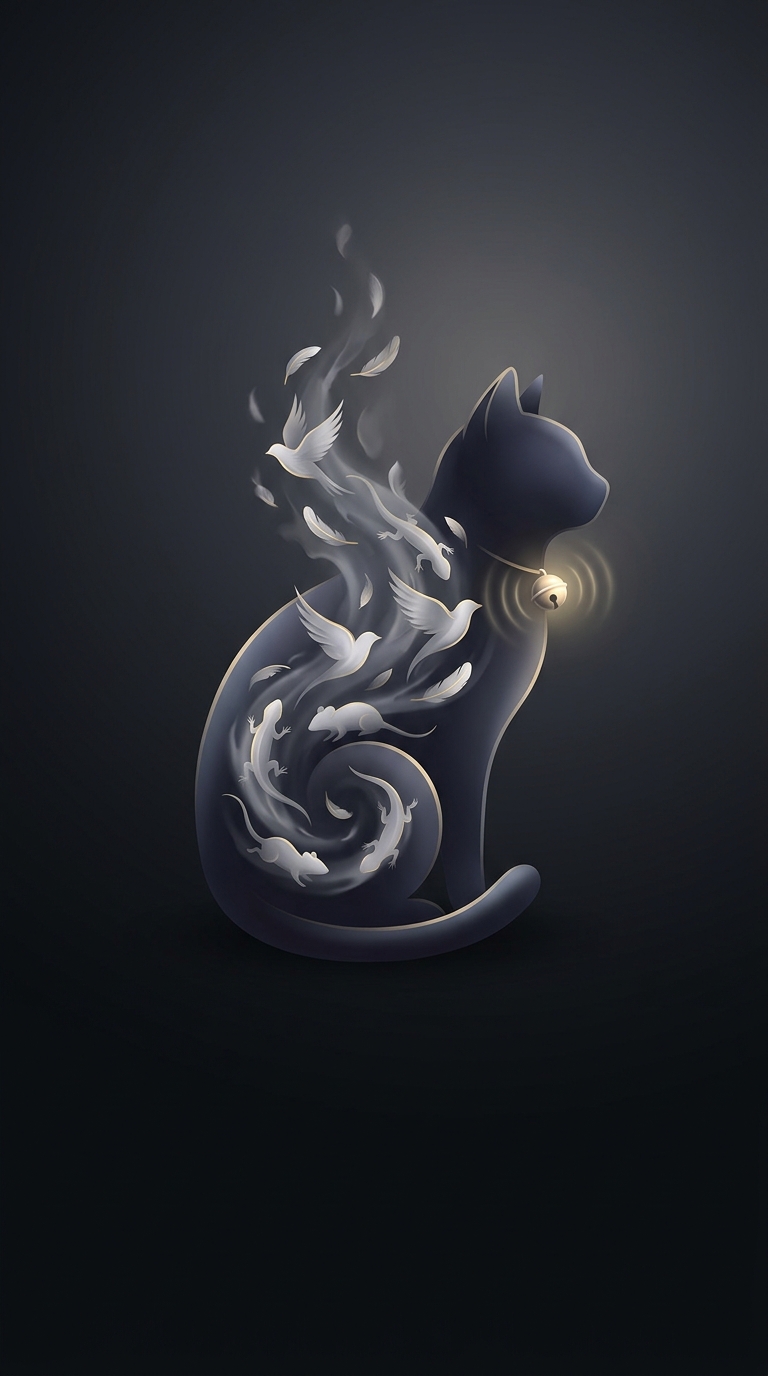
Domestic cats are technically classified as one of the world's worst invasive alien species, responsible for the global extinction of dozens of bird, mammal, and reptile species…
Domestic cats are technically classified as one of the world's worst invasive alien species, responsible for the global extinction of dozens of bird, mammal,…
Discover more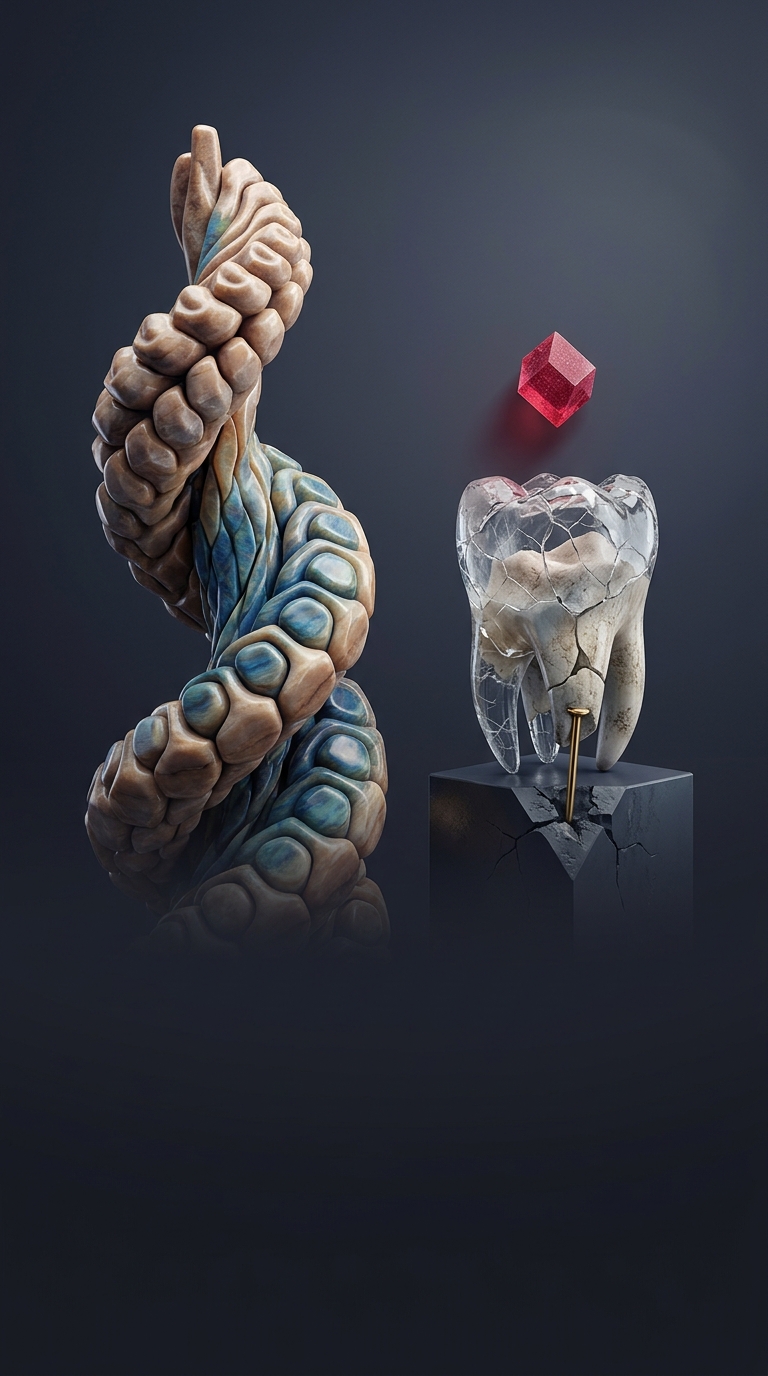
Hadrosaurs had teeth that wore into a better grinding surface.
Hadrosaurs had teeth that wore into a better grinding surface. Their dental batteries packed many teeth together, with replacements developing underneath.…
Discover more
Peanut butter can supply carbon for a laboratory diamond.
Peanut butter can supply carbon for a laboratory diamond. Researcher Dan Frost described experimenting with peanut butter under extreme pressure and heat. Its…
Discover more
Martian sunsets glow with a distinct, eerie blue hue due to the fine dust particles permanently suspended in the planet's thin atmosphere.
Martian sunsets glow with a distinct, eerie blue hue due to the fine dust particles permanently suspended in the planet's thin atmosphere. As the Sun drops,…
Discover more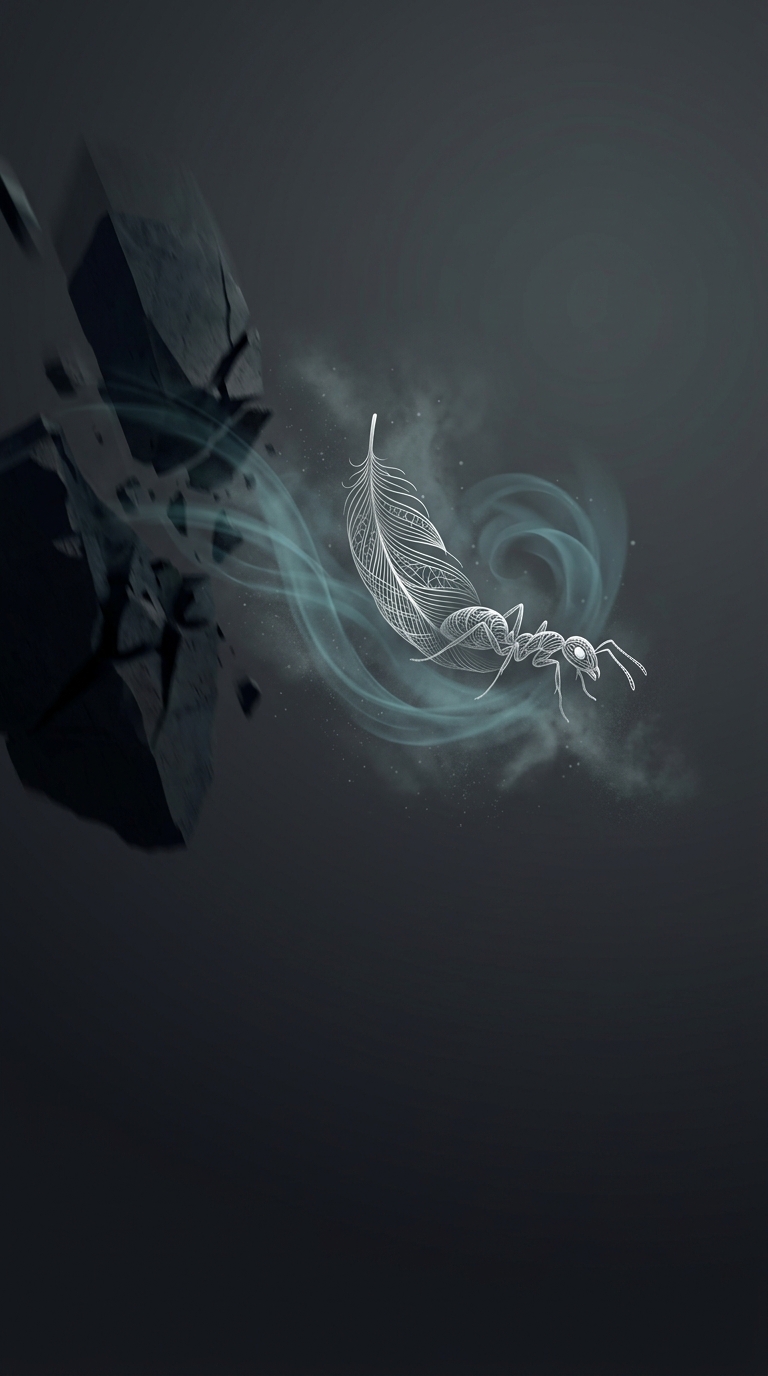
Tiny ants meet a very different fall than large animals.
Tiny ants meet a very different fall than large animals. An ant has little mass compared with the area pushing through the air. Drag therefore limits its…
Discover more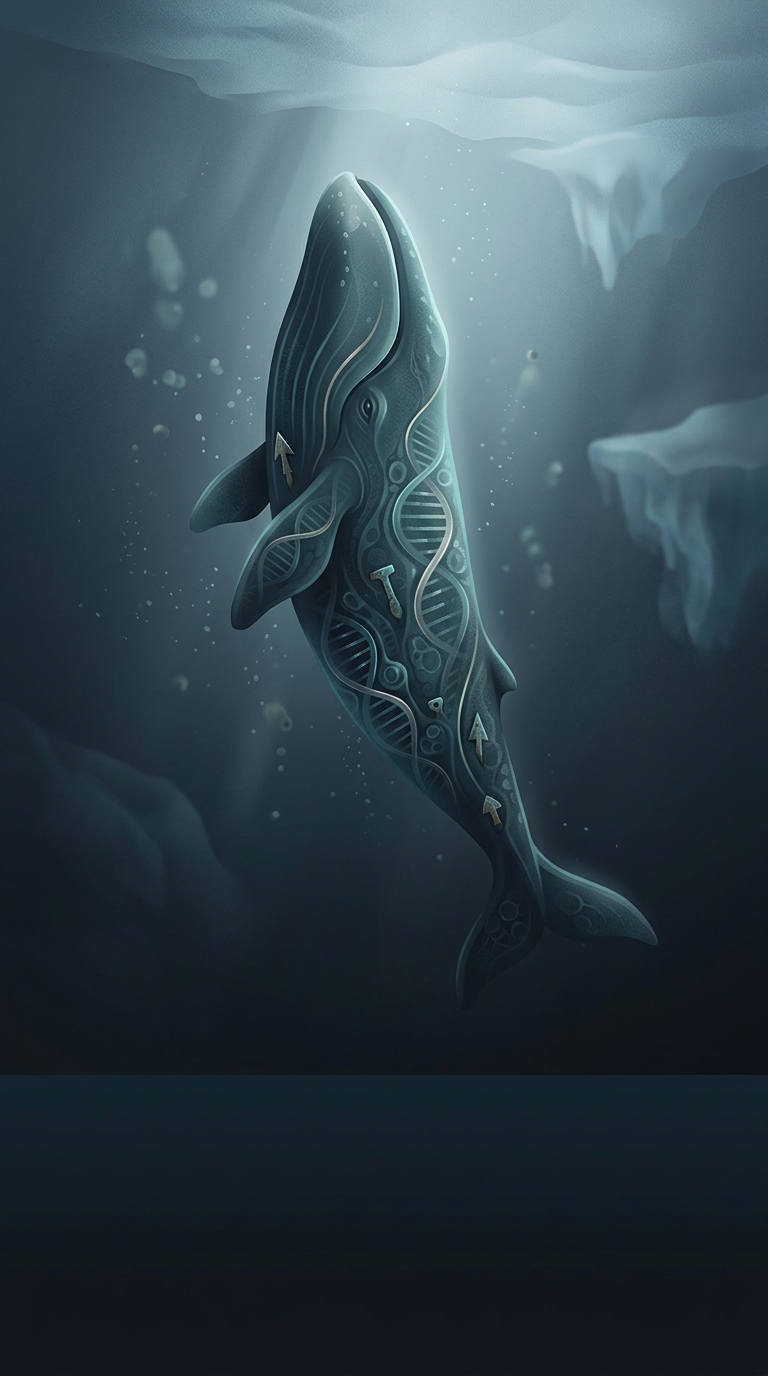
Bowhead whales can live for two centuries, and their DNA repair system offers a clue to how.
Bowhead whales can live for two centuries, and their DNA repair system offers a clue to how. Researchers found unusually high levels of CIRBP, a protein that…
Discover more STACKY FOR IPHONE
A bigger world.
One discovery
at a time.
Keep discovering with Stacky. Interesting facts in an app that is always within reach.

A moth can retain a learned association from its caterpillar days.
A moth can retain a learned association from its caterpillar days. In a 2008 experiment, caterpillars trained to associate an odor with an unpleasant stimulus…
Discover more
A koala’s brain is unusually smooth compared with many other mammals’ brains.
A koala’s brain is unusually smooth compared with many other mammals’ brains. Folds help fit more cortical surface inside a skull, but their number alone does…
Discover more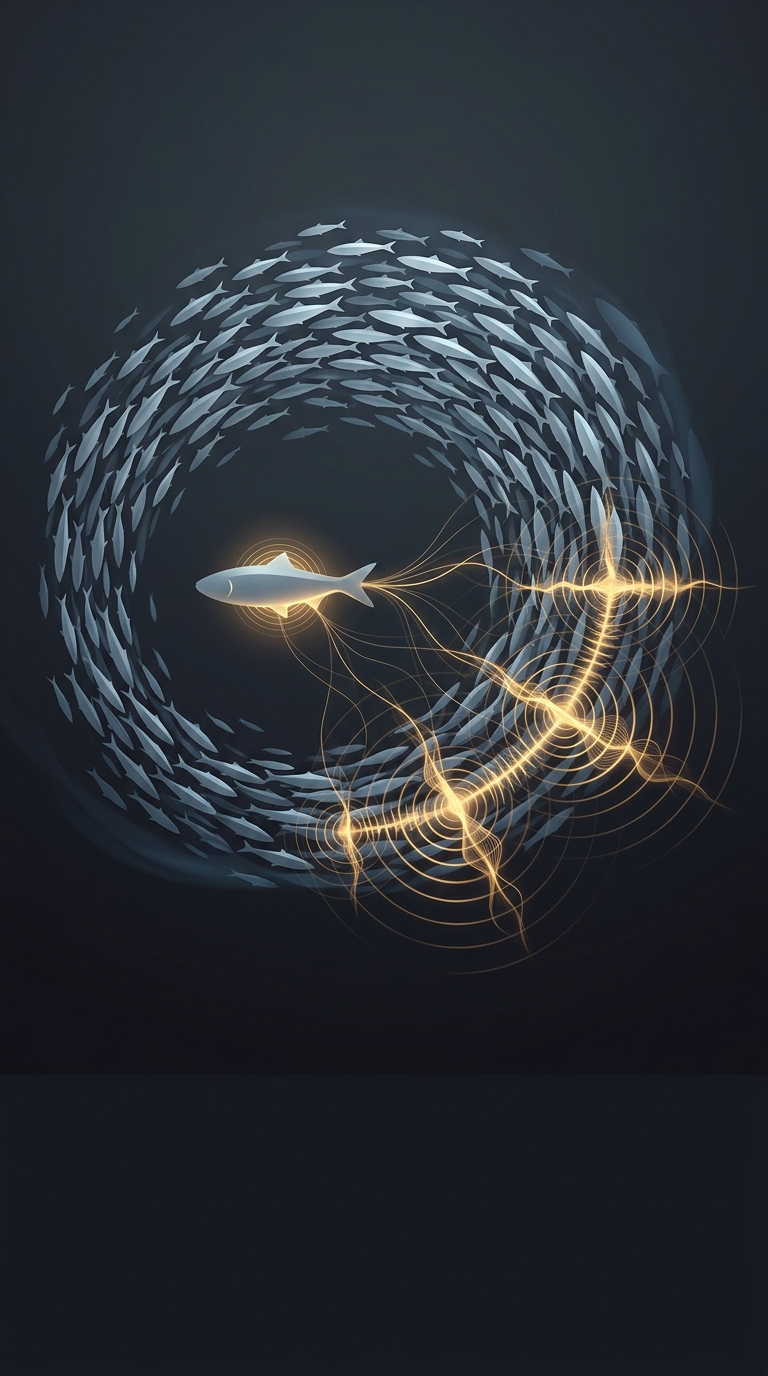
Herring communicate in the dark by emitting high-frequency bursts of gas from their anal ducts, a phenomenon scientists literally named Fast Repetitive Tick.
Herring communicate in the dark by emitting high-frequency bursts of gas from their anal ducts, a phenomenon scientists literally named Fast Repetitive Tick.…
Discover more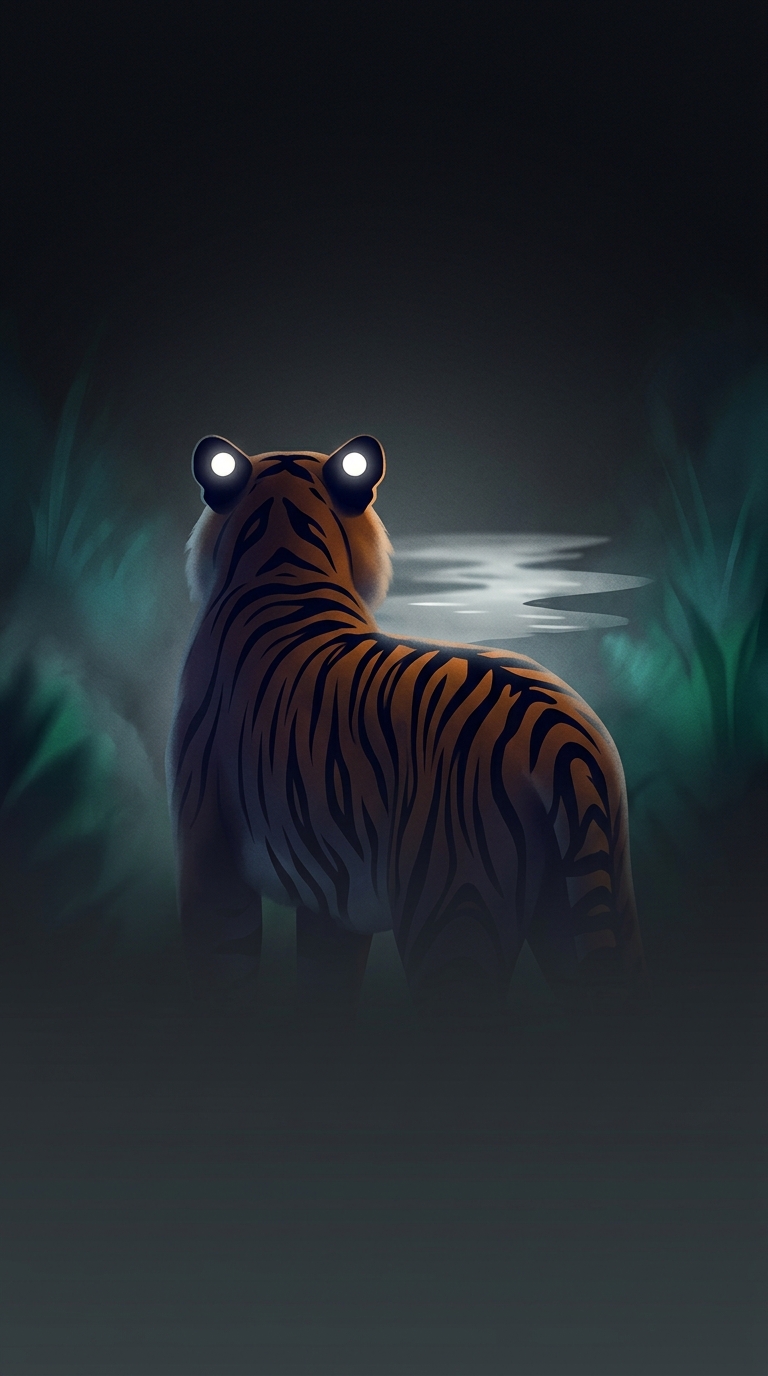
A tiger can send a visual signal with the backs of its ears.
A tiger can send a visual signal with the backs of its ears. Each dark ear carries a contrasting white spot, exposed or hidden as the ear turns. WWF describes…
Discover more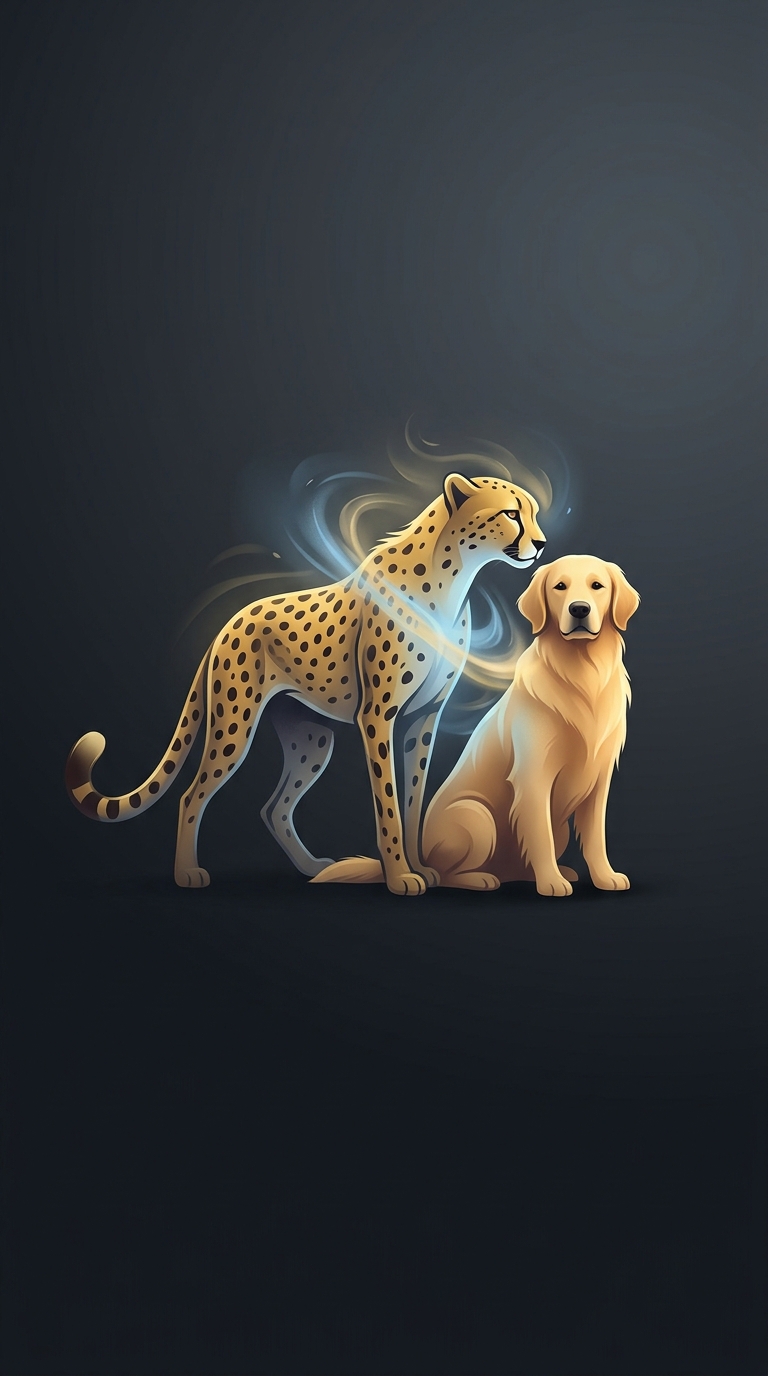
Some zoo cheetahs grow up with a dog as a companion.
Some zoo cheetahs grow up with a dog as a companion. Zoos have paired selected hand-raised cheetah cubs with dogs that become playmates and familiar social…
Discover more
Snakes completely lack eyelids and instead protect their unblinking eyes with a transparent, specialized scale known as a brille or spectacle.
Snakes completely lack eyelids and instead protect their unblinking eyes with a transparent, specialized scale known as a brille or spectacle. It works like a…
Discover more
Clean metal surfaces can stick together without melting.
Clean metal surfaces can stick together without melting. Cold welding occurs when surfaces make sufficiently intimate contact for metallic bonds to form.…
Discover more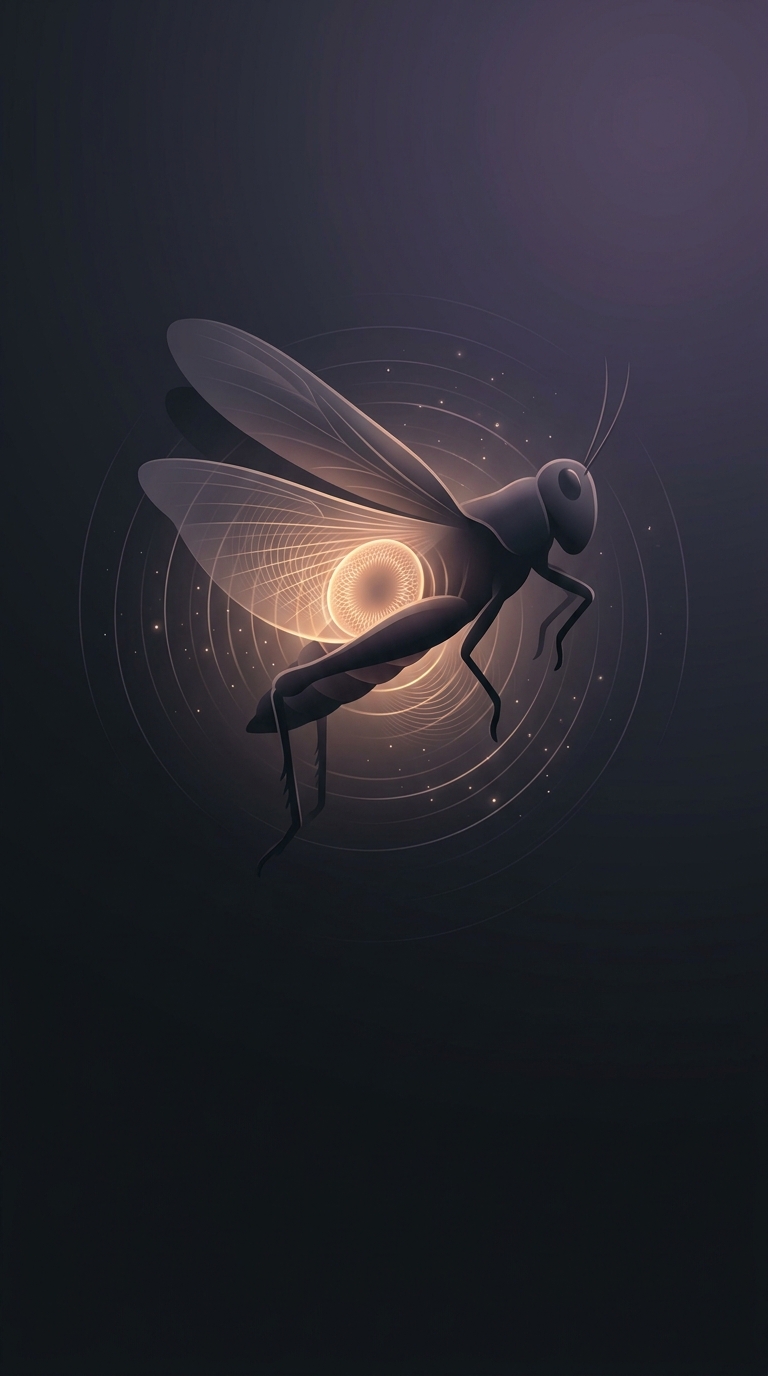
Grasshoppers do not have ears on their heads, but instead process sound through small, drum-like membranes called tympana located on either side of their abdomen, tucked just beneath their wings.
Grasshoppers do not have ears on their heads, but instead process sound through small, drum-like membranes called tympana located on either side of their…
Discover more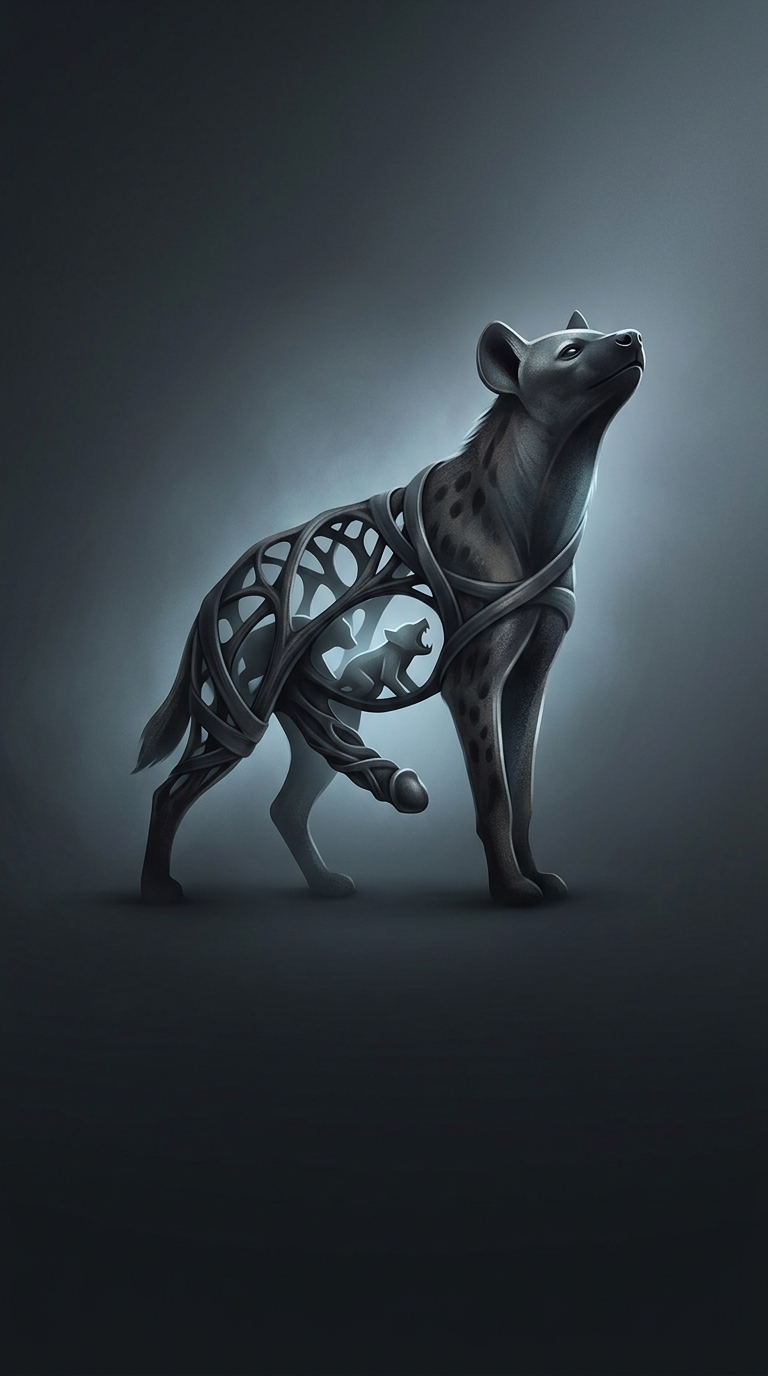
Female spotted hyenas give birth through a penis-like structure.
Female spotted hyenas give birth through a penis-like structure. The structure is an elongated clitoris, often called a pseudopenis, and it is also used for…
Discover more
A sleeping dolphin can keep one brain hemisphere more alert.
A sleeping dolphin can keep one brain hemisphere more alert. During unihemispheric slow-wave sleep, one side shows sleep-like activity while the other remains…
Discover more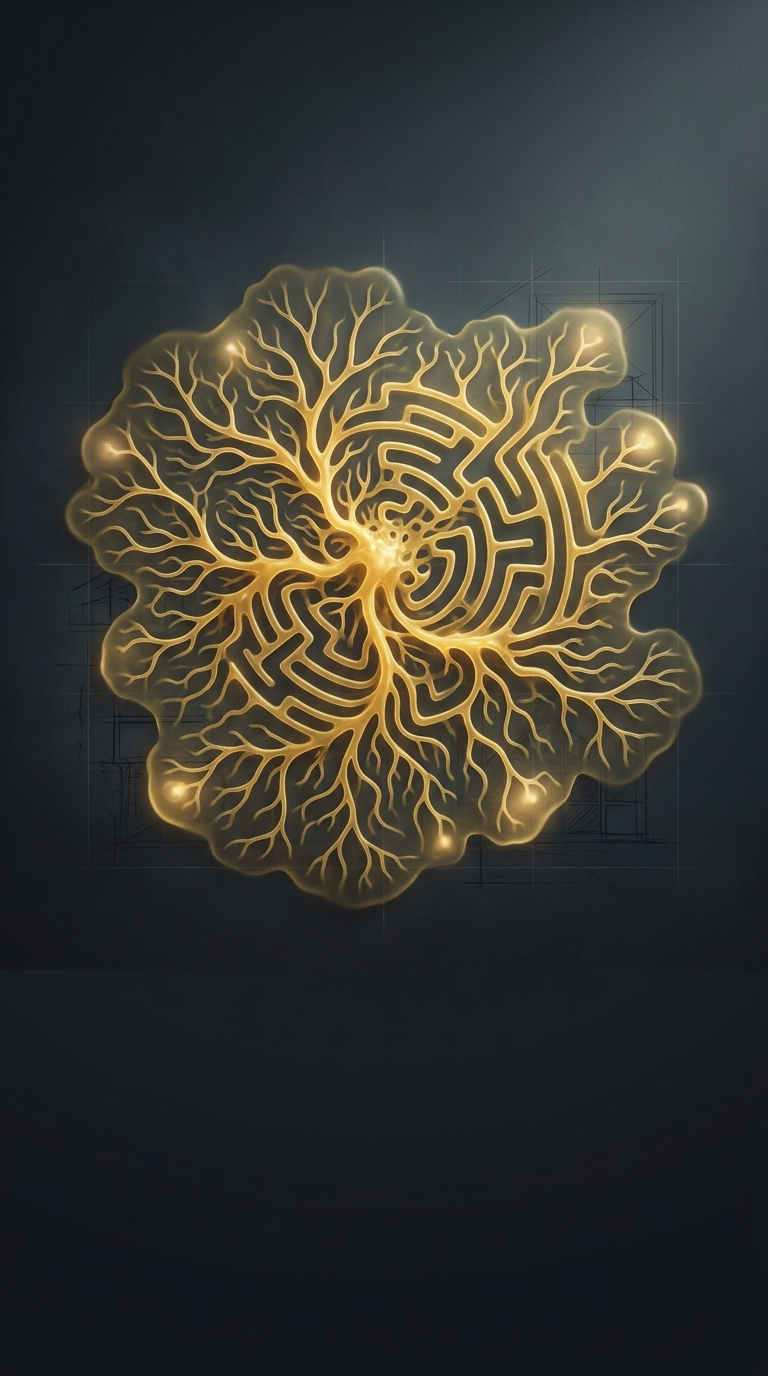
A brainless slime mold built a network comparable to Tokyo's rail system.
A brainless slime mold built a network comparable to Tokyo's rail system. Researchers arranged food sources to represent urban centers and watched Physarum…
Discover more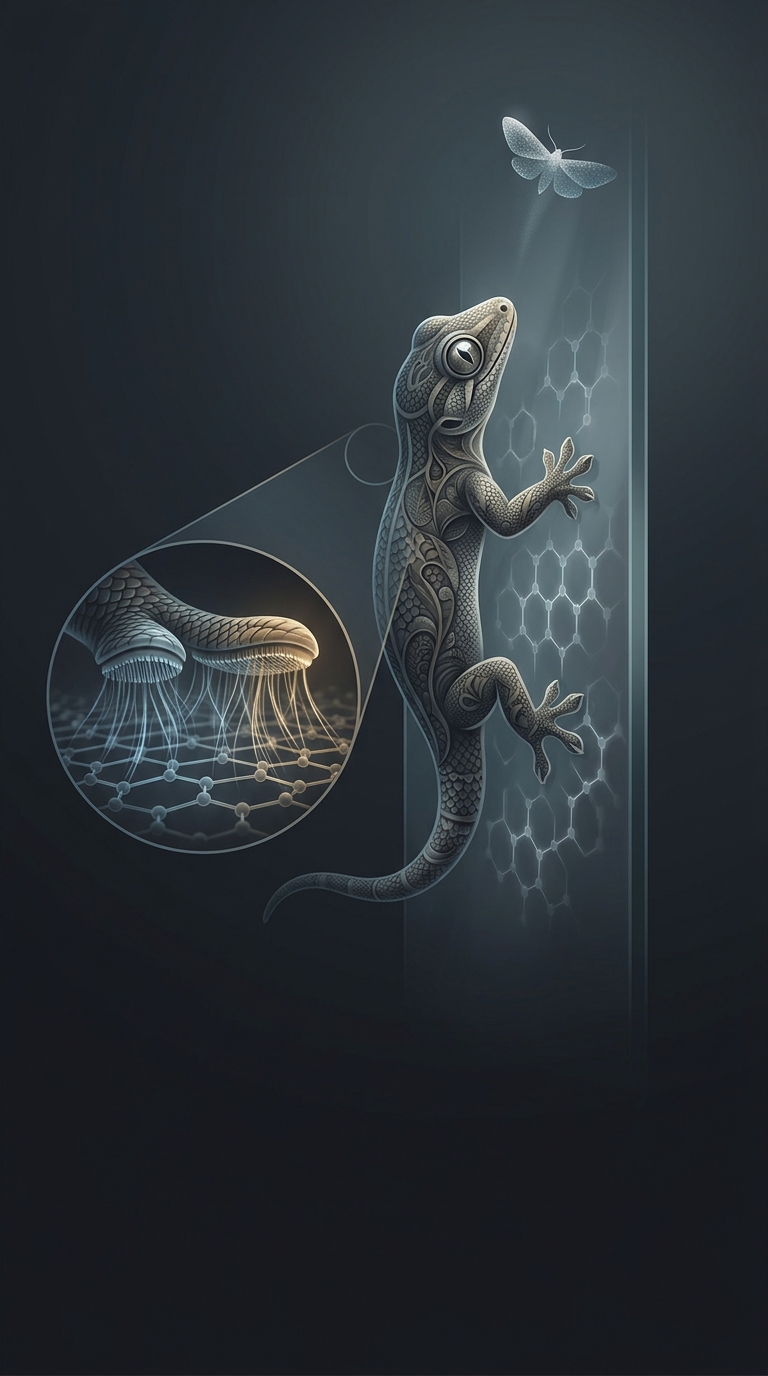
Geckos can effortlessly scale vertical glass walls and hang completely upside down thanks to millions of microscopic hairs on their toes called setae.
Geckos can effortlessly scale vertical glass walls and hang completely upside down thanks to millions of microscopic hairs on their toes called setae. Each…
Discover more
Gold can be forged in the debris of colliding dead stars.
Gold can be forged in the debris of colliding dead stars. When neutron stars merge, neutron-rich material can build heavy atomic nuclei, including gold.…
Discover more
The split-gill fungus Schizophyllum commune has thousands of mating types.
The split-gill fungus Schizophyllum commune has thousands of mating types. These act as compatibility codes, determined by combinations of genetic variants,…
Discover more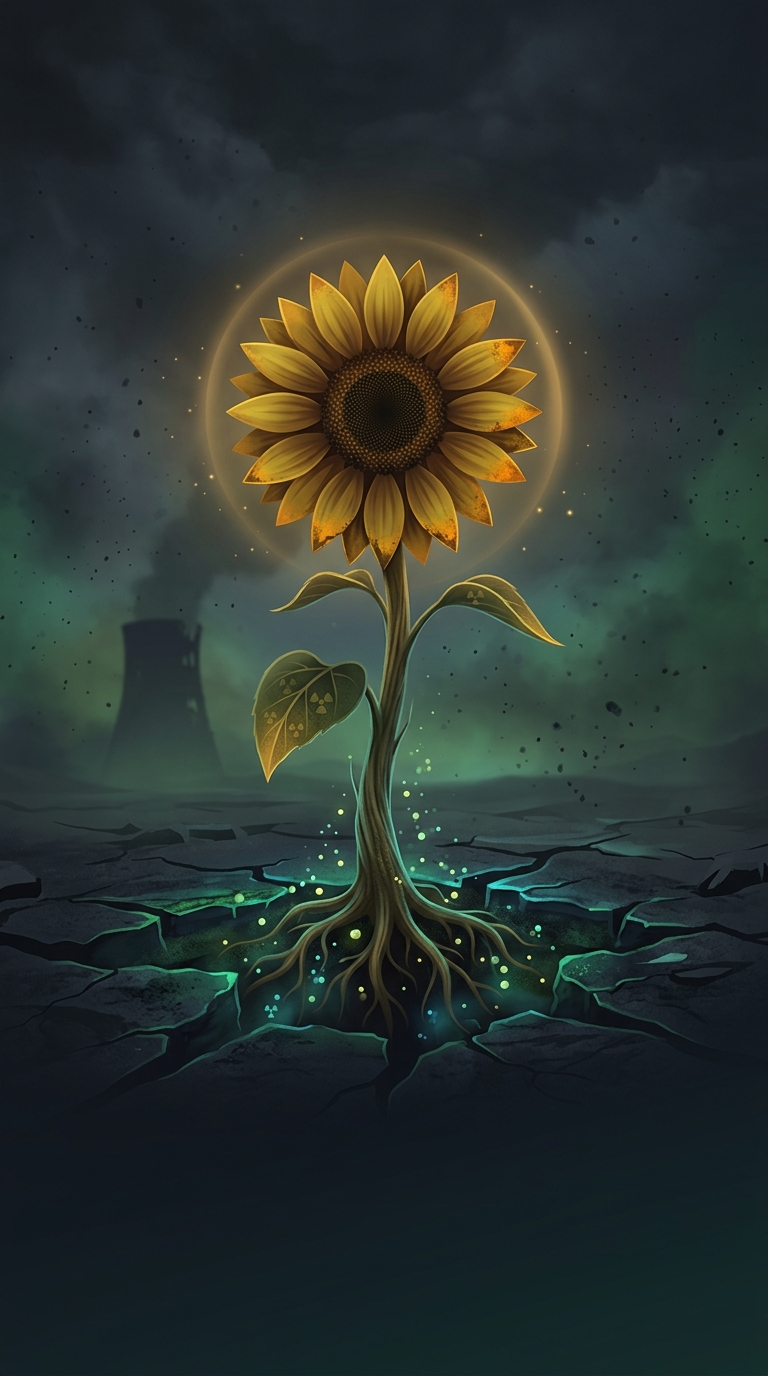
Plants can move metal pollution from soil into their own tissues.
Plants can move metal pollution from soil into their own tissues. In phytoremediation, selected plants take up contaminants so harvesting the growth can…
Discover more
Hippos make a reddish skin secretion with protective chemistry.
Hippos make a reddish skin secretion with protective chemistry. Researchers identified red and orange pigments in the fluid commonly nicknamed blood sweat.…
Discover more
A year on 55 Cancri e lasts less than an Earth day.
A year on 55 Cancri e lasts less than an Earth day. This rocky world circles so close to its star that its surface is thought to host a magma ocean. Webb…
Discover more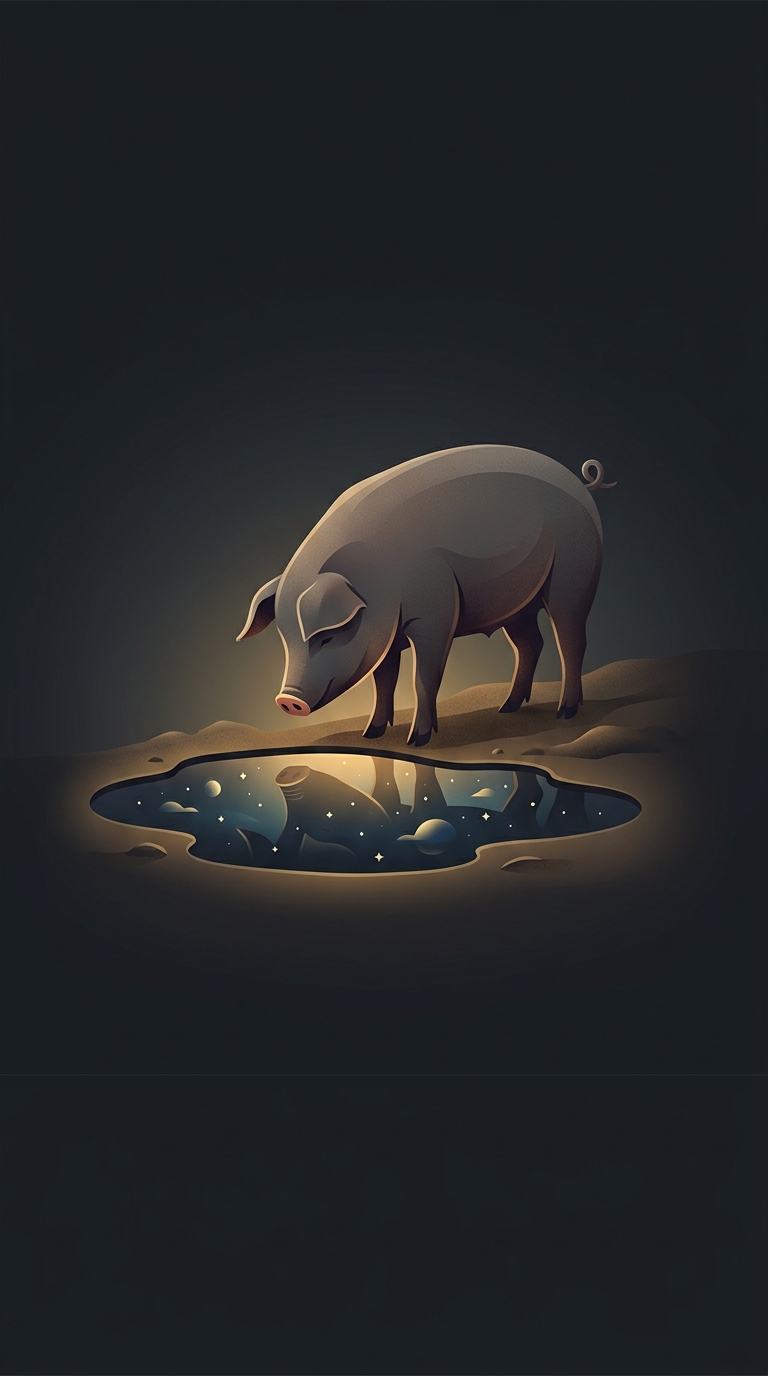
A pig's snout is both a detector and a digging tool.
A pig's snout is both a detector and a digging tool. Rooting pigs press their muscular snouts into the ground and turn over the surface in search of food.…
Discover more