
A closer look
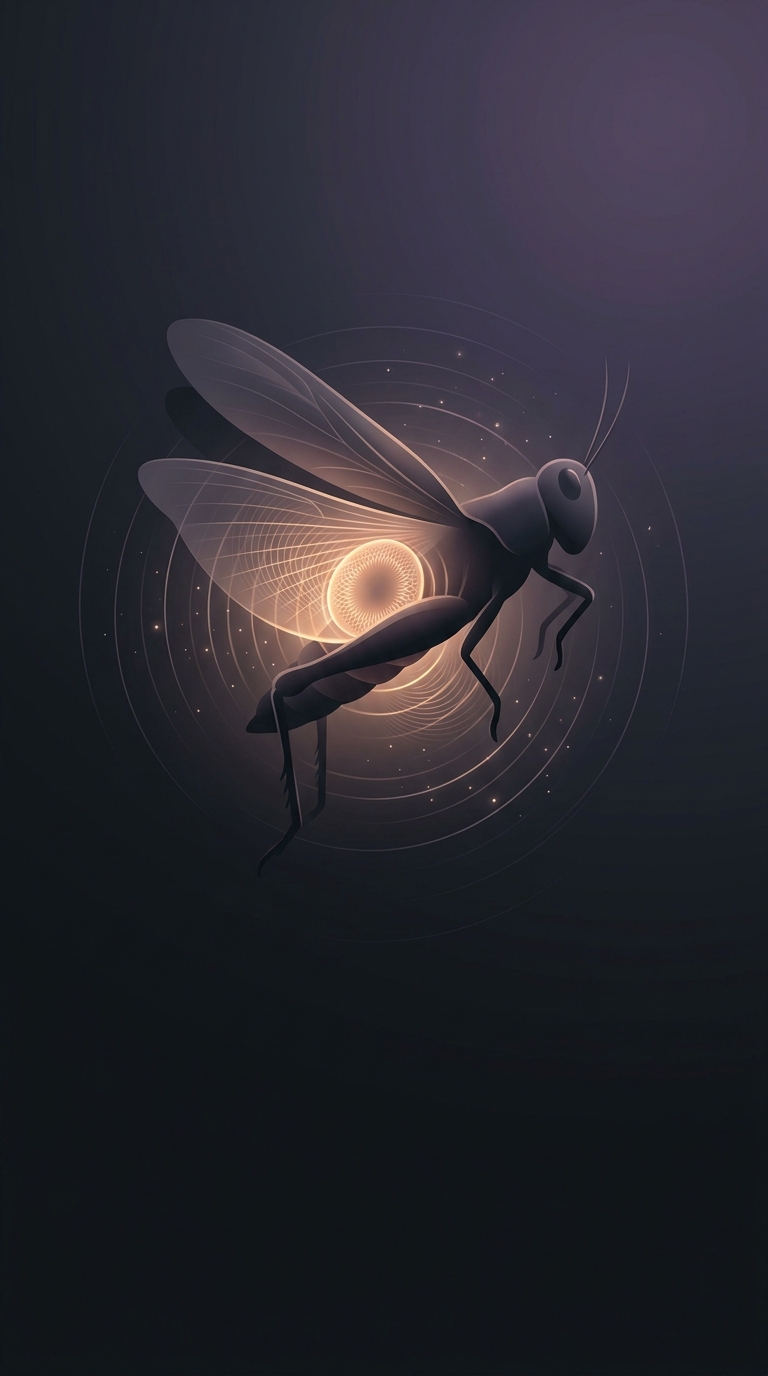
Grasshoppers do not have ears on their heads, but instead process sound through small, drum-like membranes called tympana located on either side of their abdomen, tucked just beneath their wings. These specialized abdominal hearing organs vibrate in response to sound waves, allowing the insect to detect the mating calls of other grasshoppers or hear the approaching footsteps of a hungry predator. It is a bizarre structural choice that forces the creature to basically listen to the world through its own stomach, completely redefining the concept of a gut feeling. Evolution clearly got a little bit creative when assembling these jumping pests, scattering essential sensory organs across their torso like a biological toy just to see if the resulting insect could still function