How a fly’s eye divides the scene
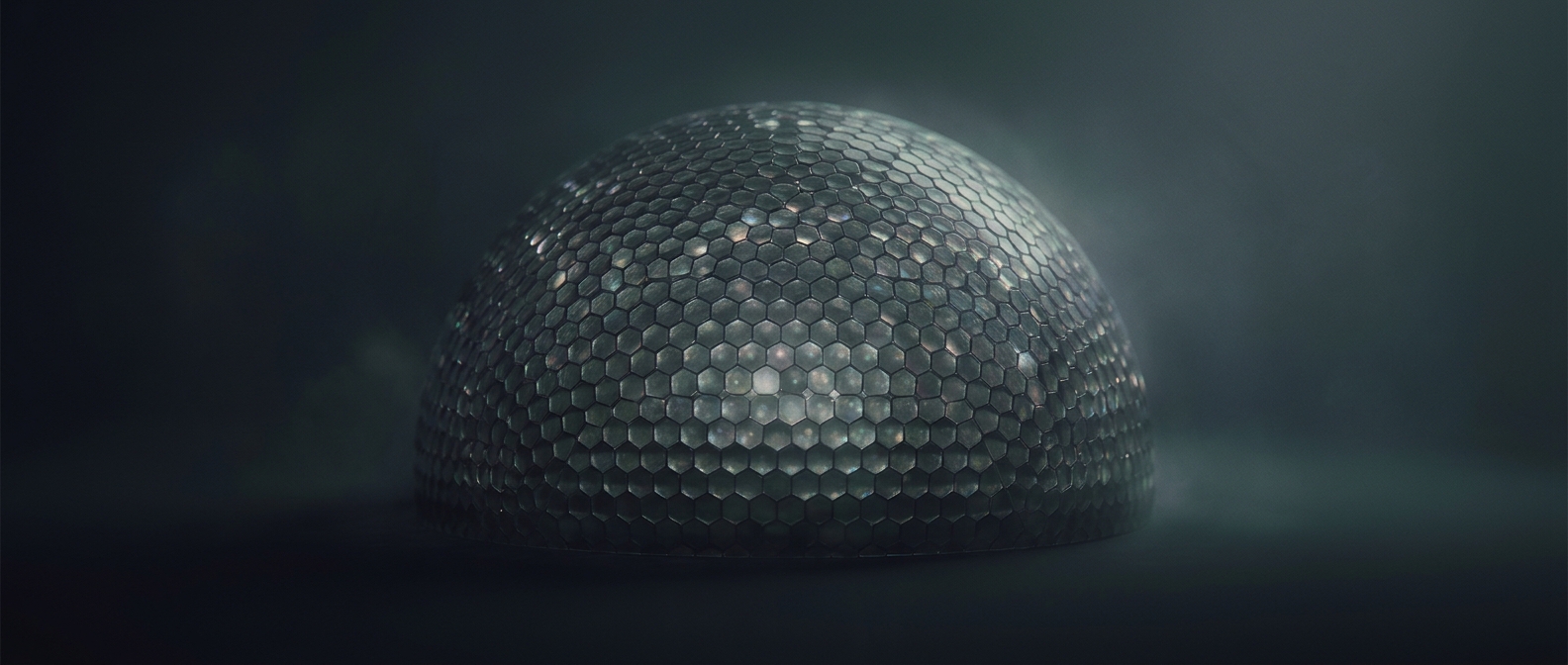
A housefly’s compound eye is made of many tiny optical units called ommatidia. Each has a lens that gathers light from a small direction in the surrounding world and sends it to light-sensitive cells beneath it. The fly’s brain combines these neighboring signals into a coarse, mosaic-like view—not a miniature version of the sharply detailed image a human eye forms.
Because the eye’s units point in different directions, the combined view covers a wide area. But each unit samples only a small part of the scene, so fine details are harder to resolve than they are for a human looking straight ahead.
Why motion stands out
The arrangement is useful for detecting change. When an object moves, it shifts the light pattern across successive ommatidia. The fly’s visual system can register that changing pattern, even when the object is off to the side or too small to see in detail. This makes movement—such as a hand sweeping toward it—especially noticeable.
That advantage has a tradeoff: broad coverage and quick awareness of motion come at the expense of crisp detail. A fly may detect an approaching object without seeing its shape clearly, giving it a chance to react before the object reaches the center of its view.