How a mosquito turns six mouthparts into one bite
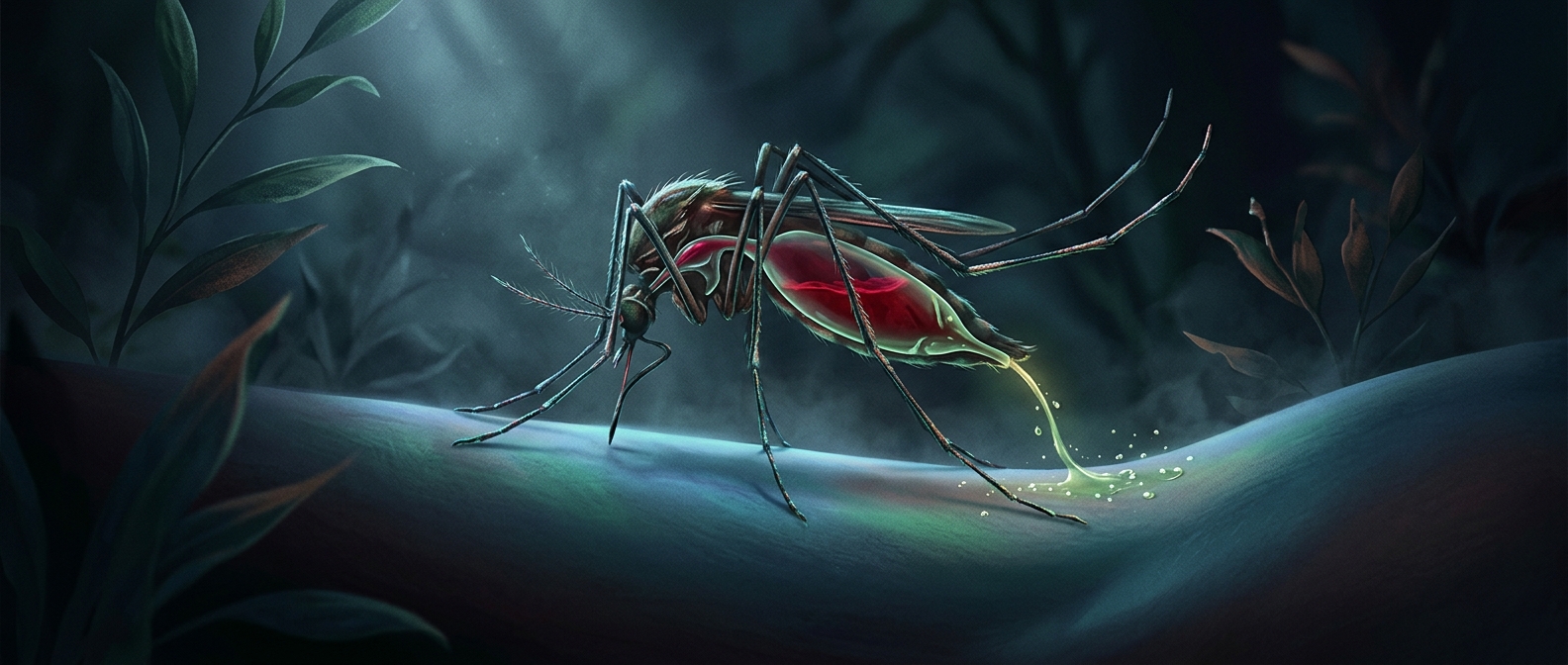
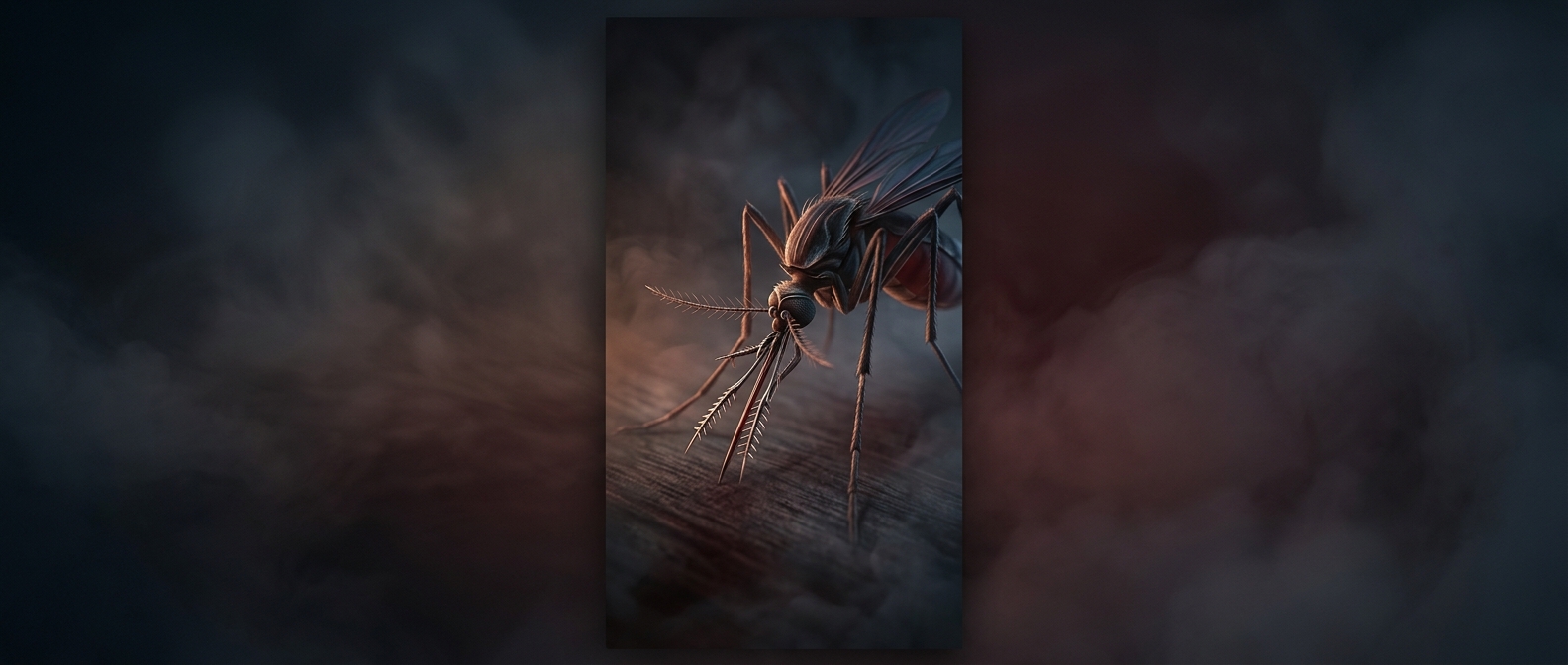
A mosquito does not drive a single hollow needle through the skin. Its proboscis—the slender mouthpart that looks like a tube—is a sheath around six specialized pieces. Together, they puncture tissue, steady the feeding site, and move fluids.
The sheath folds away
The soft outer part, called the labium, touches the skin first and bends backward as the mosquito feeds. It does not enter the skin. The thinner parts inside it do the work, sliding forward while the labium remains curled near the surface like a sleeve pushed back from a hand.
Several of the inner pieces help pierce or hold tissue. Two form channels with different jobs: one carries saliva into the bite, while the other draws blood toward the mosquito’s mouth. The parts move as a coordinated bundle, so the insect can make a narrow opening without having to push one rigid tube through the skin.
Why saliva is part of the toolkit
Saliva helps keep blood flowing while the mosquito feeds. It contains substances that interfere with clotting—the process that would otherwise seal a wound—and can also trigger the skin’s familiar itch and swelling. Those reactions are responses to the saliva, not to the mosquito’s tiny blood-drawing channel itself.
The bite is therefore less like a miniature syringe and more like a set of specialized tools working through one opening. The visible proboscis is only the sheath; the actual feeding depends on the hidden parts moving separately beneath it.