A blood meal is part of egg production
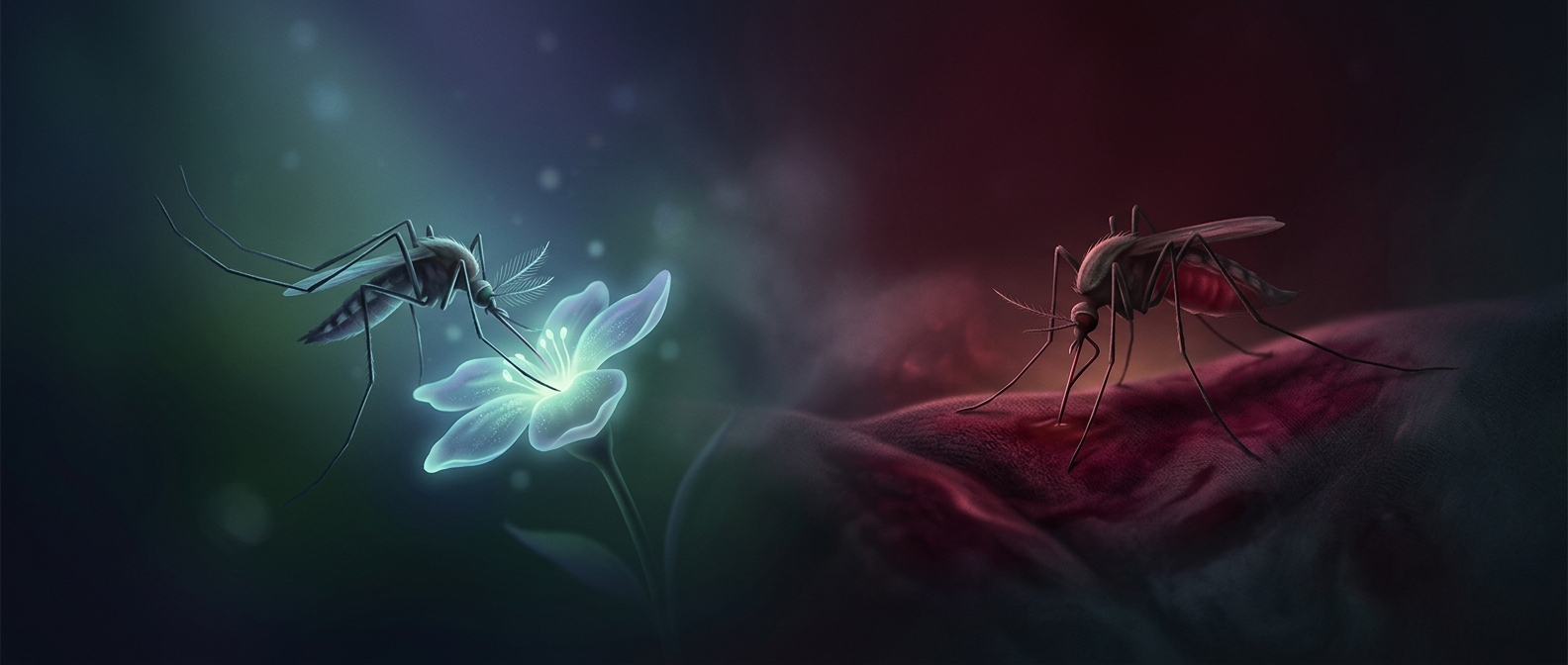
A female mosquito does not need blood simply to stay alive. Like males, she can get energy from sugary plant foods such as nectar. In many species, though, nutrients from a blood meal help her develop a batch of eggs. That reproductive need is why females seek out people and other animals.
The sequence is practical: after mating, a female finds a host, takes blood, and uses its nutrients as her eggs mature. She may then lay them and repeat the cycle. The meal is not a universal requirement for every mosquito species or every batch of eggs, but it explains the familiar behavior of many mosquitoes that bite people.
The bite is also a chemical exchange
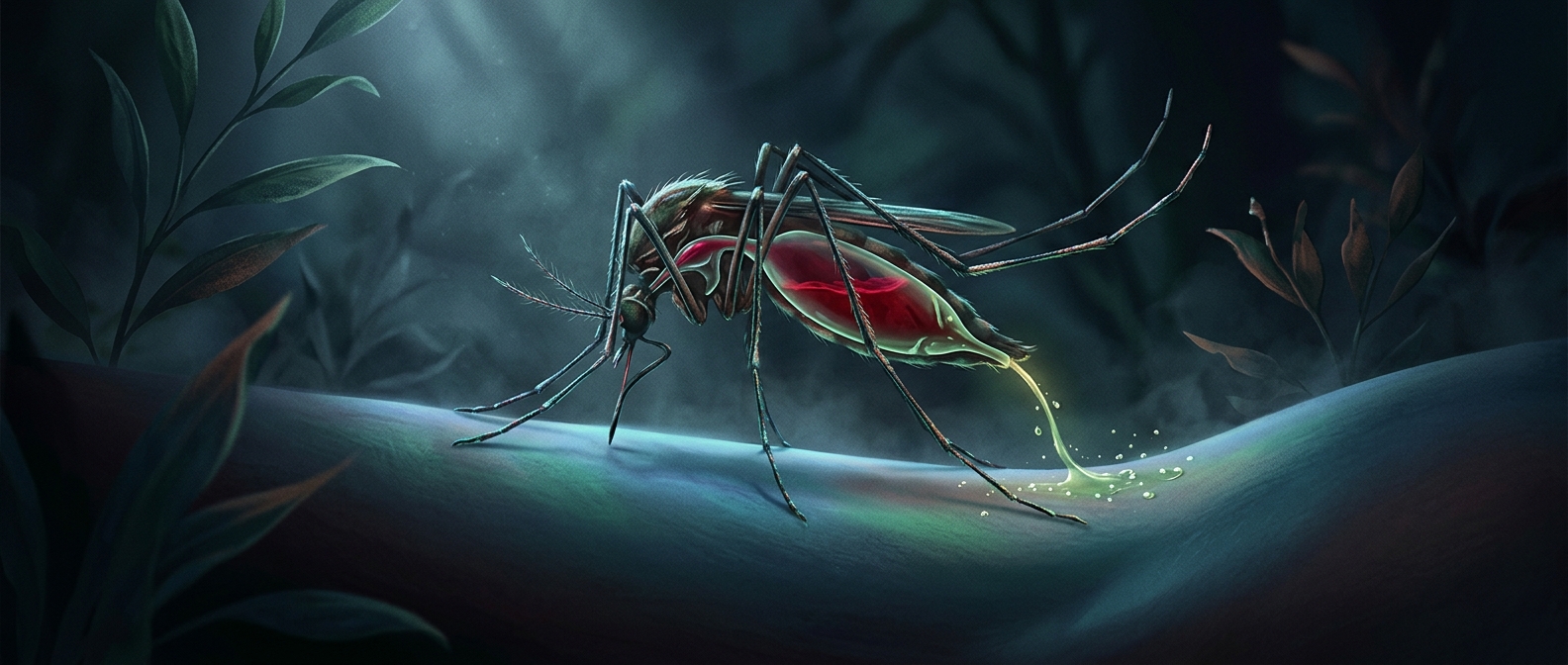
A mosquito does not suck blood through a simple straw. She pierces the skin with specialized mouthparts and feeds through a narrow channel. As she feeds, she releases saliva into the skin. Compounds in that saliva help keep blood flowing; the body's reaction to them is what makes a bite itch or swell for many people.
That reaction can make the bite seem like the main event, but from the mosquito’s perspective it is a brief feeding step in reproduction. Males lack the blood-feeding role and instead rely on plant sugars. The familiar buzz can come from either sex; the search for a blood meal comes from females.