A closer look
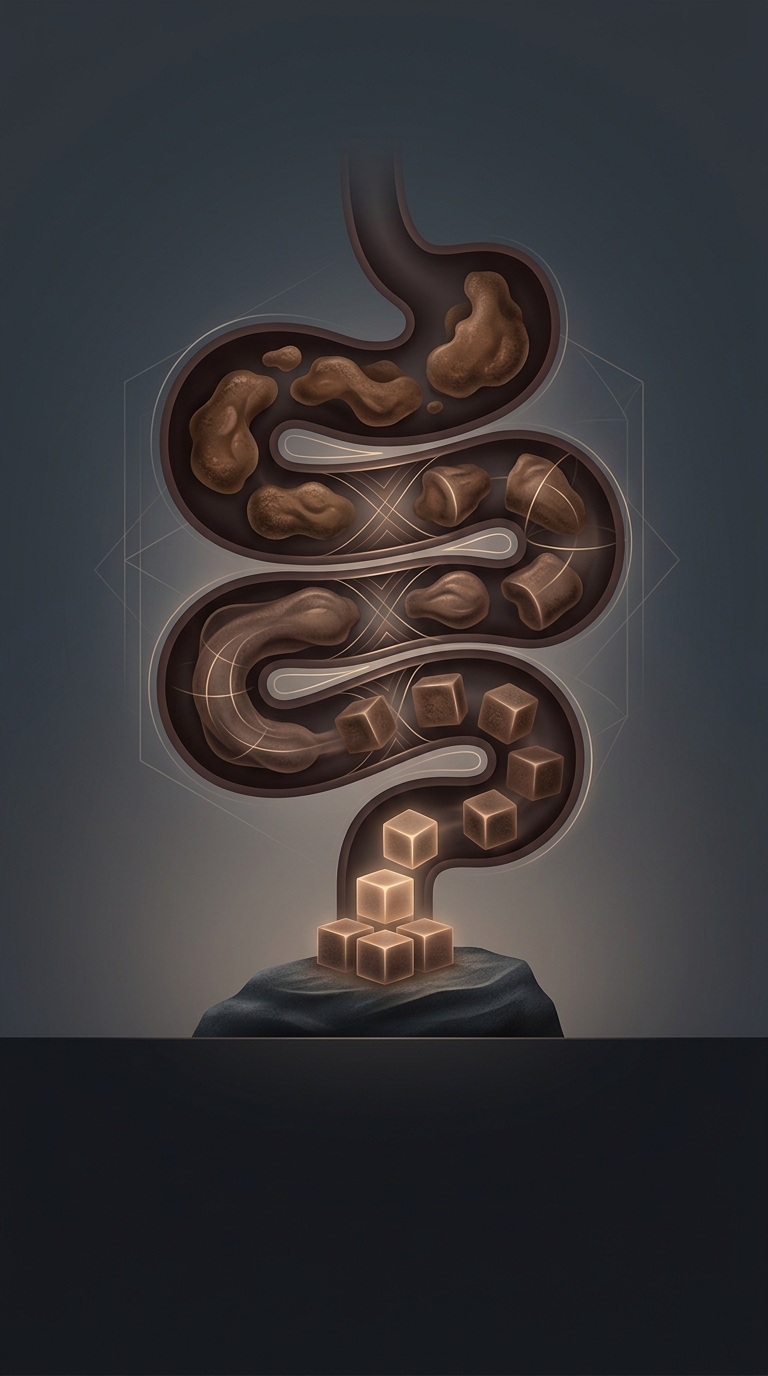
Wombats produce cube-shaped feces to mark their territory and prevent the droppings from rolling away off steep surfaces. Because their intestines have varying levels of elasticity, the digestive tract literally sculpts the waste into perfect little blocks of biological Lego. It takes about an entire week for a wombat to digest its food, meaning its gut is essentially a slow-moving, organic brick factory. Researchers spent years studying this phenomenon with government funding, presumably because figuring out exactly how a furry marsupial poops dice is the absolute pinnacle of modern biology. Imagine having a bodily function so geometrically precise that scientists write published academic papers about your bowel movements, while you just waddle around Australia eating dry grass and dropping architectural masterpieces without a single degree in civil engineering