Why a crocodile’s size is a poor age marker
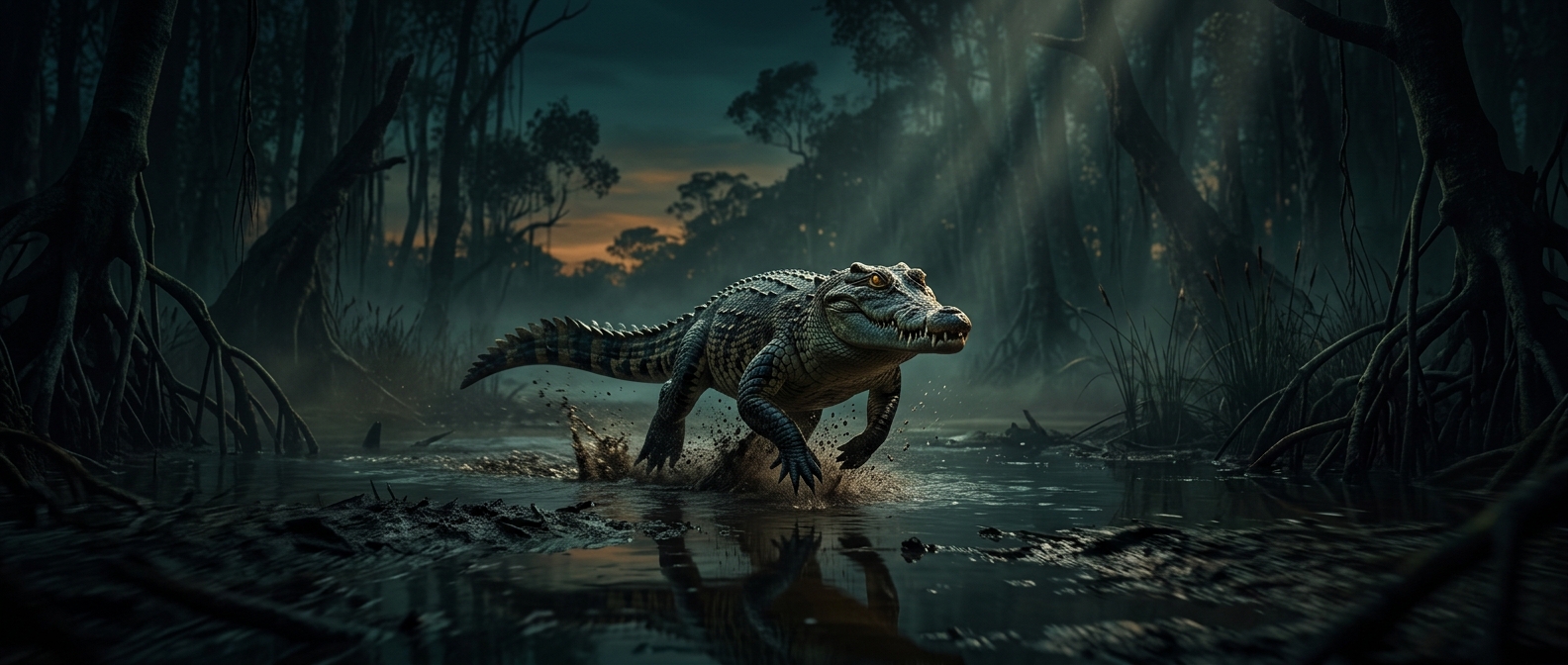
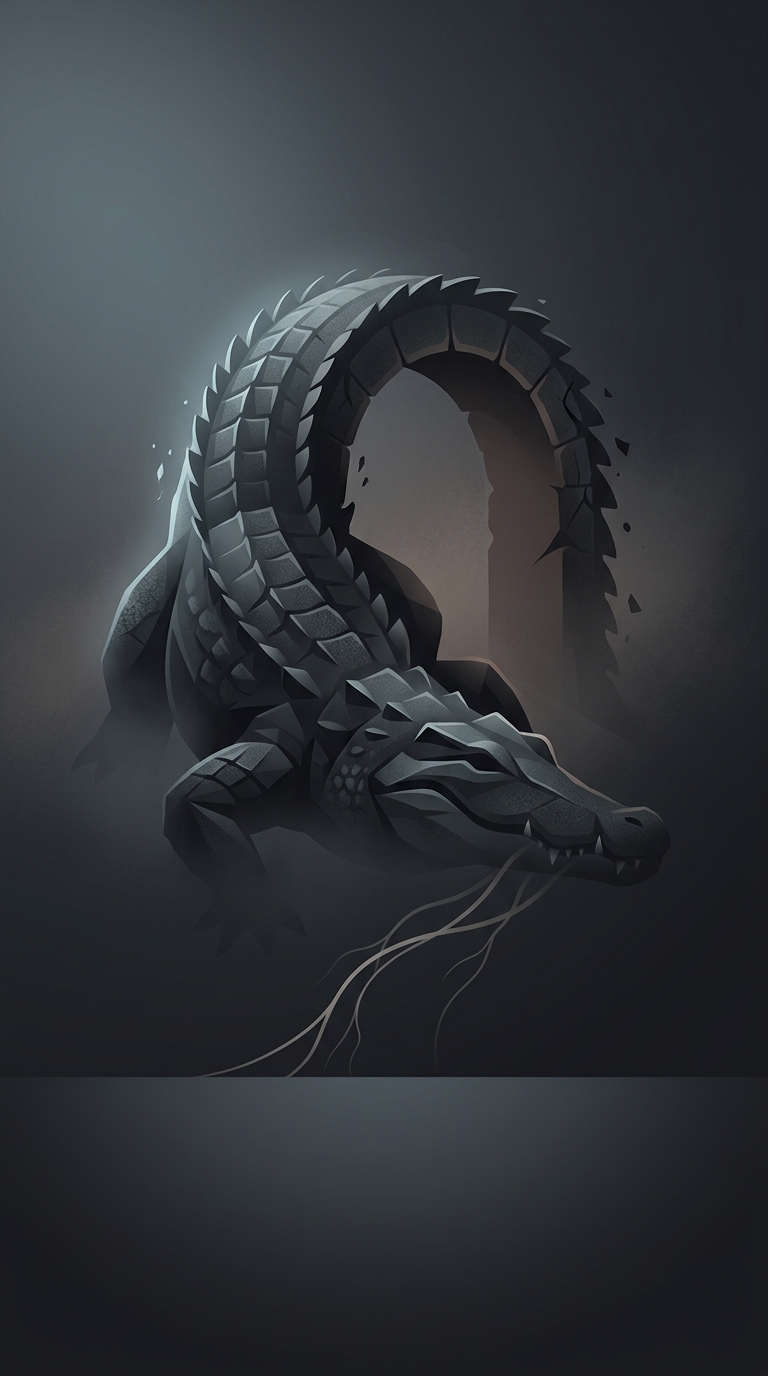
Crocodiles keep growing after they reach reproductive maturity, a pattern called indeterminate growth. It does not mean they grow at the same pace throughout life: growth usually slows as they get larger, and an animal’s food supply, health, and environment affect how much it grows. Two crocodiles of the same age can therefore end up very different sizes, while two of similar size may be different ages.
That makes body length an unreliable clock. A large crocodile may be old, but size alone cannot establish its age; a smaller one is not necessarily young.
“Negligible senescence” is not immortality
The term describes a limited pattern: some species show little or no clear, steady increase in death risk or decline in certain functions with age, compared with the familiar deterioration seen in many mammals. It does not mean that an individual never ages, cannot be injured or sick, or is immune to changing condition. Crocodiles can show age-related changes, and they can die from disease, injury, or other causes.
Their slow, continuing growth helps explain why age is hard to read from appearance, but it is not proof that aging has stopped. A crocodile’s size tells a story about growth; it does not give a birth date.