Pregnancy Can Pause Before the Embryo Attaches
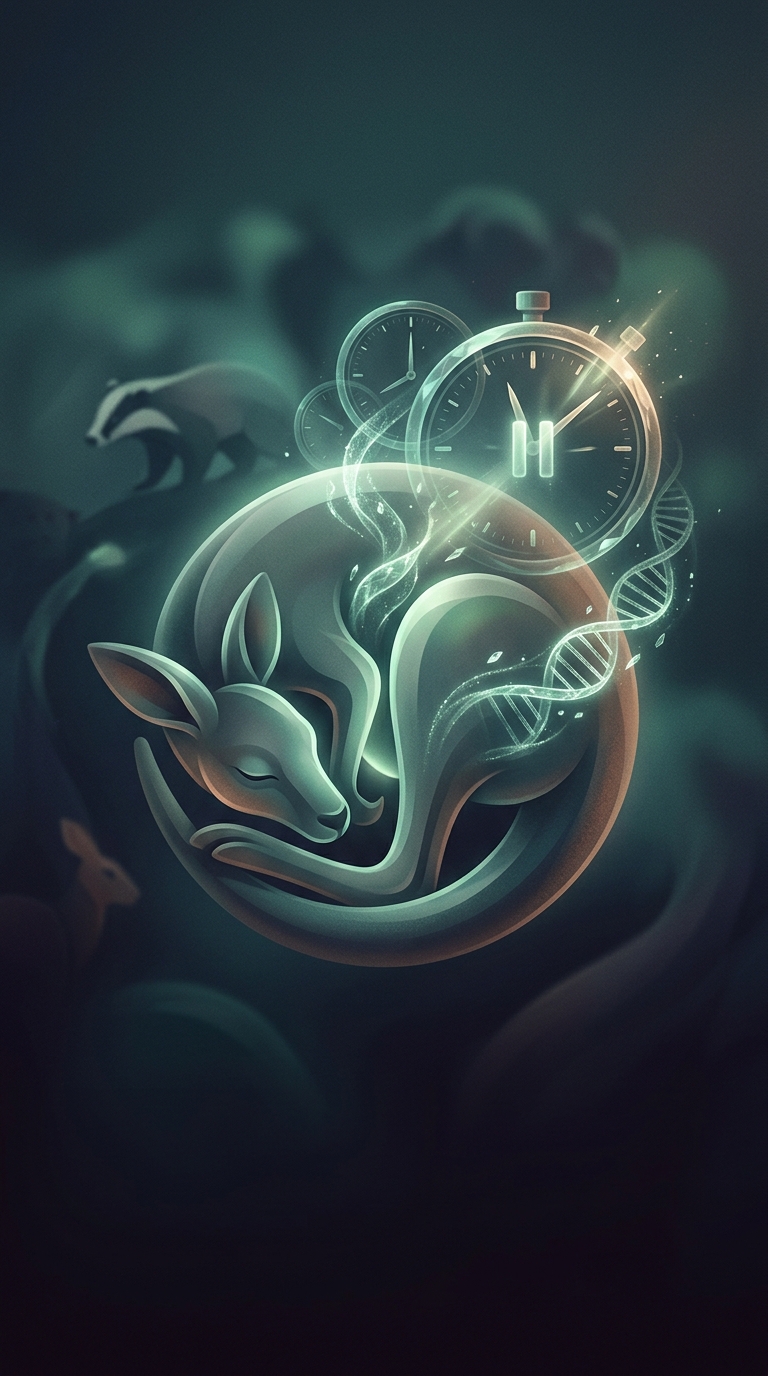
The ability is embryonic diapause, a temporary pause in development early in pregnancy. After fertilization, the embryo reaches a tiny, hollow stage called a blastocyst. Instead of attaching to the uterus and continuing to grow right away, it can remain inactive for a time. The mother’s body keeps the conditions suitable for it, then development resumes and pregnancy proceeds.
This is not the same as a late-pregnancy pause: the delay happens before the embryo implants in the uterine wall. It lets the timing of birth shift without requiring mating to happen at exactly the right moment.
Different Mammals Use the Pause Differently
In kangaroos, a new embryo may remain dormant while the mother is nursing a joey in her pouch. If the older young leaves or circumstances change, the embryo can resume development. This helps a mother manage offspring at different stages without carrying two growing pregnancies at once.
Badgers also delay implantation, but the pause can help align births with a favorable season. The embryo’s development can wait until conditions are more suitable for the mother and her future young. The details differ among species, but the underlying strategy is similar: separate the timing of fertilization from the timing of active pregnancy.
A paused embryo is not a fully formed young animal waiting to be born. It is at a very early stage, and the delay is a controlled part of reproduction. That flexibility can turn a narrow window for successful breeding into a wider one.