One organ, two working tips
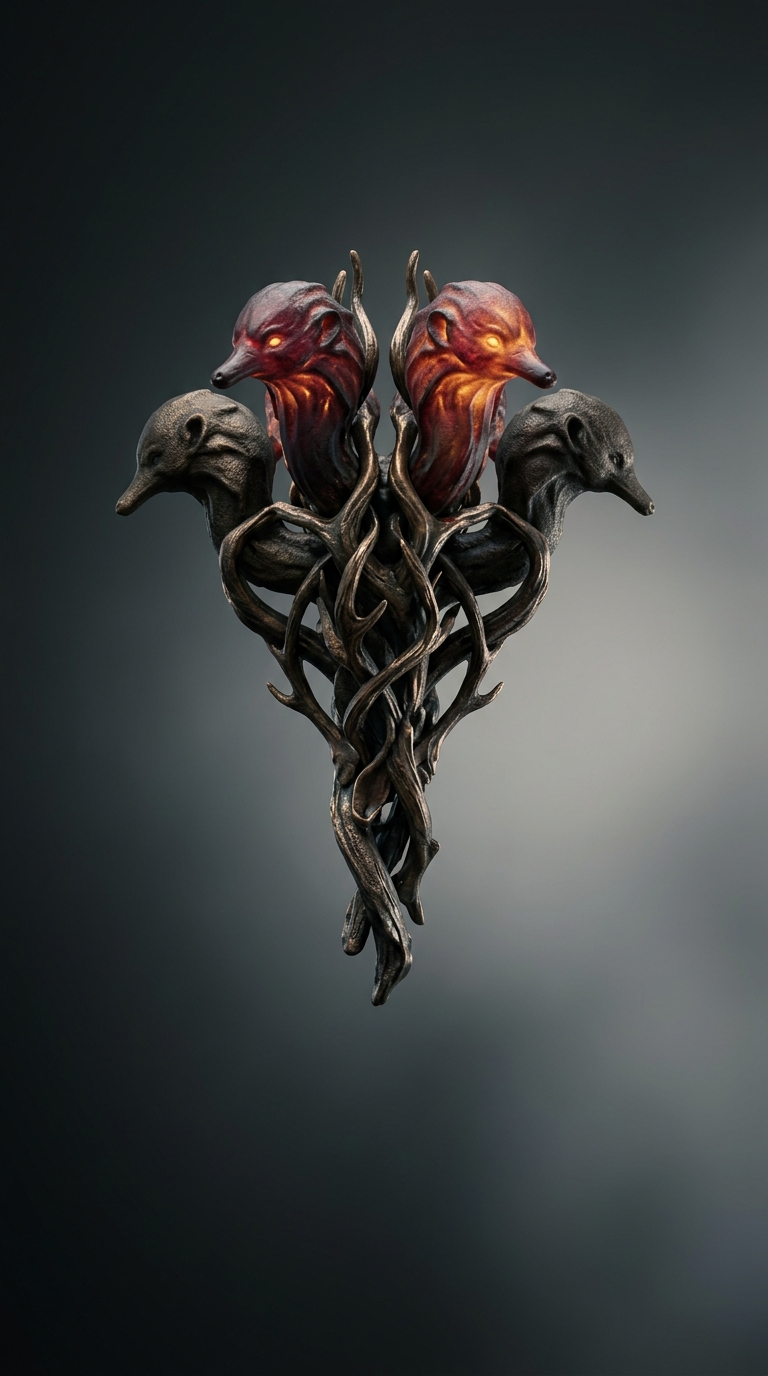
An echidna’s penis ends in four branches, but the branches do not all become functional at once. During an erection, two tips swell while the other two stay relatively inactive; in later ejaculations, the active pair can switch. The four tips are therefore parts of one organ, not four separate penises.
This is possible because erectile tissue—the spongy tissue that fills with blood—can be activated in different parts of the organ. The arrangement lets the echidna alternate which pair is engaged, rather than needing all four tips to work together.
A feature without a settled explanation
The anatomy is striking, but its evolutionary purpose is not established. A plausible mechanical question is whether alternating pairs helps the organ function across repeated ejaculations. That possibility does not, by itself, show why the arrangement evolved or whether it gives the animal a reproductive advantage.
Echidnas are monotremes, mammals that lay eggs, and their reproductive anatomy differs from that of familiar placental mammals. Their penis is normally kept inside the cloaca, the shared opening used for reproduction and waste. The four-tip structure is thus one part of a wider anatomical pattern, not an isolated oddity with an obvious explanation.
The memorable detail is also the most precise one: four tips, with only two active at a time—and the working pair can change.