A shark that may outlive empires
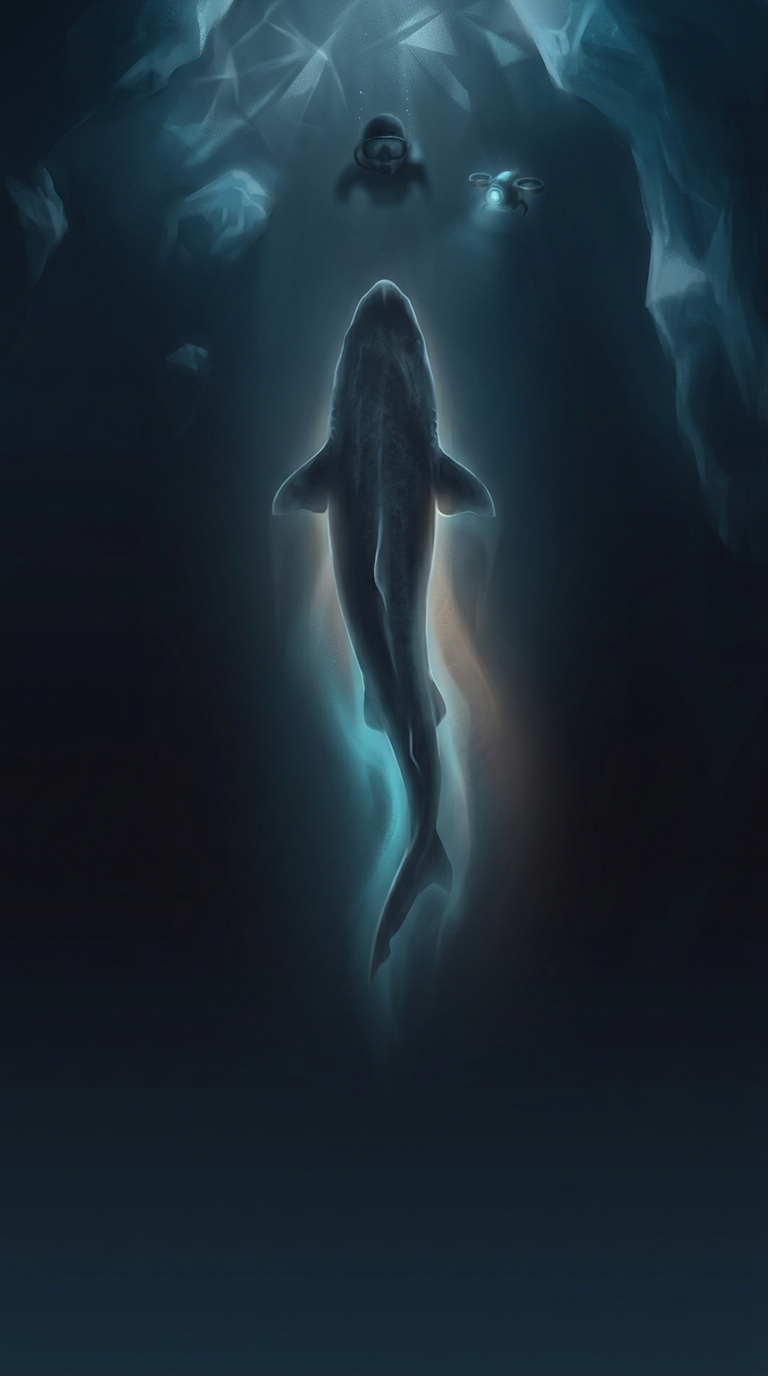
Greenland sharks can live for centuries, making them the longest-lived known vertebrates—the group that includes fish, birds, reptiles, amphibians, and mammals. Researchers have estimated that the largest sharks examined were around 400 years old, though the method gives a range rather than a precise birthday.
That estimate comes from the sharks’ eyes. The proteins in the lens form early in life and largely remain in place. By measuring radioactive carbon in those proteins, scientists can estimate when the shark was born. Because the oldest animals are difficult to age precisely, the result is best understood as evidence for a lifespan of several centuries, not an exact count.
Cold, slow growth, and a long life
The sharks inhabit the cold waters of the North Atlantic and Arctic. Their bodies run at the temperature of the surrounding water, and they grow extraordinarily slowly—only about a centimeter a year in some estimates. Slow growth and a low-energy way of life may help explain their longevity, but cold water alone is not a proven explanation for living so long.
A long lifespan also changes the timing of adulthood. Greenland sharks are thought to reach sexual maturity only after roughly 150 years. A shark alive today may therefore have been swimming before many familiar events in modern history—and could spend decades more in the deep before reproducing.