Why the Deep Sea Keeps Producing Strange Discoveries
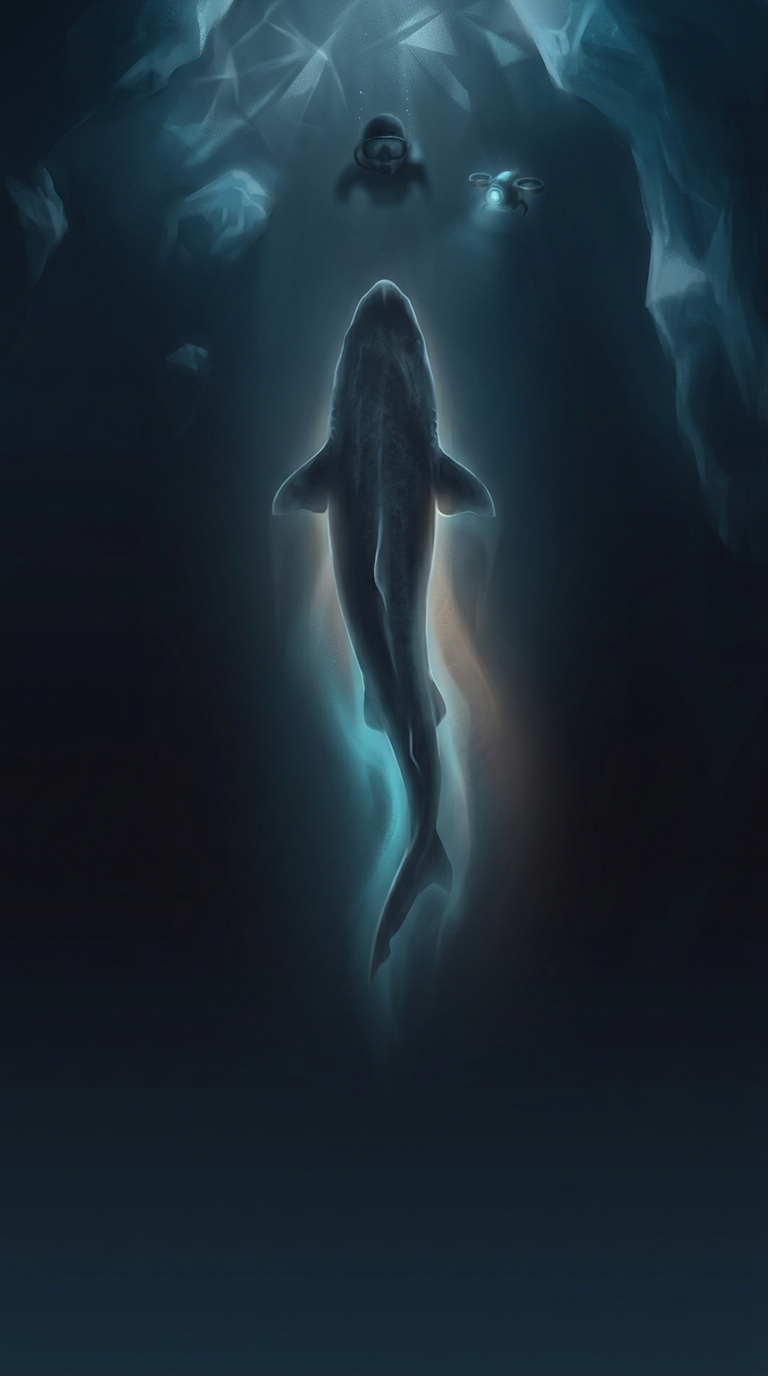
The deep ocean combines enormous habitat with unusually difficult access. Much of it lies far below the sunlit surface, where darkness, cold, and crushing pressure make ordinary diving impossible. Researchers must rely on specialized submersibles, cameras, and sampling equipment—and each expedition can inspect only a small patch of seafloor or water.
That leaves vast areas poorly observed. A creature can be common in a particular canyon or patch of deep-sea mud and still remain unknown if no instrument has passed through its habitat or brought it to the surface for identification.
Darkness and Scarce Food Shape Unfamiliar Bodies
Without sunlight, deep-sea animals cannot depend on plants growing nearby as the base of their food supply. Many survive on falling organic matter from above, while others hunt, scavenge, or feed on chemical energy near seafloor vents. Food can be scarce and unpredictable, favoring ways to find prey, conserve energy, or make the most of a rare meal.
Some species produce bioluminescence—light made by living organisms. It can help attract prey, communicate, or disguise an animal’s outline against faint light from above. Other deep-sea animals have oversized mouths, unusual jaws, delicate feelers, or transparent bodies. These forms may look otherworldly to us, but they are practical responses to particular conditions, not signs of life from another world.
Seeing an Animal Is Only the First Step
A camera can reveal a creature without showing whether it is a known species, how it behaves, or where else it lives. Identification may require a specimen and careful comparison of its anatomy; fragile animals can also be damaged during collection or change after being brought into different pressure and light conditions.
So the deep sea’s mystery is not simply that it is far away. Its habitats are hard to reach, hard to observe, and varied enough that brief glimpses leave much to learn. A single expedition may capture an animal no one has seen before, while leaving its life—and the neighboring creatures—largely hidden.