The ocean’s oxygen-makers are mostly microscopic
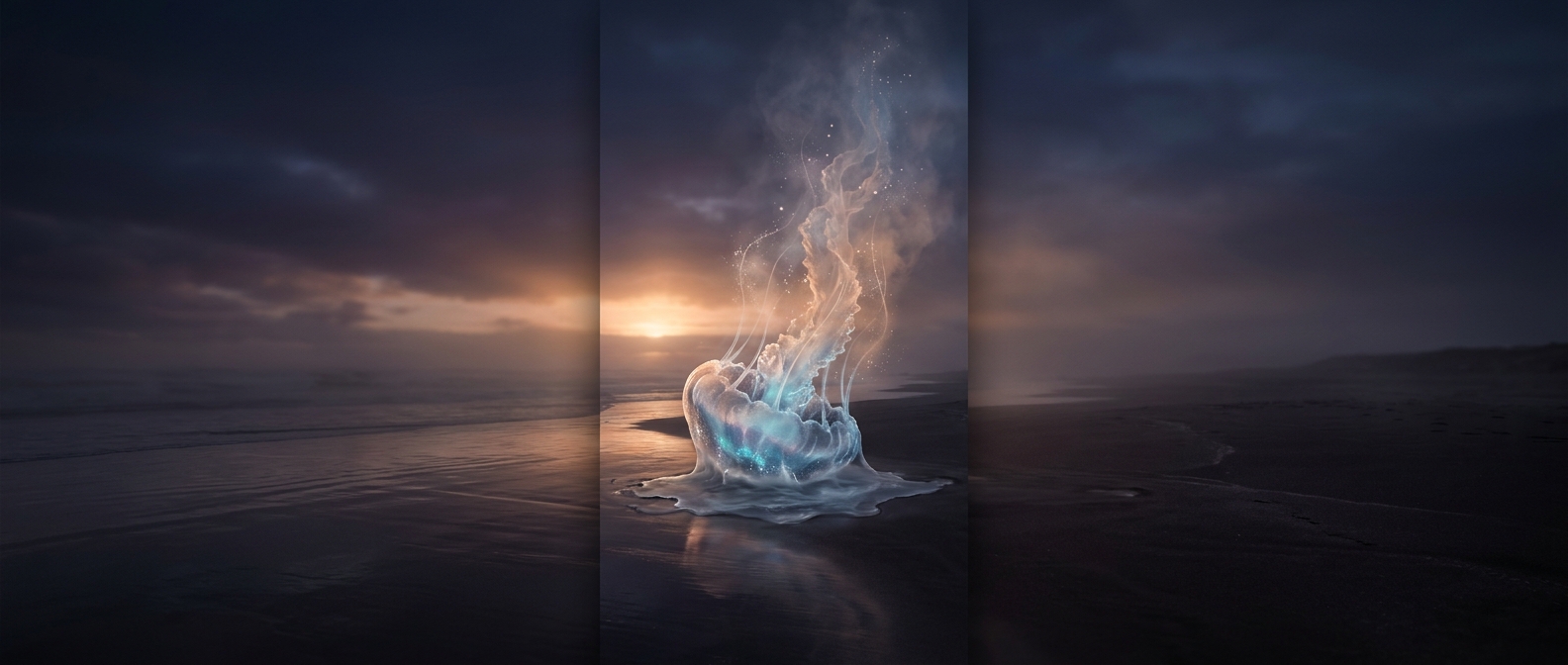
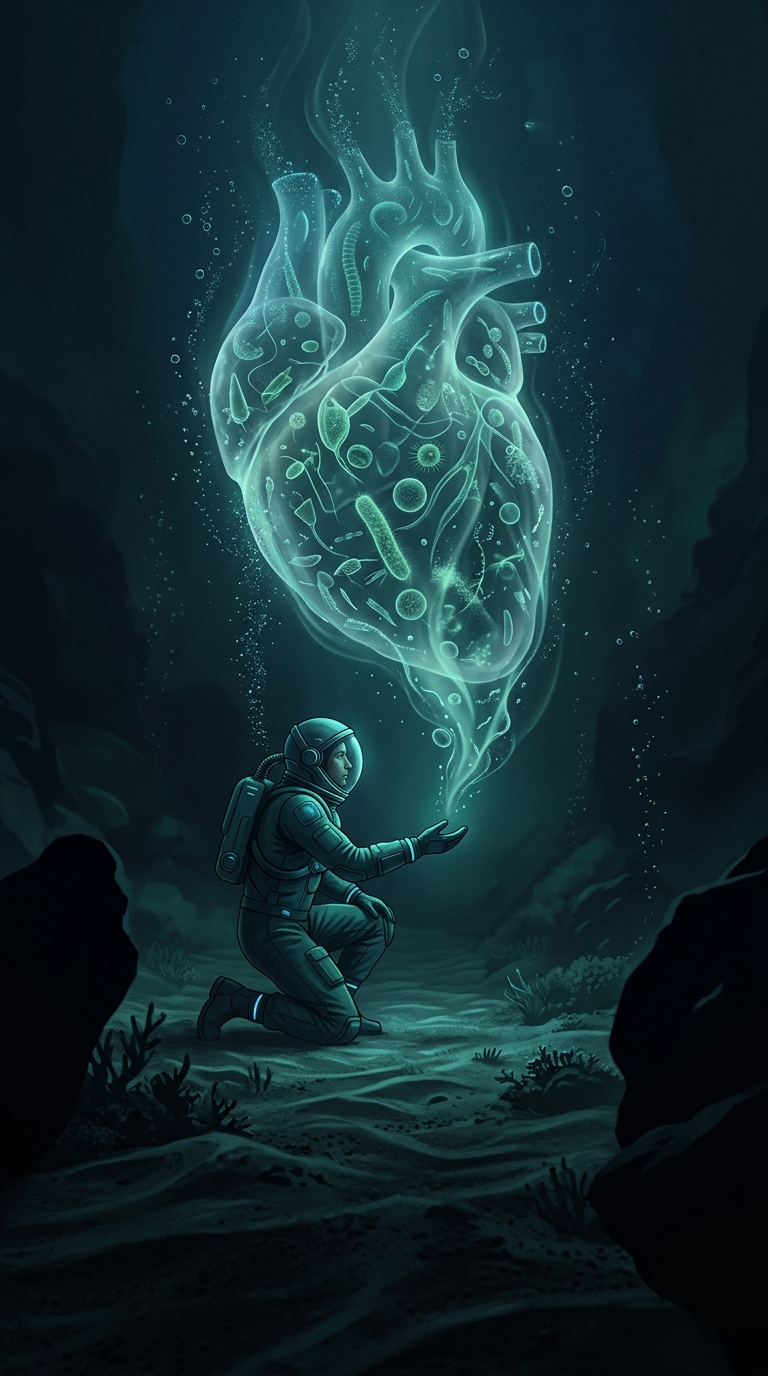
The answer is phytoplankton: tiny, free-floating organisms that live near the sunlit surface of the ocean. The name covers several kinds of life, including microscopic algae and photosynthetic bacteria. Though individually small, they are so abundant that together they account for a major share of the oxygen produced on Earth—often estimated at about half.
How photosynthesis puts oxygen into the air
Phytoplankton use sunlight to turn carbon dioxide and water into energy-rich sugars. In the process, they release oxygen. This is the same basic chemistry used by land plants, but it happens across enormous stretches of ocean wherever sunlight reaches.
Some of that oxygen dissolves in seawater, where marine life uses it; some moves from the ocean into the atmosphere. The oxygen in the air is therefore not delivered by a single species or place. It reflects photosynthesis by ocean organisms and plants on land, accumulated over time.
Why their small size matters
A forest makes oxygen with leaves spread across the land. Phytoplankton do something similar on a planetary scale, using the sunlit ocean surface as their habitat. Their work also draws carbon dioxide out of the water, while the food they make supports marine food webs.
So the oxygen story begins not with a giant tree, but with countless microscopic organisms—each one photosynthesizing in a sunlit patch of sea.