Why ants deliver oxygen without blood
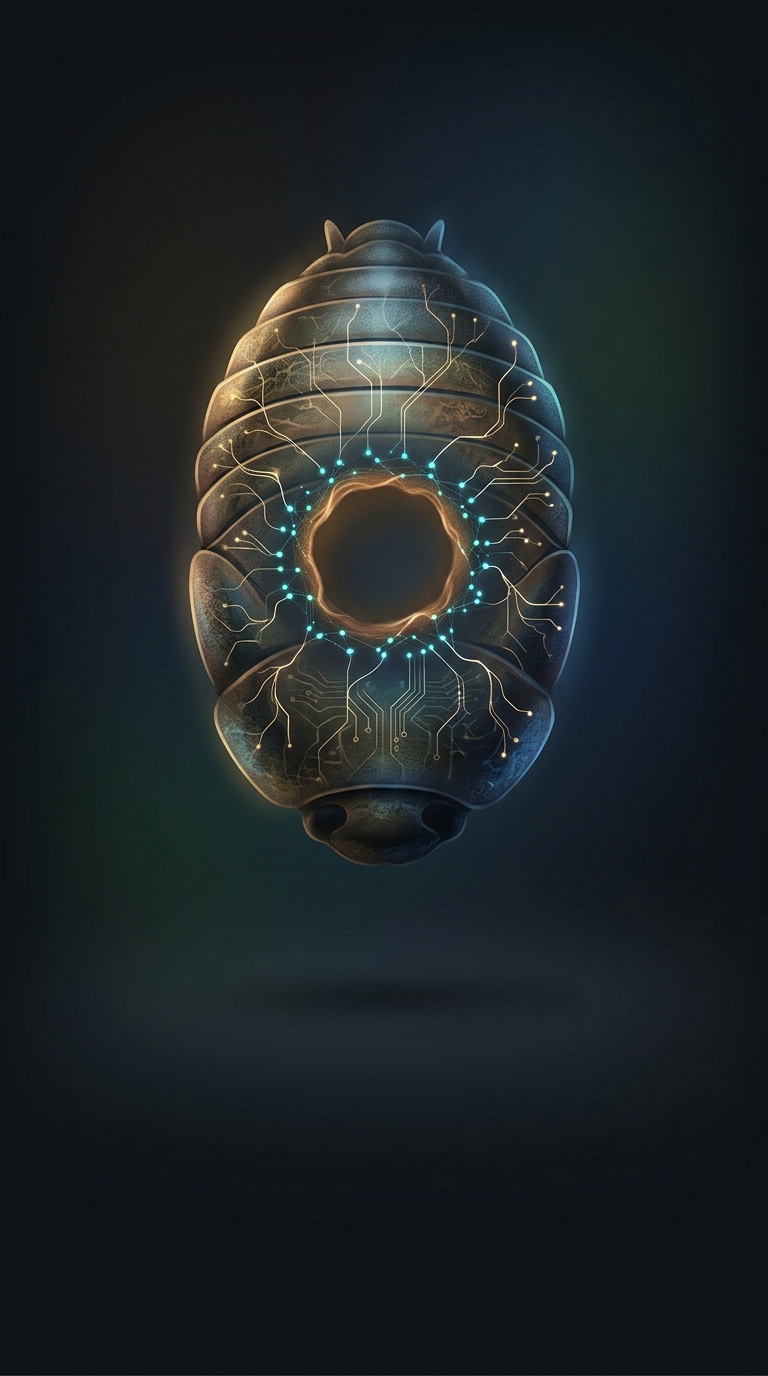
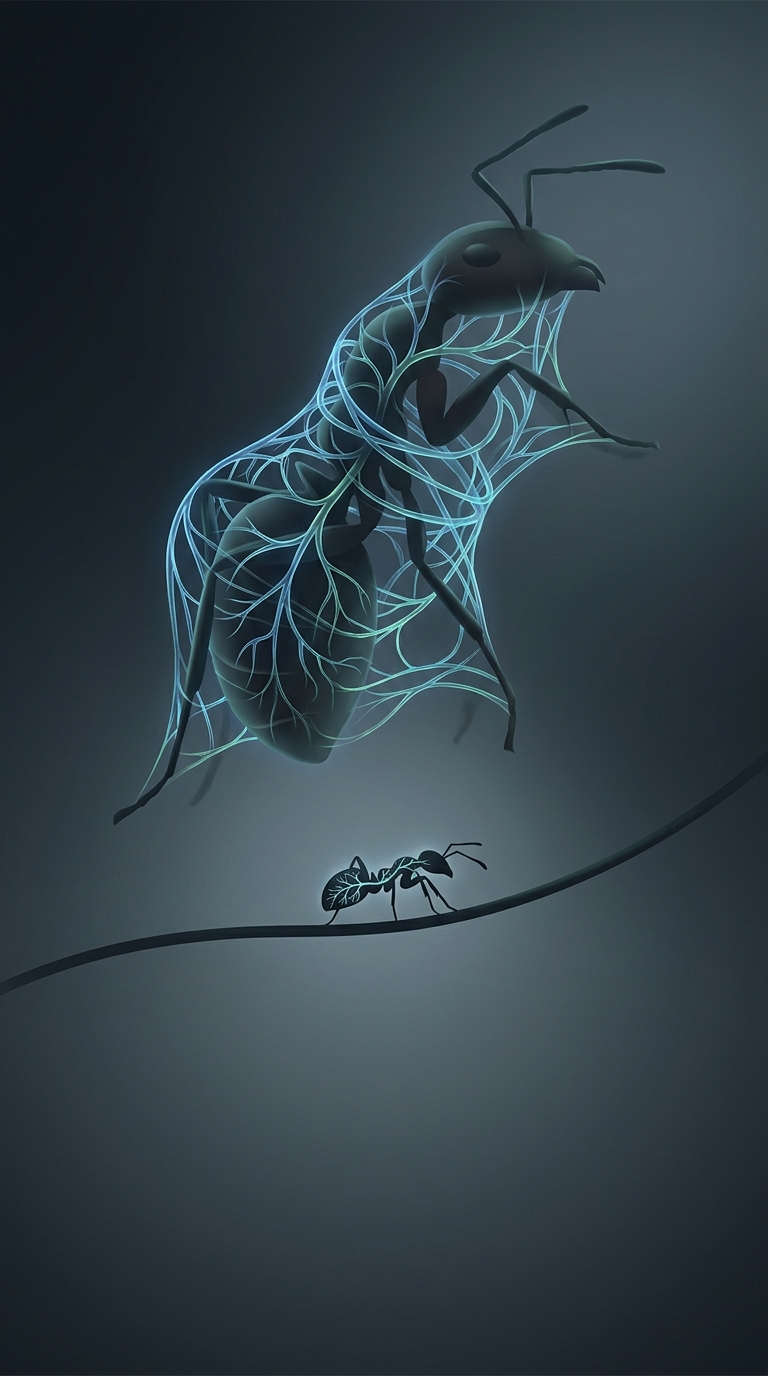
In a human, the lungs load oxygen into the blood, which carries it around the body. An ant’s tracheal system takes a more direct route: air moves through larger tubes that branch into ever finer passages, bringing oxygen close to individual tissues. From there, oxygen crosses the final tiny gap by diffusion—the natural movement of molecules from a region where they are more concentrated to one where they are less concentrated.
That arrangement makes distance crucial. Oxygen does not have to travel through an ant’s body in a central stream of blood; it only has to cross a short distance from a fine air tube into a nearby cell. The system works especially well at insect scale, where bodies are small and tissues can remain near the branching airways.
The openings are also a tradeoff
Spiracles are not simply permanently open holes. Insects can regulate them, limiting how much water escapes while still allowing gas exchange. That matters because airways connected to the outside could also let moisture leave the body. An ant’s breathing system therefore has to balance access to oxygen with conserving water.
Some insects also move their bodies to push air through the tubes, rather than relying only on diffusion. But as an animal gets larger, the distances inside it grow: oxygen must travel farther through the airway network, and passive diffusion becomes less effective. Active pumping can help move air, yet it does not erase the basic challenge of supplying deep tissues through a system built around air tubes rather than oxygen-carrying blood. The ant’s tiny size is part of what makes its unusual route practical.