Why Mars’s sunset turns blue near the Sun
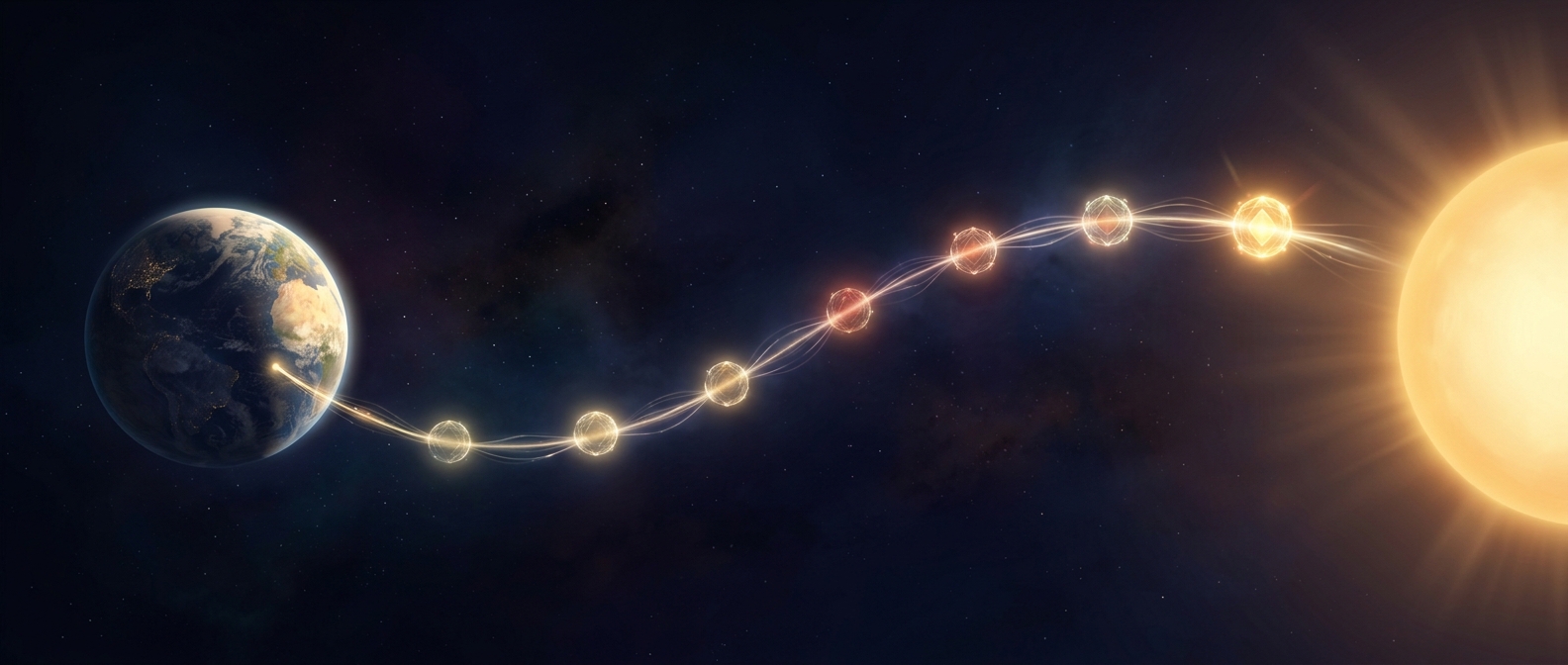
The color comes from how sunlight travels through dust, not from a blue light source. Mars’s atmosphere is very thin, but it contains fine dust that can remain aloft and interact with sunlight. As the Sun sinks, its light crosses a longer stretch of that dusty air before reaching an observer.
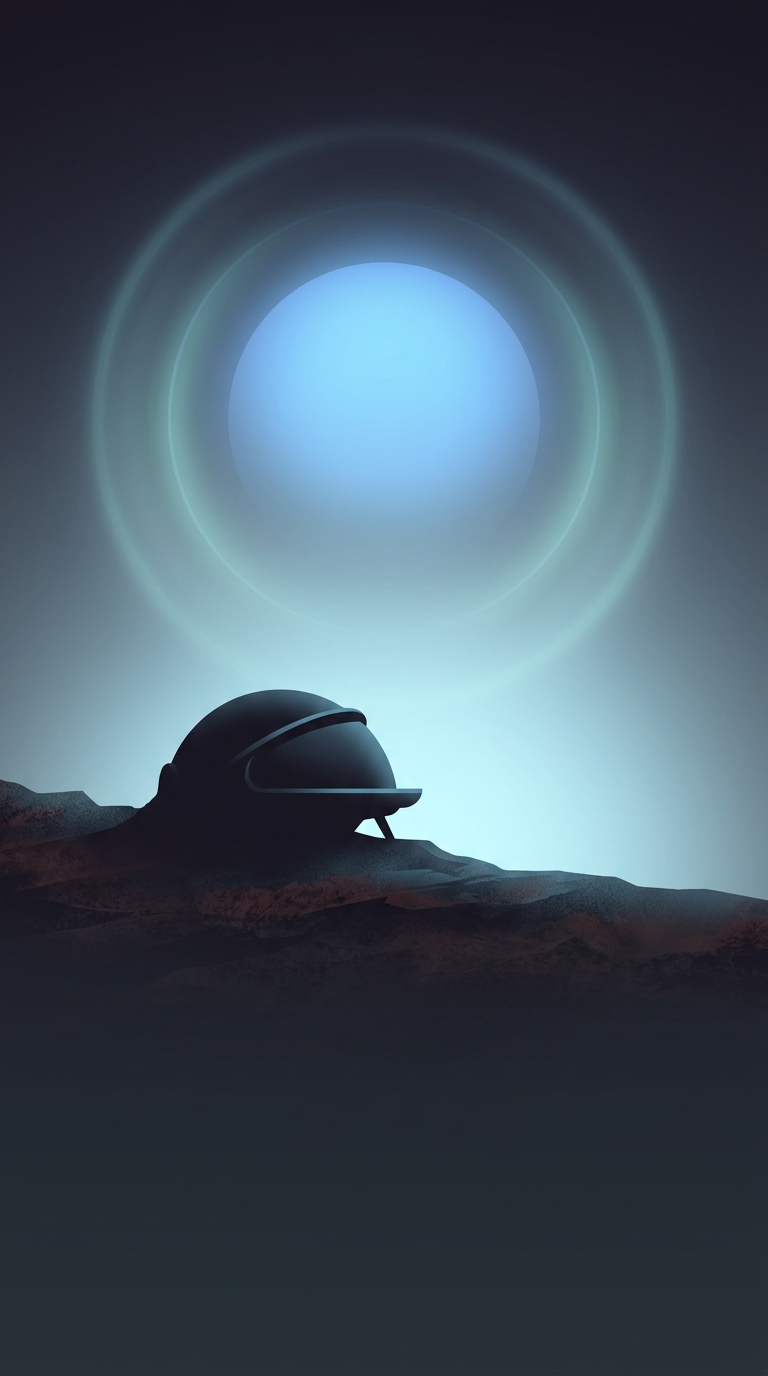
The dust redirects some of the light. Crucially, it sends blue light forward—roughly in the direction the sunlight was already traveling. Near sunset, that forward-scattered blue light can reach an observer looking toward the Sun, tinting the area around it. Red and orange light, by contrast, is spread more broadly through the dusty sky, which is why the rest of the sky can look rusty.
A different kind of scattering from Earth’s
On Earth, tiny air molecules scatter blue light widely across the sky. That scattered light reaches us from many directions, making the daytime sky blue; near sunset, much of the direct sunlight has lost blue light along its long path, leaving warmer colors near the horizon.
Mars’s dust behaves differently from Earth’s much smaller air molecules. Its particles redirect light in a more directional way, concentrating the blue effect near the Sun rather than painting the whole sky blue. The striking color is therefore a matter of where the scattered light goes: look away from the Sun and the Martian sky remains largely red, but look toward it at sunset and the dust can make the glow blue.