stackyFACTS
Science

Schmidt realized quasars were incredibly far away

HERE’S THE INTERESTING PART

Maarten Schmidt was analyzing bizarre radio sources that looked exactly like standard stars but emitted deeply strange light signatures. He realized the spectral lines were massively shifted, meaning these objects were retreating at incomprehensible speeds. He accidentally uncovered the brightest, most violently active galactic cores sitting at the very edge of observable space.
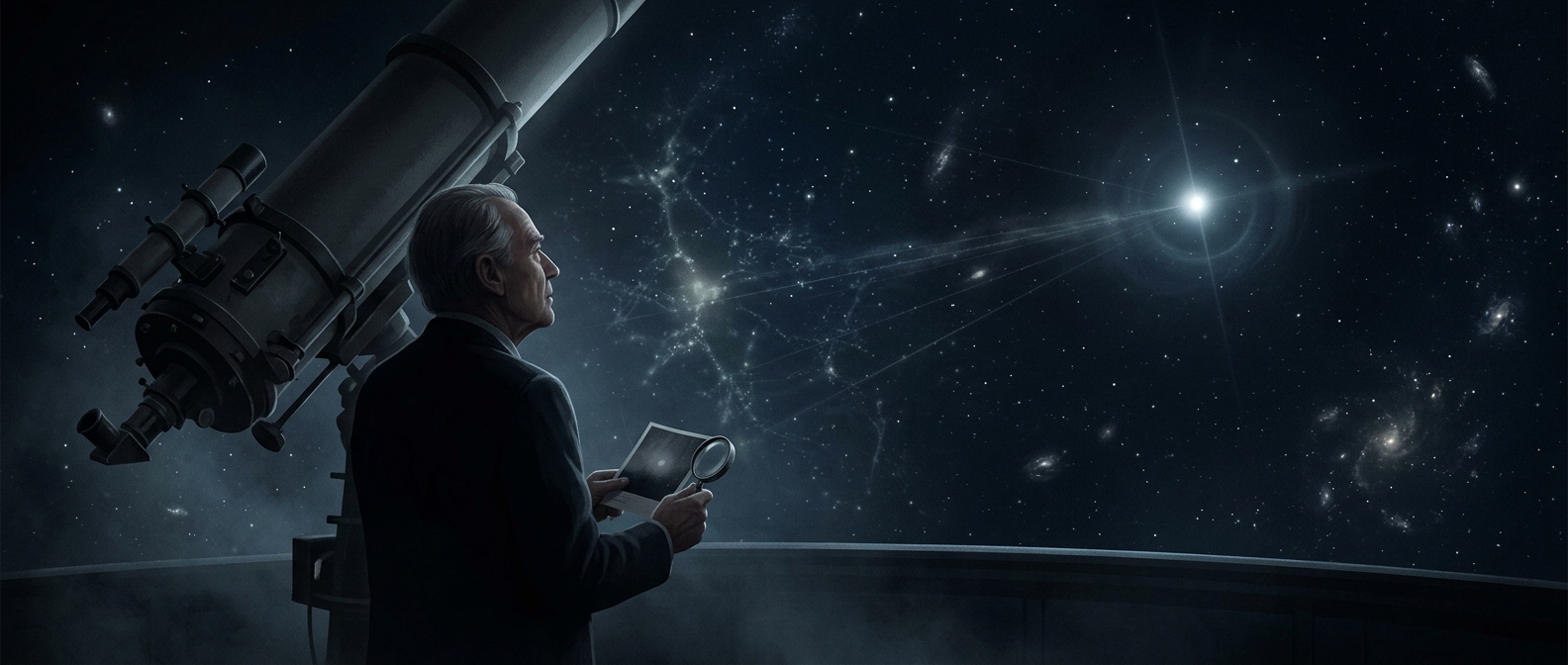
Schmidt realized quasars were incredibly far away
STACKY / Science
One discovery leads to another.

Keep exploring facts in this topic.

Science →
STACKY FOR IPHONE

A bigger world.
One discovery
at a time.

Keep discovering with Stacky. Interesting facts in an app that is always within reach.

Download on the App Store
ONE MORE DISCOVERY?

Keep exploring

All in this topic →
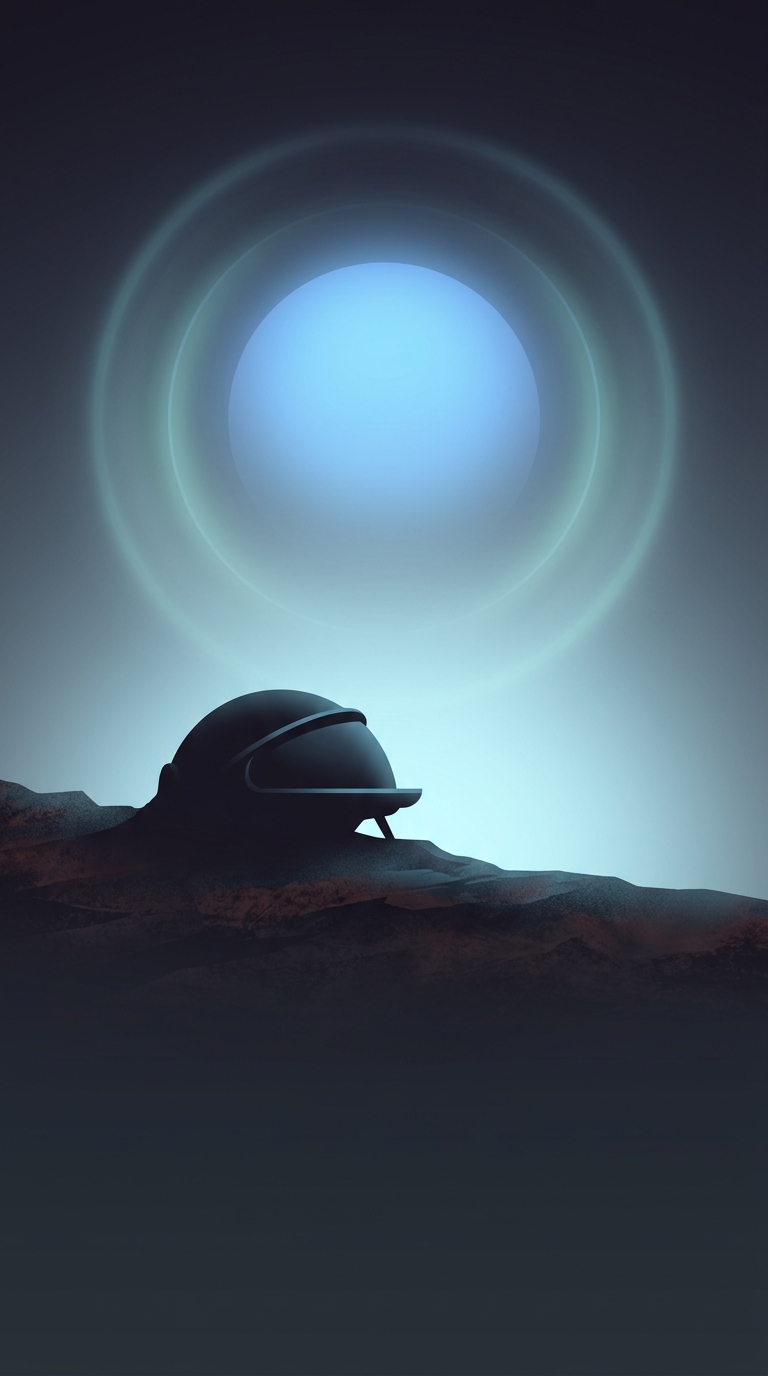
Martian sunsets glow with a distinct, eerie blue hue due to the fine dust particles permanently suspended in the planet's thin atmosphere.
Science

Martian sunsets glow with a distinct, eerie blue hue due to the fine dust particles permanently suspended in the planet's thin atmosphere.

Martian sunsets glow with a distinct, eerie blue hue due to the fine dust particles permanently suspended in the planet's thin atmosphere. While Earth's…

Discover more
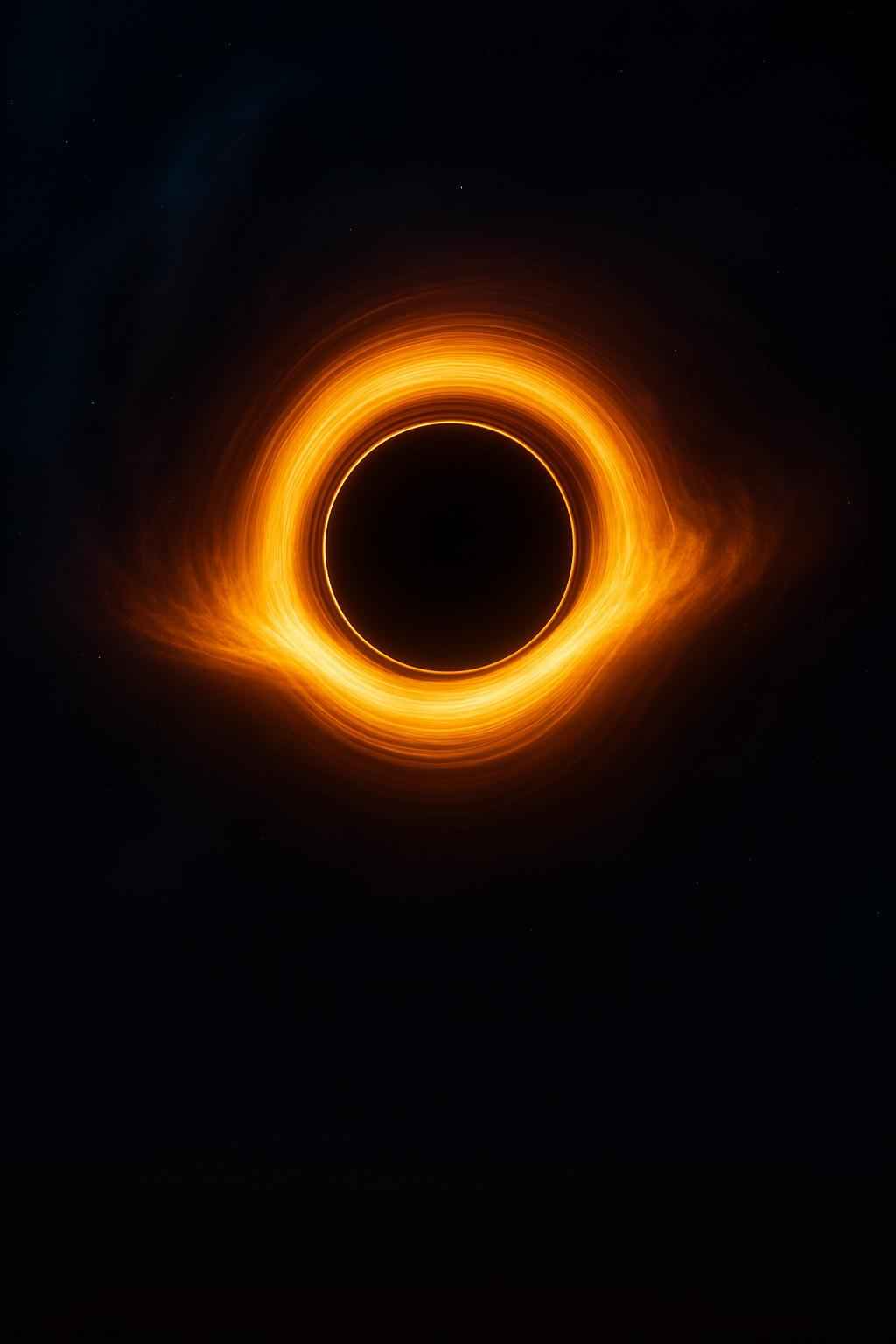
Imagine a sphere of darkness so dense that time loops around it — not in theory but in orbit, a black hole devouring its own reflection.
Science

Imagine a sphere of darkness so dense that time loops around it — not in theory but in orbit, a black hole devouring its own reflection.

Imagine a sphere of darkness so dense that time loops around it — not in theory but in orbit, a black hole devouring its own reflection. Scientists recently…

Discover more
A swinging weight showed Earth was rotating
Science

A swinging weight showed Earth was rotating

Before this grand demonstration, everyone just blindly accepted planetary rotation without seeing it happen locally. Leon Foucault hung a massive brass weight…

Discover more
Every minute, Earth’s magnetic field ripples as charged particles from the Sun slam into it—creating auroras we barely glimpse.
Science

Every minute, Earth’s magnetic field ripples as charged particles from the Sun slam into it—creating auroras we barely glimpse.

Every minute, Earth’s magnetic field ripples as charged particles from the Sun slam into it—creating auroras we barely glimpse. What’s wilder: scientists…

Discover more
The giant water cloud orbiting a black hole
Science

The giant water cloud orbiting a black hole

Turns out the universe has its own terrifying water park. Floating 12 billion light-years away, there is a quasar surrounded by a cloud of water vapor…

Discover more
Tidal friction caused by the gravitational pull of the moon is slowly dragging on the Earth's rotation, causing the length of a single day to increase by about one point eight milliseconds every century.
Science

Tidal friction caused by the gravitational pull of the moon is slowly dragging on the Earth's rotation, causing the length of a single day to increase by about one point eight milliseconds every century.

Tidal friction caused by the gravitational pull of the moon is slowly dragging on the Earth's rotation, causing the length of a single day to increase by…

Discover more
StackyMore discoveries in the app
Download on the App Store