How a tidal bulge puts a torque on Earth
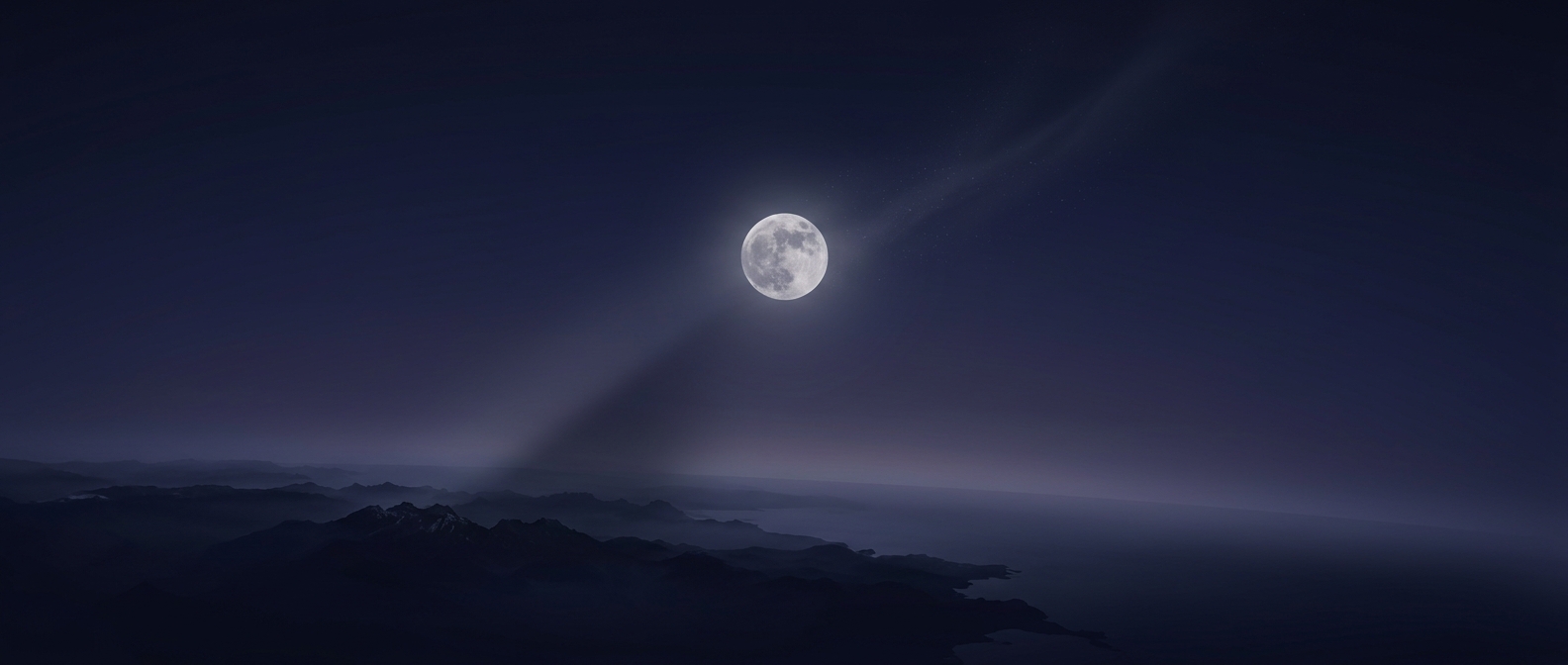
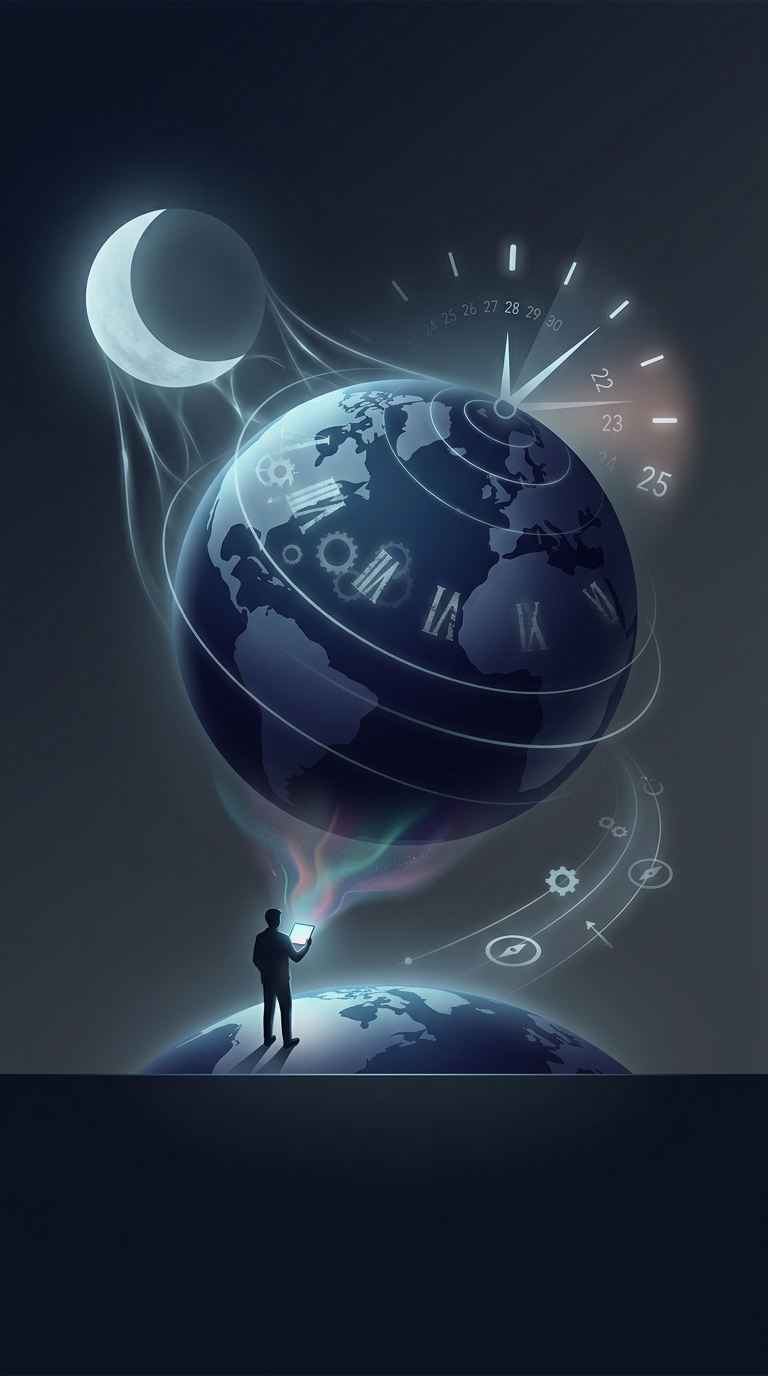
The Moon’s gravity pulls more strongly on the side of Earth facing it than on the far side. That difference stretches the planet slightly, producing tidal bulges in the oceans and, to a smaller extent, in the solid ground. Because Earth spins faster than the Moon travels around it, the bulges are carried a little ahead of the Moon rather than staying directly beneath it.
The Moon’s gravity pulls on that offset mass. This creates a torque—a twist that slows Earth’s rotation and pushes the Moon forward in its orbit. The effect is not simply water rubbing against the seafloor: friction within moving oceans and other tidal processes dissipate energy, while the gravitational pull on the displaced bulges transfers angular momentum between Earth and the Moon.
Where the spin’s lost motion goes
Angular momentum is a measure of rotational motion. In the Earth–Moon system, it is redistributed rather than disappearing: Earth loses some of its spin, and the Moon gains orbital motion. A faster, wider orbit means the Moon gradually moves farther away. The energy involved does not all become orbital energy; much is converted to heat through tidal friction.
The quoted increase in day length is a long-term average, not a clockwork change that adds exactly the same amount every century. Ocean depths, coastlines, and the arrangement of continents affect how tides move and how efficiently they brake Earth. For people, the change is imperceptible—but over geological time, the same gentle drag adds up to a noticeably slower-spinning planet.