stackyFACTS
Science

The moon is slowly leaving Earth

HERE’S THE INTERESTING PART

Our supposedly loyal satellite is pulling a slow-motion vanishing act. Thanks to the tidal friction between Earth and the moon, rotational energy is constantly being transferred into orbital energy, pushing the moon away by a couple of inches annually. Give it enough eons, and total solar eclipses will be literally physically impossible.

The moon is slowly leaving Earth
STACKY / Science
One discovery leads to another.

Keep exploring facts in this topic.

Science →

STACKY FOR IPHONE

A bigger world.
One discovery
at a time.

Keep discovering with Stacky. Interesting facts in an app that is always within reach.

Download on the App Store
ONE MORE DISCOVERY?

Keep exploring

All in this topic →
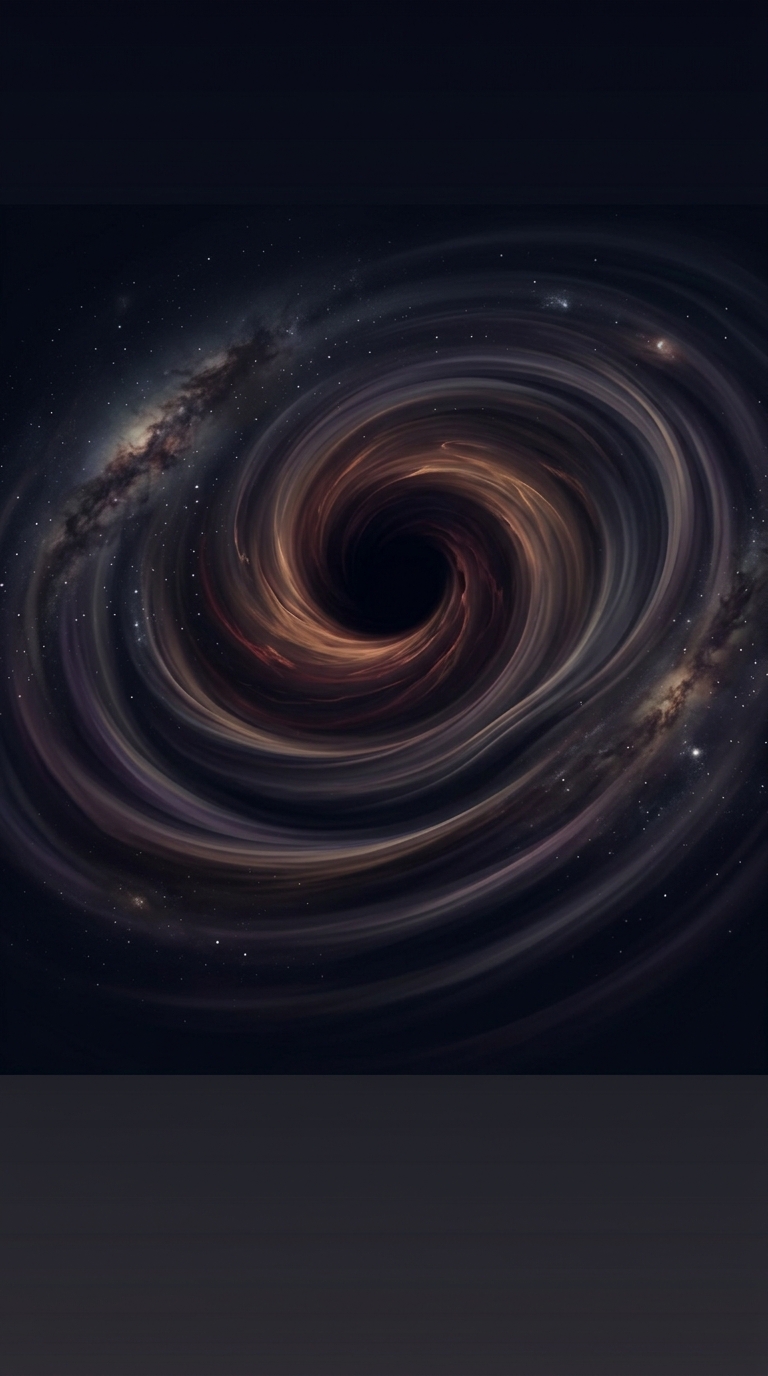
Imagine a sphere of darkness so dense that time loops around it — not in theory but in orbit, a black hole devouring its own reflection.
Science

Imagine a sphere of darkness so dense that time loops around it — not in theory but in orbit, a black hole devouring its own reflection.

Imagine a sphere of darkness so dense that time loops around it — not in theory but in orbit, a black hole devouring its own reflection. Scientists recently…

Discover more
Tidal friction caused by the gravitational pull of the moon is slowly dragging on the Earth's rotation, causing the length of a single day to increase by about one point eight milliseconds every century.
Science

Tidal friction caused by the gravitational pull of the moon is slowly dragging on the Earth's rotation, causing the length of a single day to increase by about one point eight milliseconds every century.

Tidal friction caused by the gravitational pull of the moon is slowly dragging on the Earth's rotation, causing the length of a single day to increase by…

Discover more
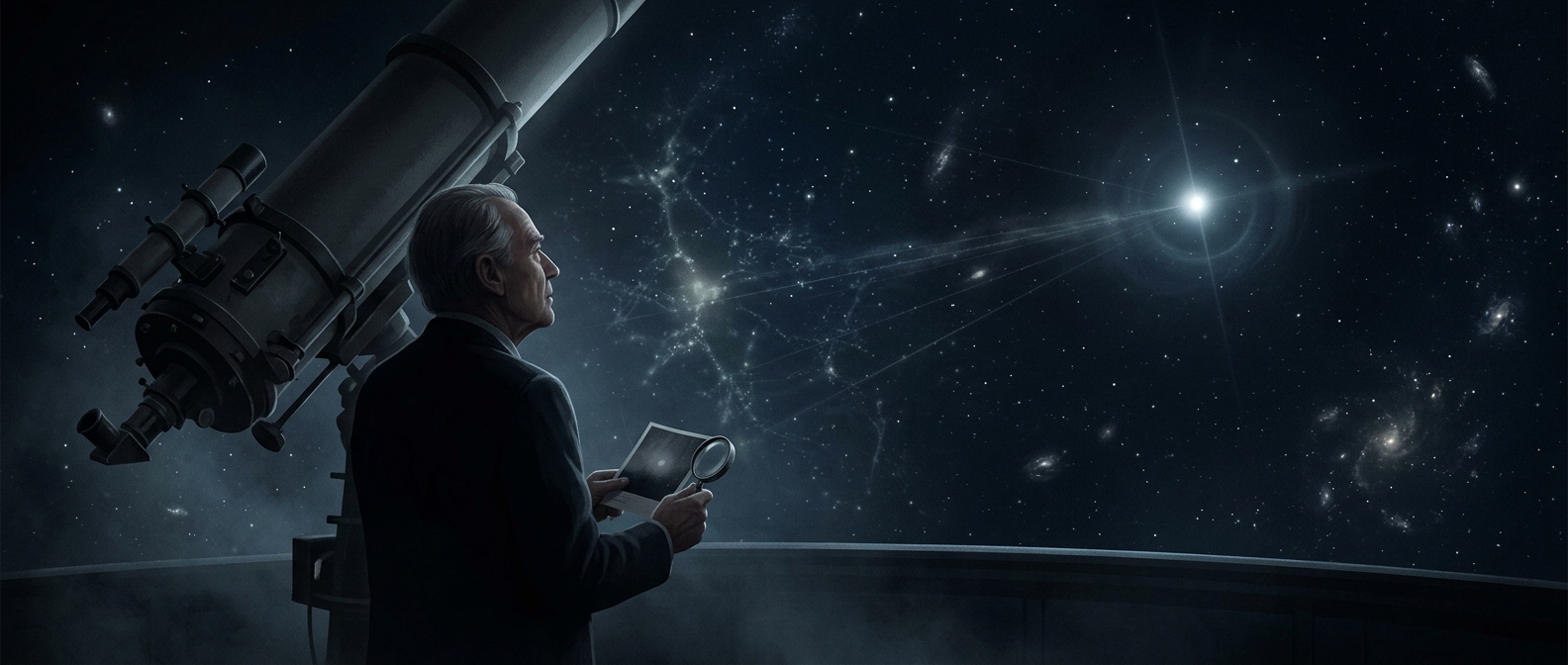
Schmidt realized quasars were incredibly far away
Science

Schmidt realized quasars were incredibly far away

Maarten Schmidt was analyzing bizarre radio sources that looked exactly like standard stars but emitted deeply strange light signatures. He realized the…

Discover more
Astronomers have isolated the sound of a supermassive black hole located in the Perseus galaxy cluster, and it registers as a B-flat that is fifty-seven octaves below middle C.
Science

Astronomers have isolated the sound of a supermassive black hole located in the Perseus galaxy cluster, and it registers as a B-flat that is fifty-seven octaves below middle C.

Astronomers have isolated the sound of a supermassive black hole located in the Perseus galaxy cluster, and it registers as a B-flat that is fifty-seven…

Discover more
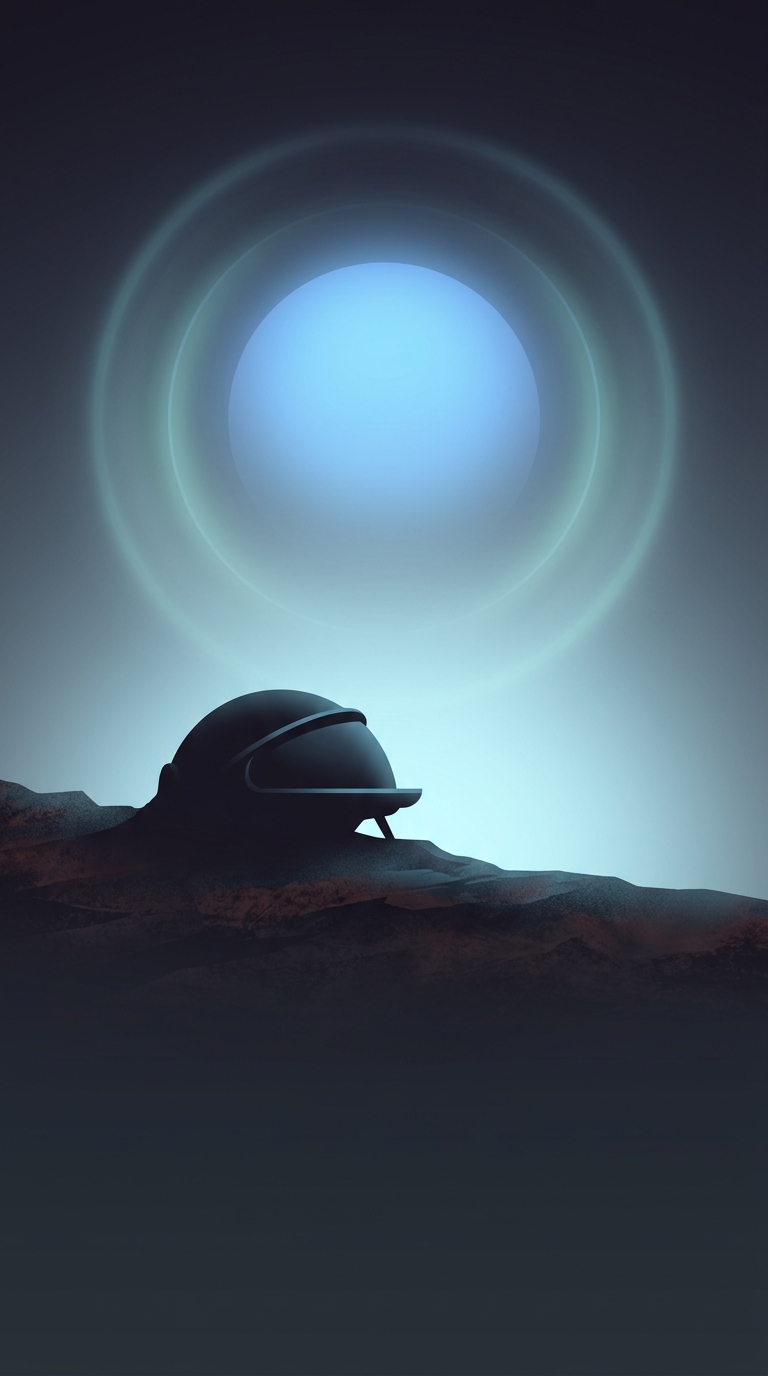
Martian sunsets glow with a distinct, eerie blue hue due to the fine dust particles permanently suspended in the planet's thin atmosphere.
Science

Martian sunsets glow with a distinct, eerie blue hue due to the fine dust particles permanently suspended in the planet's thin atmosphere.

Martian sunsets glow with a distinct, eerie blue hue due to the fine dust particles permanently suspended in the planet's thin atmosphere. While Earth's…

Discover more
Sound waves travel through the dense plasma of the sun, creating acoustic pressure waves so immensely loud that they would permanently deafen everyone on Earth if space were not a vacuum.
Science

Sound waves travel through the dense plasma of the sun, creating acoustic pressure waves so immensely loud that they would permanently deafen everyone on Earth if space were not a vacuum.

Sound waves travel through the dense plasma of the sun, creating acoustic pressure waves so immensely loud that they would permanently deafen everyone on…

Discover more
StackyMore discoveries in the app
Download on the App Store