How a black hole can make pressure waves
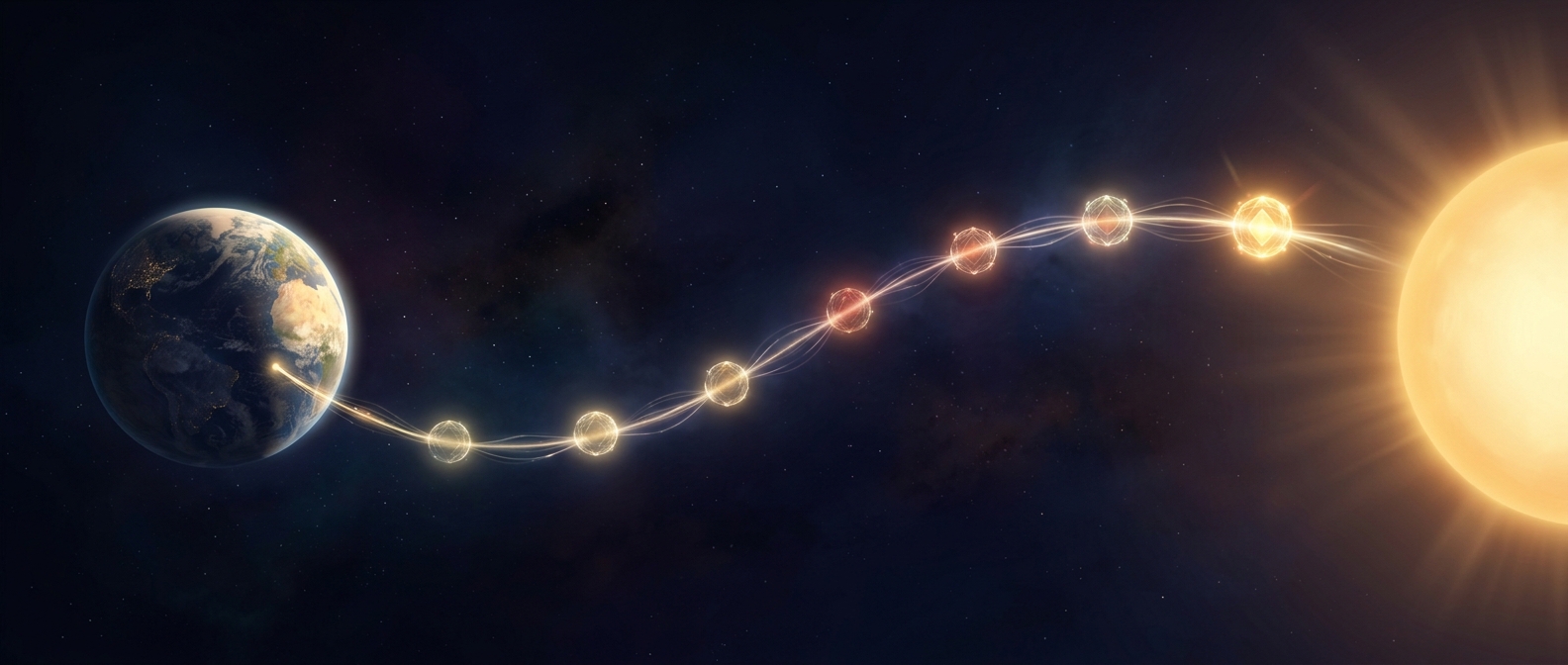
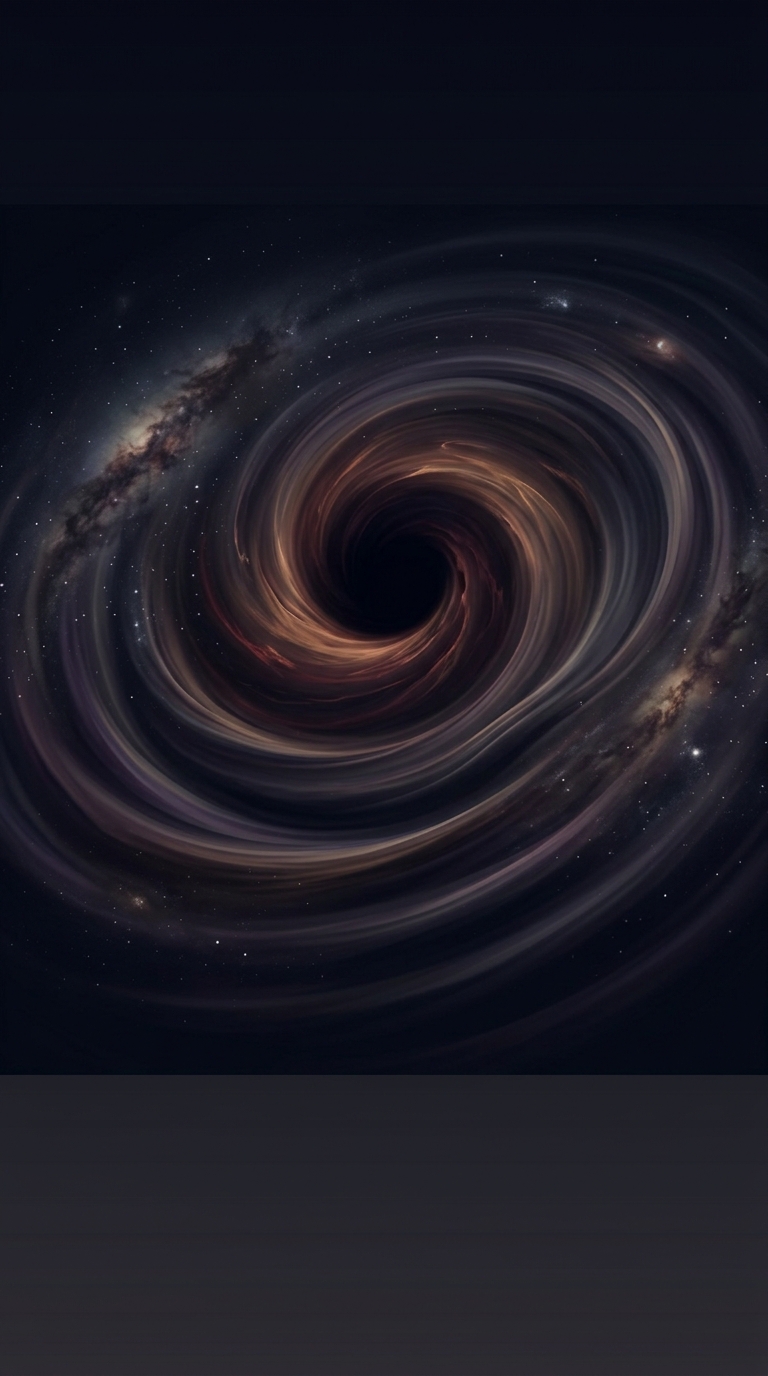
The sound begins with matter falling toward the supermassive black hole at the center of the Perseus cluster. The black hole does not simply swallow everything nearby: some of the infalling material powers jets that push into the surrounding gas. Those jets inflate enormous bubbles, and as the bubbles expand and move outward, they disturb the gas around them.
The cluster’s gas is extraordinarily hot, but it is still matter. A pressure wave can travel through it much as a sound wave travels through air, compressing and thinning the gas in succession. In this case, the wave’s cycle is so slow that its natural pitch lies far below anything a human ear can detect.
From cosmic ripple to audible note
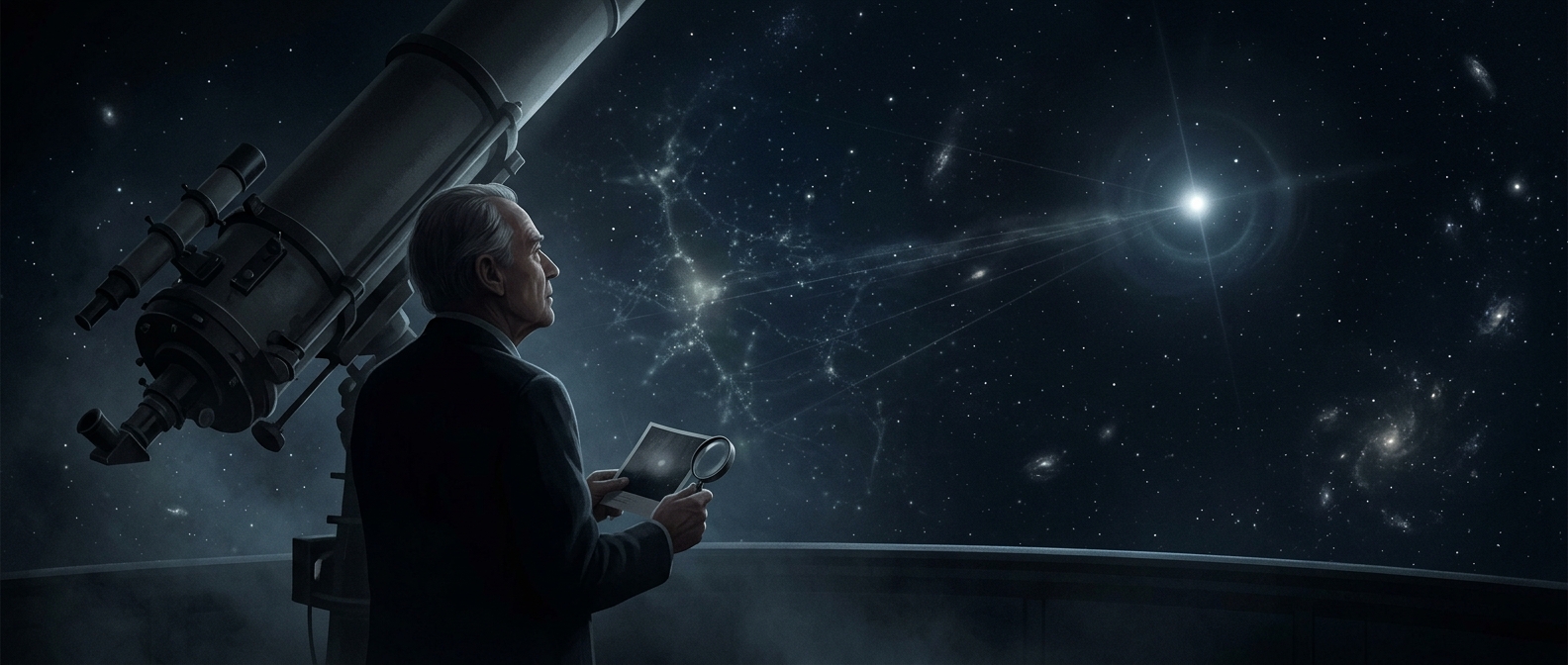
Astronomers inferred the wave from observations of the cluster’s hot gas, then shifted its frequency upward so it could be heard. That process is called sonification: translating measured data into sound. The resulting note is not a recording of noise captured by a microphone near the black hole. It is an audible rendering of a real pressure pattern, sped up by an immense amount.
The wave also helps explain the cluster
These ripples matter because the gas between galaxies can radiate energy and cool. Left unchecked, that cooling could allow gas to settle toward the cluster’s center and form stars. Energy from the black hole’s outbursts stirs and heats the gas, helping counter that cooling. The pressure wave is therefore both a signal astronomers can analyze and part of a feedback process that shapes the environment around the black hole.
A cosmic rumble too slow for ears can still leave a trace in the gas—and help keep a galaxy cluster from cooling in the way it otherwise might.