Why a Sated Cat Still Hunts
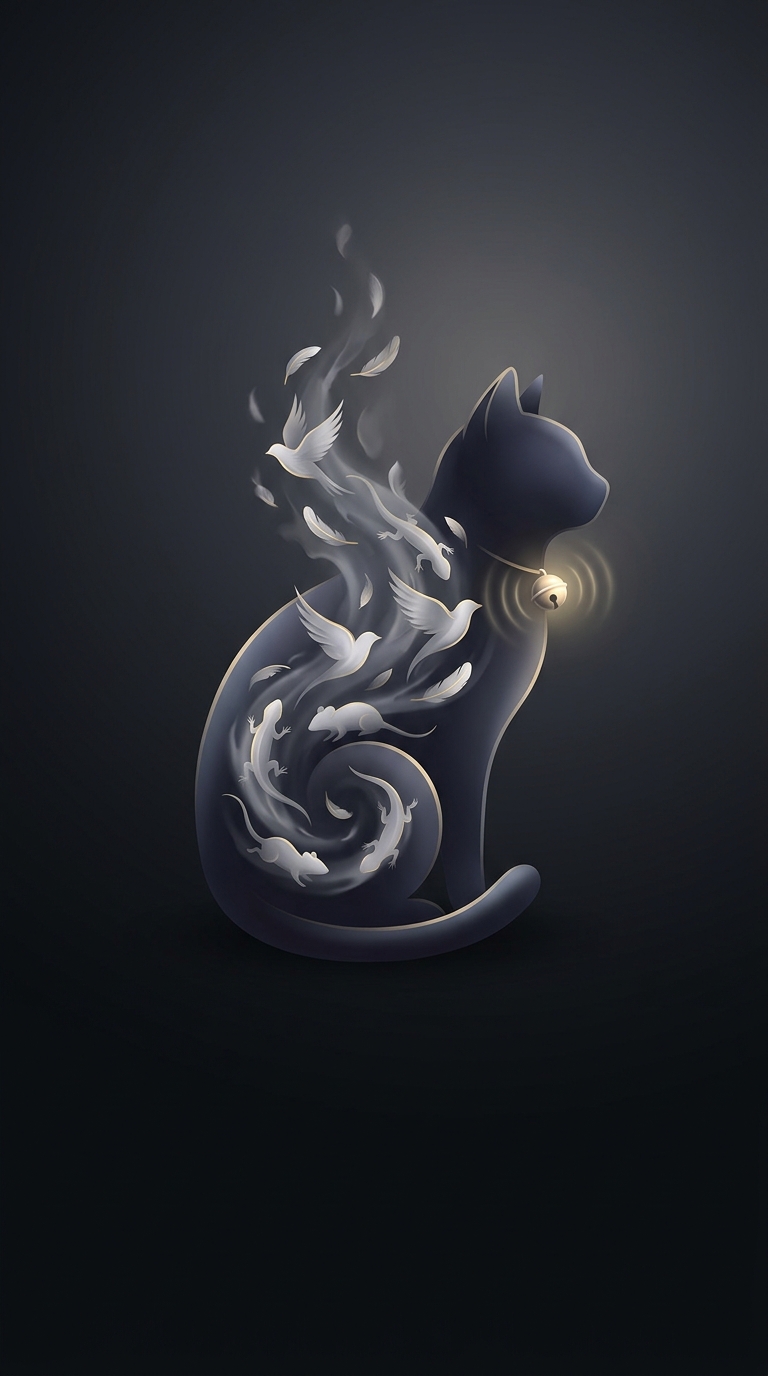
Eating and hunting are related, but they are not the same behavior. A cat may hunt because moving prey triggers a sequence of actions—stalking, chasing, pouncing, and biting—that can be rewarding in itself. A meal can satisfy hunger without switching off that response. This is why adding food to a pet’s bowl does not reliably prevent it from catching wildlife.
How Cats Become an Invasive Threat
An invasive alien species is an organism carried by people beyond its native range that establishes itself and harms local ecosystems. Domestic cats traveled with humans, including aboard ships, and became established in places where native animals had evolved without feline predators.
On islands, the danger can be especially acute. Birds that nest on the ground, small mammals, and reptiles may have few defenses against a new hunter. Cats can kill adult animals as well as young, and repeated predation can compound the pressure on species already limited to small populations or restricted habitats.
The Risk Is Not Just Hunger
A cat does not have to be starving to make an encounter dangerous. Hunting can continue even when food is plentiful, so access to a regular meal is not a dependable wildlife-protection measure. The key consequence is practical: keeping cats from roaming where vulnerable wildlife lives can matter more than simply feeding them well.