Science
Discover facts about science. Small discoveries that change the way you see familiar things.
Science

Denial-of-service attacks overwhelm servers with garbage
A denial-of-service attack floods a server with so many requests that its network or computing power gets used up. Legitimate visitors then have too little…
Discover more
Load balancers distribute heavy traffic to prevent meltdowns
When you visit a busy website, a load balancer acts like a dispatcher, sending each request to a server. It also checks whether those servers are still…
Discover more
A $15 debt reportedly inspired a $400 invention
Walter Hunt's friend recalled him bending wire into a safety pin, making a model and selling the idea for $400 within three hours. A springy coil kept it…
Discover more
Regular expressions search complex text using dense syntax
A regular expression looks for a pattern in text, not one exact word. You could ask it to find some characters, then an @ sign, then more characters—a shape…
Discover more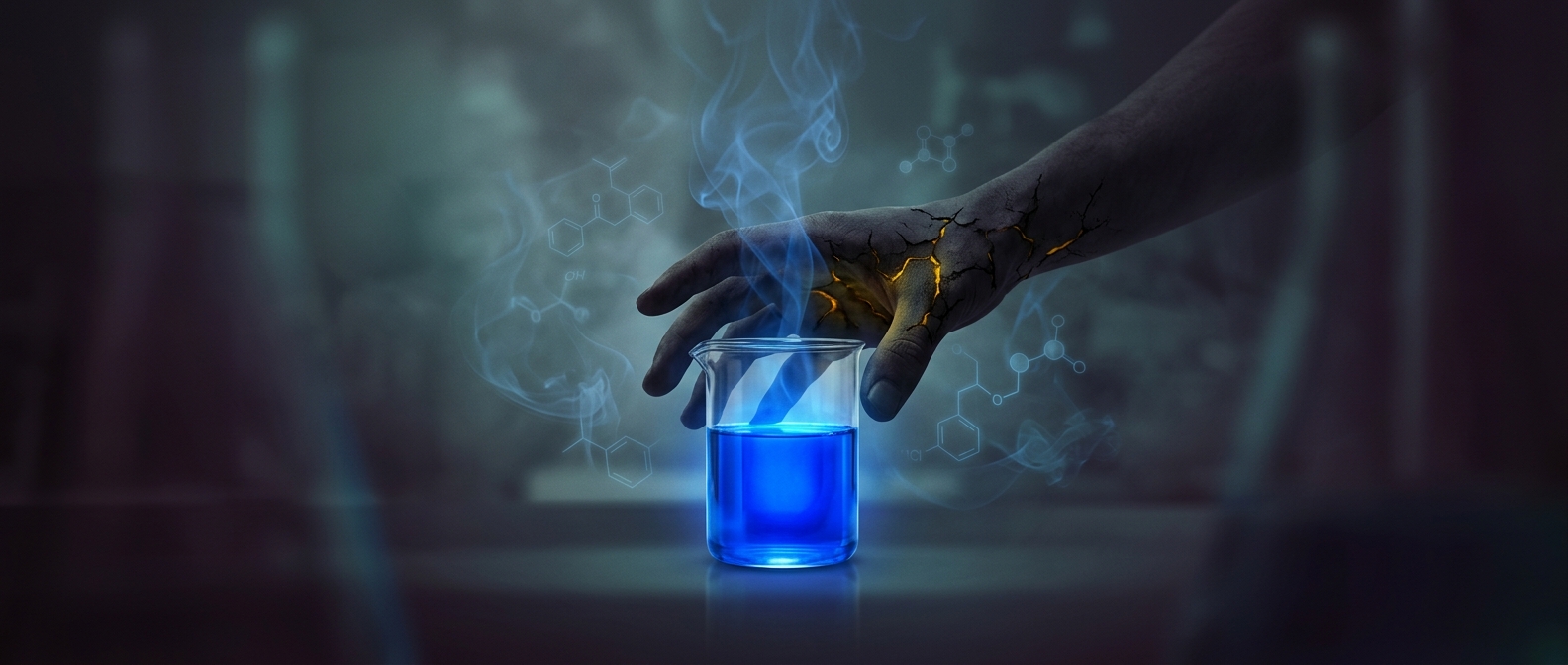
Prussian blue has a poisonous secret
In Prussian blue, cyanide is held inside a stable crystal, so the alarming ingredient isn’t freely available under ordinary conditions. Strong heat or acid…
Discover more
Firewalls violently block unauthorized network traffic
When data tries to enter or leave a network, a firewall inspects it and applies rules chosen for that network. Approved packets pass; others are blocked. The…
Discover more STACKY FOR IPHONE
A bigger world.
One discovery
at a time.
Keep discovering with Stacky. Interesting facts in an app that is always within reach.

Optical character recognition converts images into text
OCR starts with a page full of pixels and looks for patterns that resemble letters. Then it uses nearby words to choose between look-alikes—but a smudge can…
Discover more
Version control systems track every single code alteration
A version-control system usually saves a change when a developer commits it, not with every tap of the keyboard. Each commit is a checkpoint the team can…
Discover more
Lorem ipsum functions as meaningless typographical filler
Lorem ipsum began as altered and scrambled writing from the Roman author Cicero, which is why it looks more like Latin than random keystrokes. Its familiar…
Discover more
English without “to be” sounds like this
Without “to be,” you may have to report how something appears: “The sky looks blue to me” instead of “The sky is blue.” That wording makes the speaker’s point…
Discover more
Relational databases organize information into strict tables
Each order stores a customer ID, not a fresh copy of the customer’s name and address. The database follows that ID to one customer record, so changing the…
Discover more
Kerning adjusts the awkward negative space between letters
Two letters can be evenly spaced by the numbers and still look oddly far apart. A and V, for example, leave a wedge-shaped gap between their diagonal strokes,…
Discover more
An LCD can show black while its backlight stays on
Liquid-crystal pixels control how much light from a backlight reaches your eyes. A black image can therefore mean blocking illumination rather than switching…
Discover more
The malaria fight helped create the aerosol can
The aerosol can’s big break came from a wartime problem: mosquitoes carrying malaria could hide inside enclosed spaces, so soldiers needed insecticide they…
Discover more
Containerization packages software with its dependencies
Think of a container as a separate workspace inside the host computer: the app and its dependencies stay together, while the operating-system kernel is…
Discover more
The # sign has a name stranger than hashtag: octothorpe
One technical name for # is “octothorpe”: “octo” points to the symbol’s eight points. The “thorpe” part has a murkier history, and the popular claim that it…
Discover more
The ampersand began as two letters
An ampersand is what happens when “et,” the Latin word for “and,” gets written in a hurry for centuries. The e and t curled together until they became a…
Discover more
Pangrams successfully utilize every single alphabet letter
A pangram uses every letter of the alphabet at least once, so the quick brown fox qualifies even though it repeats some letters. That makes pangrams handy for…
Discover more
Blockchain ledgers duplicate identical records across nodes
A blockchain can make many computers agree that a record was entered and left unchanged. But agreement about the record doesn’t prove the real-world claim…
Discover more
Early fighter engines sprayed pilots with a familiar laxative
Gnome rotary engines spun their cylinders with the propeller and threw out lubricating castor oil. A cowling directed much of it beneath the aircraft, but…
Discover more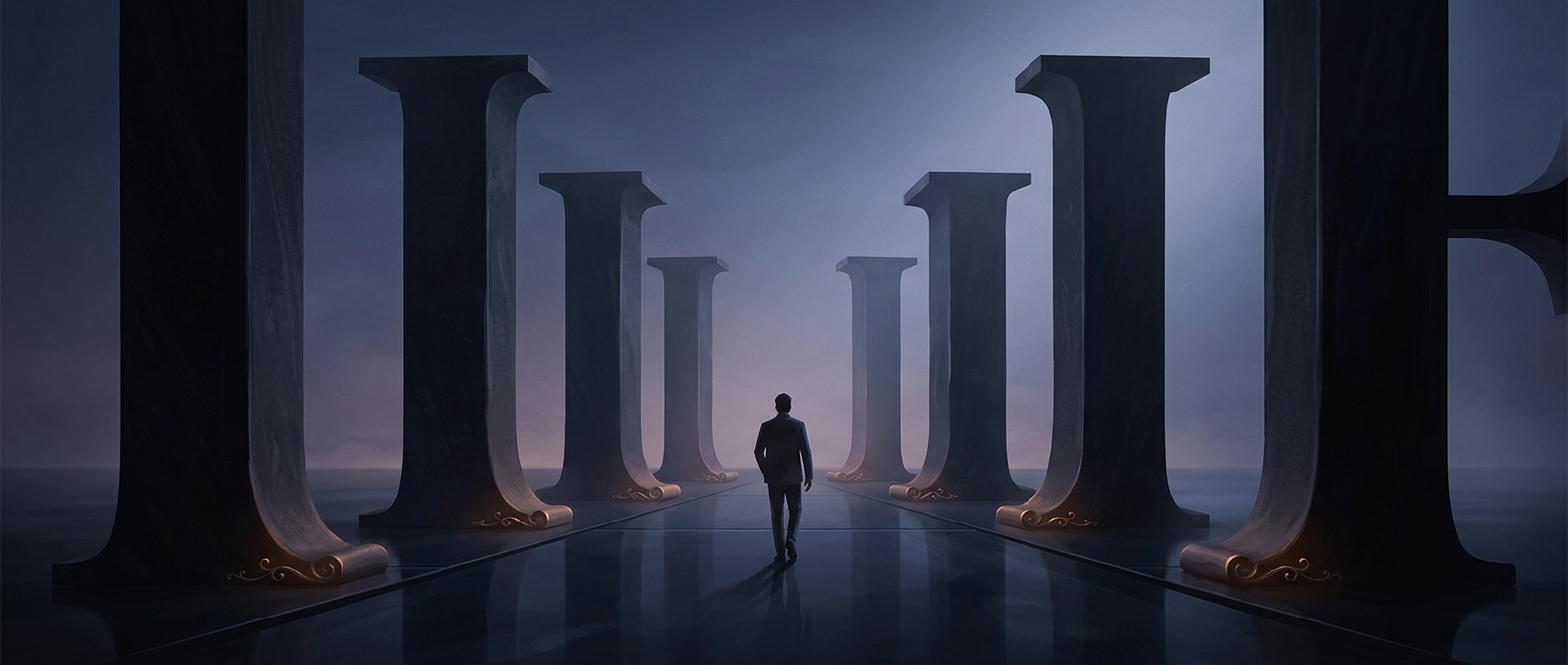
Serif fonts feature tiny decorative feet on letter strokes
The small finishing strokes on serif letters help give a typeface its look. Whether they make text easier to read depends on the font and how it’s displayed;…
Discover more
Virtual private networks encapsulate packets in tunnels
A VPN encrypts traffic on the trip from your device to its server, so people watching that stretch cannot readily read what you send. From there, the traffic…
Discover more
Application programming interfaces let software talk directly
An API gives two programs an agreed way to make requests and pass back answers. A weather app can ask a remote server for a forecast, then display the reply…
Discover more
The territories completely surrounded by another country
Lesotho is an independent country completely surrounded by South Africa. Any land route from Lesotho to another country has to cross South African territory,…
Discover more