Science
Discover facts about science. Small discoveries that change the way you see familiar things.
Science

How the space race made Velcro famous
The ultimate lazy shoelace alternative owes its global fame to the space race. While it was invented years earlier, the aerospace industry realized that…
Discover more
The tiny chip that gives every card payment a new code
That tiny shiny square on your plastic card isn't just a static metal contact point; it is a full-blown microchip. When inserted into a reader, it temporarily…
Discover more
DVD players originally featured strict regional lockouts
The advent of the optical disc brought the incredibly annoying concept of digital geographic boundaries into your living room. Movie studios were terrified of…
Discover more
What fire hydrant cap colors tell firefighters
That vibrant street decor actually serves as a highly coded municipal cheat sheet. The specific cap colors on hydrants are rigorously standardized to tell…
Discover more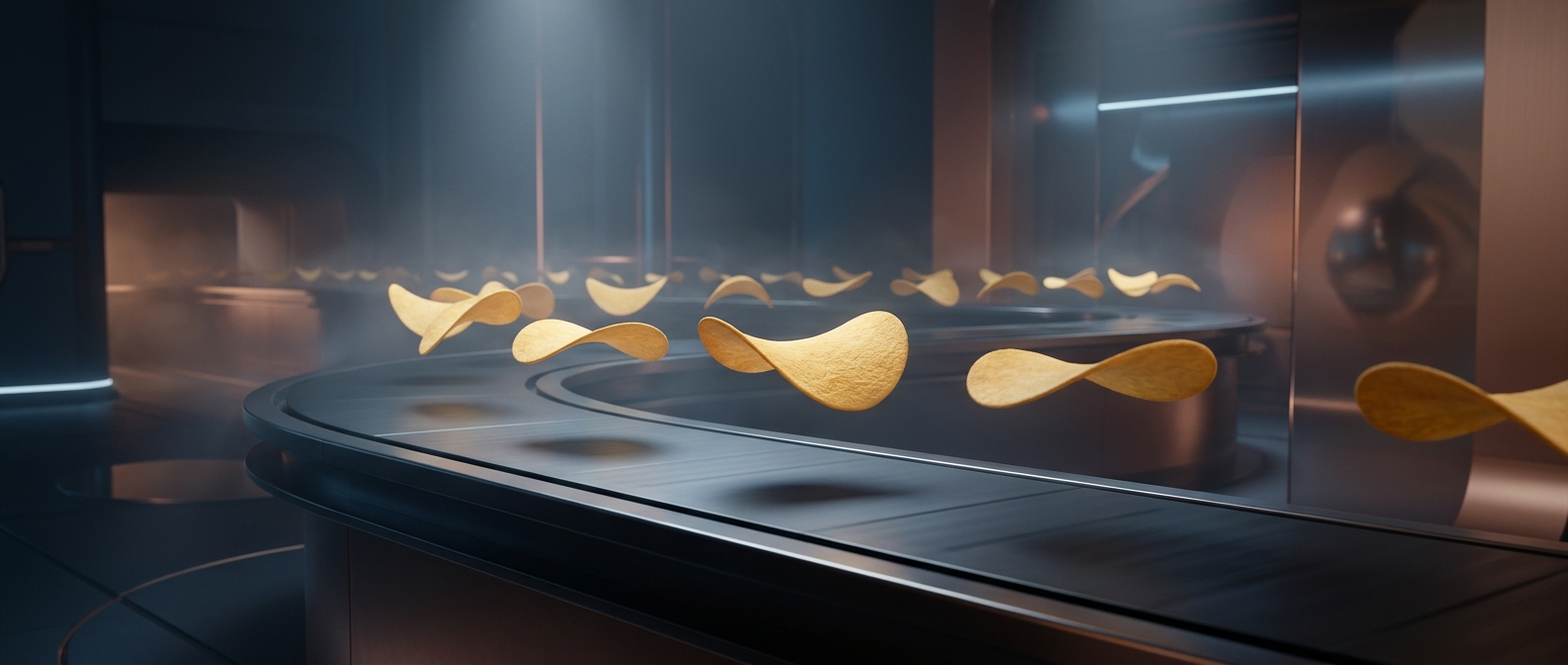
Why Pringles are shaped the way they are
Your favorite stacked snack is a marvel of industrial efficiency designed to combat factory crosswinds. Engineers tasked a computer to optimize the chip…
Discover more
NASA trains astronauts for spacewalks in giant pools
Before you get to float in the vast emptiness of the cosmos, you have to practice in the ultimate deep end. Because true zero-gravity is impossible to sustain…
Discover more STACKY FOR IPHONE
A bigger world.
One discovery
at a time.
Keep discovering with Stacky. Interesting facts in an app that is always within reach.

A LEGO brick from 1958 still fits today’s sets
The ultimate test of precision manufacturing is a plastic toy designed for children. The company patented their iconic interlocking tube design decades ago,…
Discover more
Why WD-40 is called WD-40
The squeaky door hinge's best friend is essentially the result of thirty-nine fully documented failed laboratory attempts. Back in 1953, developers were…
Discover more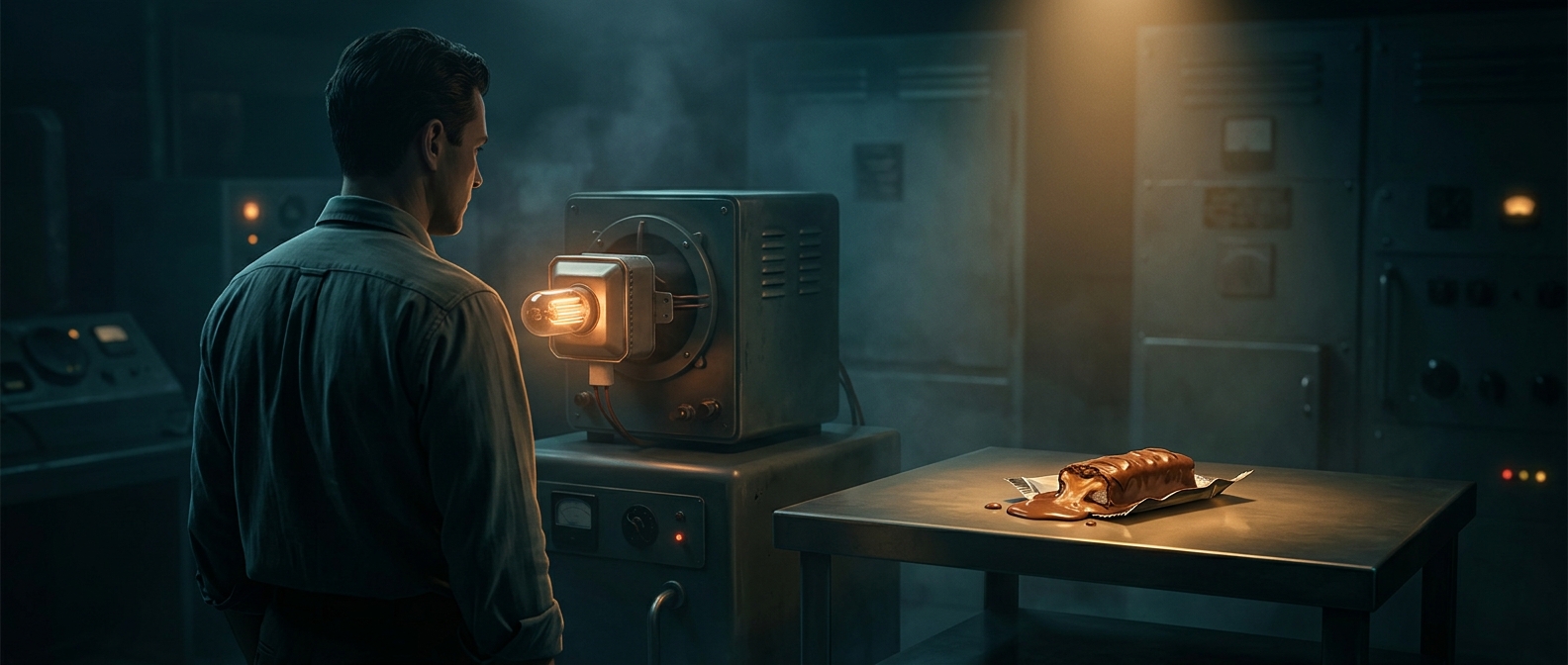
A melted candy bar helped create the microwave oven
The magical box that reheats your sad leftovers owes its existence to pure chance. Engineer Percy Spencer was standing entirely too close to an active…
Discover more
Why old screens needed screen savers
Before screen savers were just pretty animations, they were desperate countermeasures against permanent hardware damage. Early cathode-ray tubes fired intense…
Discover more
Airport jet bridges are driven like giant robots
That boring tunnel you trudge through to board your flight is essentially a massive, incredibly slow-moving robotic arm. An operator completely controls the…
Discover more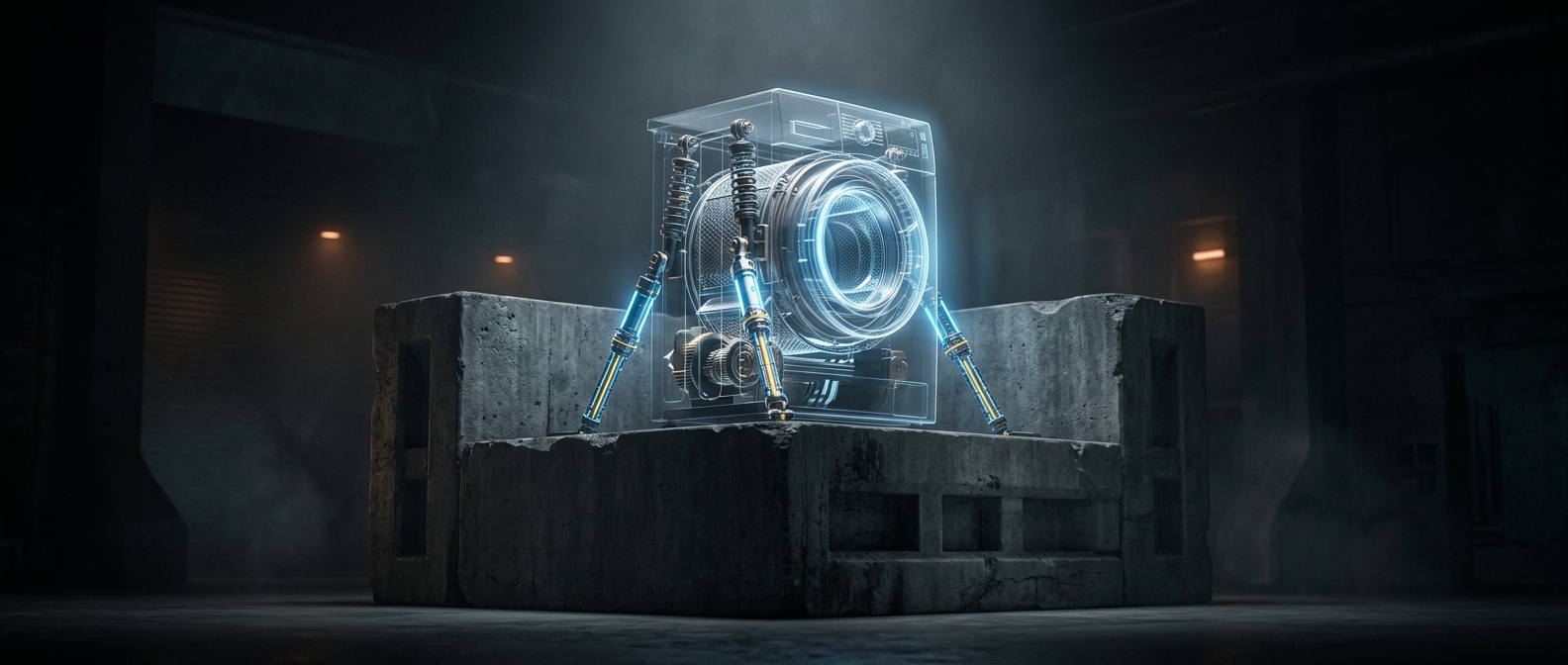
Why washing machines hide concrete inside
There is a very primitive reason your appliance doesn't violently walk itself out of the laundry room during the spin cycle. To counteract the immense…
Discover more
When ATMs swallowed your card after wrong PINs
Before sophisticated networking could just softly decline a bad transaction, early cash machines relied on brute force security. If you accidentally fumbled…
Discover more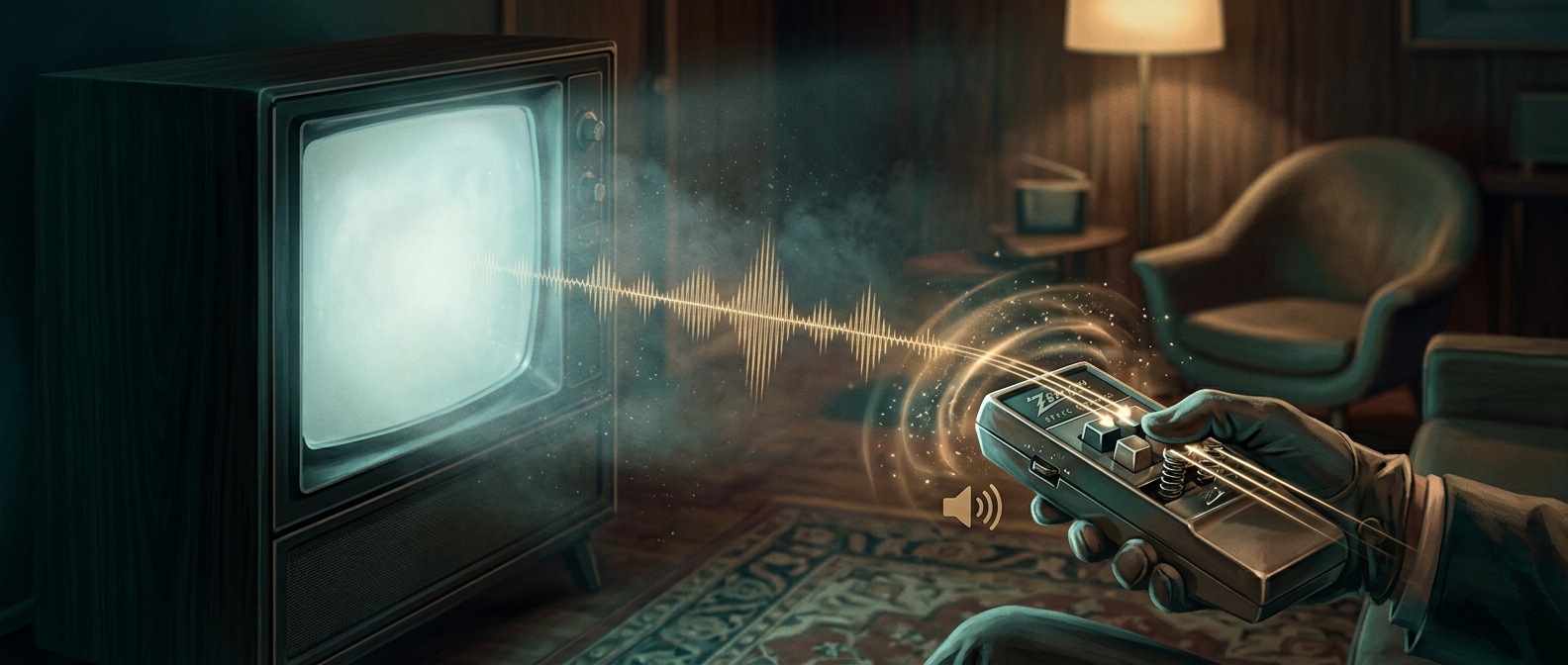
The remote control that worked without batteries
Before infrared beams allowed you to lazily channel surf, you had to hit the TV with high-frequency sound. The famous 'Zenith Space Command' remote had…
Discover more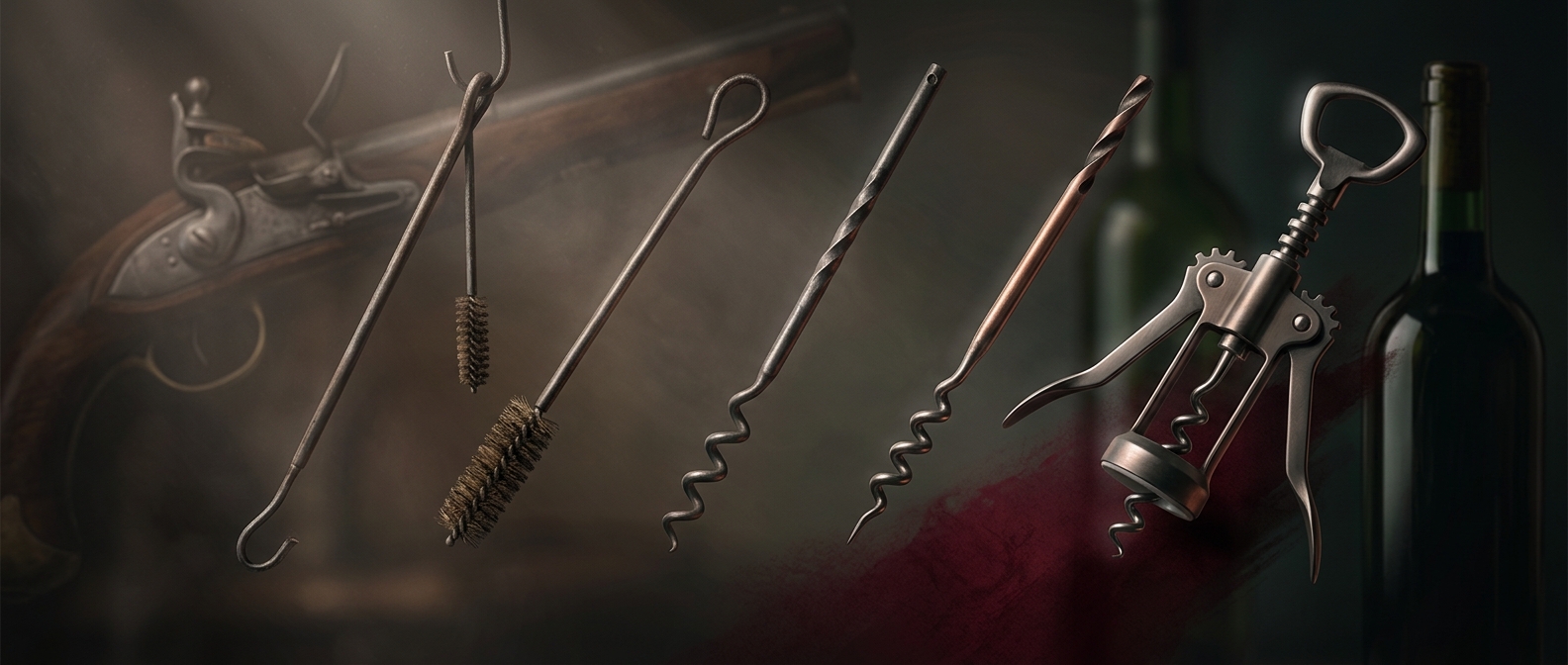
How musket tools became corkscrews
Drinking wine used to require a distressing amount of brute force. The elegant twisting mechanism we use to aggressively yank corks out of bottles was…
Discover more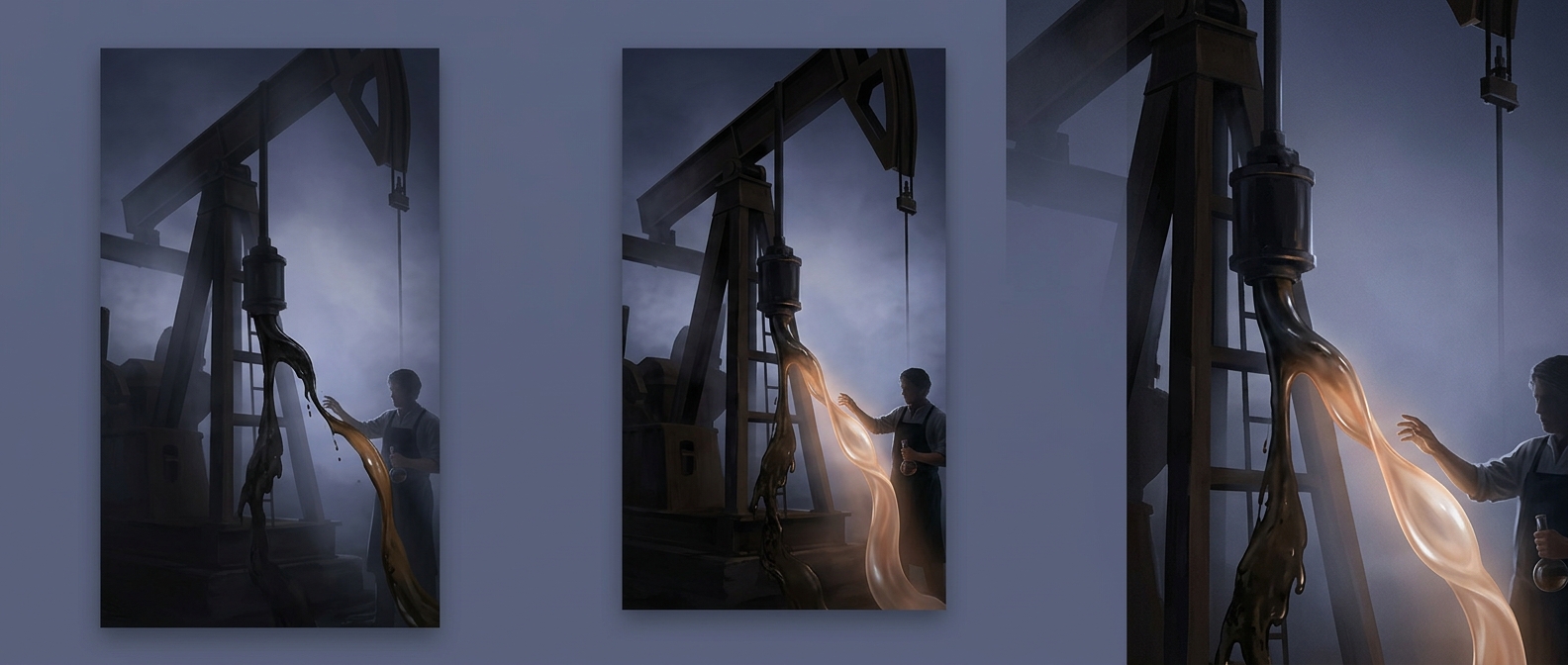
How oil-rig sludge became Vaseline
People have been aggressively smearing literal industrial waste on their dry lips for over a century. A chemist visiting an oil rig in 1859 noticed workers…
Discover more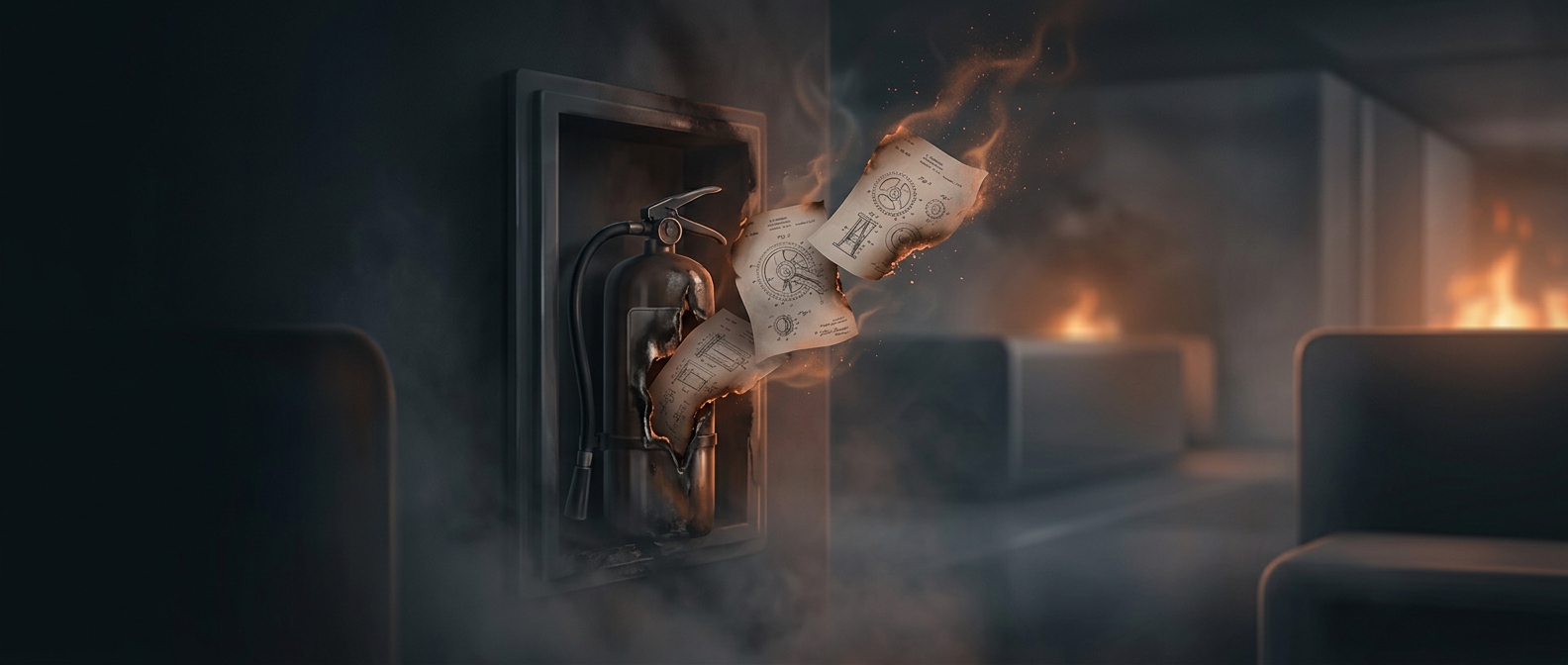
A fire destroyed early fire extinguisher patent records
Irony has literally never been hotter. The original chemical fire extinguisher was brilliantly patented in 1839 by an American inventor. However, absolutely…
Discover more
SOS never meant “Save Our Souls”
People absolutely hate not knowing where words come from, so they just invent fake acronyms to feel better. For instance, SOS never actually stood for 'Save…
Discover more
Why Alfred Nobel Used Dynamite Money for Peace
Nothing screams global harmony quite like high explosives. Alfred Nobel engineered dynamite to make blowing up mountains safer for miners, but militaries…
Discover more
Cellophane began as a failed tablecloth coating
Next time you angrily struggle to unwrap a tightly sealed snack, blame a Swiss chemist trying to protect his dining room table from spilled wine. He tried…
Discover more
Listerine was once sold as floor cleaner
Gargling this stuff is basically cleaning your mouth with industrial solvent. Listerine was invented in the 19th century as a powerful surgical antiseptic,…
Discover more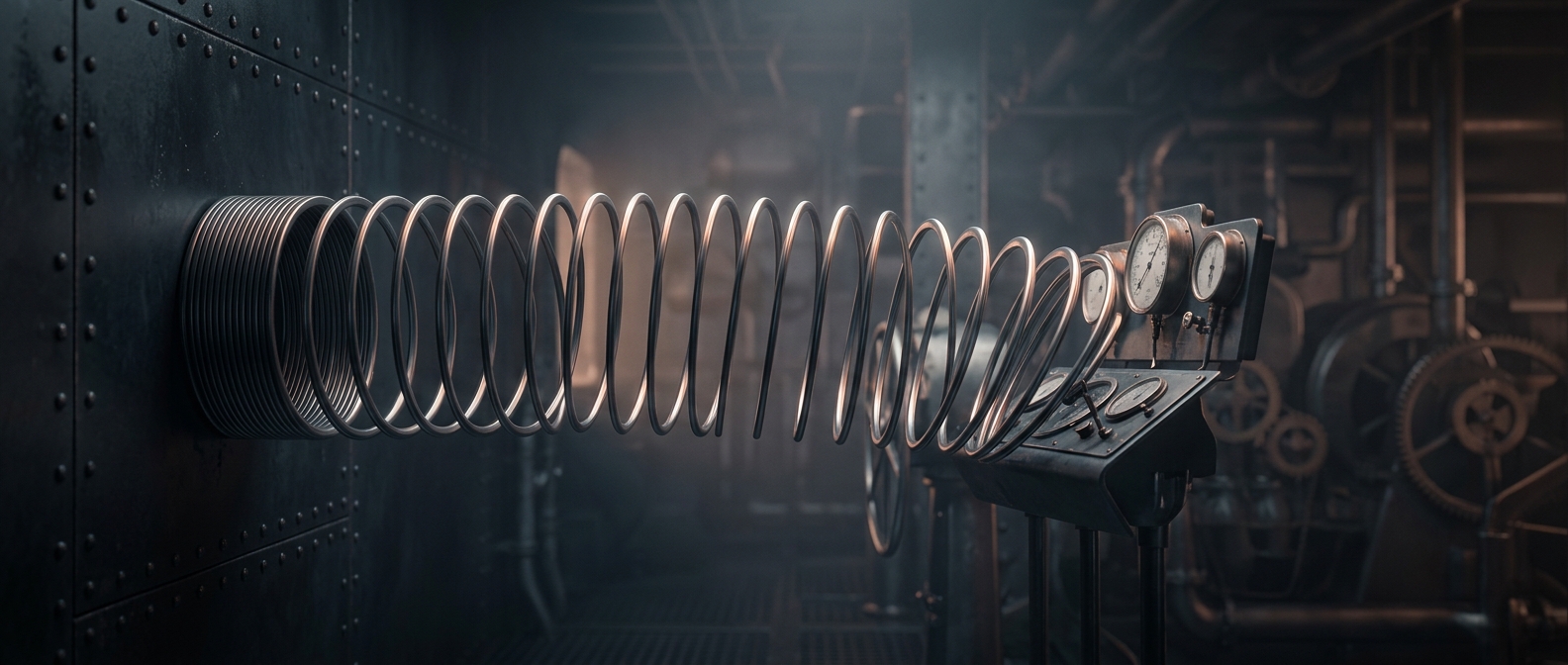
The Slinky began as a ship stabilizer
The world's most famous set of tangled stairs was born in a military shipyard. An engineer was trying to develop tension springs that could keep sensitive…
Discover more
How the CIA secretly bought Soviet titanium
Peak Cold War espionage basically involved extremely aggressive shopping. The CIA desperately needed immense amounts of titanium to build the uncatchable…
Discover more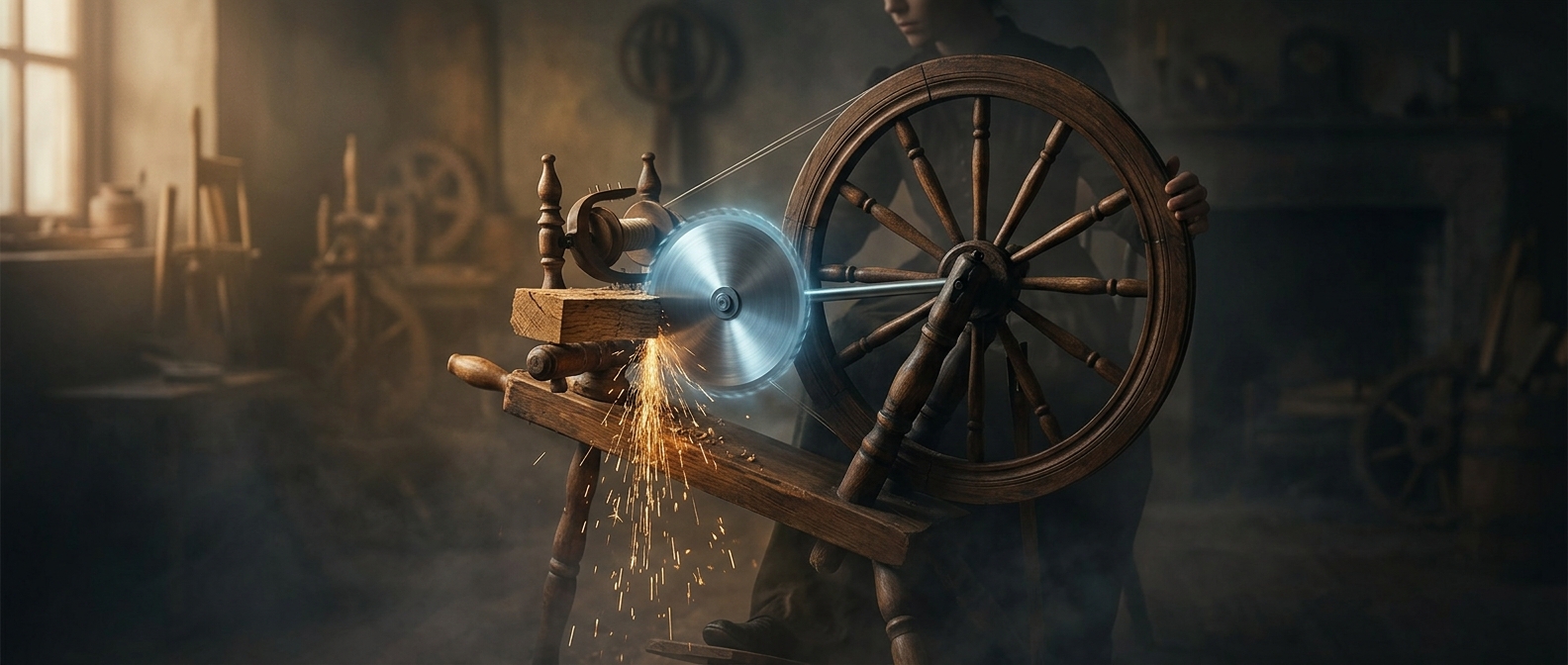
How a spinning wheel inspired the circular saw
The foundation of modern power tools was born purely out of sheer annoyance at aggressive inefficiency. In the early 1800s, a Shaker woman named Tabitha…
Discover more