Science
Discover facts about science. Small discoveries that change the way you see familiar things.
Science
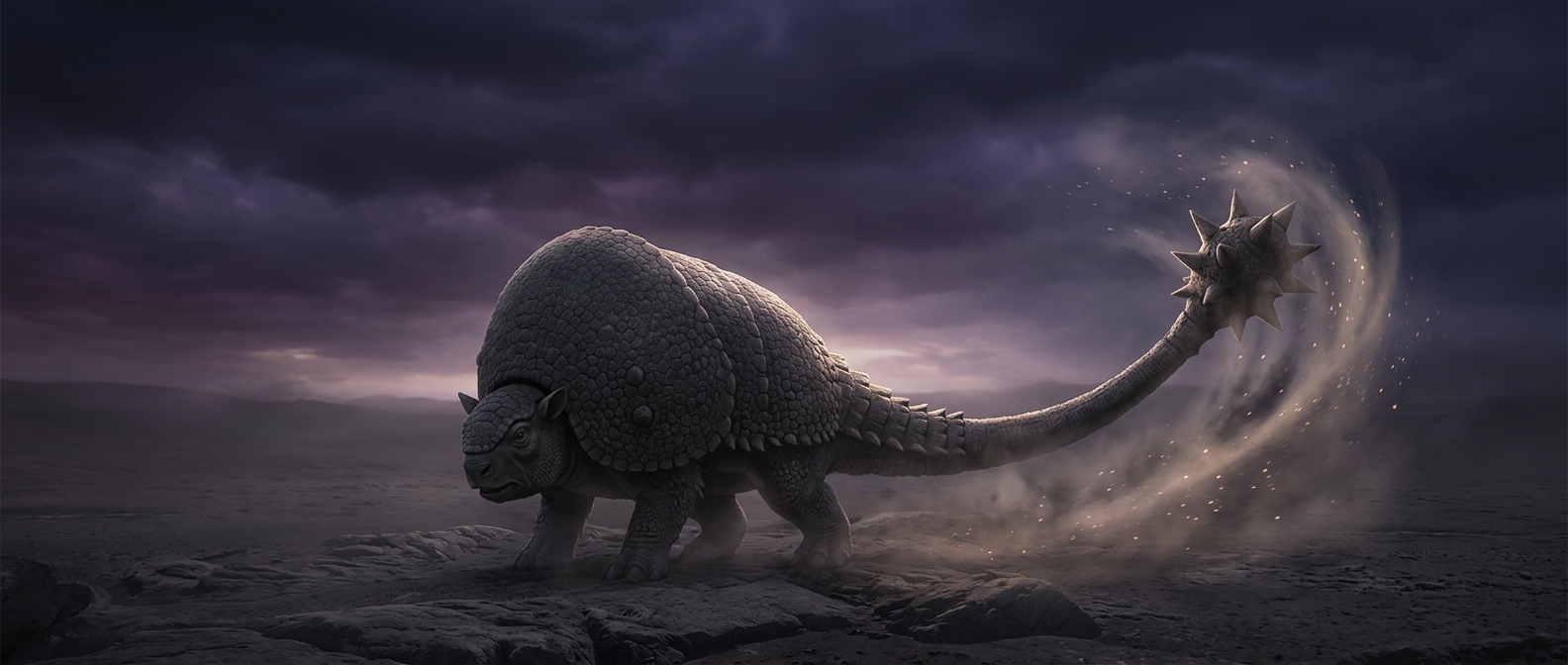
The armadillo with a built-in spiked club
Doedicurus had a domed shell to protect its body and a spiked club at the end of its tail, which it likely swung at rivals rather than prey. The armor guarded…
Discover more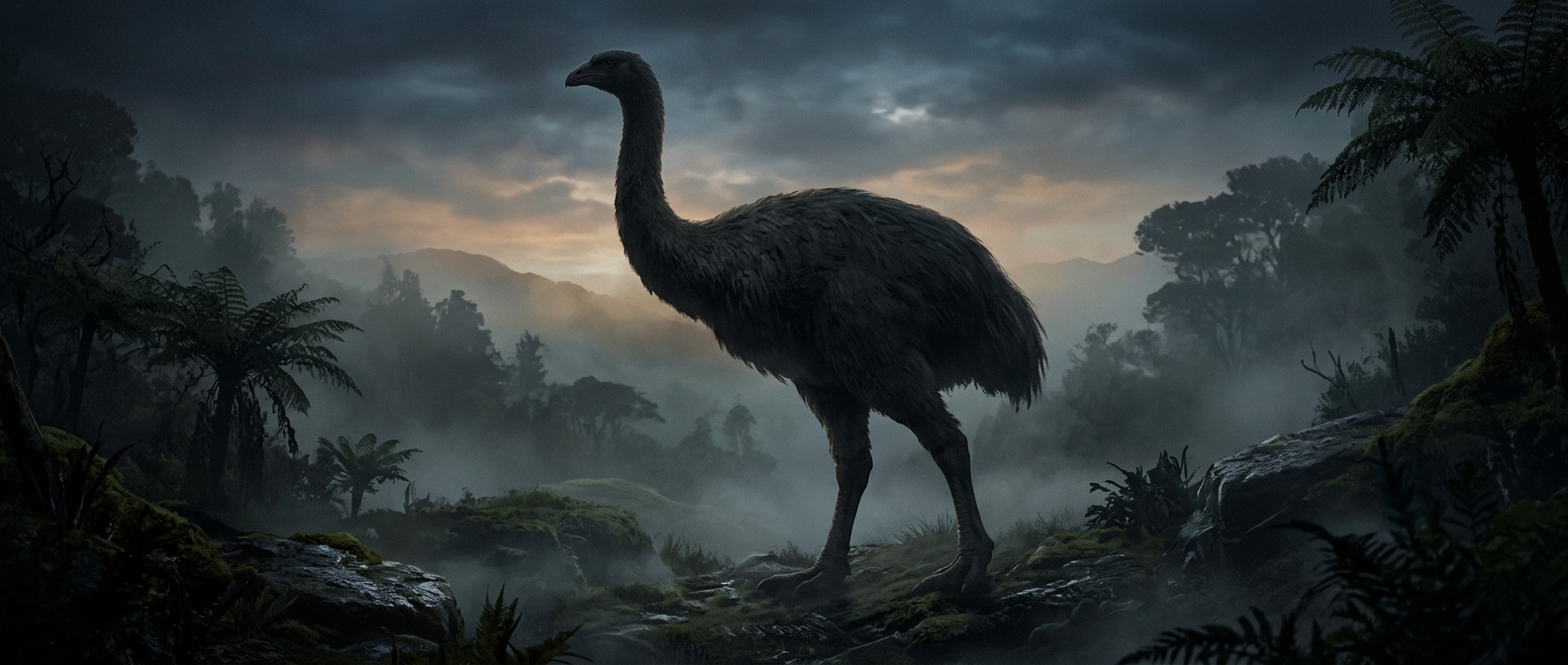
Moa took flightlessness further: they had no wings at all
These extinct New Zealand birds lacked even the reduced wings retained by other flightless birds. Giant moa could stand around three meters tall with their…
Discover more
A hydrogen lighter predates the friction match
Döbereiner's 1823 lamp used hydrogen and platinum to produce ignition. Walker's friction match followed in 1826, shrinking convenient fire-starting down to a…
Discover more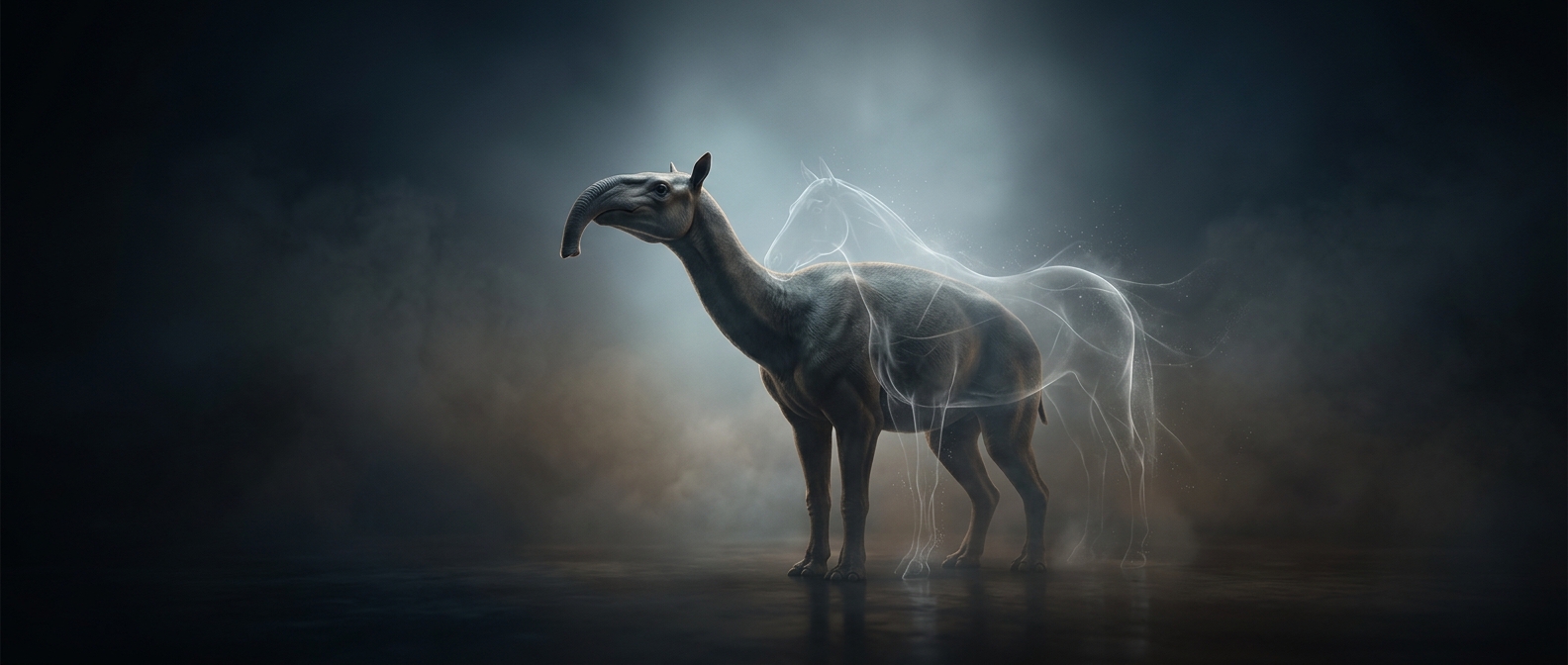
Ancient proteins solved Darwin's strange animal puzzle
Macrauchenia looked unlike the familiar mammals Darwin knew when he collected its fossils in South America. In 2015, researchers extracted collagen fragments…
Discover more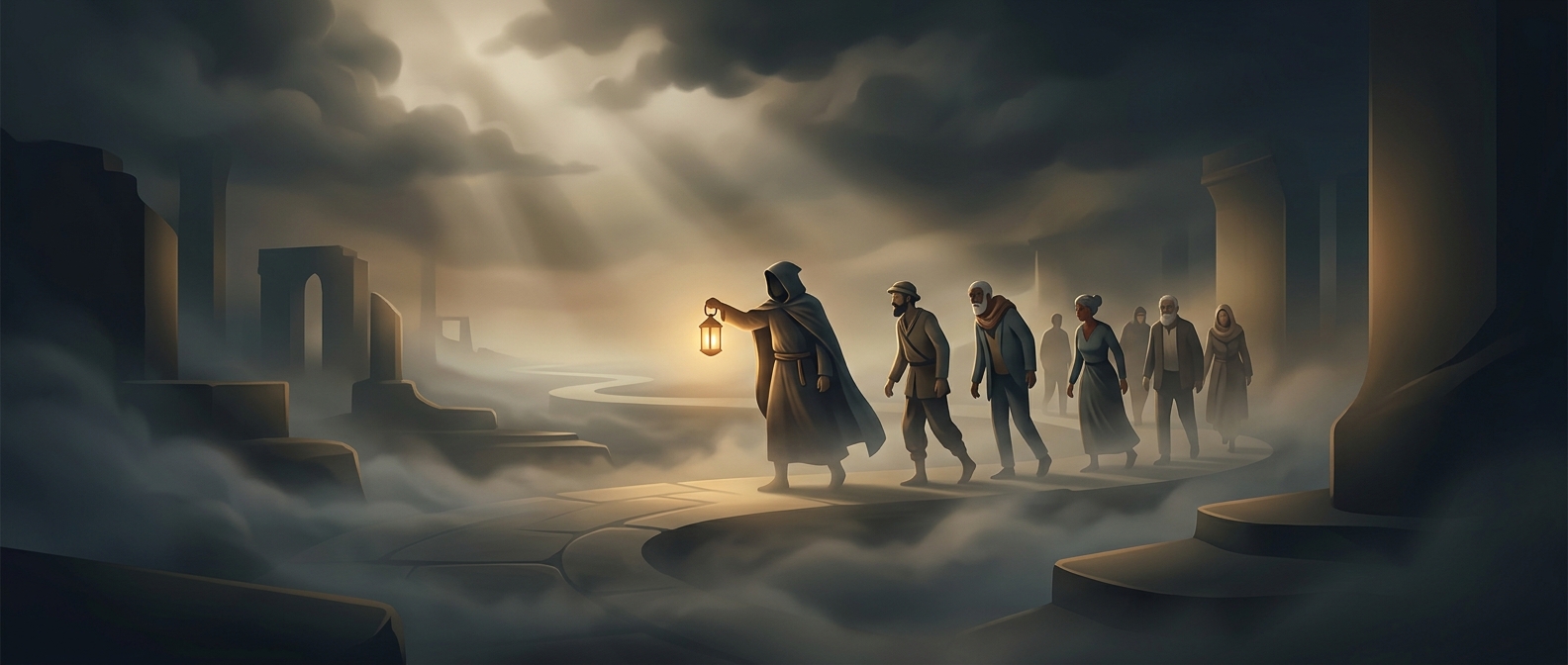
Word guide evolved from leading lost strangers
The word “guide” traces back to an Old French word for showing someone the way through dangerous, unfamiliar territory. The job once sounded like getting…
Discover more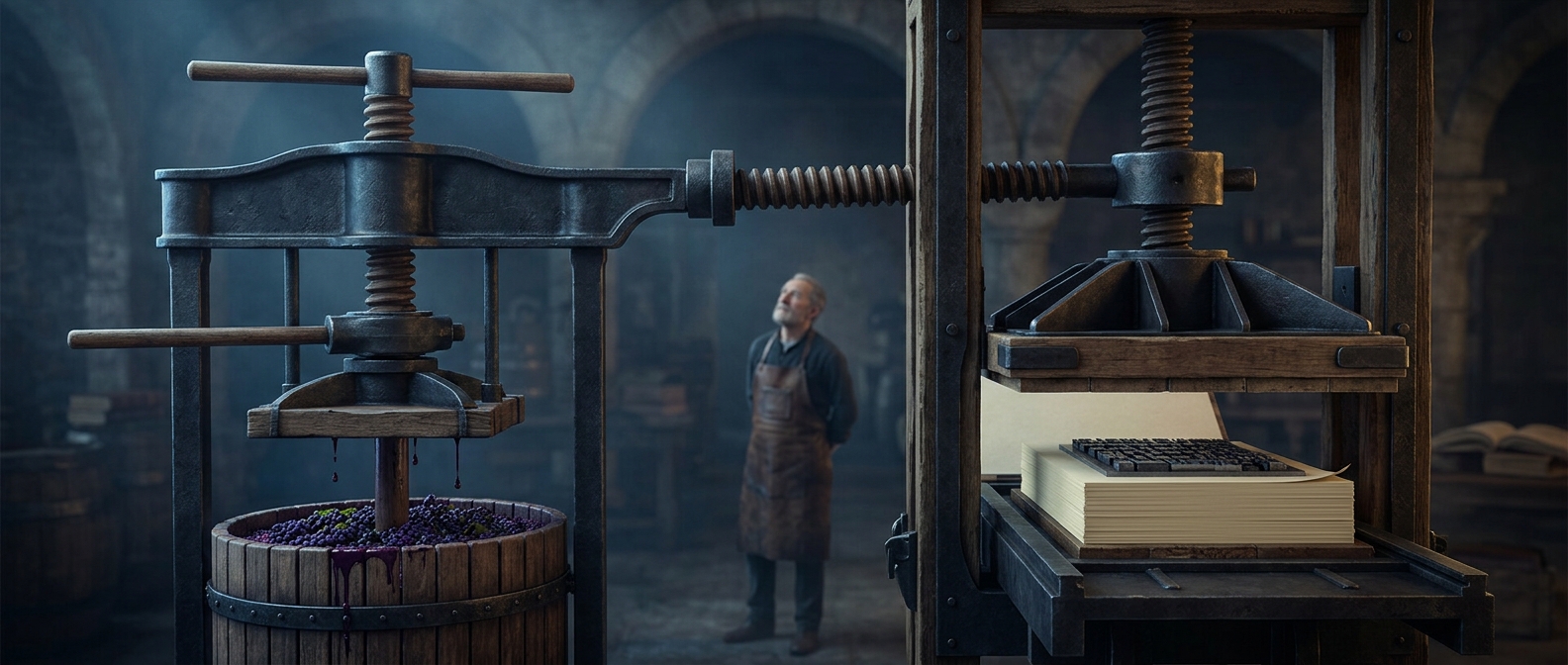
Printing presses were directly adapted from old wine presses
Gutenberg adapted the screw press used to crush grapes. Turning the screw lowered a flat plate onto inked type, pressing the letters evenly against paper. A…
Discover more STACKY FOR IPHONE
A bigger world.
One discovery
at a time.
Keep discovering with Stacky. Interesting facts in an app that is always within reach.

Porcupines turned their hair into weapons
A porcupine’s spikes began as hairs, then evolved into tougher quills. On some, tiny backward-facing barbs snag an attacker and resist being pulled free.…
Discover more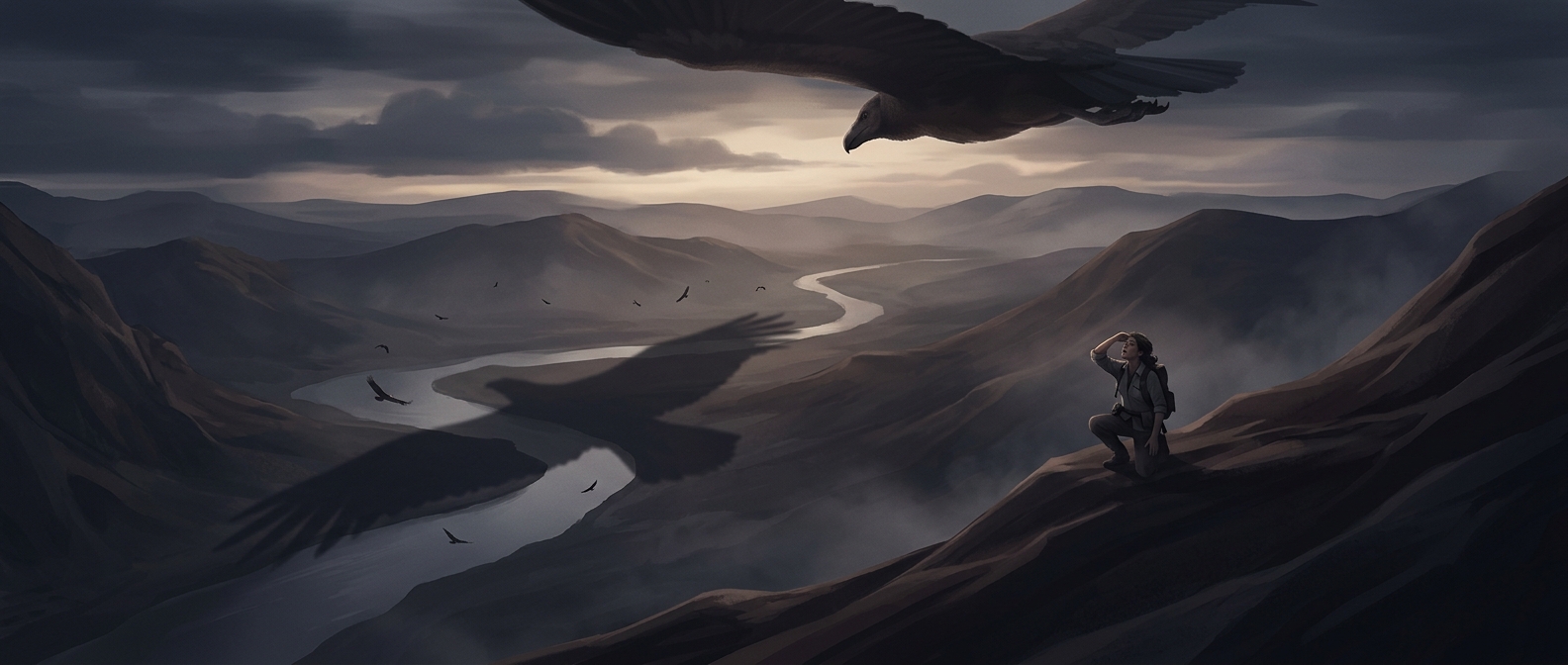
The prehistoric bird with an airplane-sized wingspan
Once aloft, Argentavis could spread its huge wings and ride rising air instead of constantly flapping. The tricky bit was getting a heavy body up there in the…
Discover more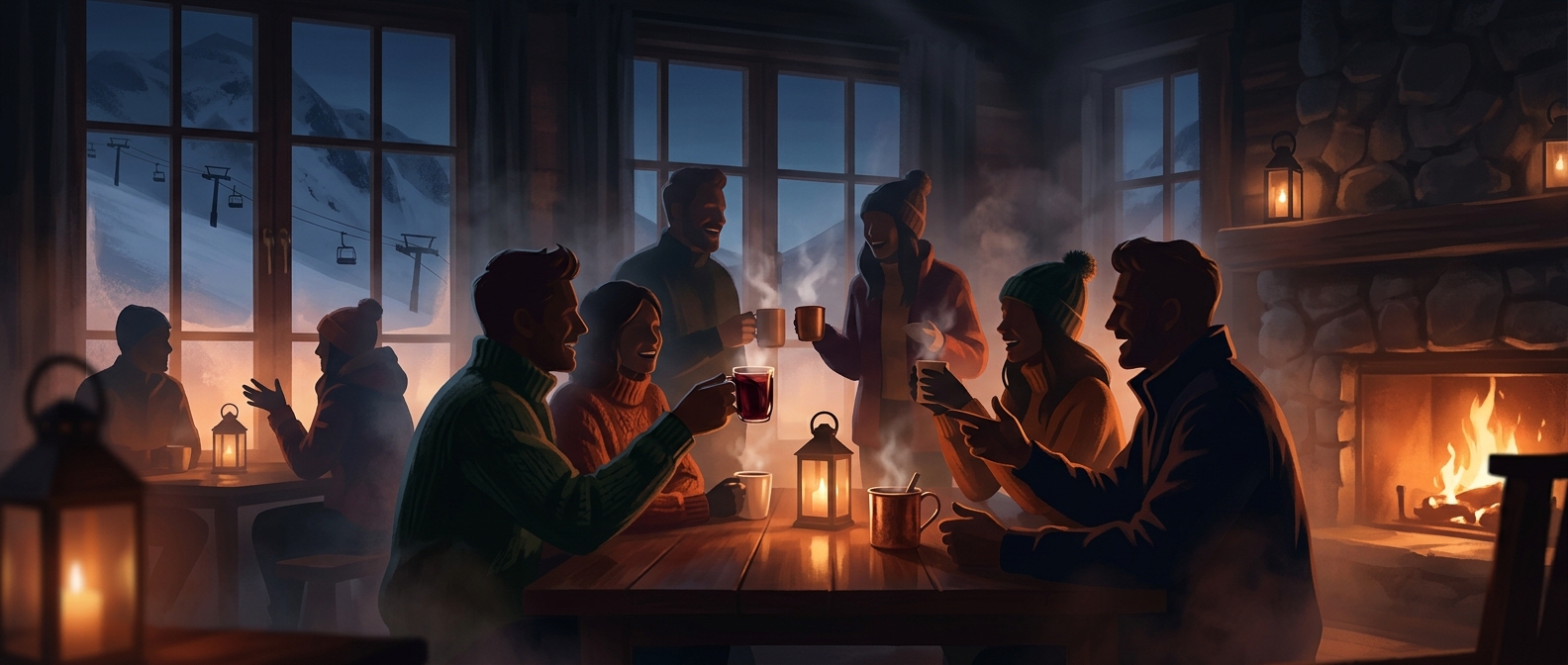
Term après-ski denotes post-slope socialization
Après-ski literally means “after skiing,” and the phrase names what happens when the skis come off: people gather to eat, drink, and socialize. The slope may…
Discover more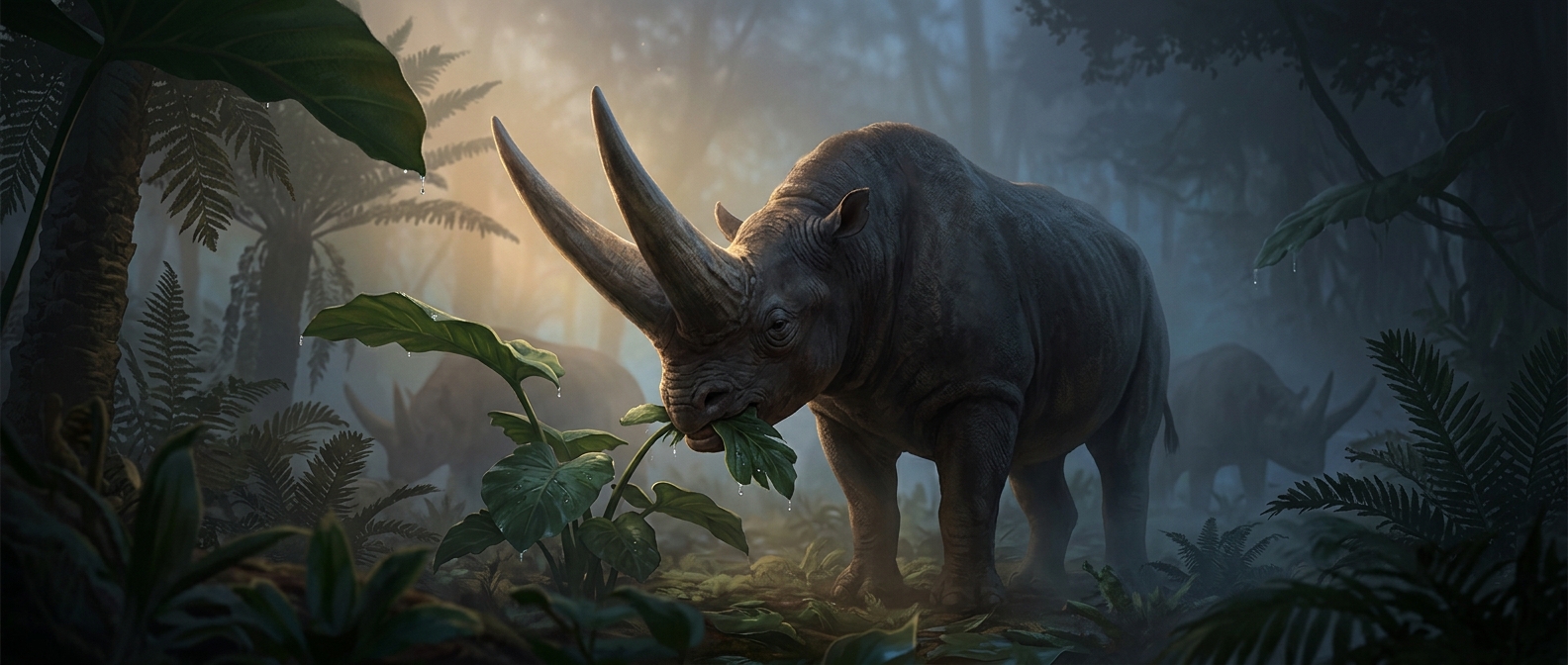
This horned giant's teeth reveal a plant eater
Arsinoitherium's enormous horns make it look formidable, but its teeth were adapted for processing vegetation. Fossil mouths often tell us more about diet…
Discover more
Even a fart can produce thrust in space
Gas leaving your body carries momentum in one direction, giving you an opposing push. A rocket uses the same principle, but expels vastly more mass at much…
Discover more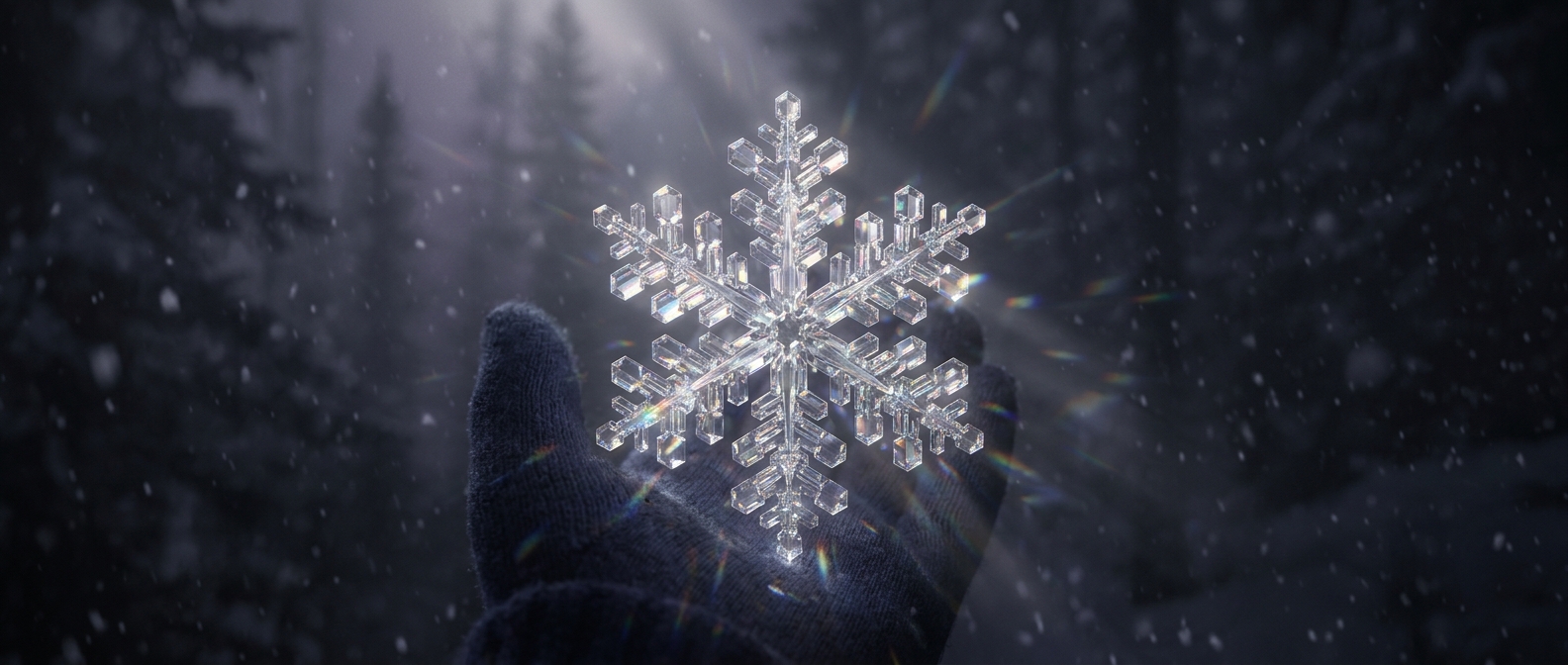
Why snow looks white even though ice is clear
Each ice crystal in snow can be clear, but a snowbank packs countless crystal surfaces together. Light bounces and scatters among them, mixing its visible…
Discover more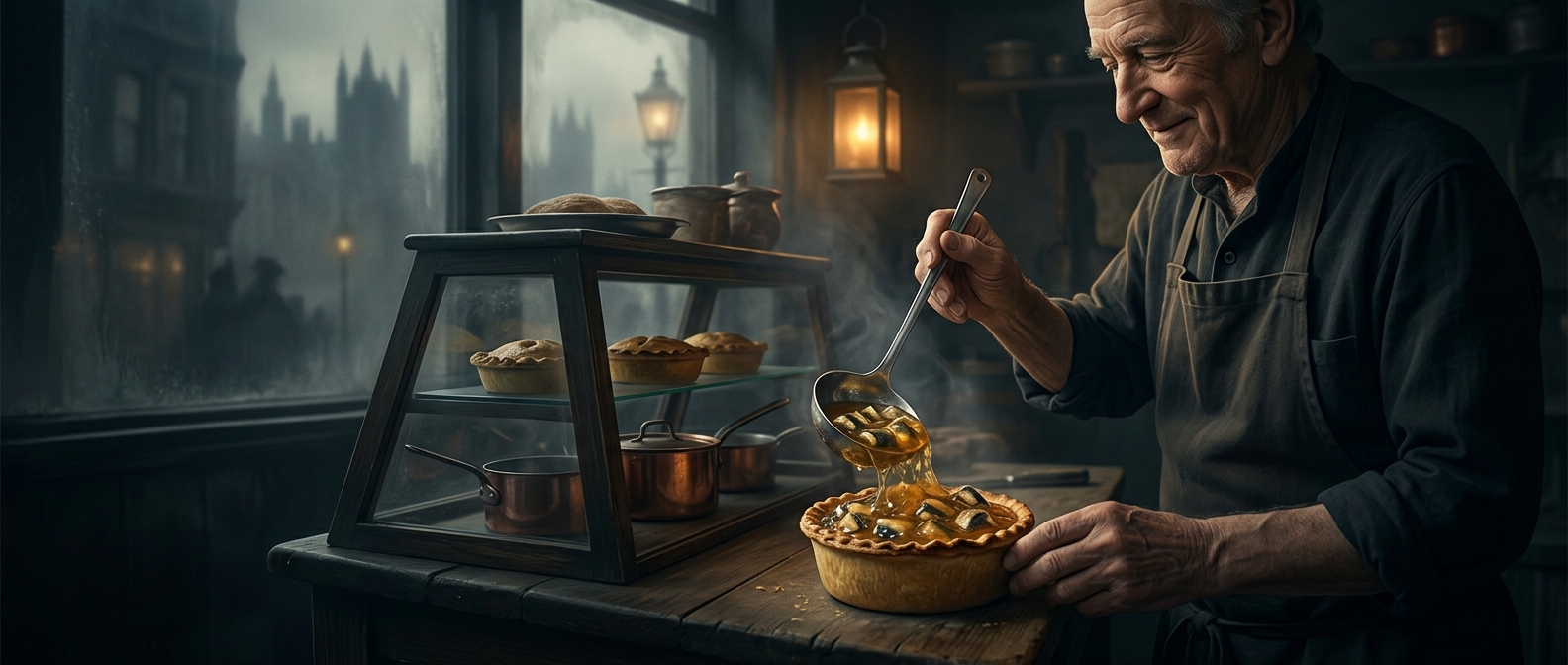
Eel skin turns its cooking liquid into jelly
The trick is collagen: heat extracts it from the eel’s skin and connective tissue, and cooling lets it firm the cooking liquid into jelly. So the dish doesn’t…
Discover more
Grass grows continuously from the base upwards
Cut the tip off a blade of grass and you have not cut off its growing point. New tissue forms near the base and pushes the older blade upward, letting grass…
Discover more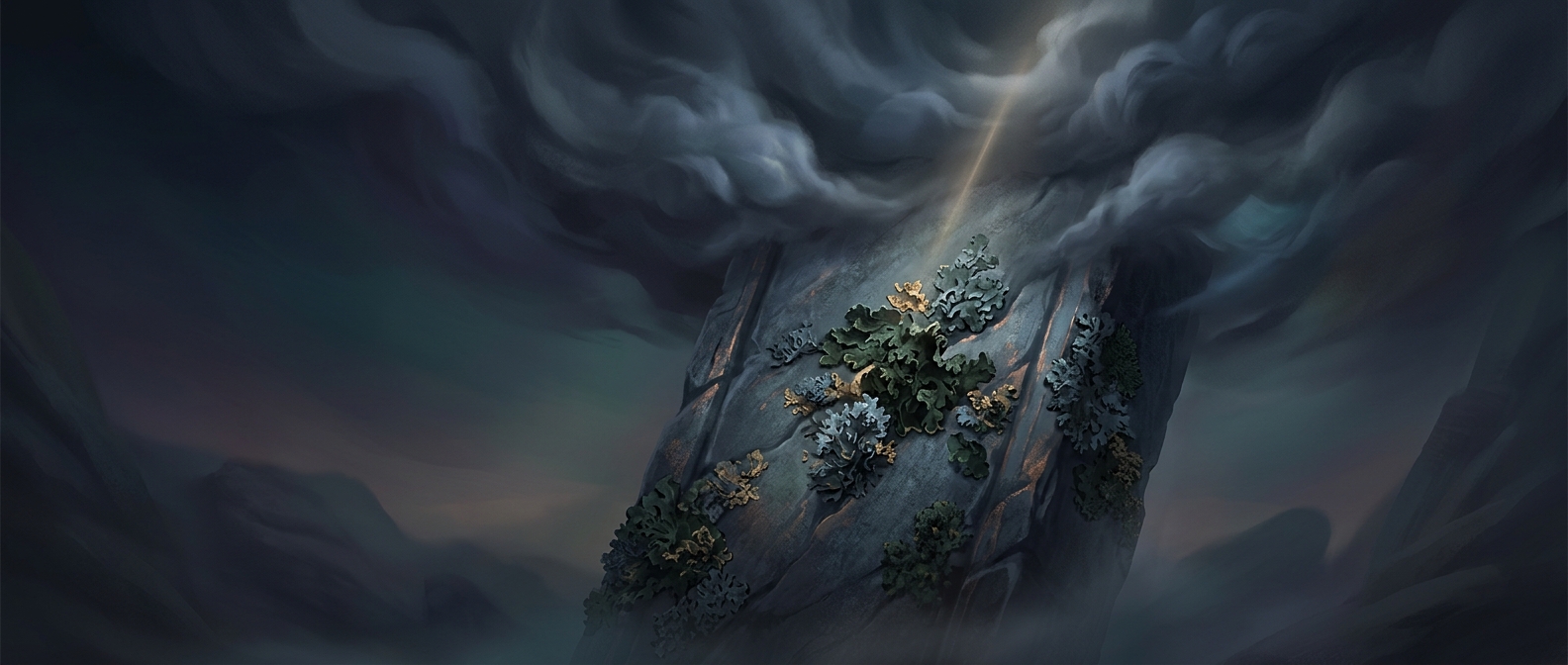
Lichens effortlessly survive extreme atmospheric conditions
When a lichen dries out, it slows its activity almost to a stop and waits for water to return. Its fungal partner forms the body, while algae or cyanobacteria…
Discover more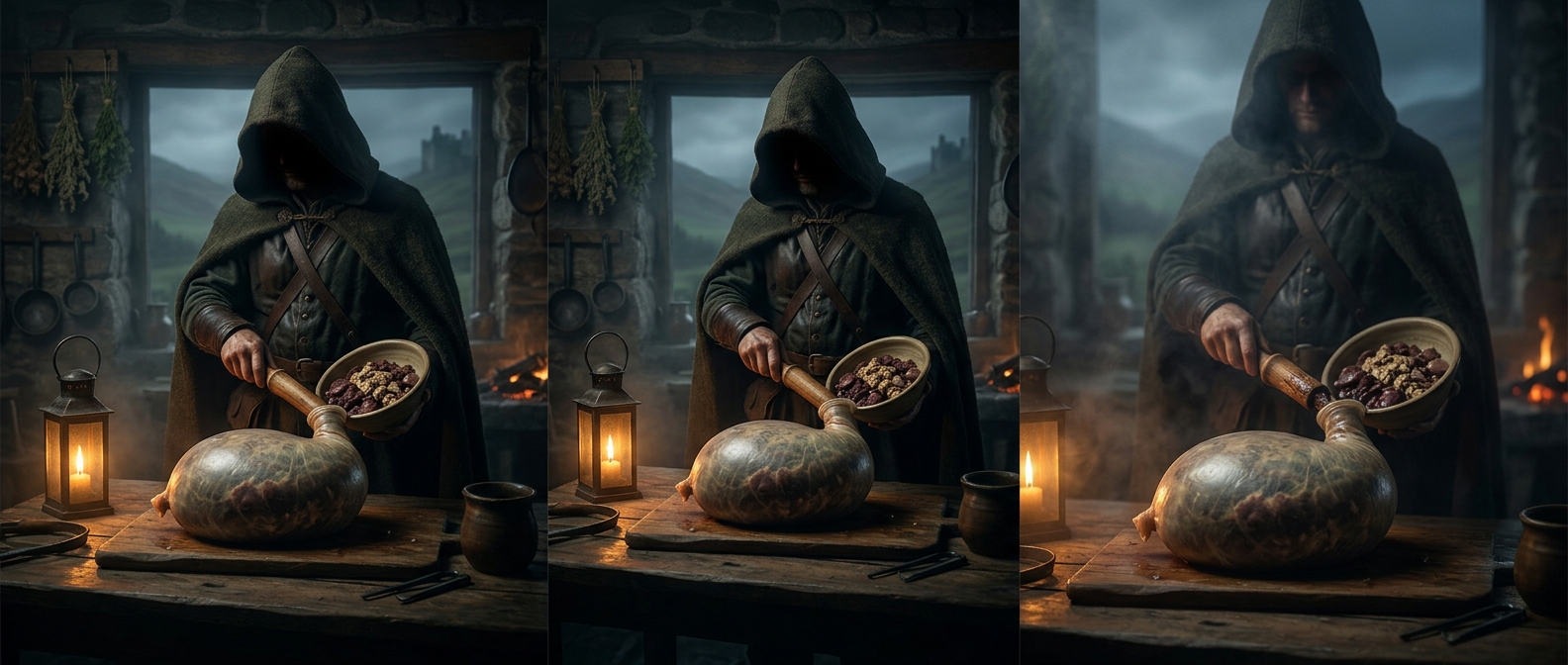
Scottish butchers stuff chopped organs into a sheep stomach
In traditional haggis, the sheep's stomach does double duty: it holds the chopped mixture while it cooks and becomes the casing around it. Think of it as a…
Discover more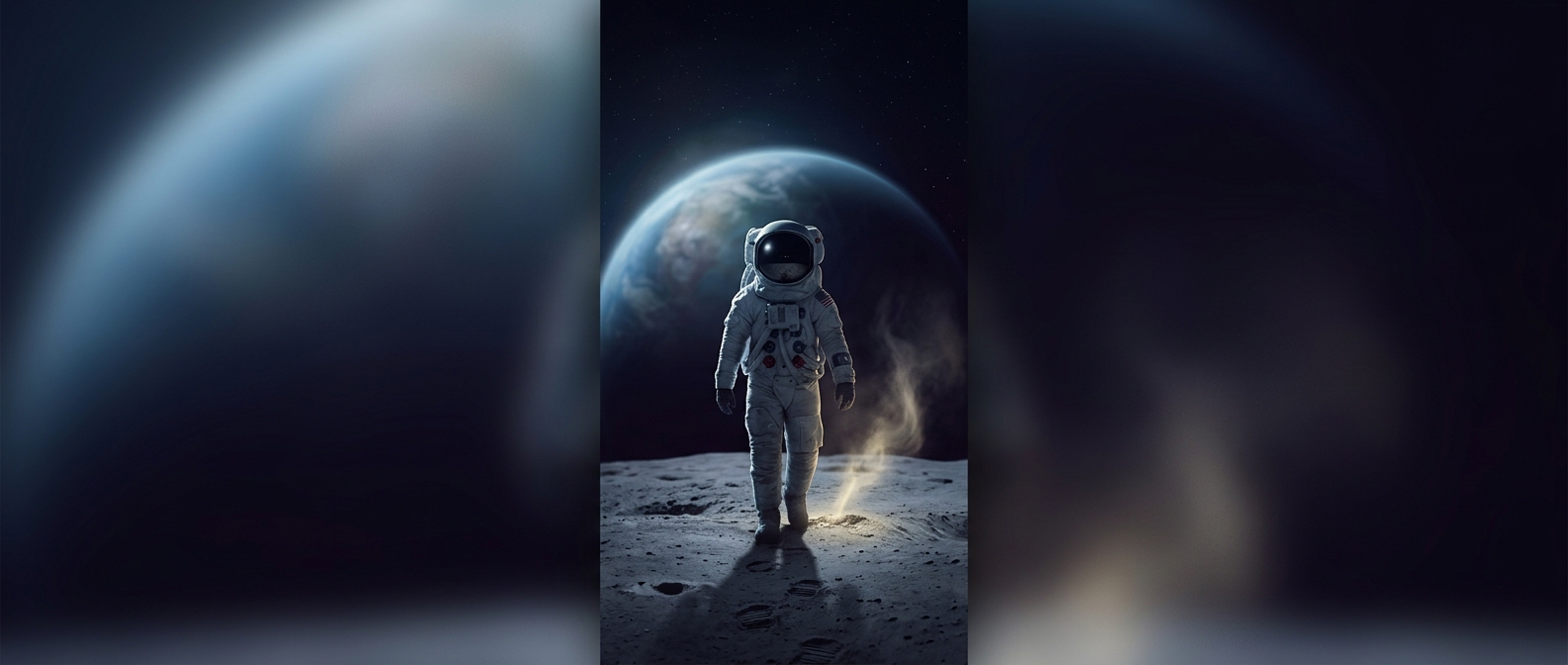
Buzz Aldrin was the first person to pee on the Moon
Aldrin did not need to leave his spacesuit to relieve himself; the suit included a bag to collect urine. With no lunar bathroom waiting around, the spacesuit…
Discover more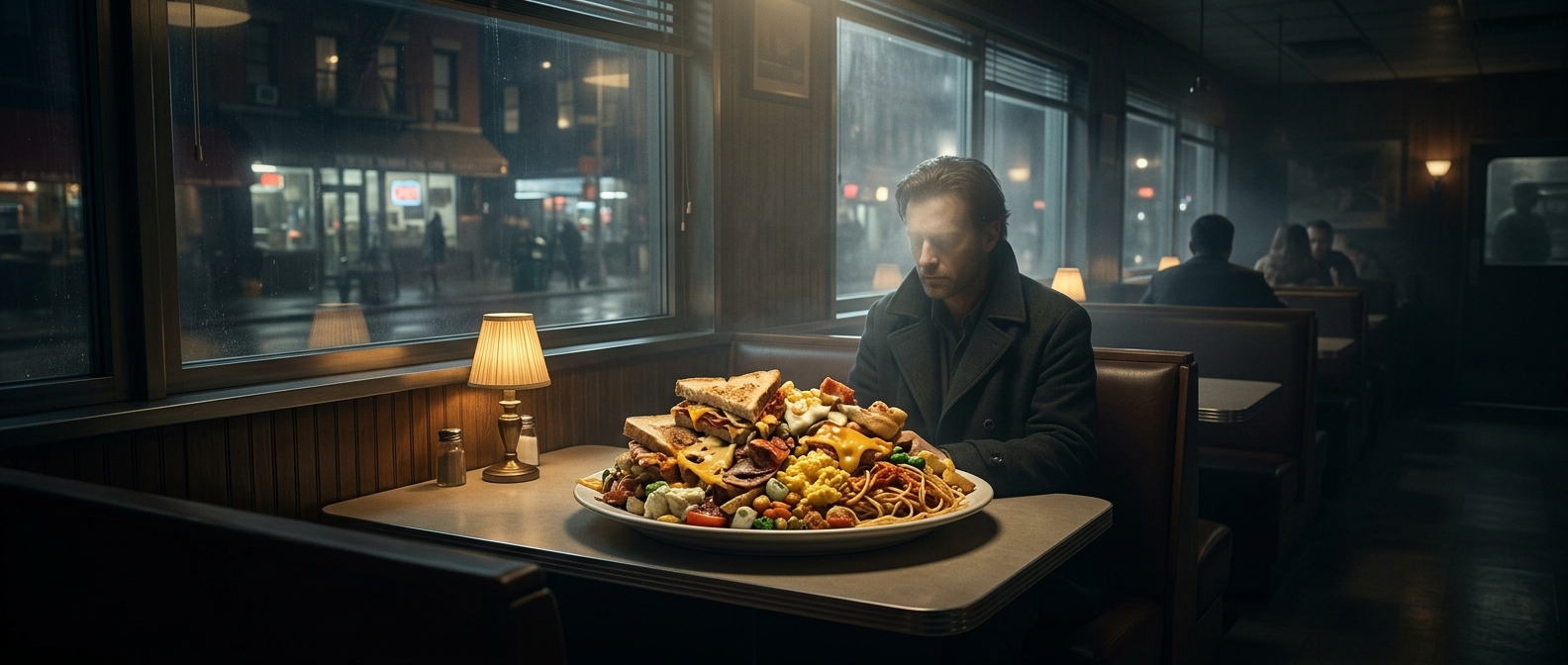
The burger dish that piles everything underneath
The burger sits on a bed of macaroni salad, fries, and raw onions, turning what are usually side dishes into the bottom layer of the meal. Instead of building…
Discover more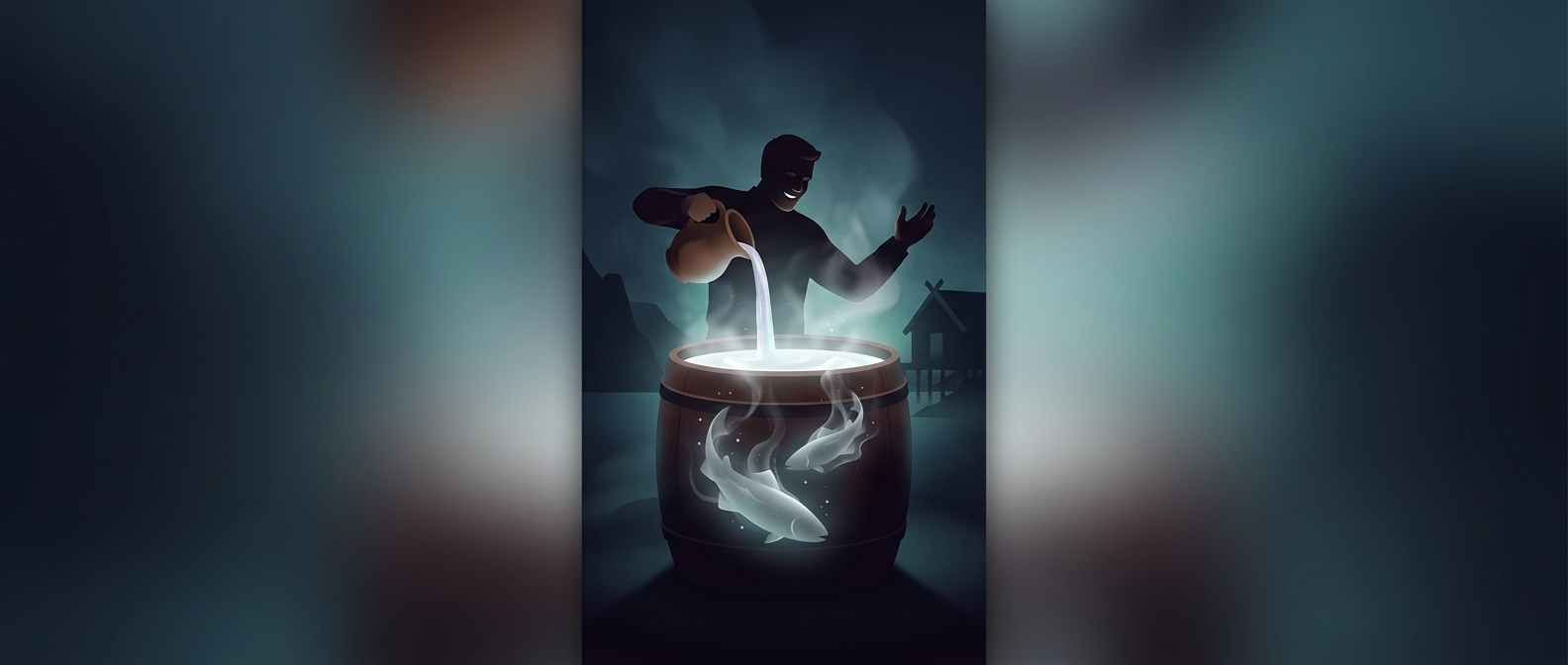
Lutefisk is fish treated with lye
Lutefisk gets its soft, gelatinous texture because lye changes the fish’s proteins during an alkaline soak. It doesn’t come from ordinary cooking alone. The…
Discover more
The eggs with black jelly-like whites
A century egg’s dark, jelly-like white forms when an alkaline mixture changes the egg’s proteins. Clay, ash, and quicklime help make the mixture alkaline,…
Discover more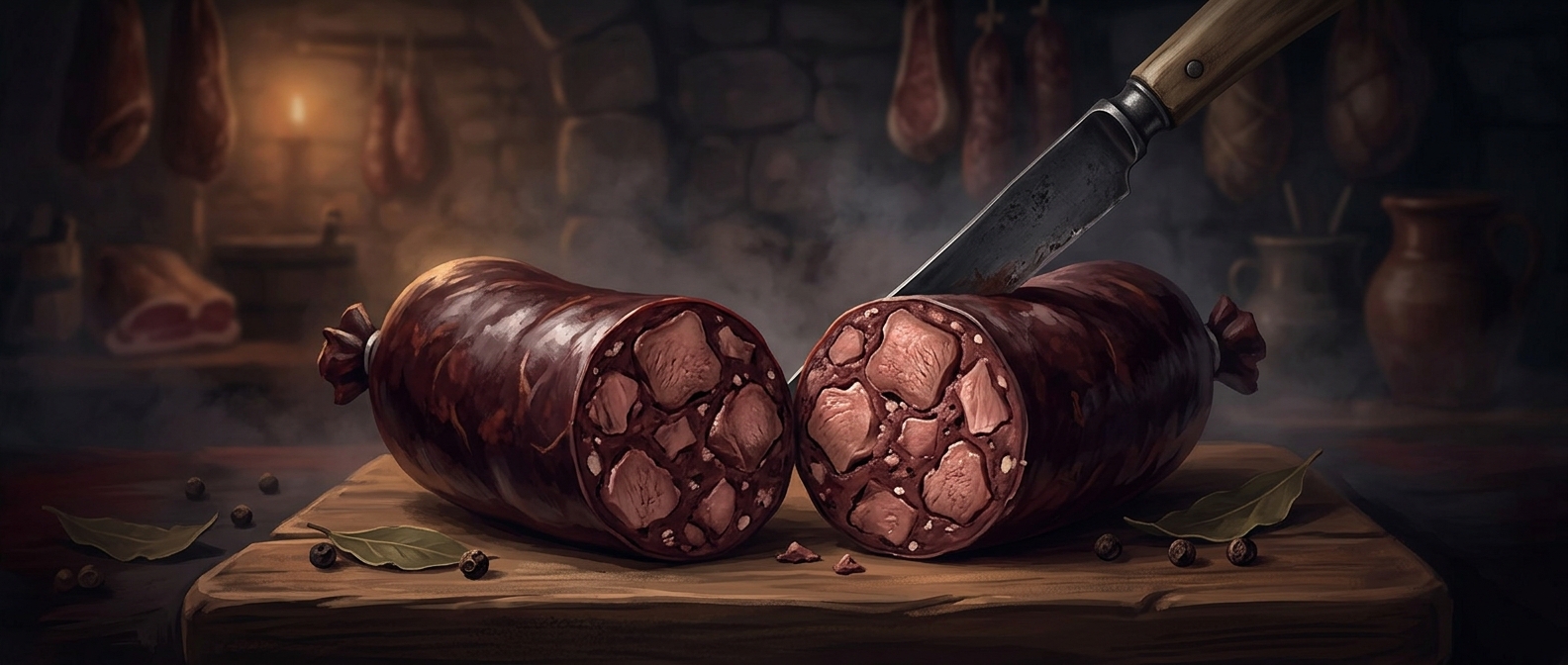
The sausage packed with chunks of pig tongue
In German Zungenwurst, pieces of pig tongue are mixed into blood sausage, so a slice shows exactly what gives it its name. The tongue stays in distinct…
Discover more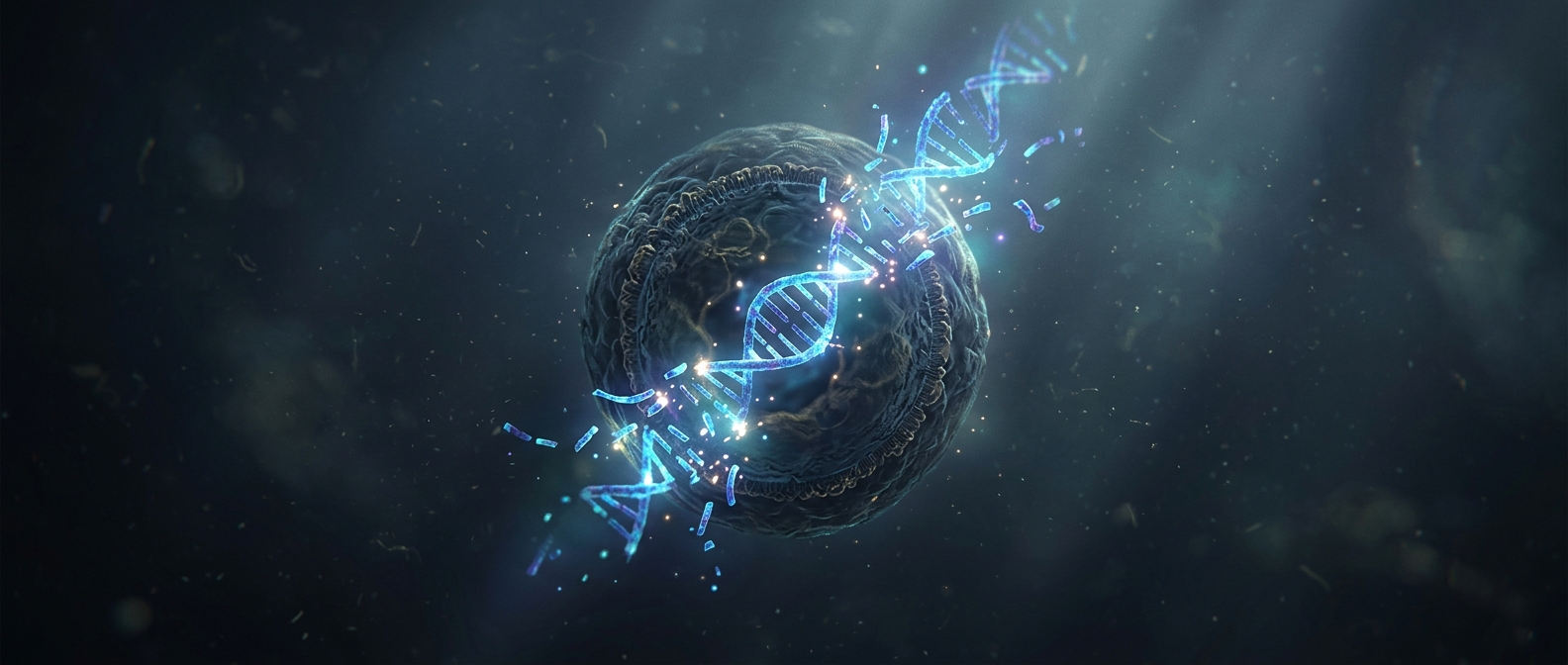
This bacterium rebuilds DNA that radiation shatters
Deinococcus radiodurans carries multiple copies of its genome. After severe damage, its repair machinery can use matching stretches to reassemble the genetic…
Discover more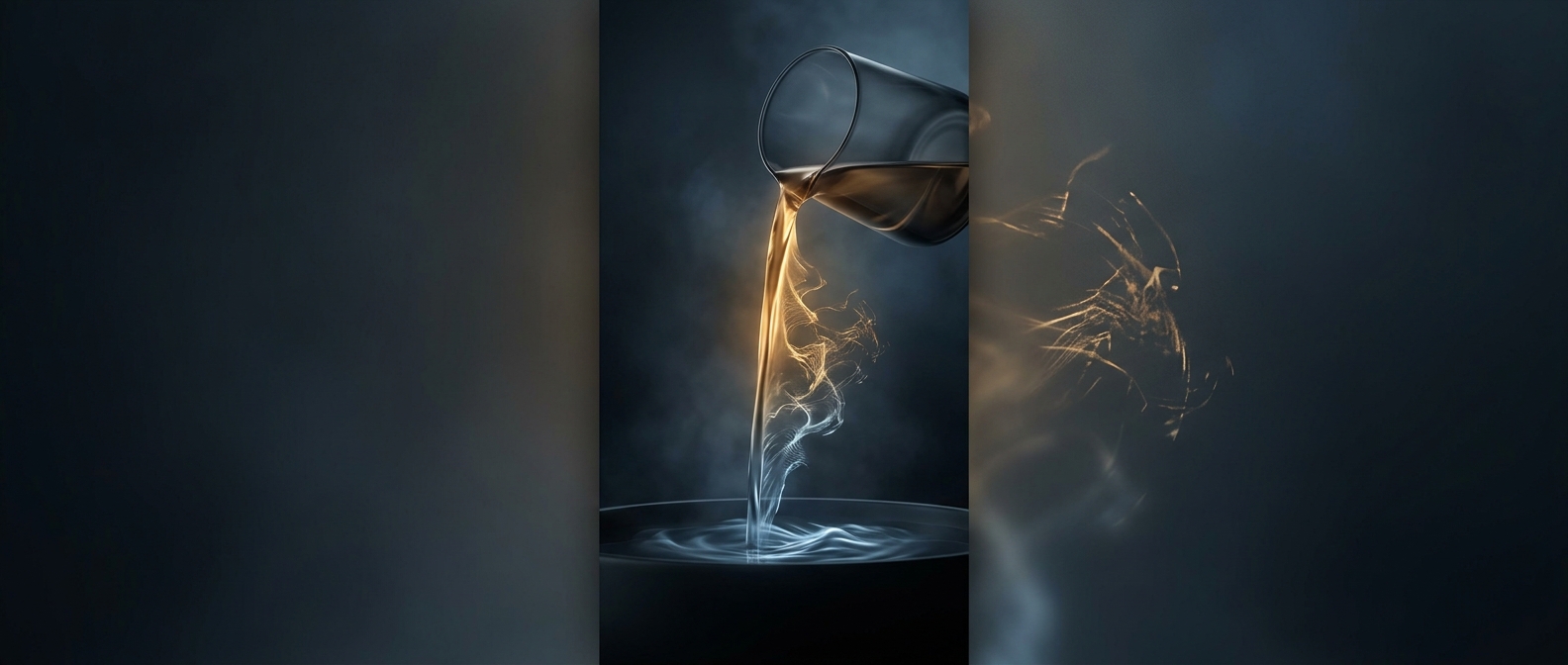
You can hear whether water is hot or cold
Hot water flows more easily than cold water because it is less viscous—less resistant to moving. That changes how a pour breaks into streams and splashes,…
Discover more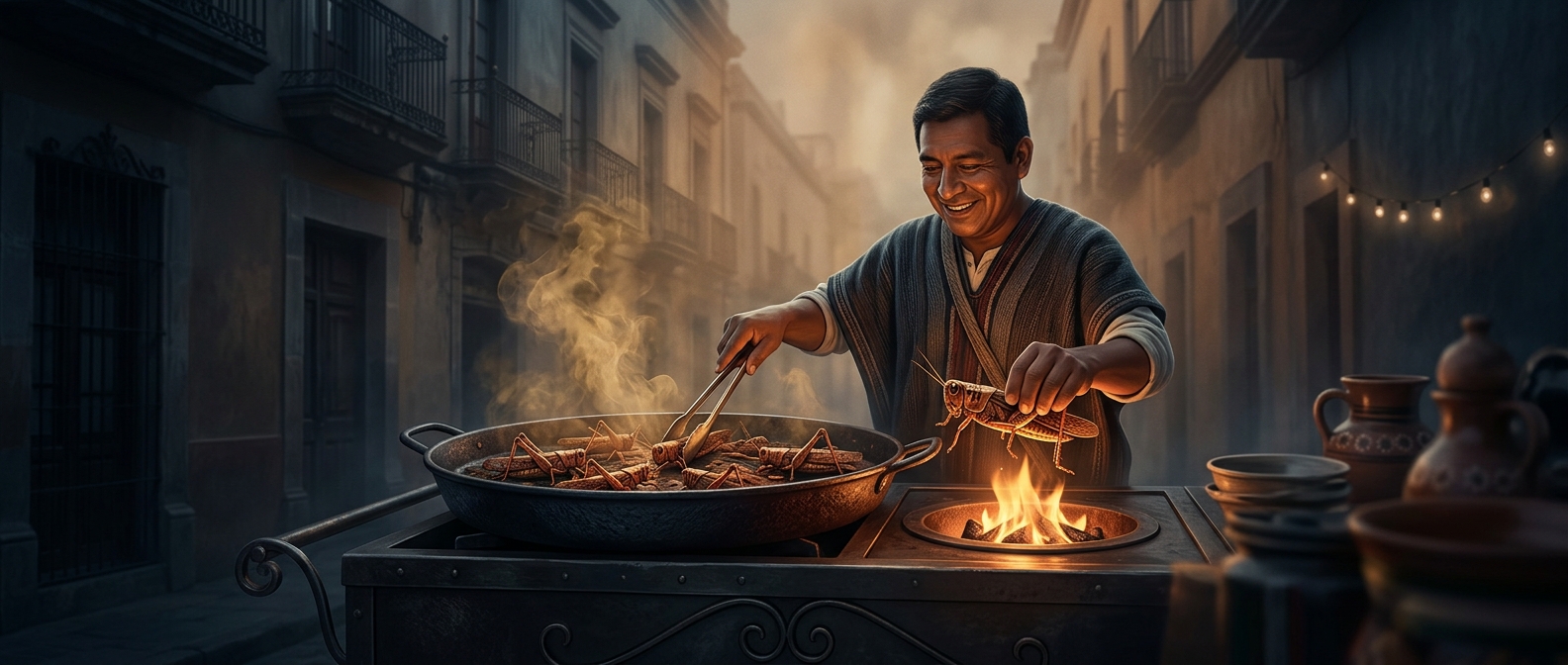
Toasted grasshoppers are a familiar snack in parts of Mexico
Chapulines are commonly seasoned with ingredients such as lime, chile, garlic, and salt. Toasting gives them a crisp texture, and they can be eaten on their…
Discover more