A flame without a struck spark
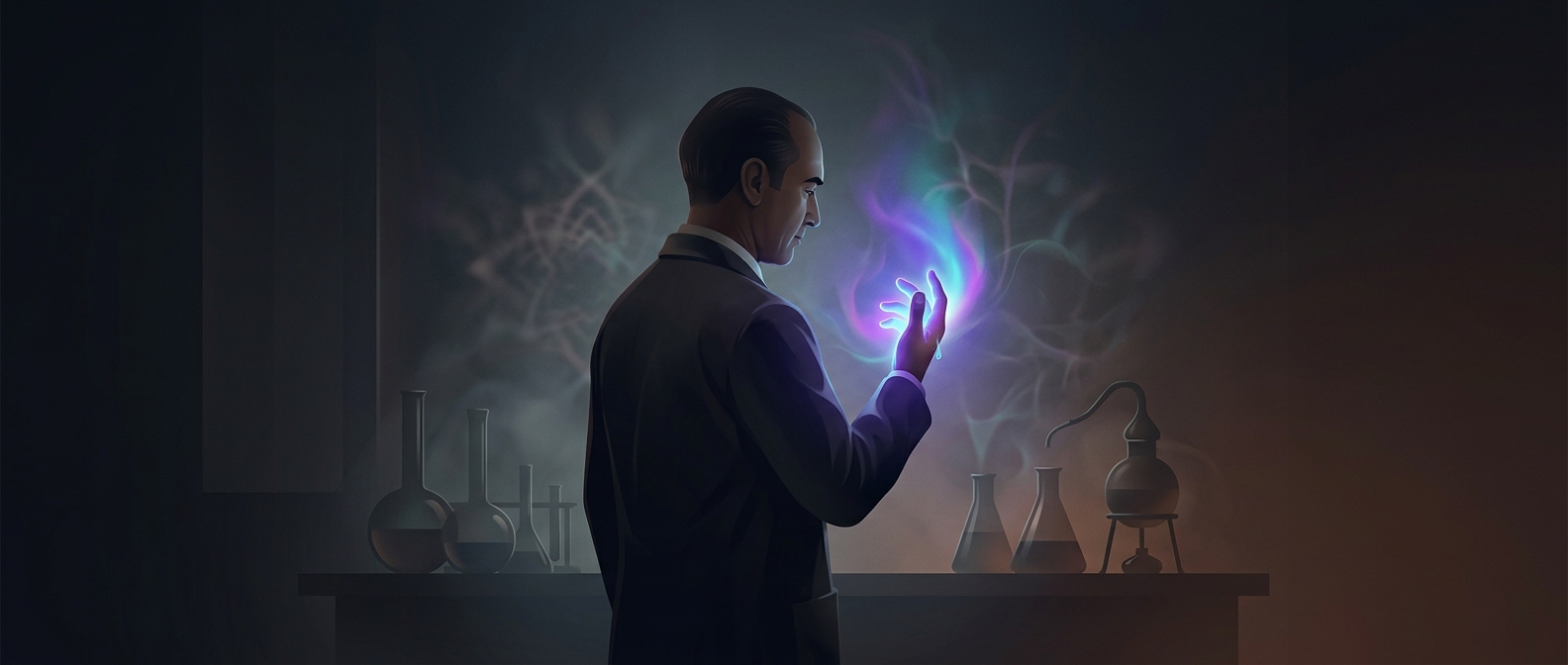
Before a match could make fire with a quick scrape, Döbereiner’s 1823 lamp used a small chemical reaction. Inside the device, metal reacting with acid produced hydrogen gas. Opening a valve sent the gas toward a piece of platinum exposed to air.
Platinum acted as a catalyst: it sped up the reaction between hydrogen and oxygen without being used up itself. That reaction released heat, enough to ignite the hydrogen. The resulting flame could light a candle or pipe.
The clever part—and the inconvenience
The lamp turned chemical ingredients into a flame on demand, but it was not a pocket-sized stick. It needed a supply of acid and metal to generate hydrogen, plus a container and valve to control the gas. It was a useful household device, but not as simple to carry or use as a match.
Friction matches compressed the job into a small stick: striking its prepared tip against a suitable surface produced the heat needed for ignition. That changed the practical experience of making fire. Instead of operating a gas-producing mechanism, a user could carry an igniter and strike it by hand.
The surprising sequence is that a working lighter arrived before the familiar match. Early fire-making technology could be ingenious and effective without yet being portable in the way later everyday tools would be.