How a lichen survives by shutting down
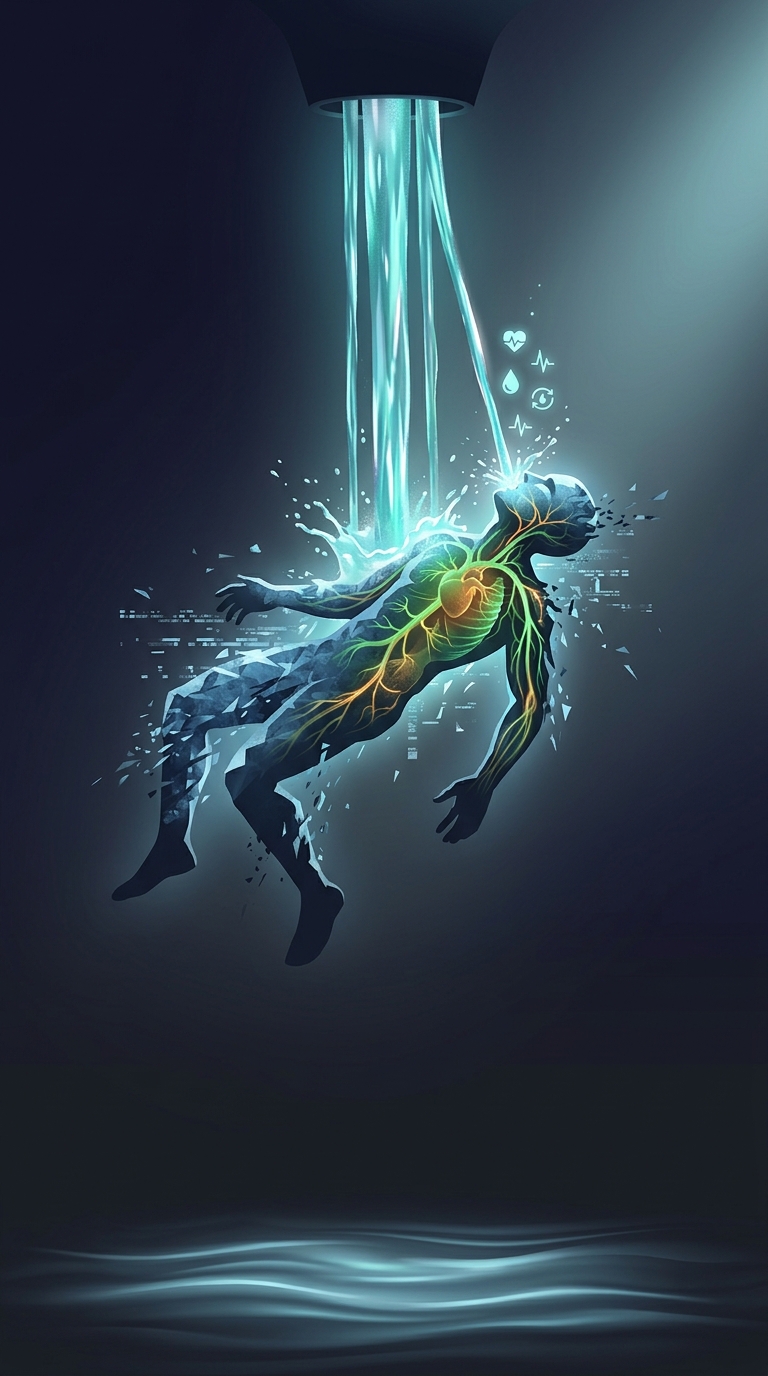
A lichen can lose most of its water without dying because its cells are built to endure dehydration. In an active, hydrated cell, water helps keep membranes flexible and molecules in their working shapes. As a lichen dries, its metabolism slows dramatically; protective sugars and other compounds help stabilize cell structures until water returns.
This state is often called desiccation tolerance: the organism can withstand drying and resume activity later. It is not the same as continuing to grow through a drought. While dry, the lichen does little photosynthesis and gains almost no new energy.
The body around the photosynthetic partner
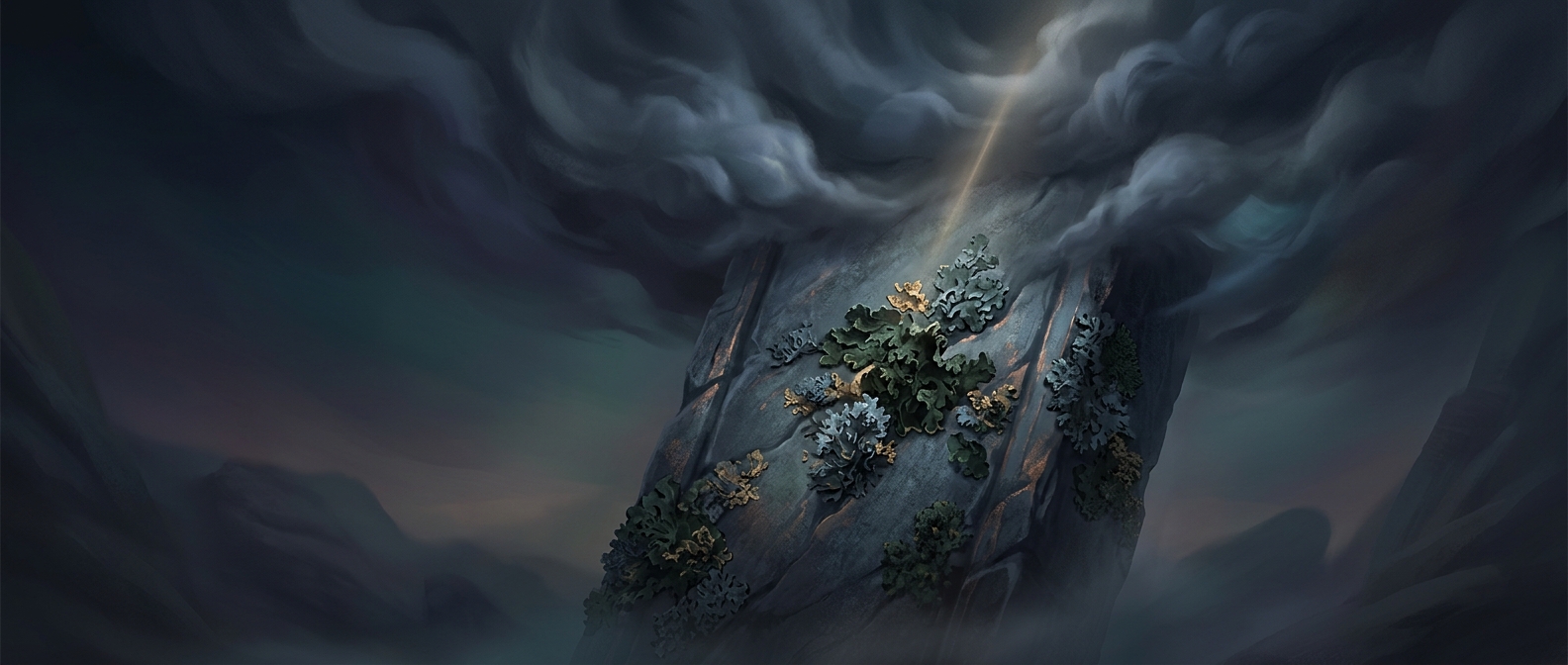
The fungus forms most of the lichen’s visible structure, with the photosynthetic partner held among its threads. That arrangement does more than keep the partners together: the fungal tissue can help shield the photosynthetic cells from intense light and limit how quickly moisture escapes. The balance matters. A lichen must dry enough to survive a long water shortage, yet absorb water quickly when rain, dew, or fog arrives.
Once hydrated, photosynthesis and other cellular processes can resume. The lichen’s activity therefore tracks the weather closely: damp periods provide brief windows for making sugars and growing, while dry periods are a pause rather than a sustained struggle. On a rock or tree, a thin crust may look unchanged for weeks, then become metabolically active again after a passing shower.