A crow can turn a confrontation into a group response
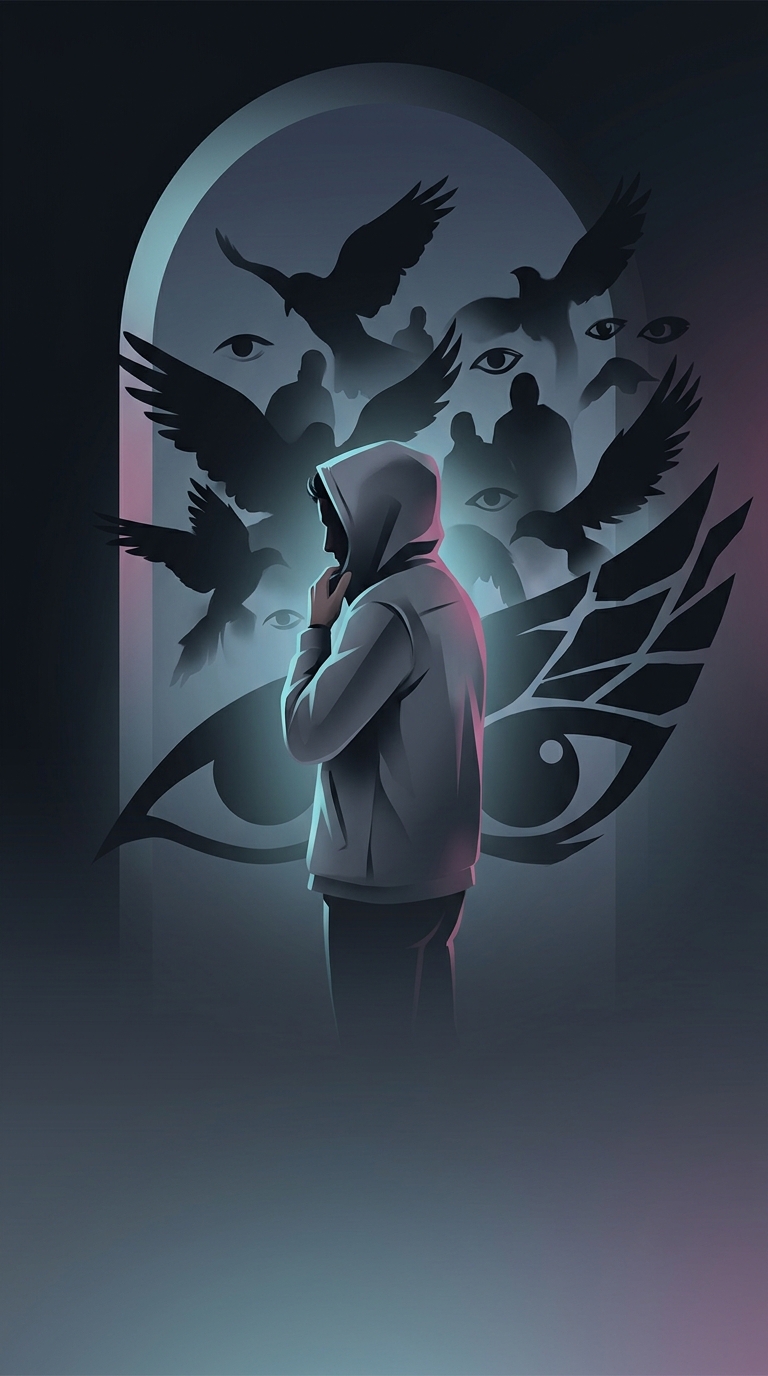
If you threaten or harass a crow, it may give loud alarm calls and draw nearby crows into a mobbing response: birds gather around a perceived danger, calling and sometimes swooping close to drive it away. The point is not to attack like a coordinated flock of predators. It is to make the threat conspicuous and uncomfortable enough that it leaves.
The warning can outlast the encounter
Crows are good at learning which people are dangerous. A bird that associates a person with a threat may alarm when that person appears again, and other crows can join in. In this way, a brief encounter can become a repeated one: the person is recognized as a risk, the warning spreads through the birds nearby, and more crows may gather or call.
That response is not guaranteed, and it does not mean every crow in the area will remember every person. But crows live socially, and a warning from one bird can make a problem much larger than a one-on-one dispute. The unnerving part is that the crow you upset may not be the only one reacting.