Science
Discover facts about science. Small discoveries that change the way you see familiar things.
Science

Why Germany has more than 1,000 kinds of sausage
A sausage can change character before anyone reaches for the spice rack. German varieties differ in their meat, casing, texture, and whether they’re smoked,…
Discover more
A pomegranate packs a separate juicy wrapper around each seed
The red part you eat surrounds a firmer seed inside. Hundreds of these little packages share one rind, divided into chambers by pale membranes. Instead of one…
Discover more
Honey makes water hard for microbes to use
Its concentrated sugars bind much of the available water, while acidity creates another obstacle to microbial growth. Kept dry and sealed, honey can remain…
Discover more
Why Neapolitan pizza uses San Marzano tomatoes
San Marzano DOP is a place-based label, not just a tomato type. It guarantees that the tomatoes were grown in a particular part of Italy under defined rules.…
Discover more
Why Dutch windmills pumped water, not flour
Wind turned a wheel or lifting device that carried water from low fields into canals. That drainage made wet ground usable for crops. In the Netherlands, some…
Discover more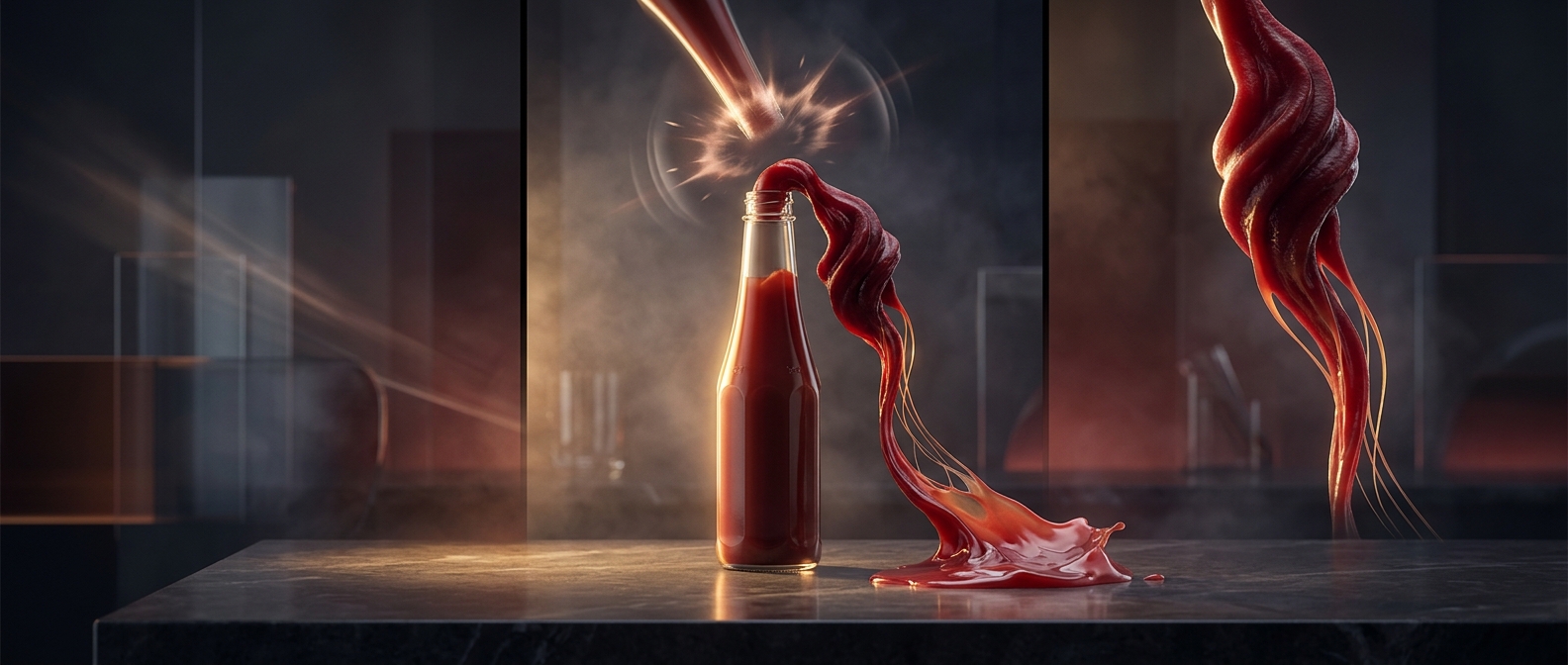
Why smacking ketchup makes it flow
Ketchup’s internal structure holds it together while the bottle sits still. A sharp smack disrupts that structure, so the sauce temporarily flows more…
Discover more STACKY FOR IPHONE
A bigger world.
One discovery
at a time.
Keep discovering with Stacky. Interesting facts in an app that is always within reach.
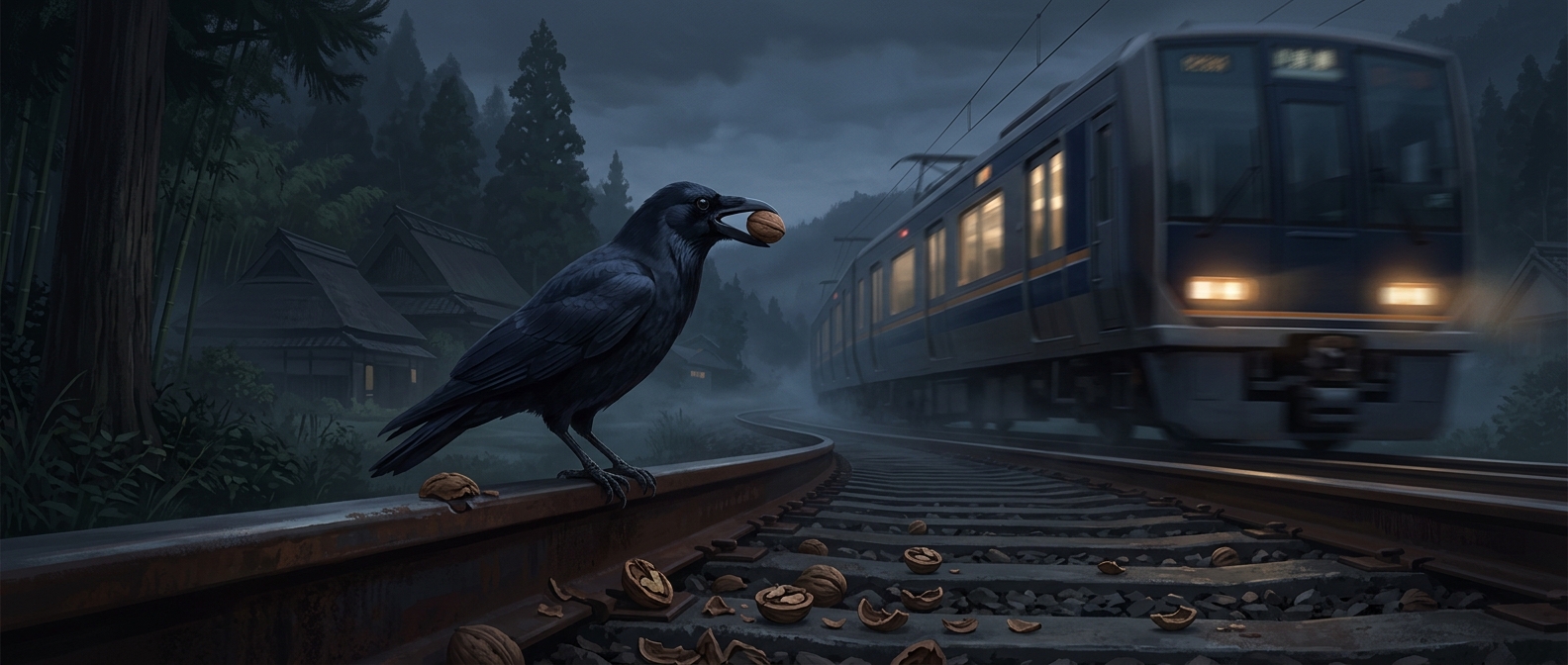
Japanese crows use cars to crack walnuts
Some Japanese crows use cars as nutcrackers: they leave walnuts where traffic can crush them, then wait for a pause at a signal or crosswalk to collect the…
Discover more
Why watermelon is mostly water
Most of a watermelon’s water is held inside plant cells, with sugars and other substances dissolved in it. The cells and surrounding tissue keep the liquid…
Discover more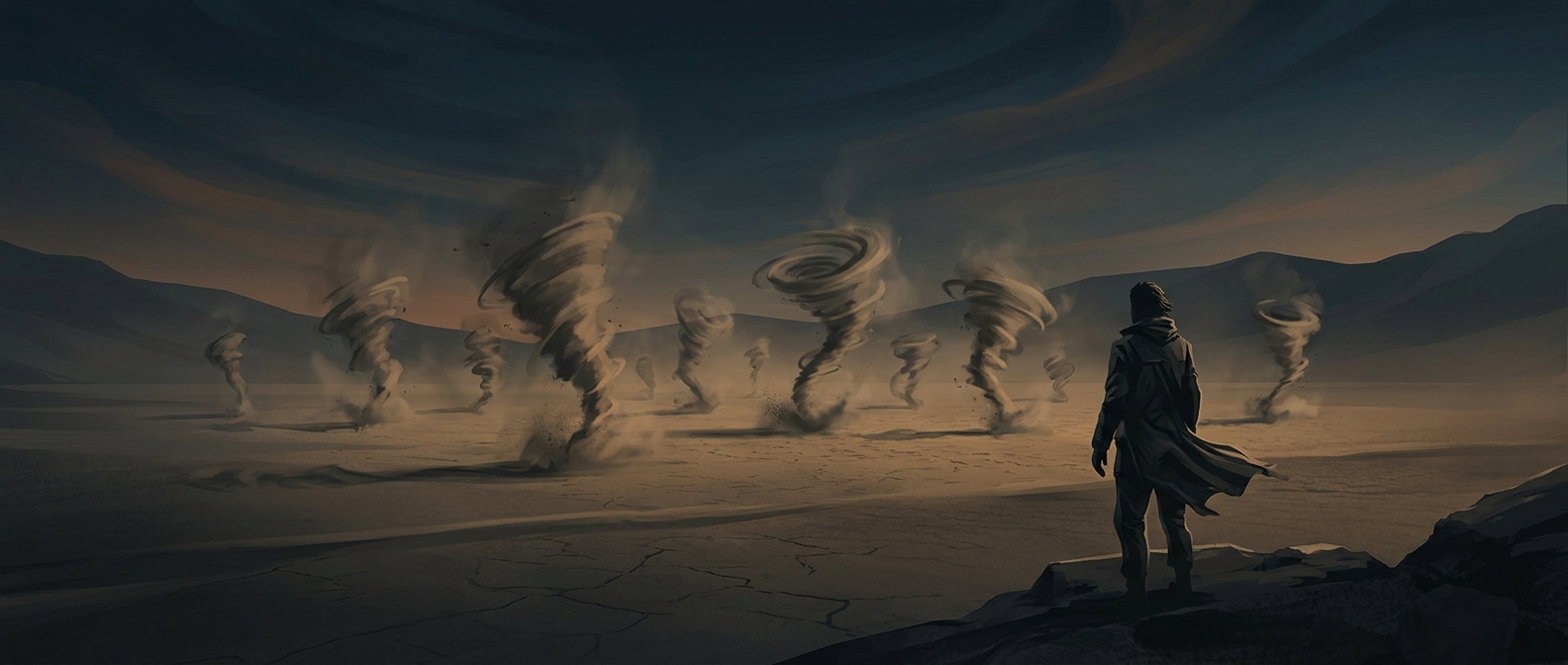
Why dust devils can spin either way
Dust devils are small enough that local air currents can set their spin. Shifting breezes and rising warm air can start a swirl in either direction, while…
Discover more
Thundersnow brings lightning to snowstorms
Strong rising air in a winter storm can separate electrical charges, setting up lightning just as it does in a thunderstorm. Heavy snowfall muffles the…
Discover more
Torque explains why door handles are far from hinges
A door handle gives your push more turning power when it’s farther from the hinge. The extra distance increases torque, so the same force turns the door more…
Discover more
Hurricane eyes are deceptively tranquil environments
The hurricane’s eye can feel calm because air is sinking there, while the fiercest winds circle in the surrounding eyewall. That sudden lull may be only the…
Discover more
Morning dew doesn't fall from the sky
Grass and other surfaces lose heat overnight. When they cool below the dew point, water vapor in the surrounding air condenses into droplets. The lawn becomes…
Discover more
Jet streams are massive high-speed atmospheric rivers
Think of the jet stream as a high-altitude river that weather systems can ride. A straight current would carry them along predictably, but the real stream…
Discover more
A pendulum can reveal Earth’s rotation
Watch a long-swinging pendulum and its path seems to turn, but the pendulum is mostly keeping its direction while Earth rotates below. At the poles, the…
Discover more
Momentum transfers flawlessly between rigid objects
When one end ball hits the row, the middle balls pass the push along until the ball at the far end swings out. In an ideal cradle, momentum and energy travel…
Discover more
Why a boomerang comes back
A boomerang turns because its spinning wings push unevenly on the air. As it moves forward, one wing travels faster and makes more lift than the other,…
Discover more
High atmospheric pressure heavily suppresses local storms
In a high-pressure system, air sinks and gets compressed by the air below, warming as it goes. That warmer air makes clouds less likely to form and can dry…
Discover more
Inertia keeps objects blindly moving during collisions
The cup doesn’t know the car is braking; it simply keeps moving as before until something stops it. Friction or a bump supplies that force, and a seat belt…
Discover more
Air puts a speed limit on a falling penny
Its low mass and broad shape create enough drag to stop it accelerating indefinitely. That makes a penny very different from a compact heavy object falling…
Discover more
Greenhouse effect stubbornly traps atmospheric heat
Earth absorbs sunlight, then releases some of that energy as heat. Greenhouse gases absorb this outgoing heat and send it in every direction, including back…
Discover more
Coriolis effect dictates massive storm rotation patterns
Earth’s rotation nudges moving air sideways: right in the Northern Hemisphere, left in the Southern. Across a huge storm, that small deflection helps organize…
Discover more
Hailstones grow in distinct solid concentric layers
A hailstone grows as it passes through changing conditions inside a storm. When its surface is wet, water freezes slowly into clear ice; when droplets freeze…
Discover more
Fog is just a cloud that stayed on the ground
Fog forms when air near the ground cools enough for water vapor to condense into tiny floating droplets. Those droplets scatter light, making distant things…
Discover more