Science
Discover facts about science. Small discoveries that change the way you see familiar things.
Science
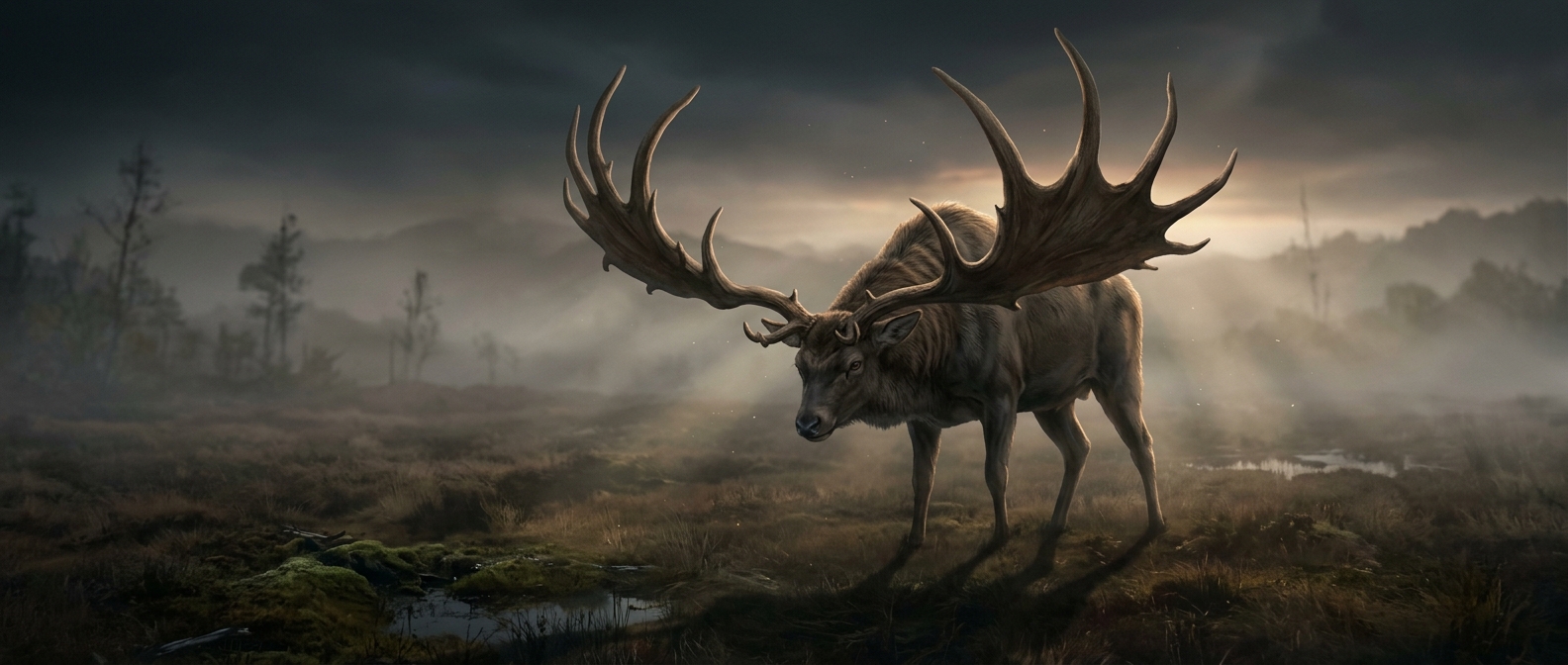
This deer's antlers were wider than a small car
Some Megaloceros antlers stretched about 12 feet across—wider than many small cars. That span had to be carried by a living animal, putting a huge structure…
Discover more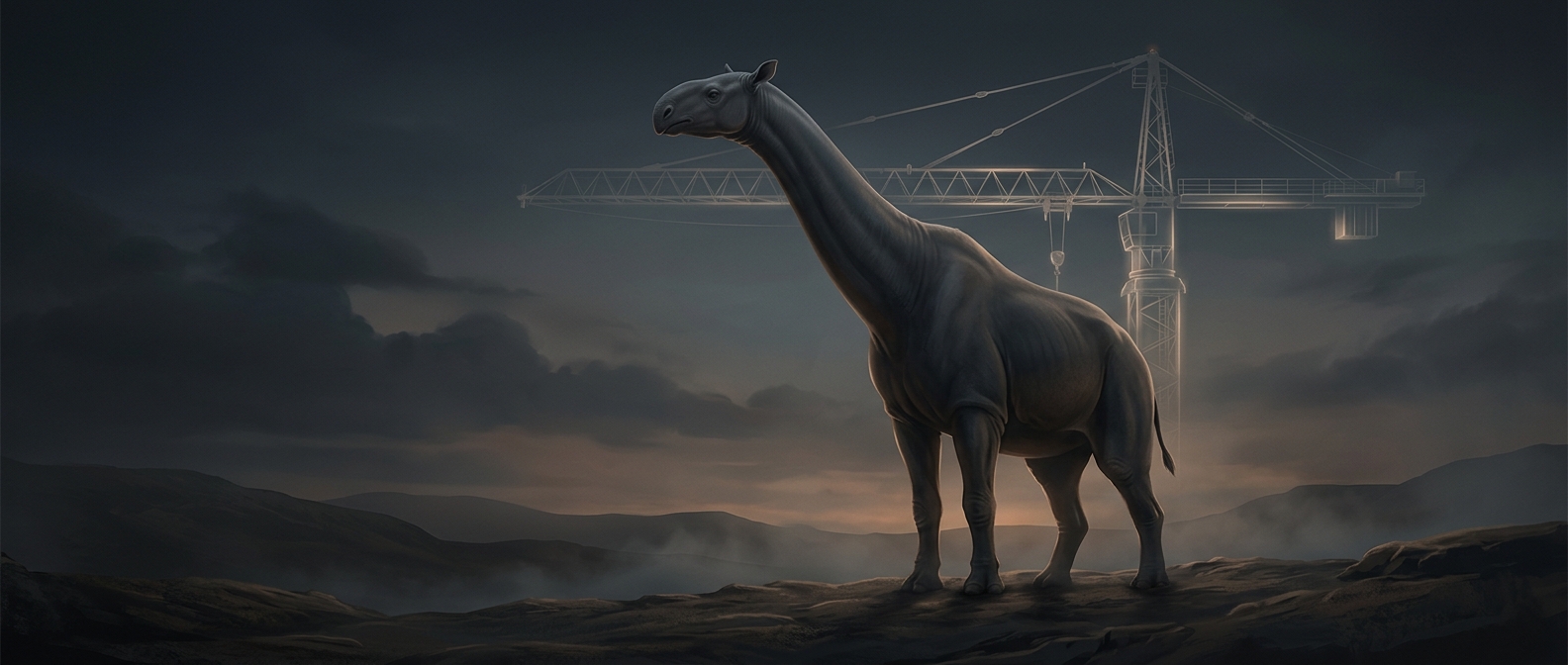
Paraceratherium was a hornless rhinoceros built like a crane
Its long legs lifted its body, and its long neck let it reach high-growing leaves. Though related to rhinos, Paraceratherium had no horn—a rhino relative that…
Discover more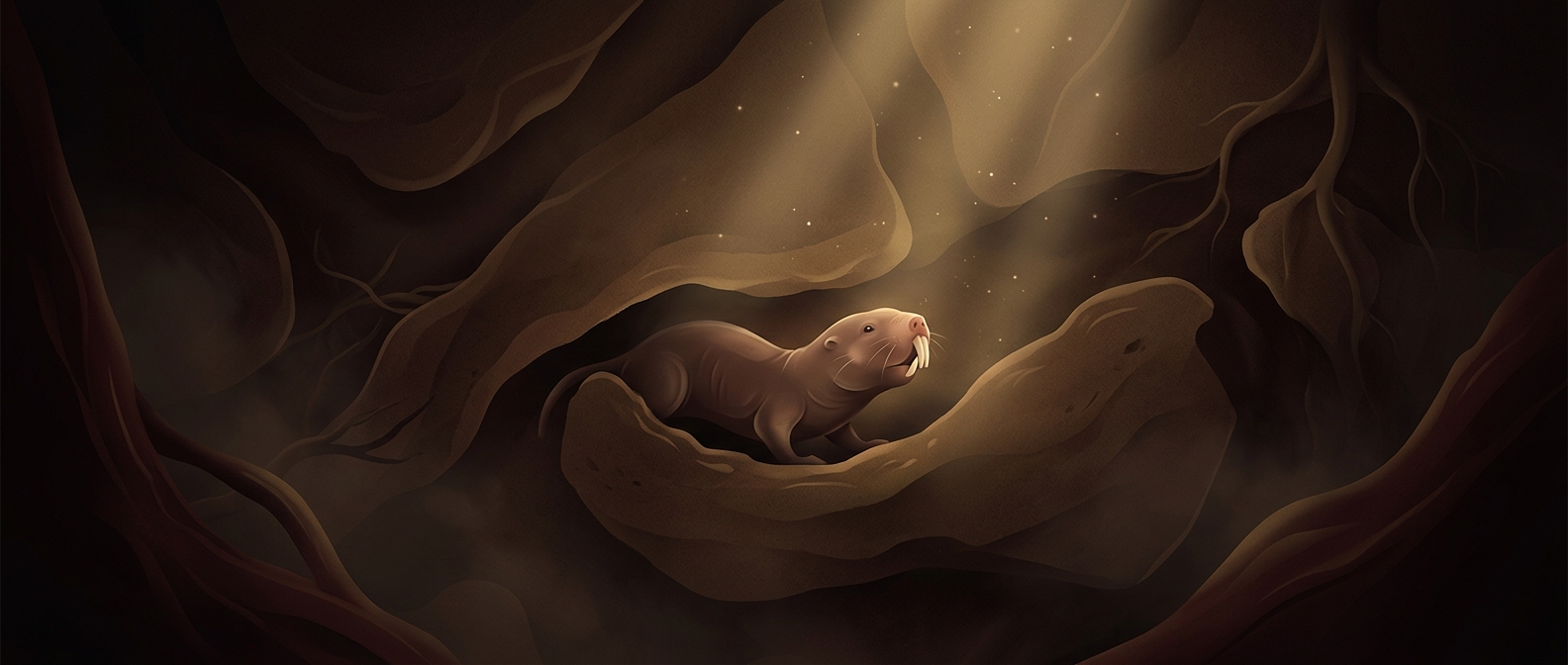
The rat whose teeth stick out beyond its lips
A naked mole-rat’s lips seal shut behind its front teeth, leaving the incisors outside the mouth. It can gnaw through soil without dirt pouring in. The teeth…
Discover more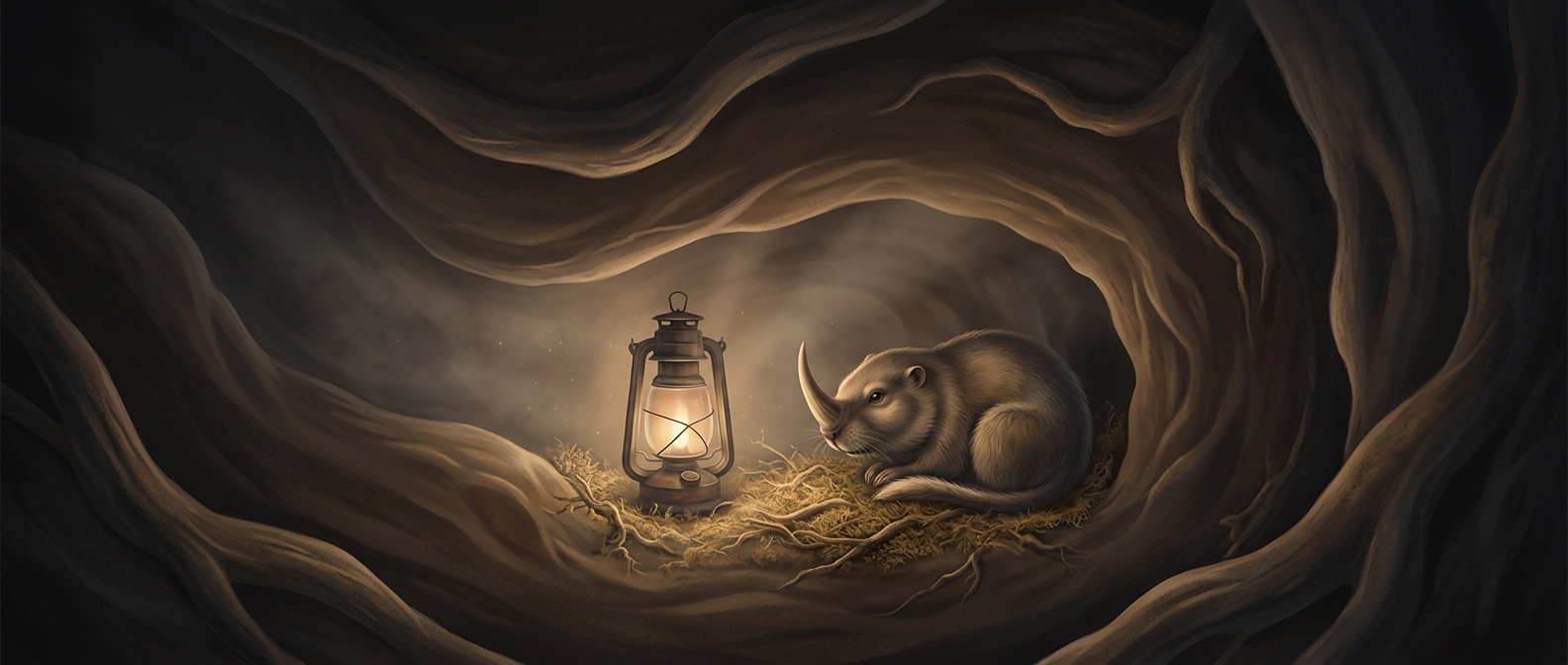
A burrowing rodent evolved two horns on its nose
The extinct Ceratogaulus was a rodent with prominent nasal horns. An anatomical study argued they were better suited to defense than digging, especially when…
Discover more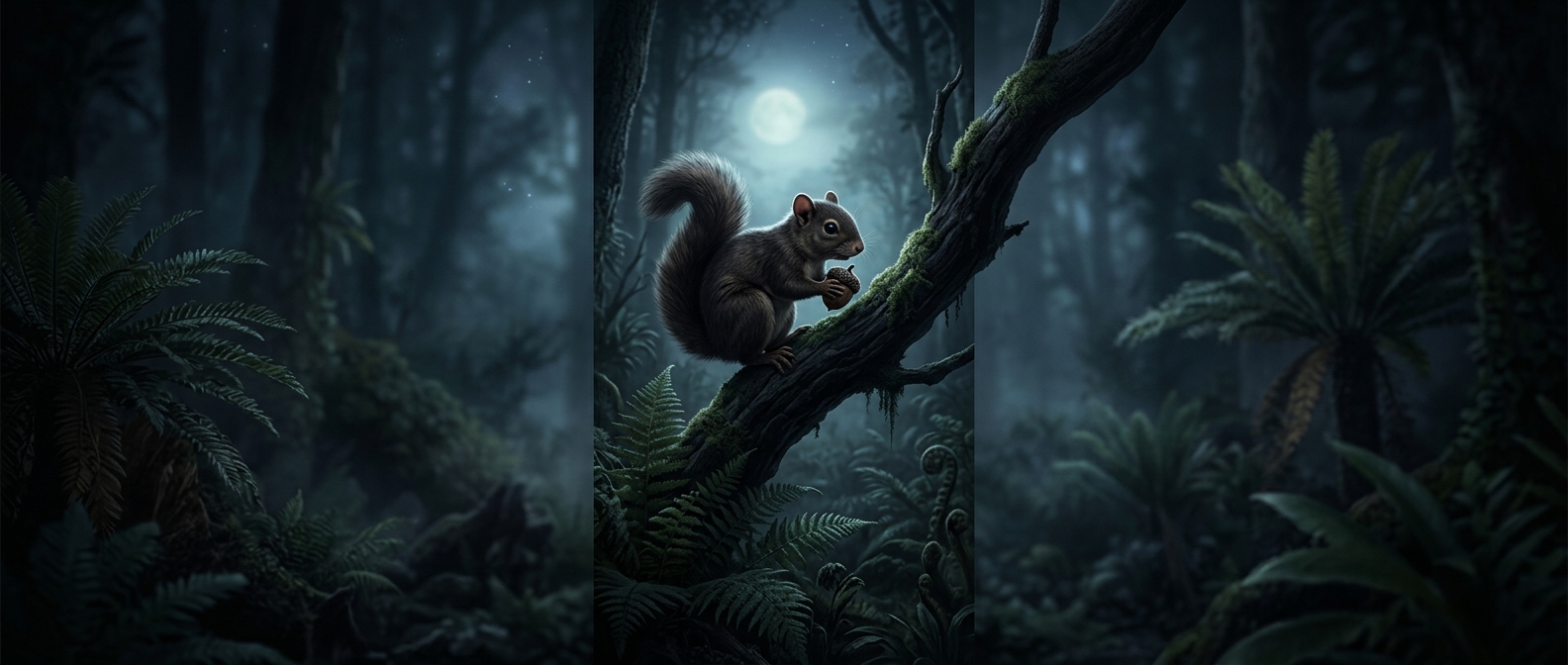
Ptilodus was an ancient mammal heavily resembling a squirrel
Ptilodus looked squirrel-like, but it belonged to a different, now-extinct mammal group called multituberculates—not to the squirrel or rodent family. Its…
Discover more
Tourist trap was coined to describe shady spots
The phrase “tourist trap” was first recorded in 1939 for businesses built to squeeze money from visitors unfamiliar with the area. A traveler who doesn't know…
Discover more STACKY FOR IPHONE
A bigger world.
One discovery
at a time.
Keep discovering with Stacky. Interesting facts in an app that is always within reach.
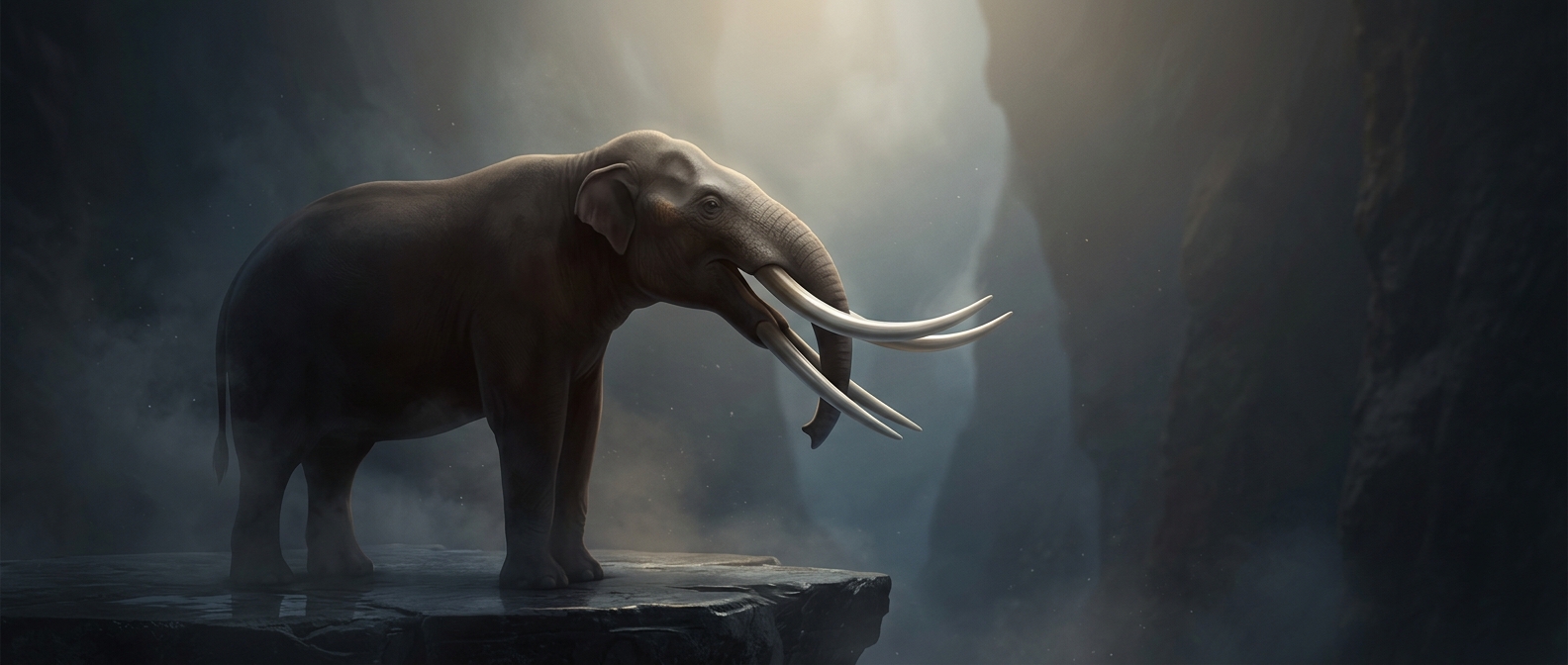
The prehistoric animal with four tusks
Gomphotherium’s lower tusks grew from an elongated jaw and stuck out beneath its upper pair. Together, the four tusks could look like two pairs of…
Discover more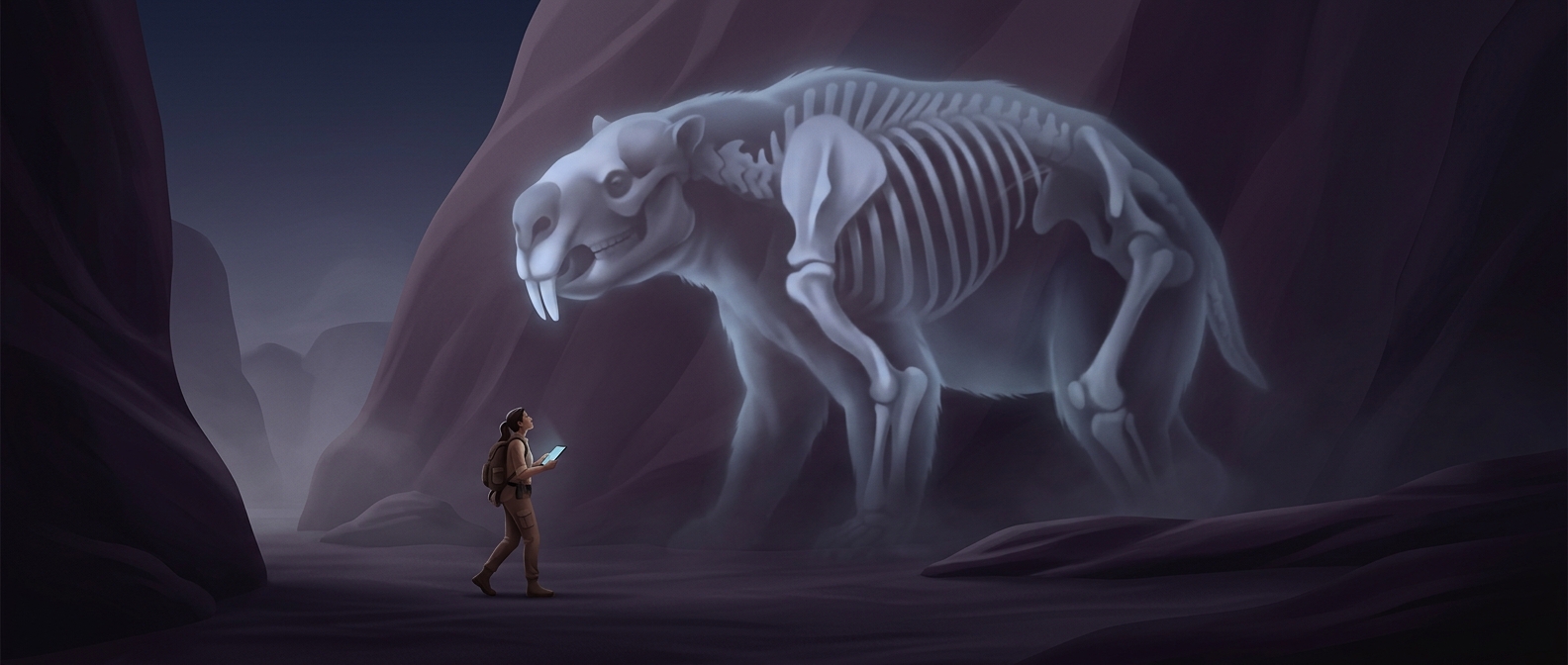
The wombat relative that grew as large as a rhino
The rhino comparison is about size, not family. Diprotodon was a huge plant-eating marsupial and the largest known member of that group; its closest living…
Discover more
Mancation denotes forced masculine bonding trips
Mancation blends “man” and “vacation” into a name for a male-only group trip. The getaway might revolve around a cabin, grilling, or shared activities; the…
Discover more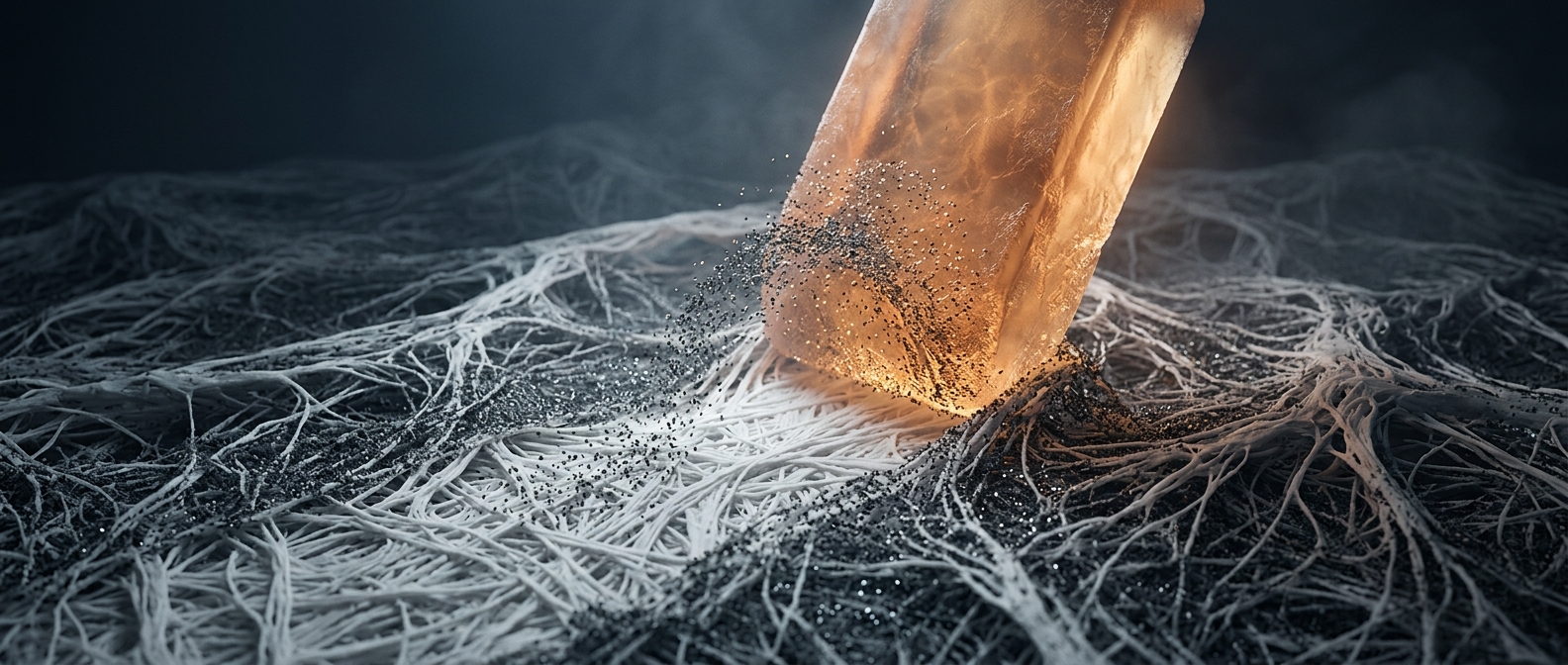
Why erasers leave crumbs behind
Rub an eraser over pencil marks and its rubber grips the graphite clinging to the paper fibers. The rubbing also wears down the eraser, so it sheds crumbs…
Discover more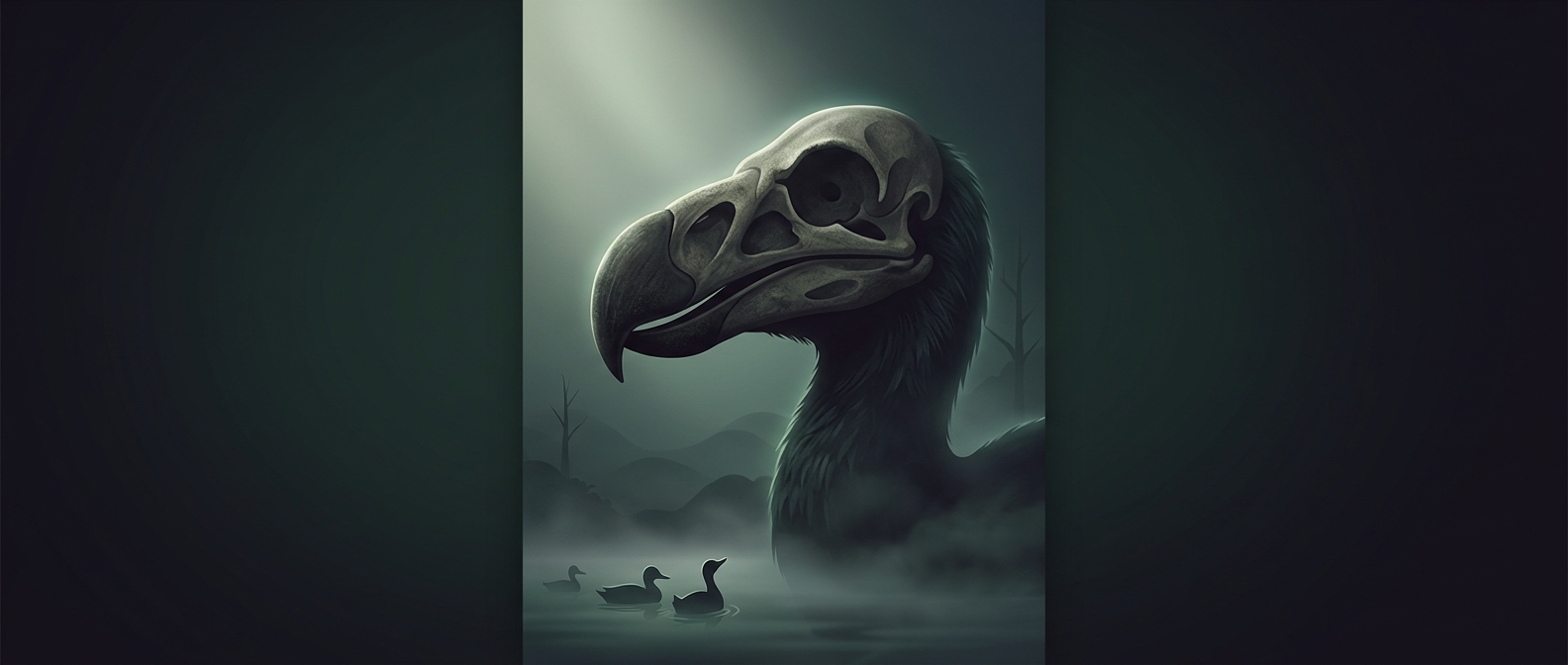
Australia's demon duck had a skull the size of a horse's
The extinct bird nicknamed the Demon Duck of Doom stood about 2.5 meters tall and weighed roughly 300 kilograms. Its deep bill sat on an enormous skull, above…
Discover more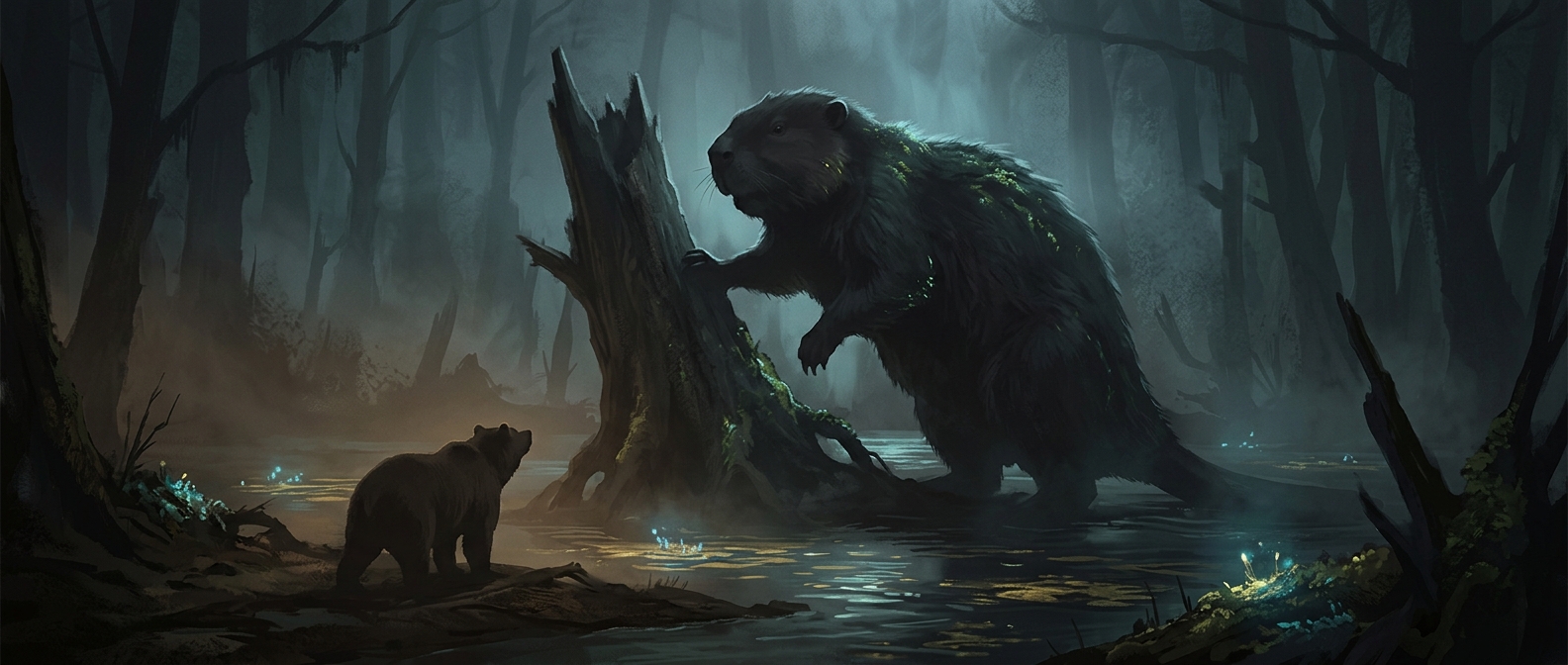
The beaver that grew as large as a bear
A bear-sized beaver sounds ready to fell trees, but its teeth tell a quieter story. They were broad and blunt, unlike the sharp chisels modern beavers use to…
Discover more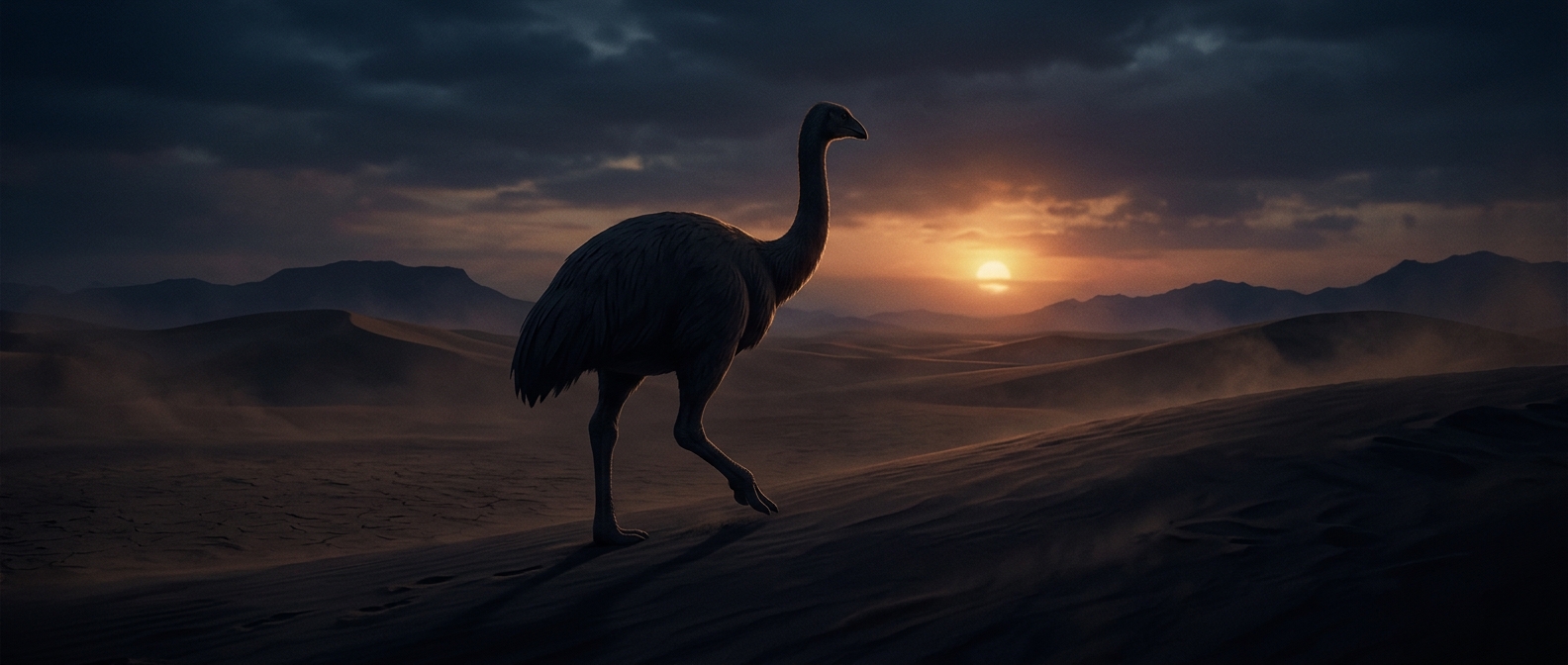
The giant flightless bird that lived in the desert
The bird’s enormous size and inability to fly are clear; how it managed life in an ancient Egyptian desert is not. Paleontologists are still trying to connect…
Discover more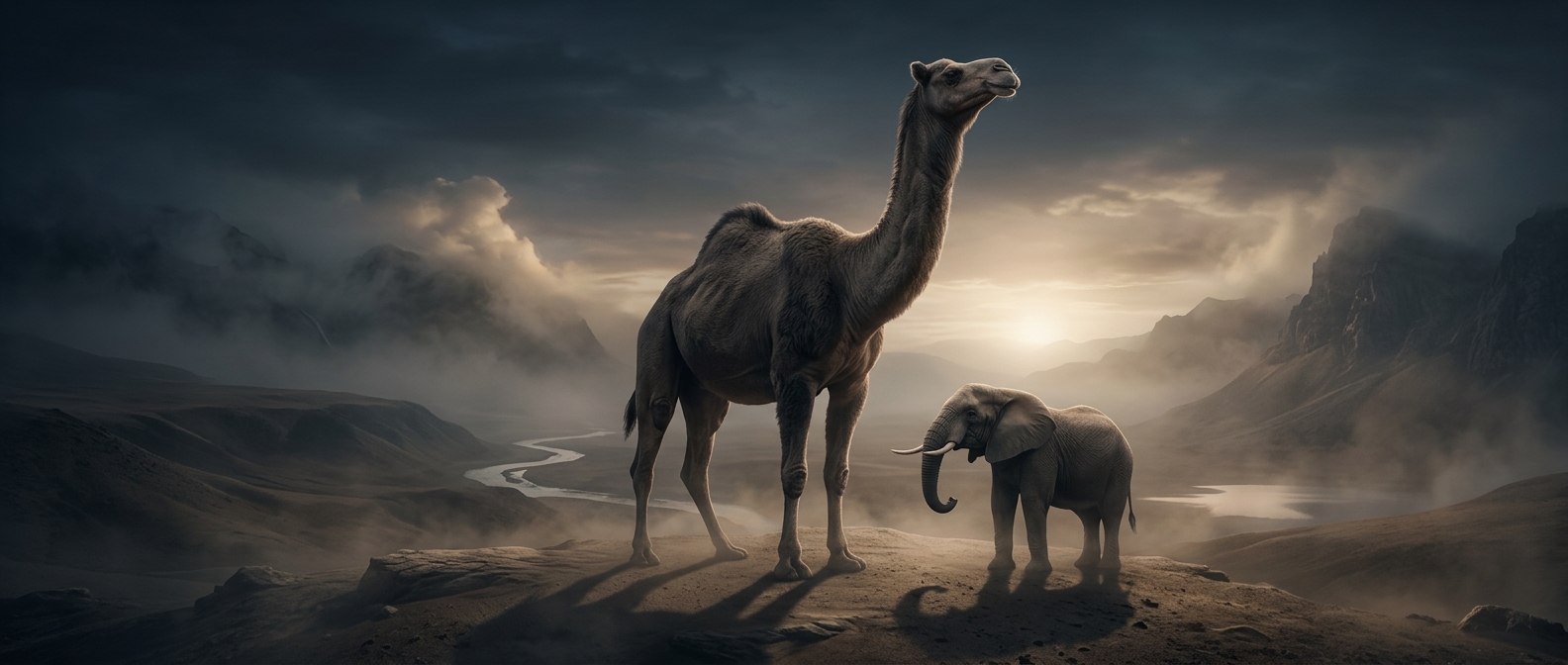
North America once had several kinds of giant camel
Fossils record a succession of giant camel relatives, including Titanotylopus in what is now Nebraska. A Smithsonian study identified seven giant-camel genera…
Discover more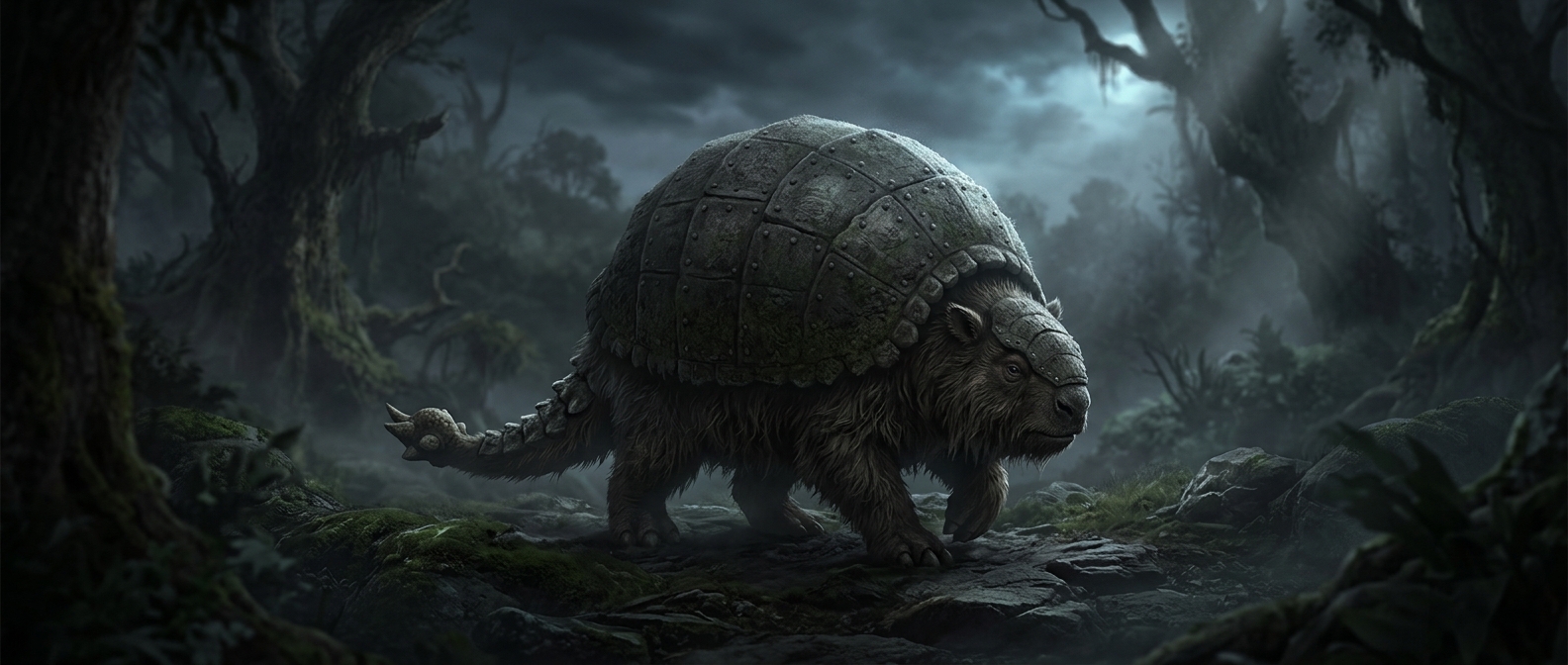
The prehistoric mammal with a tank-like shell
Picture a Volkswagen Beetle-sized mammal wearing a dome of solid bone. Some Glyptodons added armored tails, leaving much of the animal protected from front to…
Discover more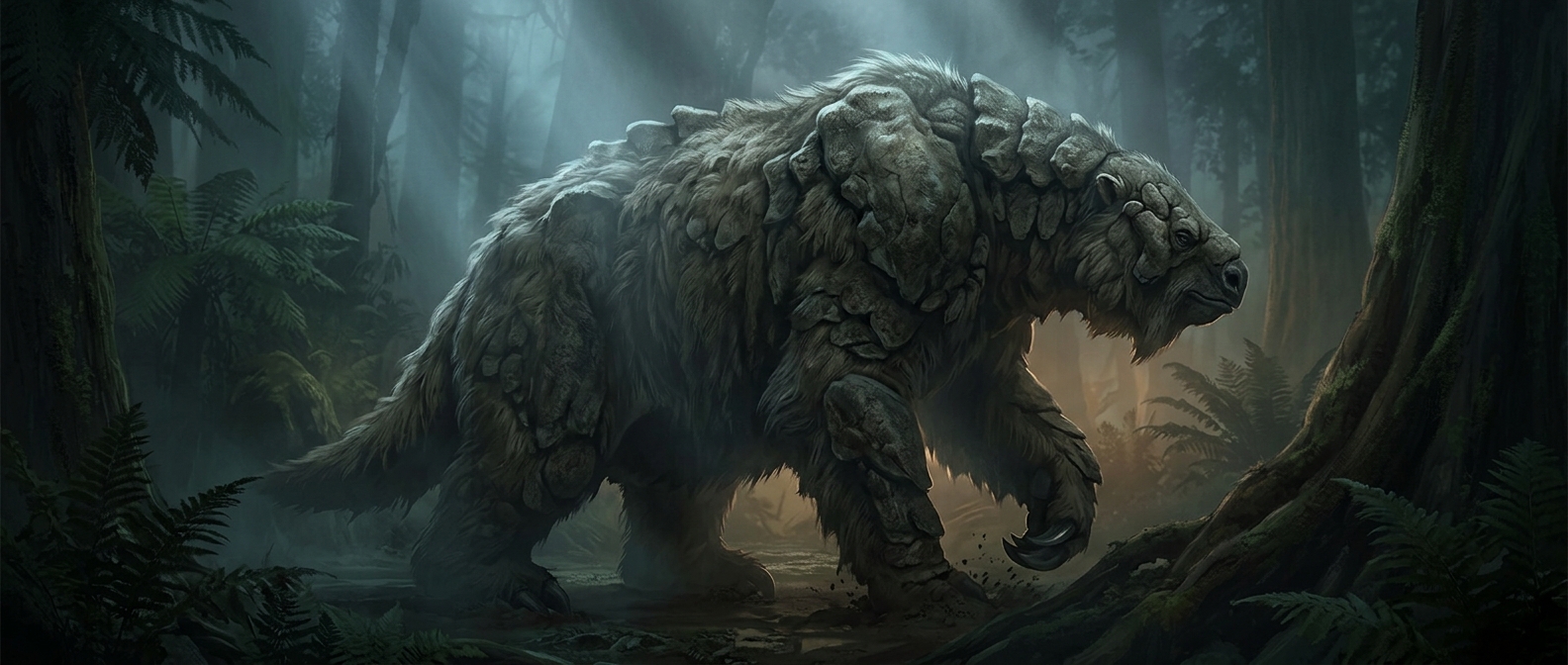
An elephant-sized sloth could stand up to reach its dinner
To get at leaves high above, the giant sloth could brace itself with its massive tail and rear upright. Then its powerful hind legs and long claws helped it…
Discover more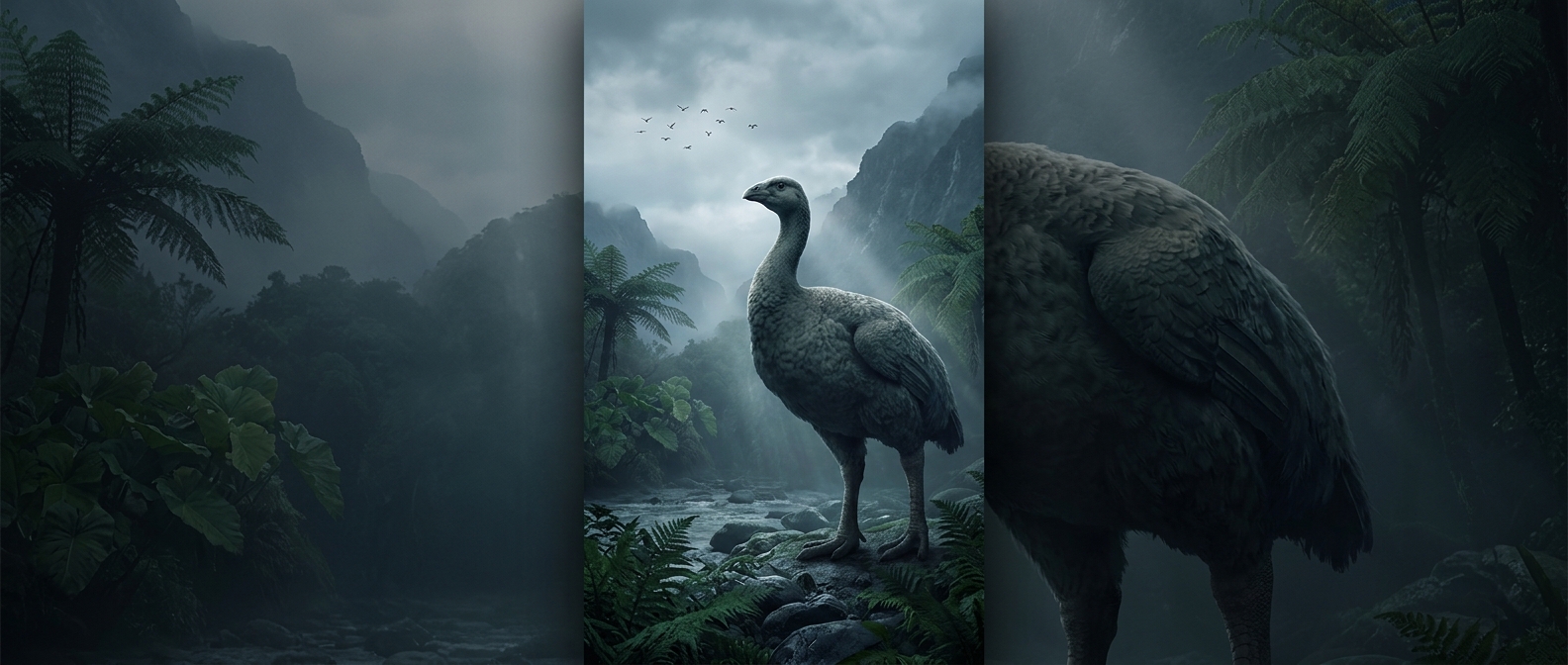
The goose that was too big to fly
Being a goose didn’t guarantee Cnemiornis a way into the sky. Its body was so large and heavy that it couldn’t fly, turning impressive size into a serious…
Discover more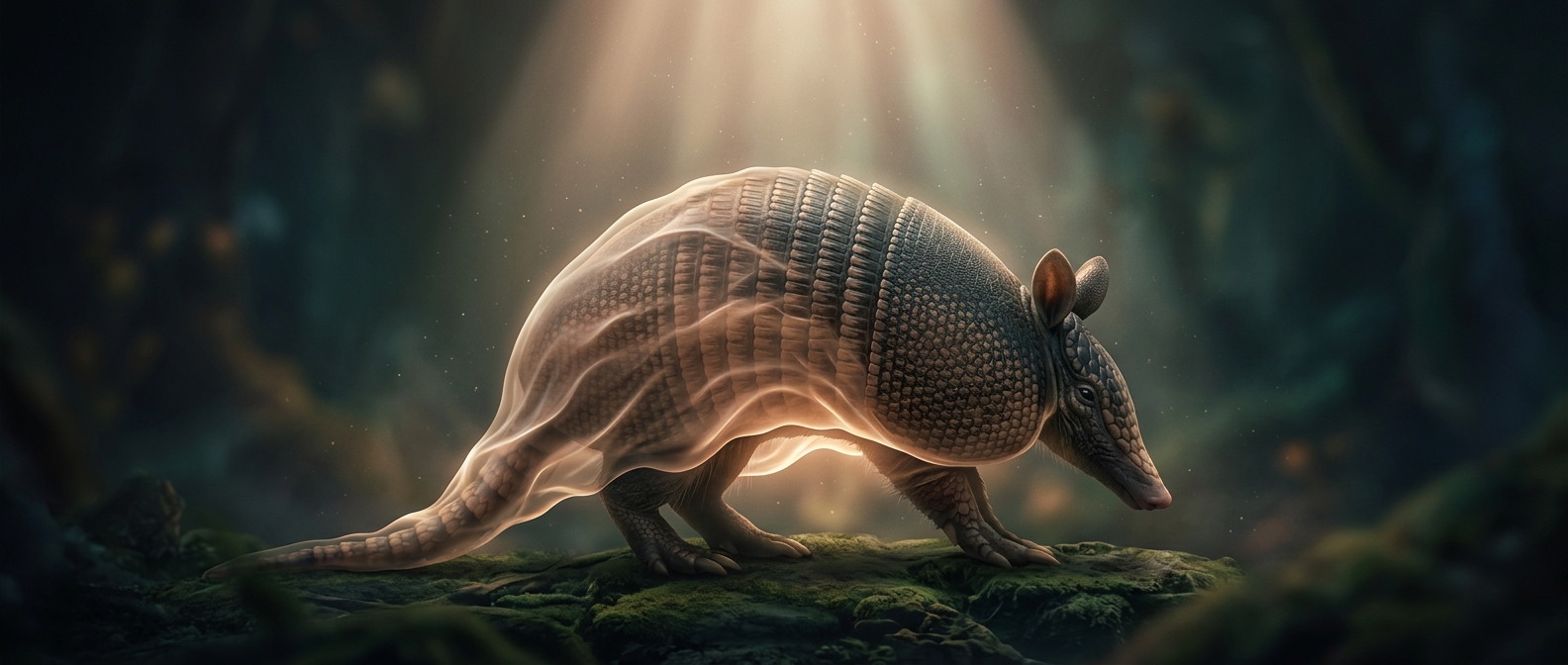
An armadillo grows its armor inside its skin
An armadillo’s armor is part of its body, attached to the skin rather than worn like a shell. Bony plates form the structure, and keratin—the tough material…
Discover more
Term sightseeing emerged during the 19th century
In the 19th century, a growing middle class gained more chances to travel for pleasure. That helped sightseeing take off: people could set out not just to…
Discover more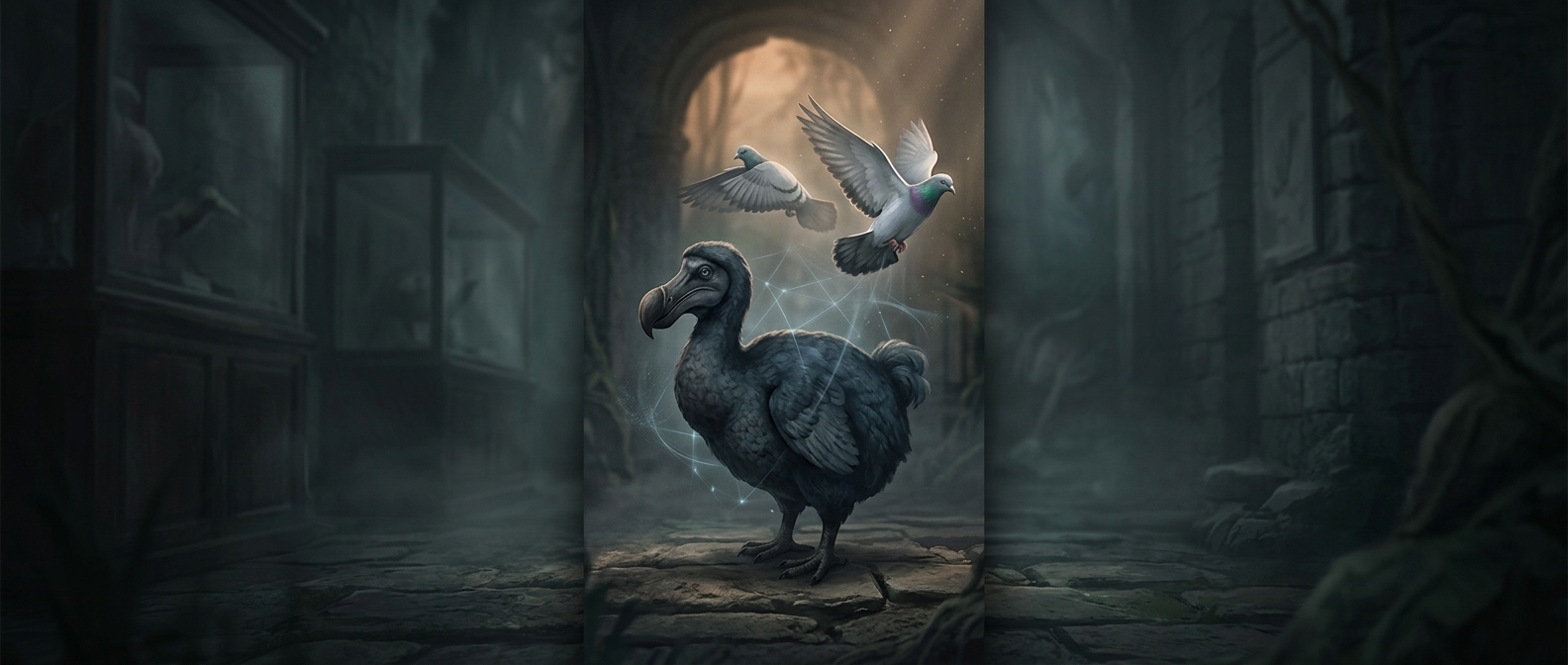
The dodo belonged to the pigeon family
Its size and inability to fly make it look unlike a city pigeon, but anatomy and DNA place it in the same bird family. Its closest living relative is the…
Discover more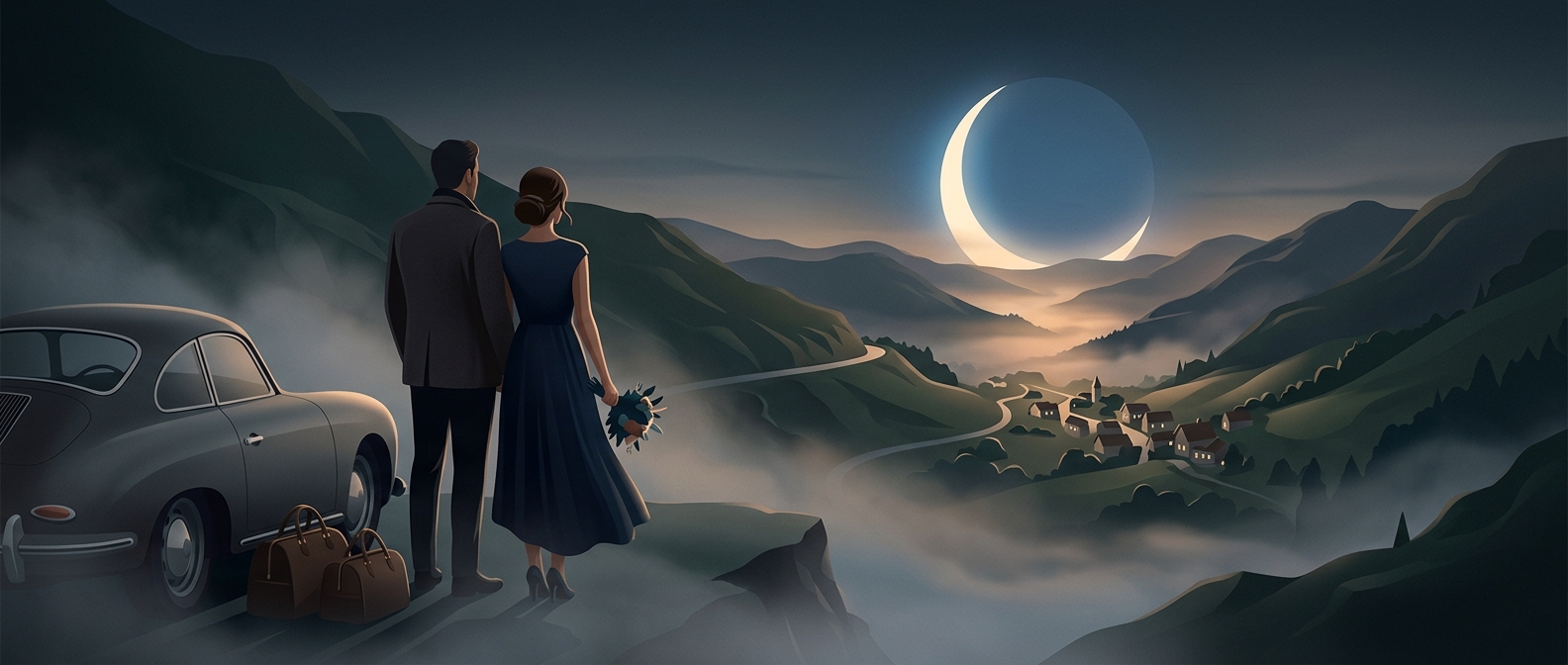
Minimoon refers to an abridged post-wedding trip
A minimoon is a short trip taken soon after a wedding, often close to home. It gives the couple a chance to pause together before work and everyday routines…
Discover more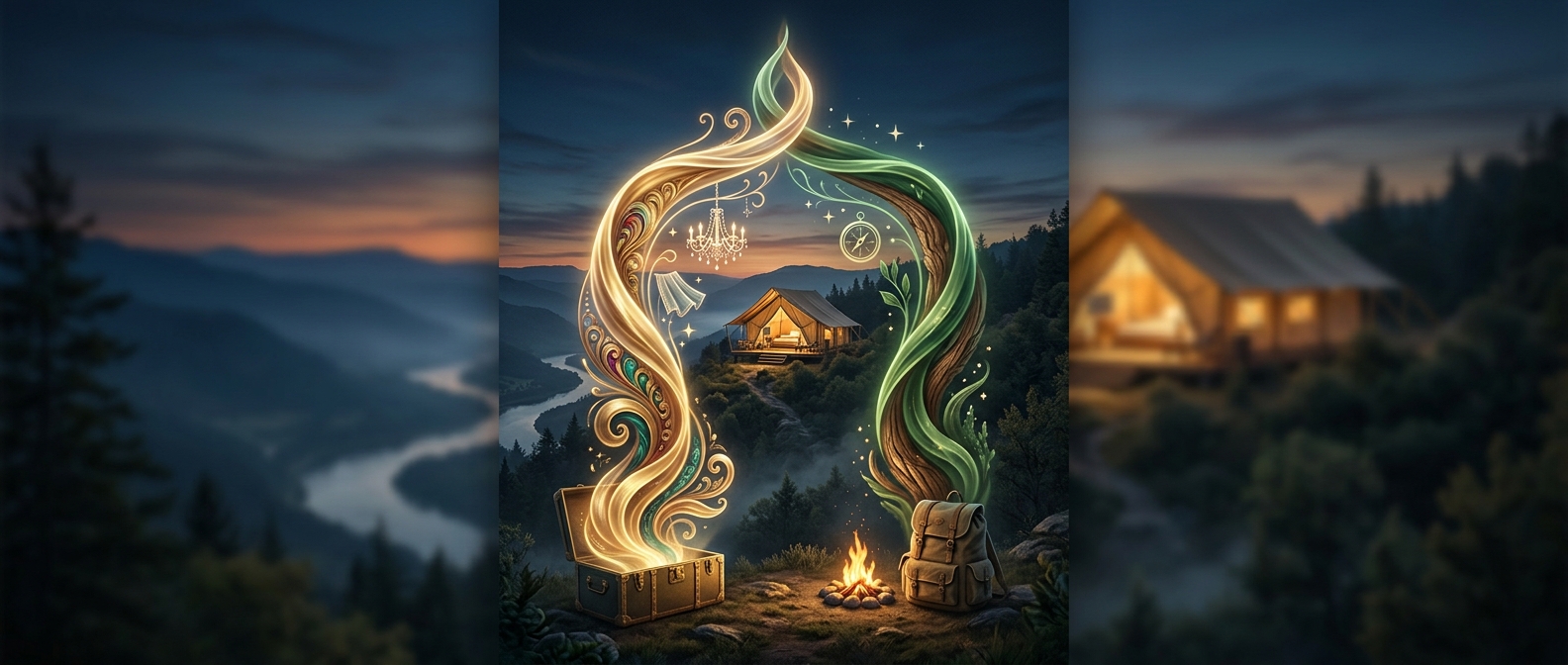
Portmanteau glamping became official in 2005
Take the first part of “glamorous,” join it to “camping,” and you get “glamping.” The word, coined in the UK and added to dictionaries in 2005, describes…
Discover more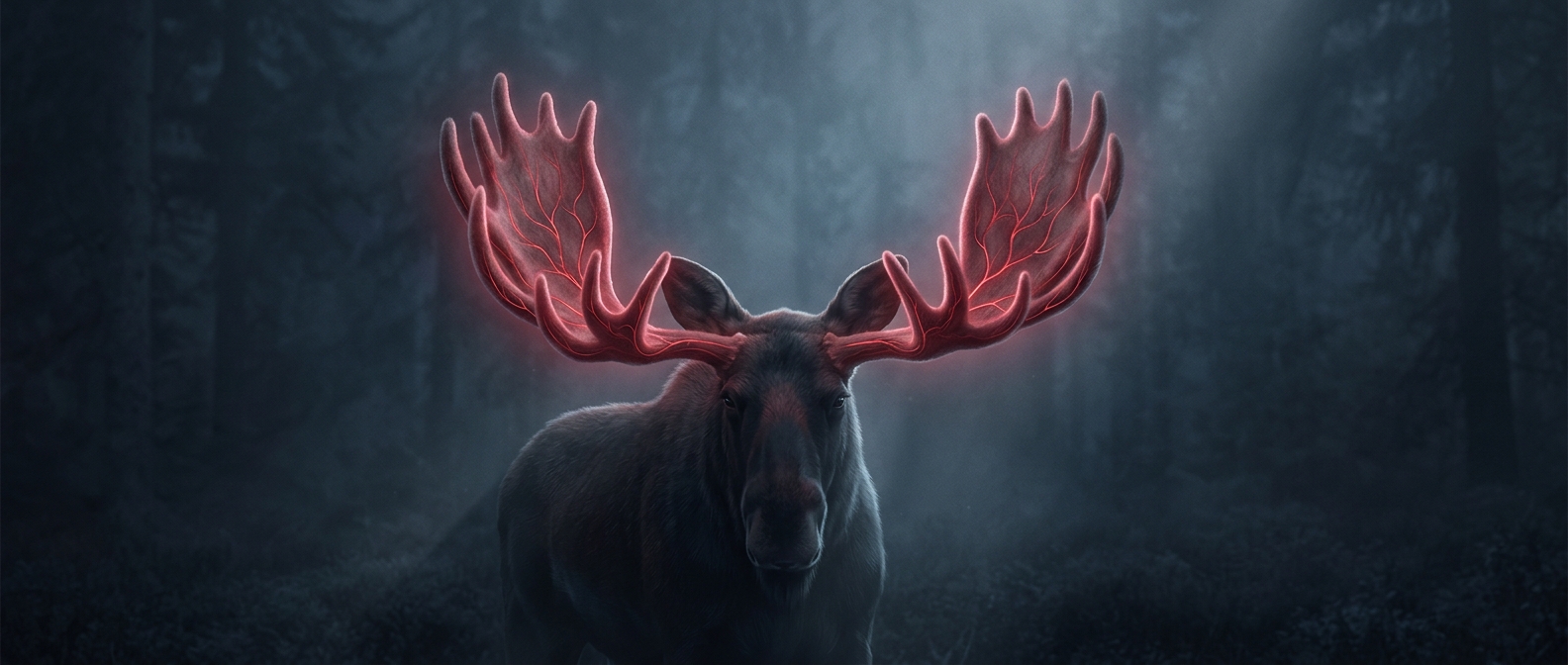
Moose antlers are entirely covered in highly vascular velvet
Growing moose antlers are fed by a living layer of skin called velvet, packed with blood vessels. When the bone finishes growing and hardens, the velvet dries…
Discover more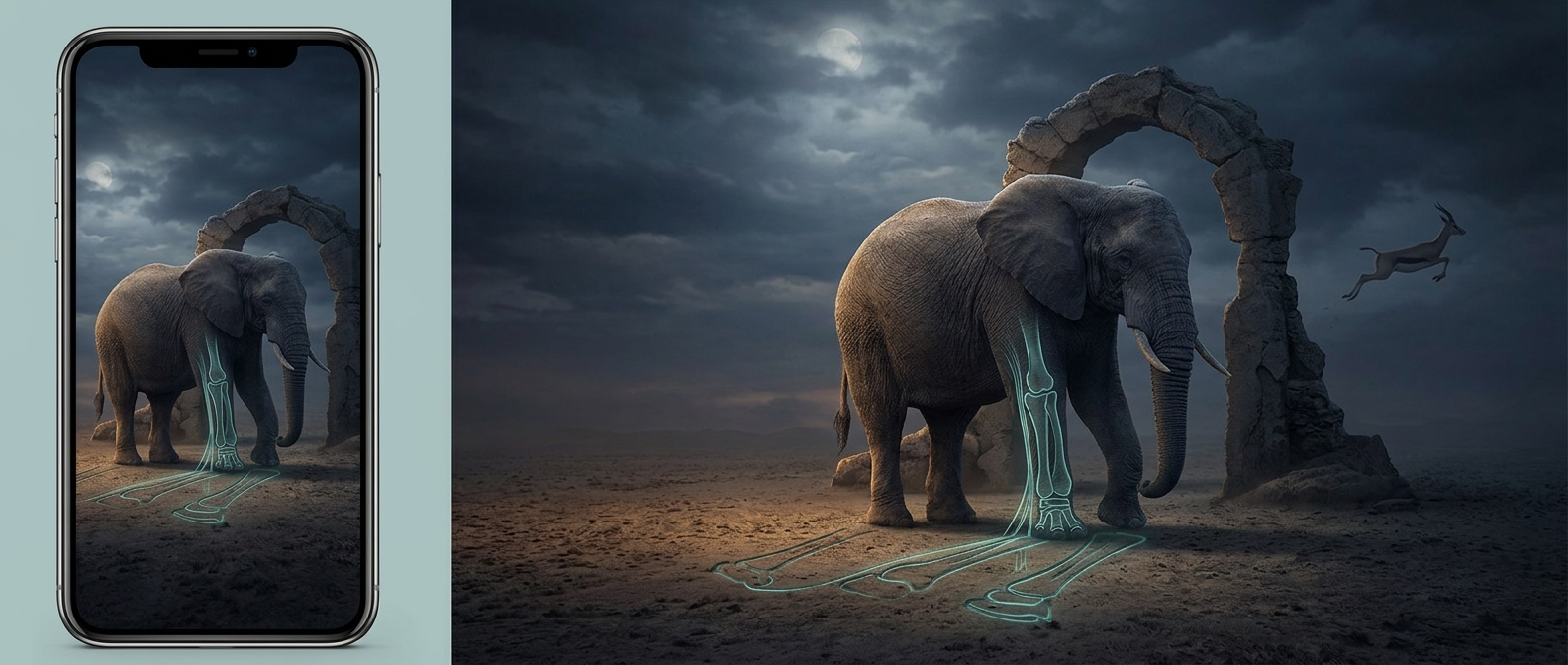
Why elephants can't jump
A jump needs a brief moment with every foot off the ground. An elephant’s legs are built to support a huge body, not to bend and spring back like a jumper’s,…
Discover more