Science
Discover facts about science. Small discoveries that change the way you see familiar things.
Science
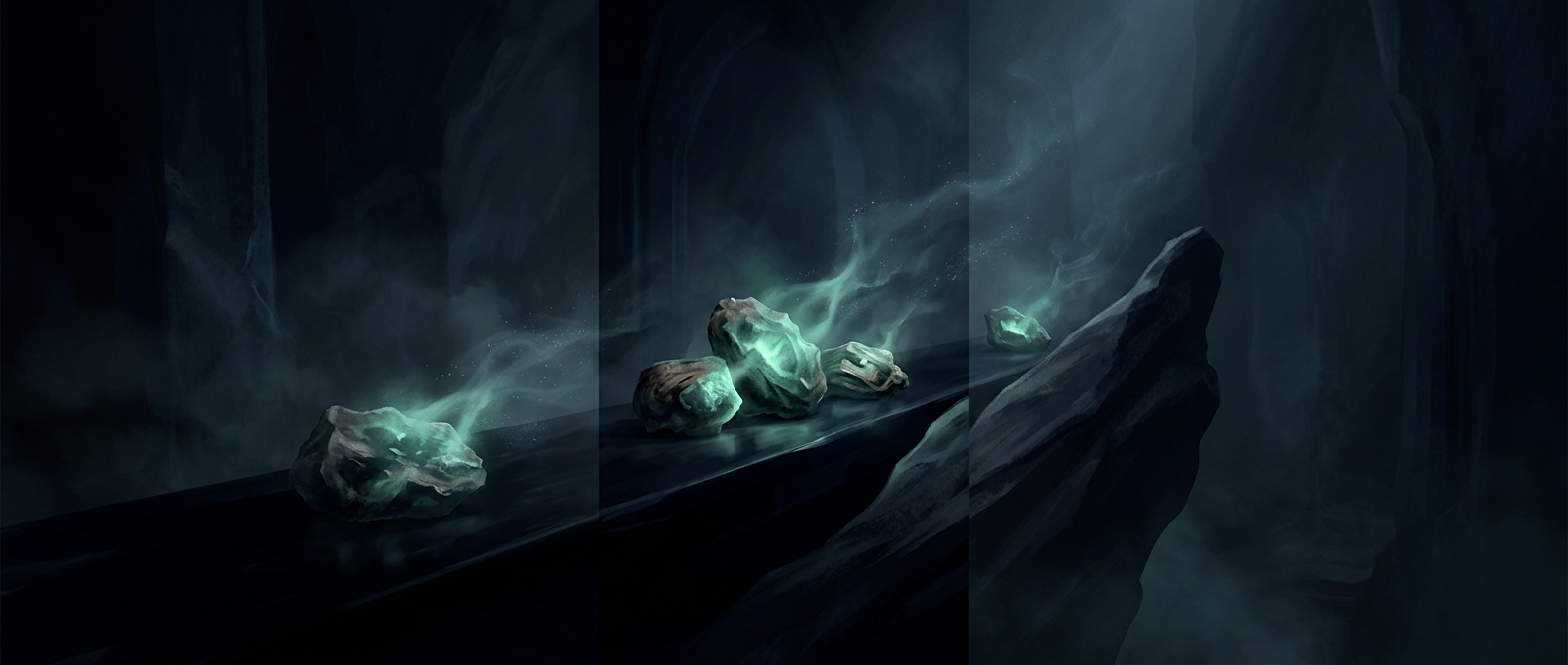
Phosphorescent objects stubbornly leak out trapped visible light
A glow-in-the-dark coating does not release all the energy from a lamp at once. Some electrons get caught in tiny imperfections in the material, then escape…
Discover more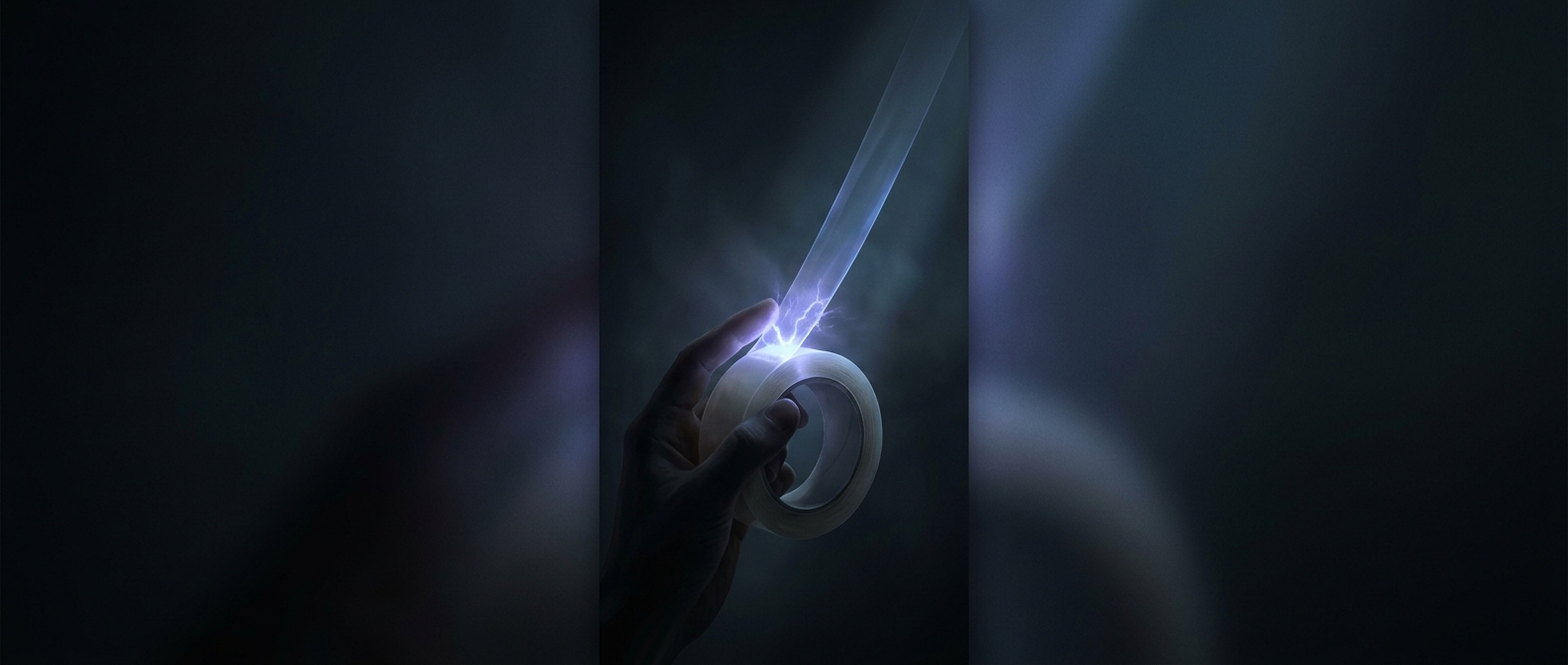
Peeling tape in the dark can make it flash blue
Peeling tape can pull apart electric charges, and when they snap back together, they jolt nearby nitrogen molecules in the air. Those molecules release the…
Discover more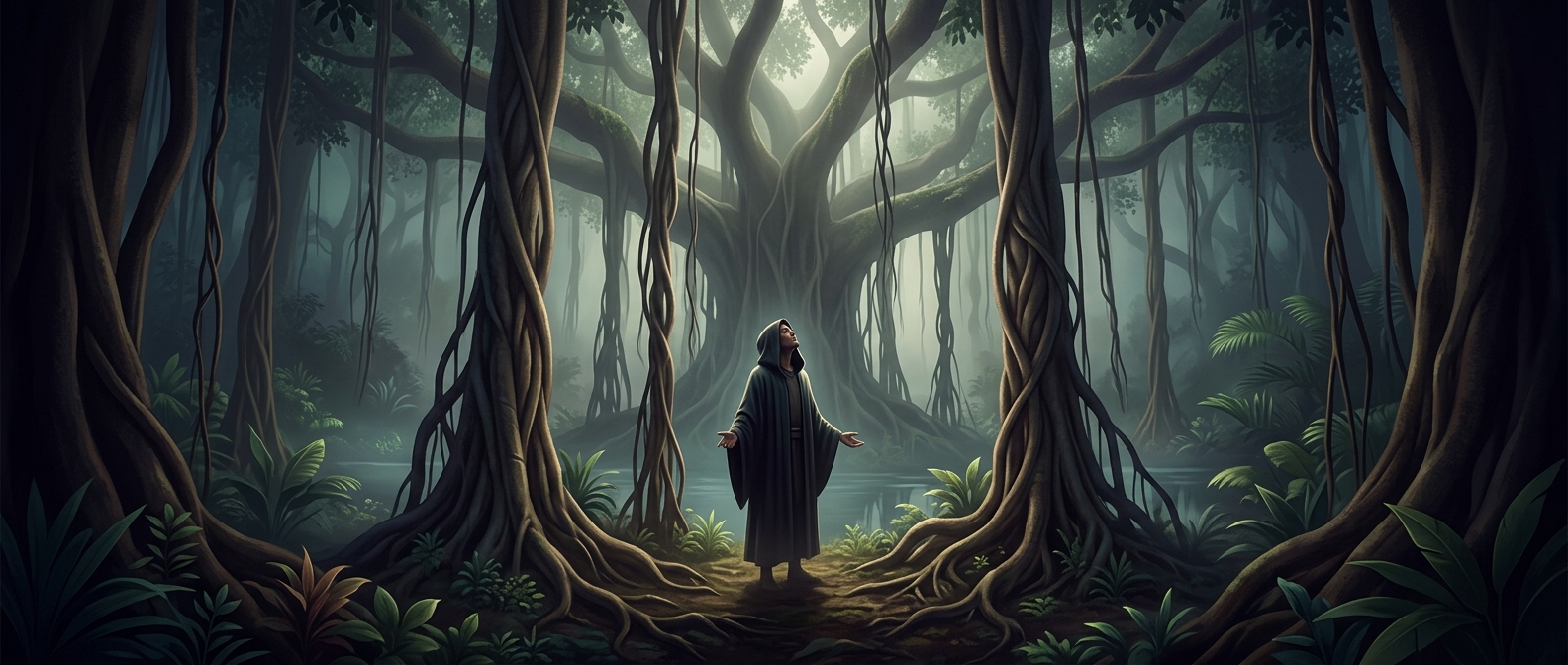
The tree that grows new trunks from its branches
A banyan’s branches don’t have to rely on the original trunk for support. They drop roots toward the ground, and once those roots take hold, they become…
Discover more
Pitch black darkness is simply a total lack of visible light
Pitch black means no visible light is reaching your eyes. Infrared radiation can still be in the room, but our eyes can’t detect it, so the darkness may be…
Discover more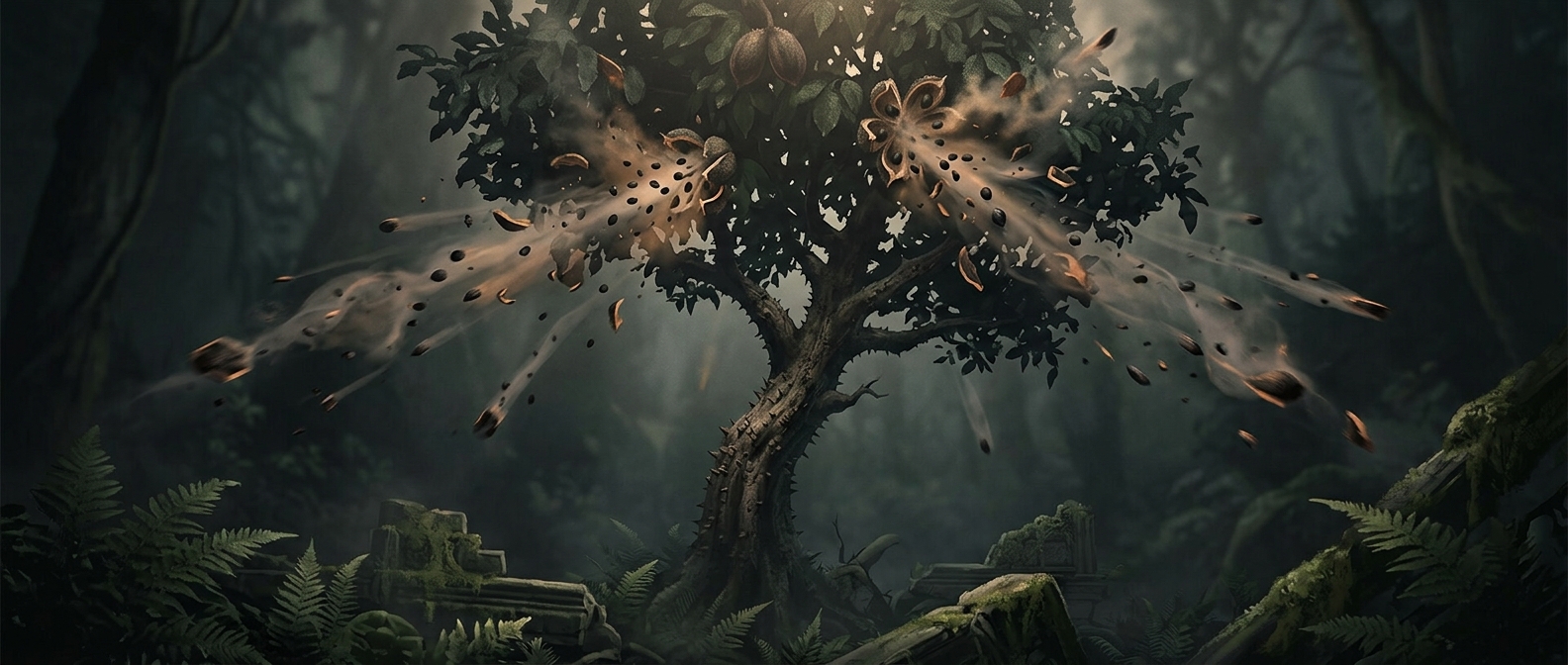
The tree that fires its seeds like bullets
The sandbox tree’s seed capsules build up tension as they dry. When a capsule splits, its sections snap apart and launch seeds away from the parent tree. The…
Discover more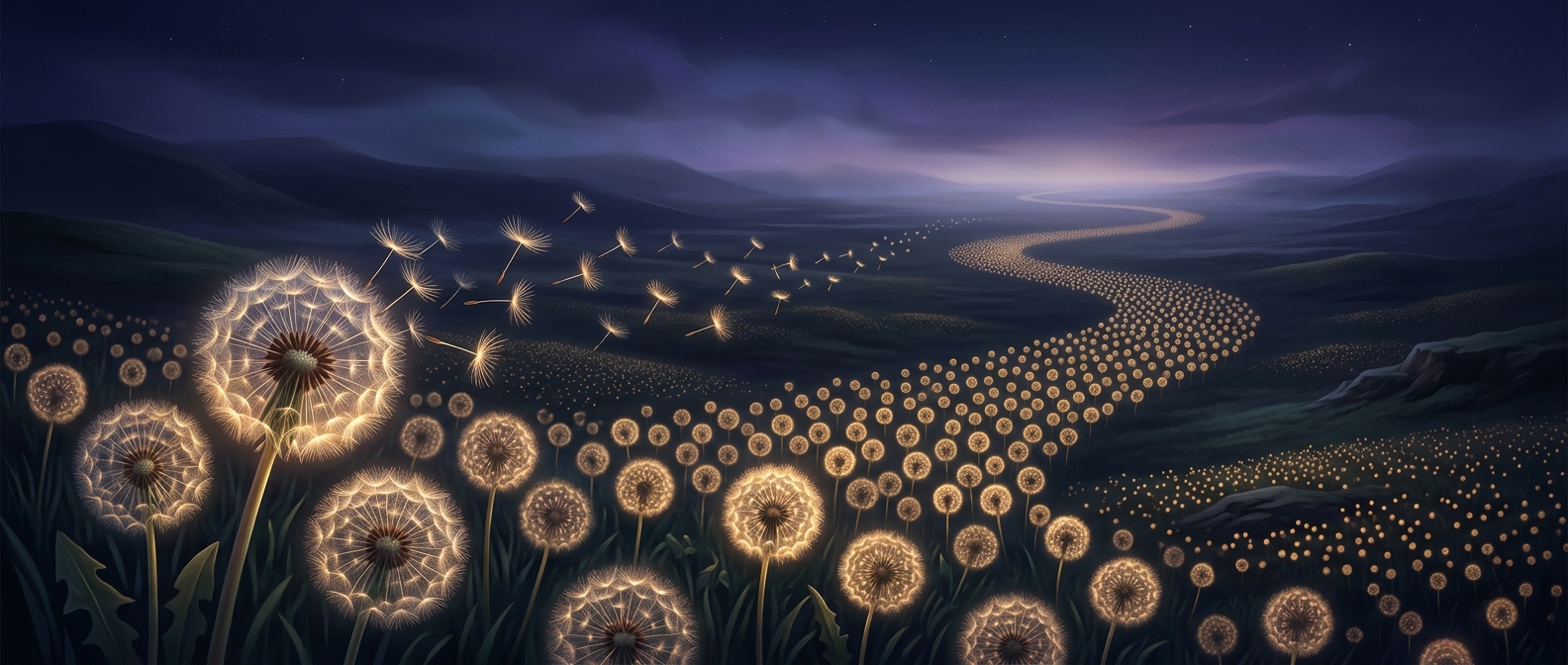
Dandelions can clone themselves to conquer your lawn
Many dandelions can make seeds without fertilizing an egg. The embryo grows without a second parent’s genes, so the seedling is nearly a genetic copy of its…
Discover more STACKY FOR IPHONE
A bigger world.
One discovery
at a time.
Keep discovering with Stacky. Interesting facts in an app that is always within reach.
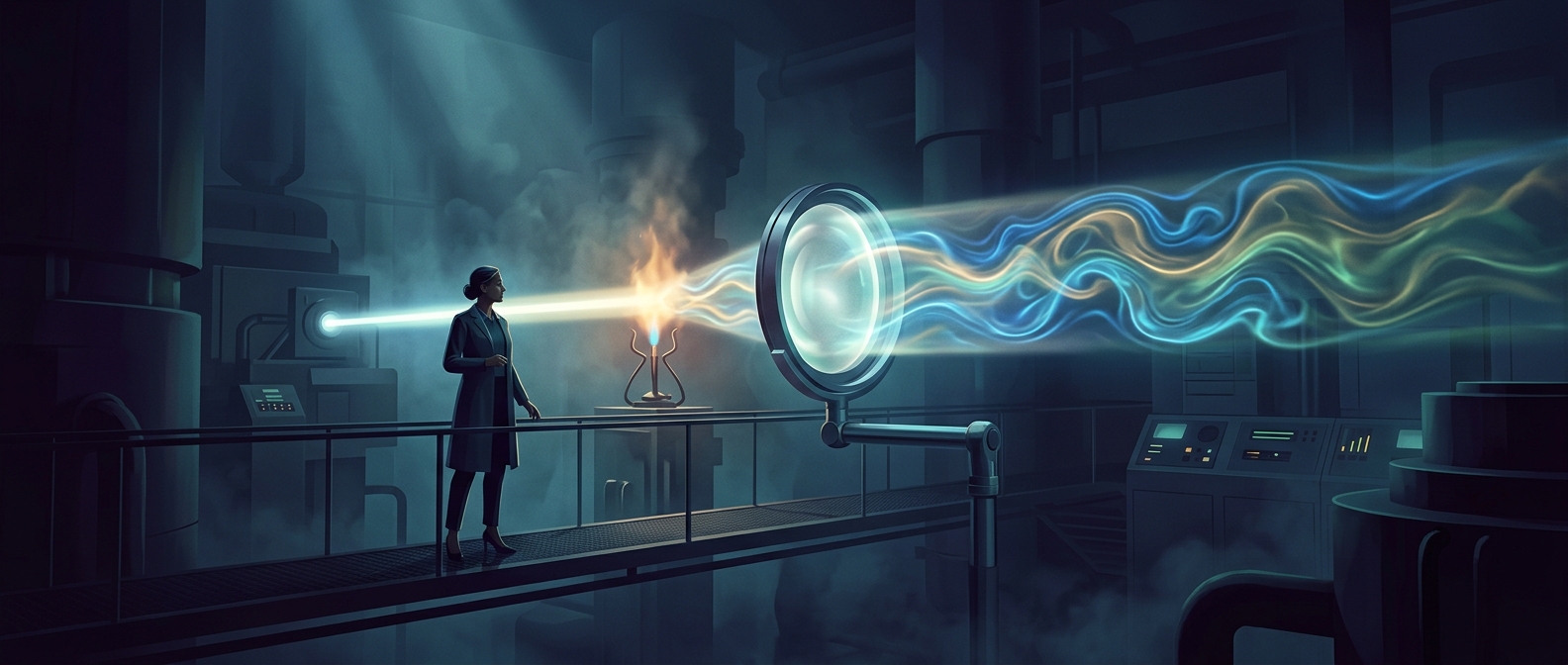
The camera trick that makes air currents visible
A candle warms the air above it, and that warm air bends light as it rises through cooler air. Schlieren imaging turns those tiny bends into visible patterns:…
Discover more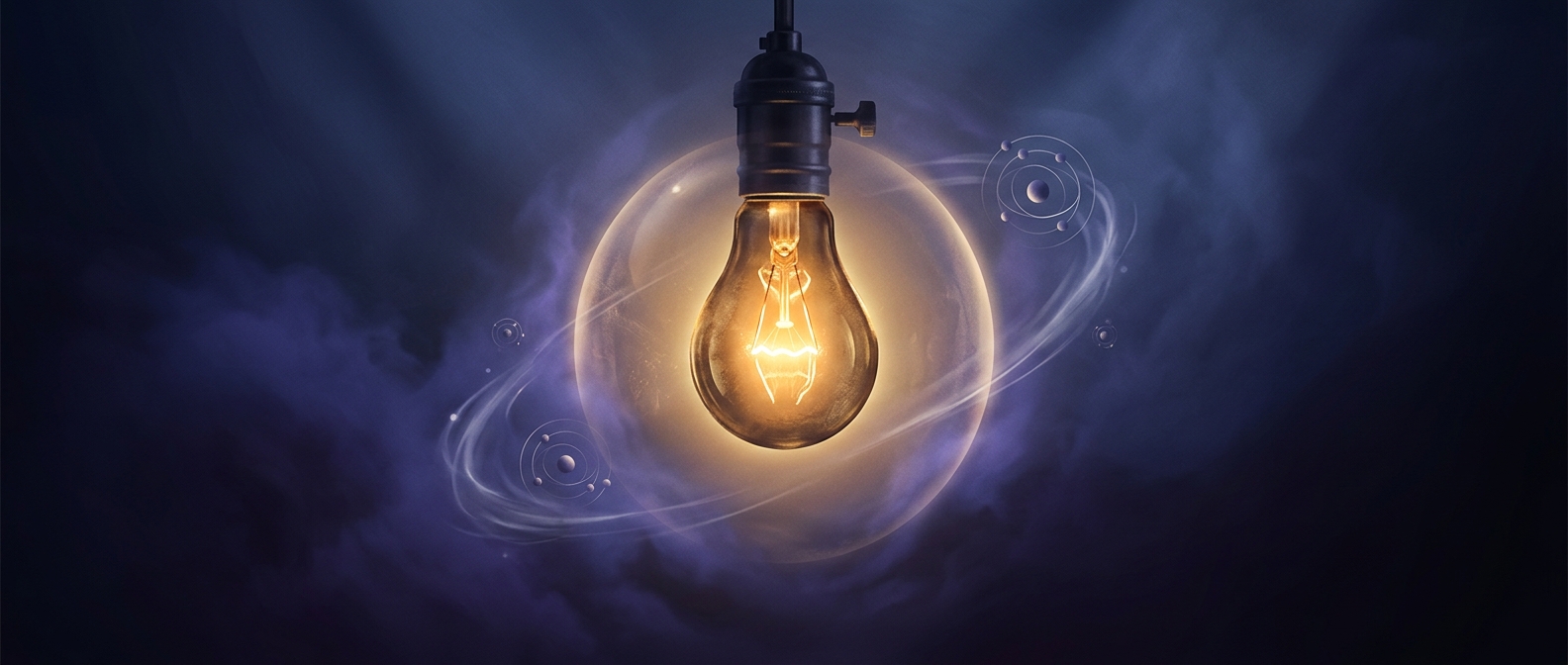
Argon gas stops active lightbulb filaments from burning up
A glowing tungsten filament is hot enough to react with oxygen and burn out quickly. The bulb’s argon does not readily react with it, and it also slows the…
Discover more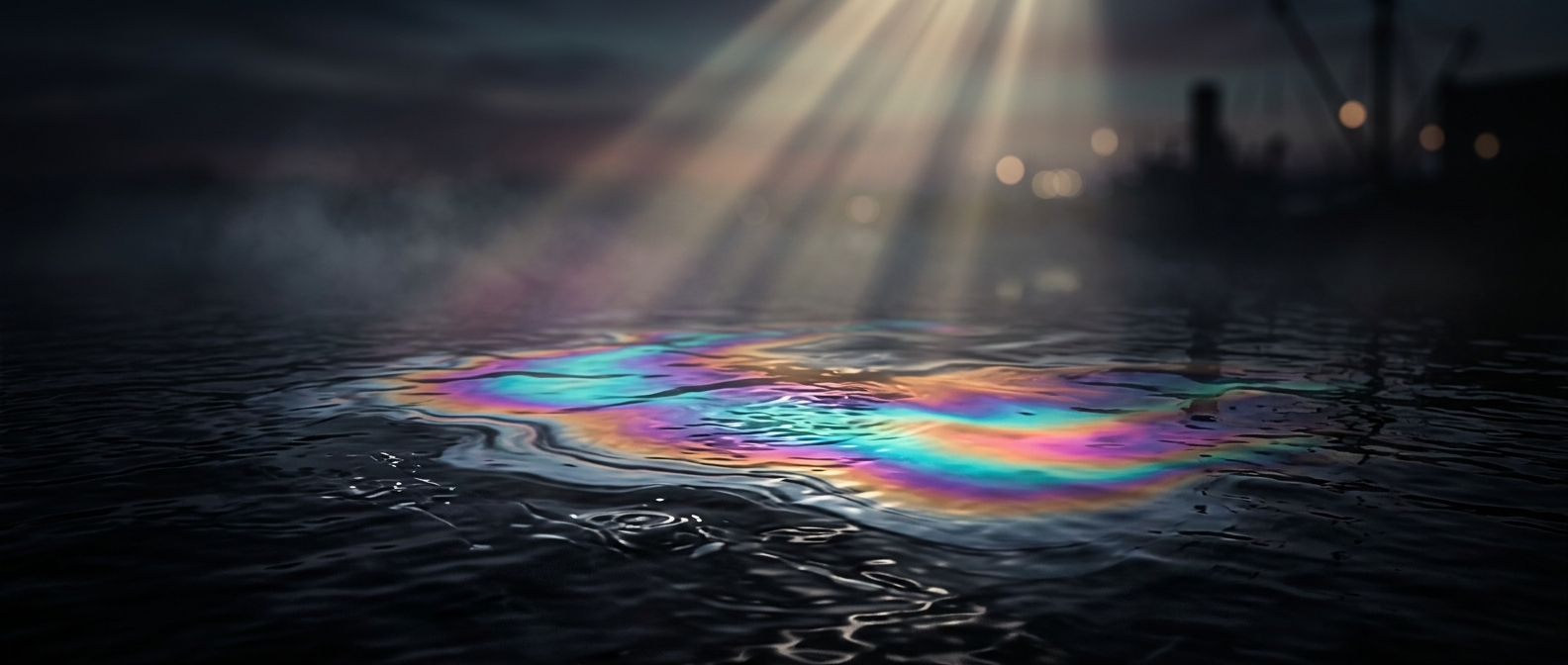
How an oil puddle makes a rainbow
Light bounces off both the oil’s top surface and the water underneath. The two reflections travel slightly different distances, then overlap: some colors get…
Discover more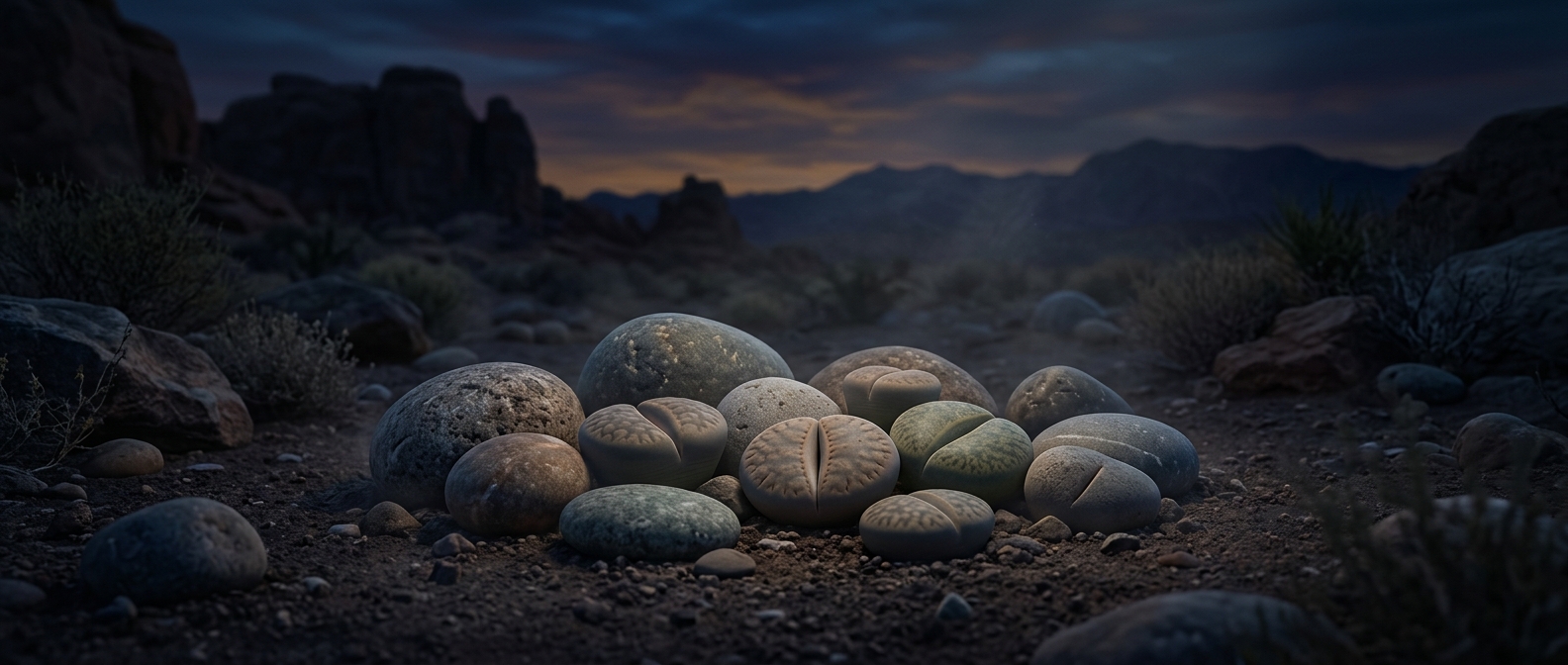
The plants that disguise themselves as pebbles
A lithops can stay mostly buried and still make use of sunlight. Light passes through translucent windows on the leaf tops to reach the plant’s photosynthetic…
Discover more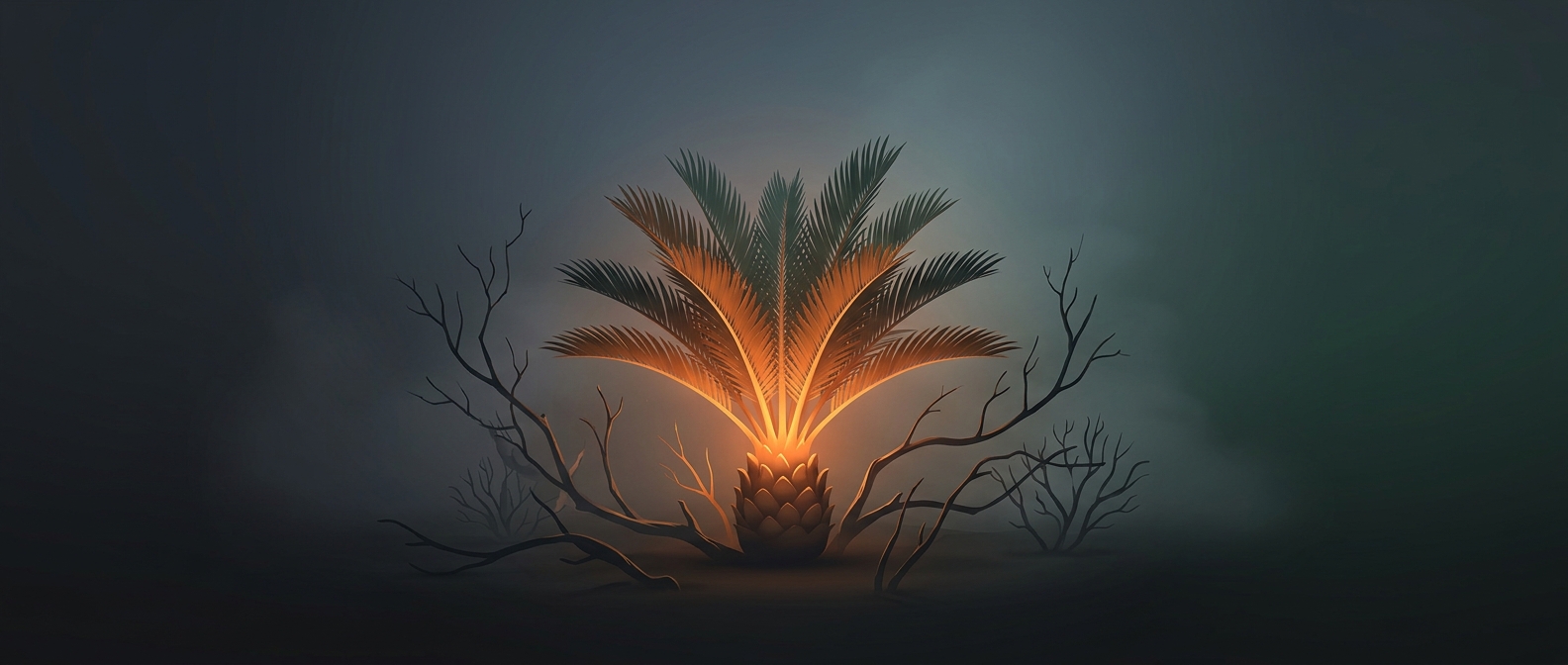
A sago palm's seeds can be especially dangerous to pets
This ornamental cycad contains toxins throughout the plant, with seeds particularly hazardous. In dogs, ingestion can cause severe illness, including liver…
Discover more
This invisible gas can float a foil boat
The foil boat floats because sulfur hexafluoride, though invisible, acts as the fluid beneath it. The boat shoves some gas out of the way, and that displaced…
Discover more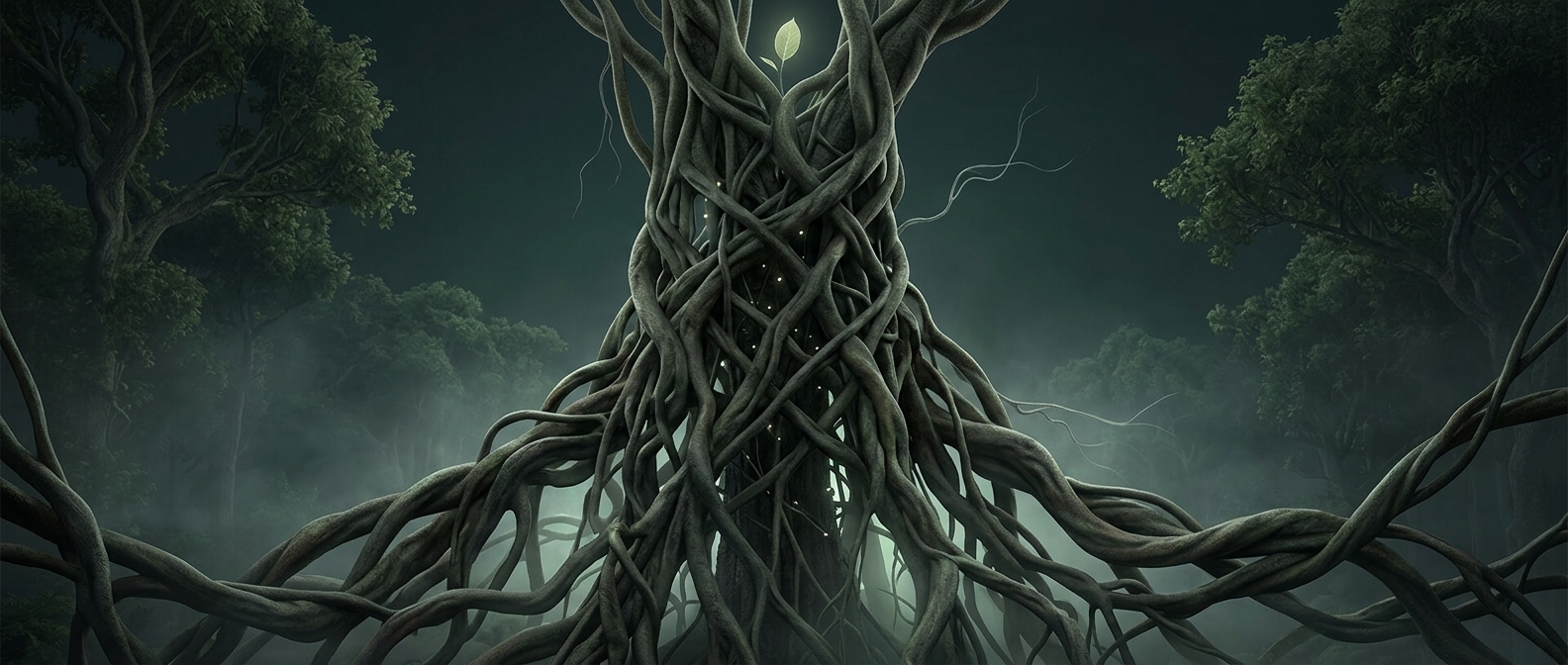
The tree strangler that leaves a hollow cage behind
A strangler fig can begin as a seed dropped by a bird onto a branch high in another tree. It sends roots down to the ground, then thickens them into a mesh…
Discover more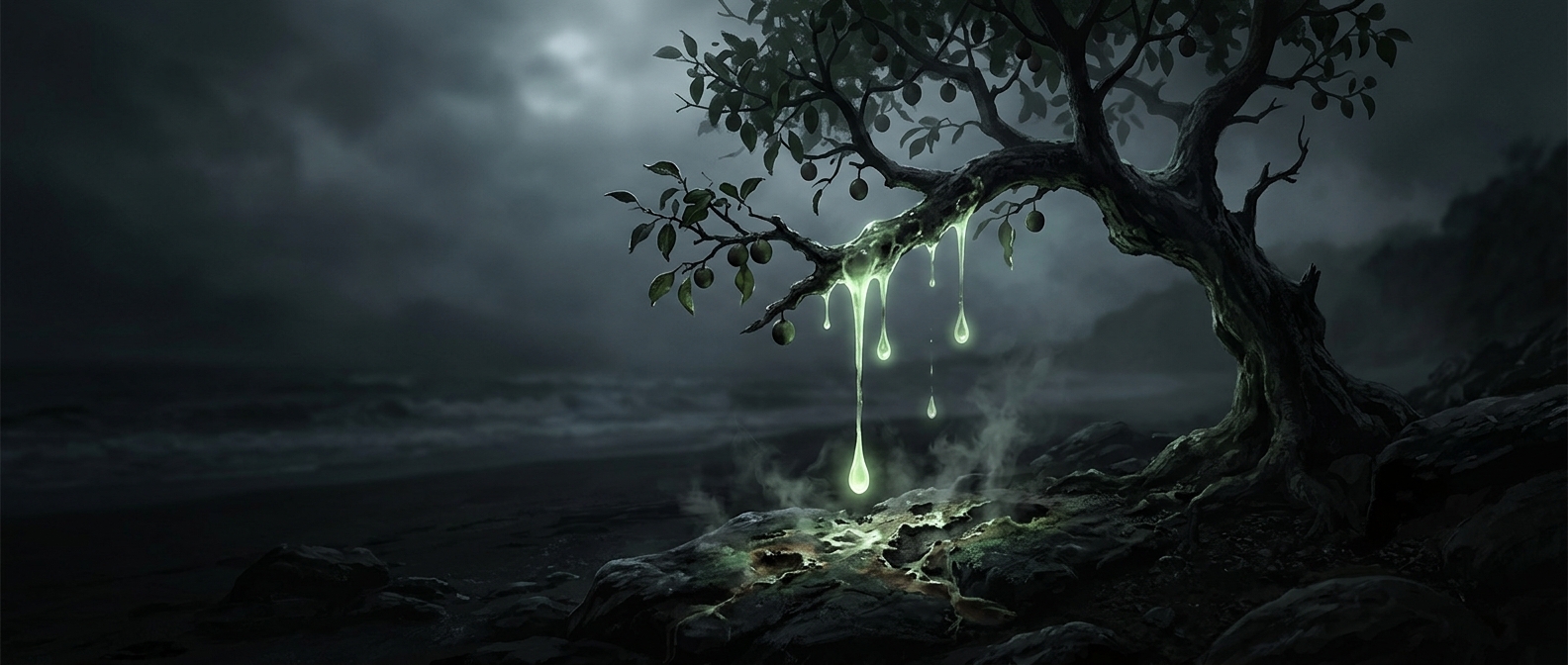
With the manchineel tree, rain can blister your skin
Rain can rinse irritating sap off a manchineel tree’s leaves and branches and carry it onto exposed skin. The raindrop isn’t the culprit; it’s delivering the…
Discover more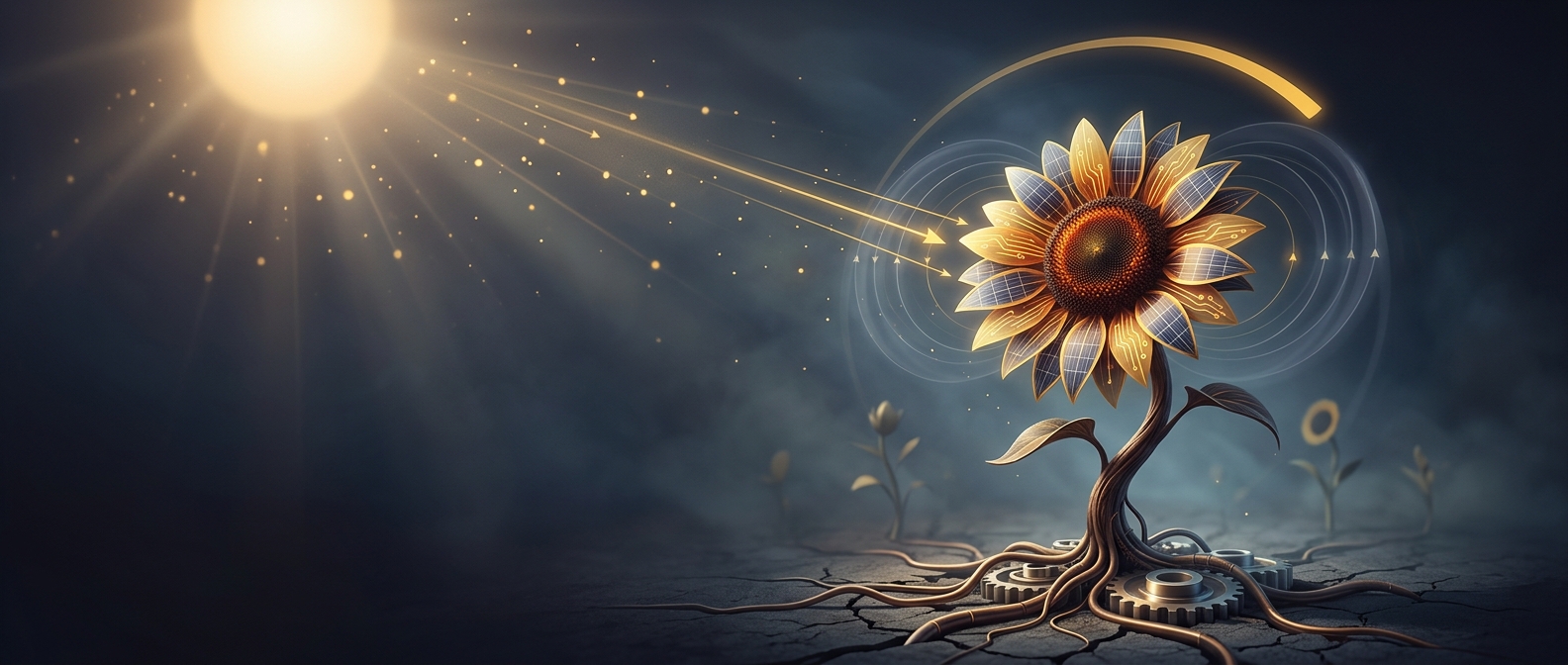
Sunflowers actively track solar radiation across the sky
A young sunflower turns because its stem grows faster on one side than the other, bending the flower as the Sun moves. When the plant matures, that…
Discover more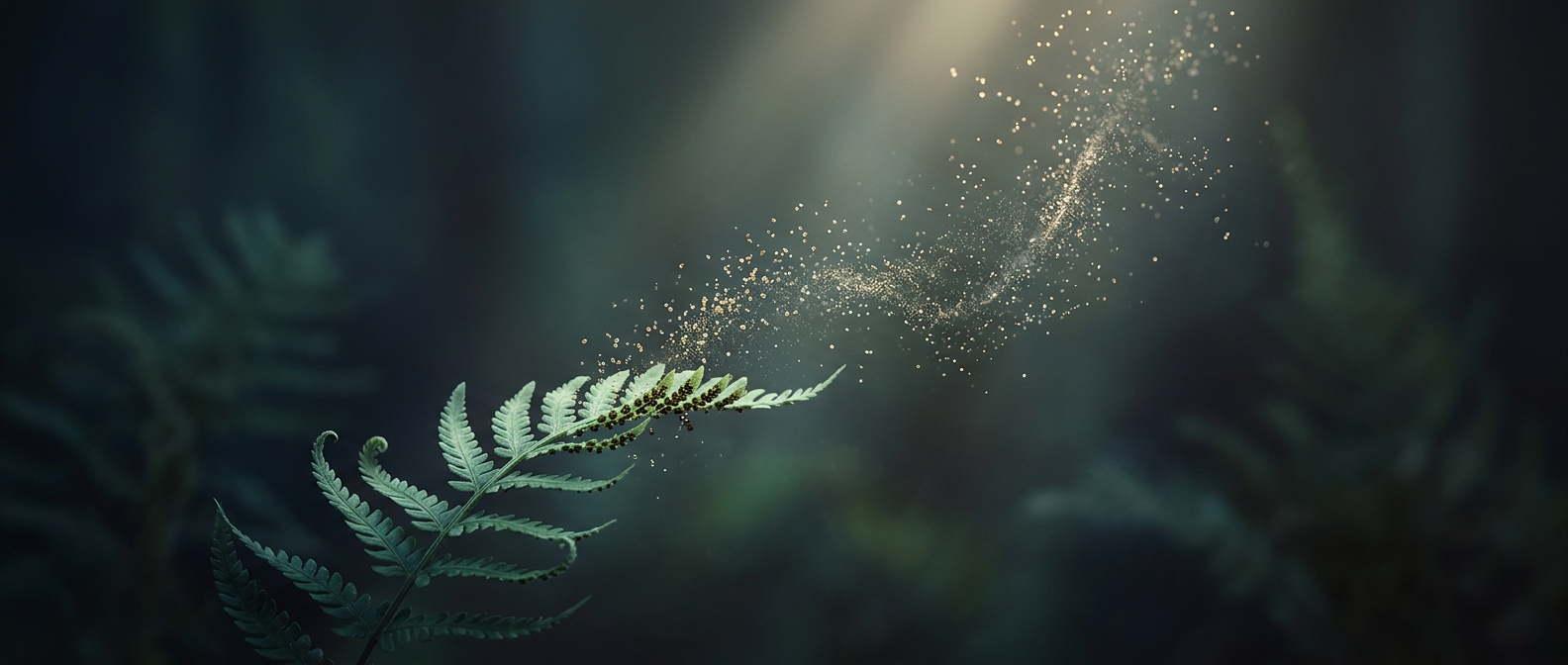
Ferns reproduce by launching extremely tiny dormant spores
Fern spores do not grow straight into another leafy fern. They first form a small gametophyte, which produces eggs and sperm; in many species, sperm swim…
Discover more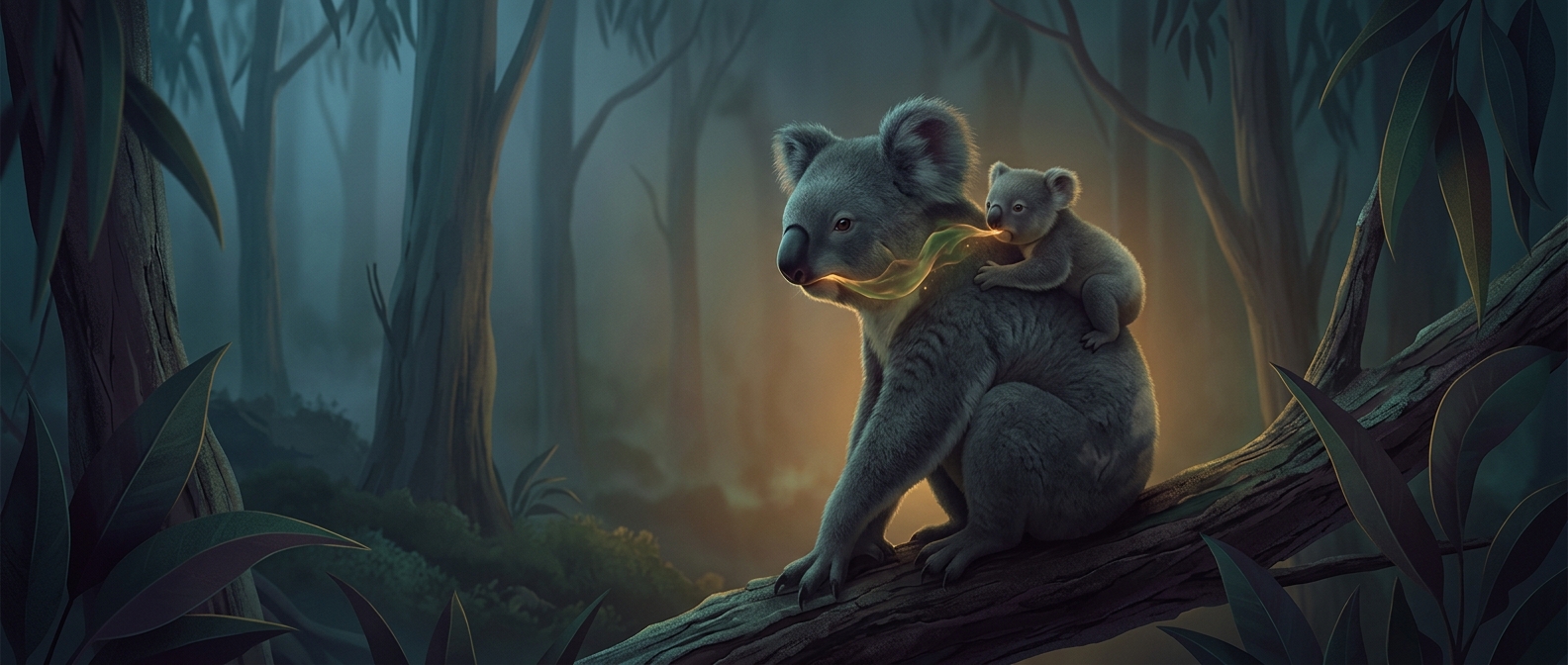
Why baby koalas eat their mother's feces
Eucalyptus leaves are tough food for a young koala: the joey needs gut microbes that help break down their fiber and handle the leaves’ defenses. It gets…
Discover more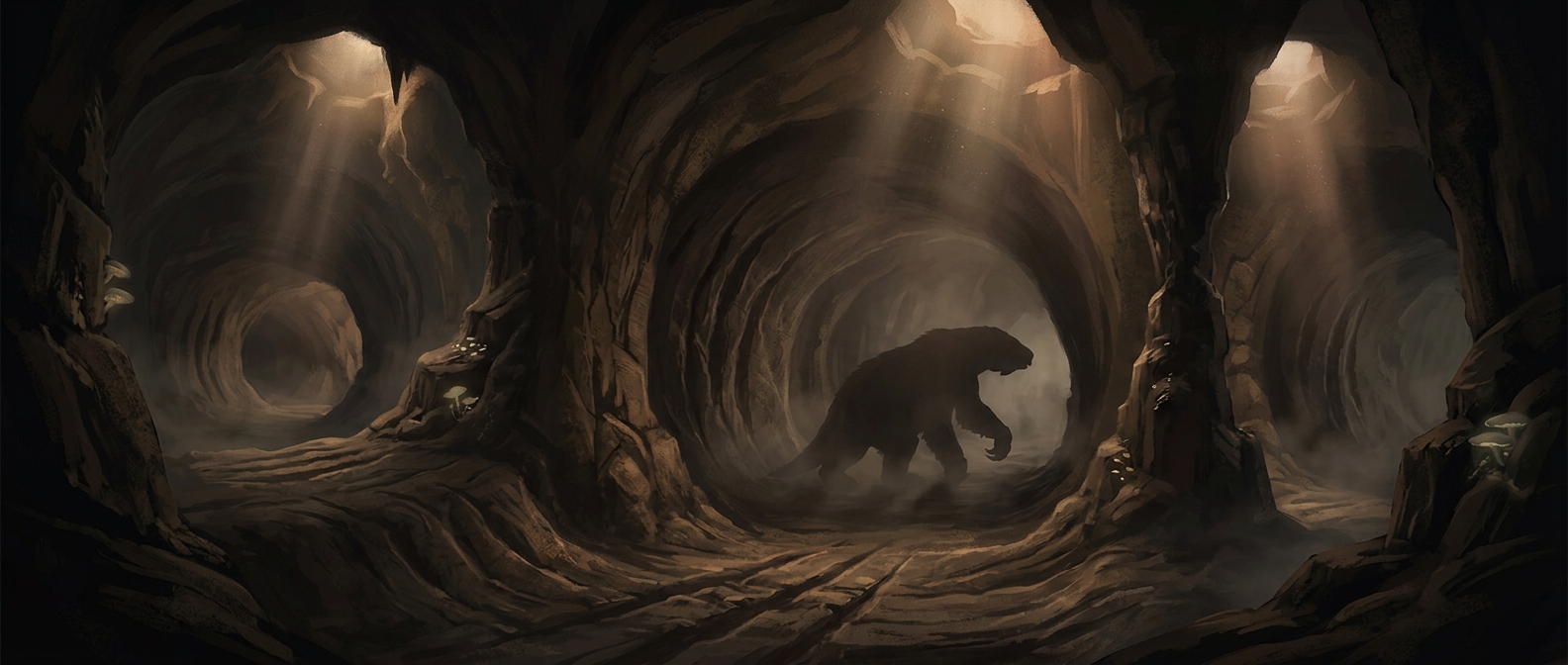
Giant sloths dug cave systems beneath South America
Some fossil burrows in South America are tunnels big enough to walk into, with deep grooves scratched into their walls. Those marks point to powerful claws,…
Discover more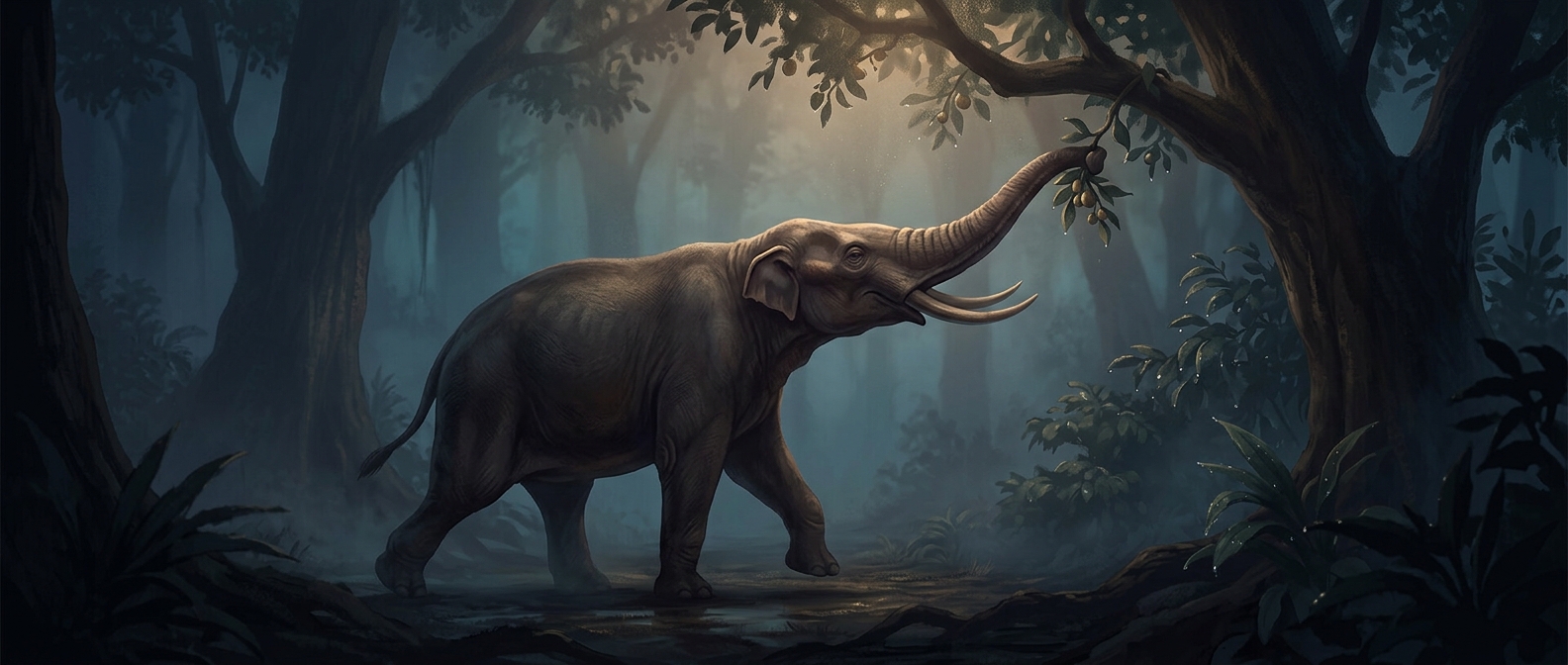
Elephant ancestors evolved bizarre elongated snouts before developing useful trunks
Palaeomastodon fossils show an elongated snout that may hint at an early step toward the elephant trunk. But fossils preserve bone, not the soft tissue that…
Discover more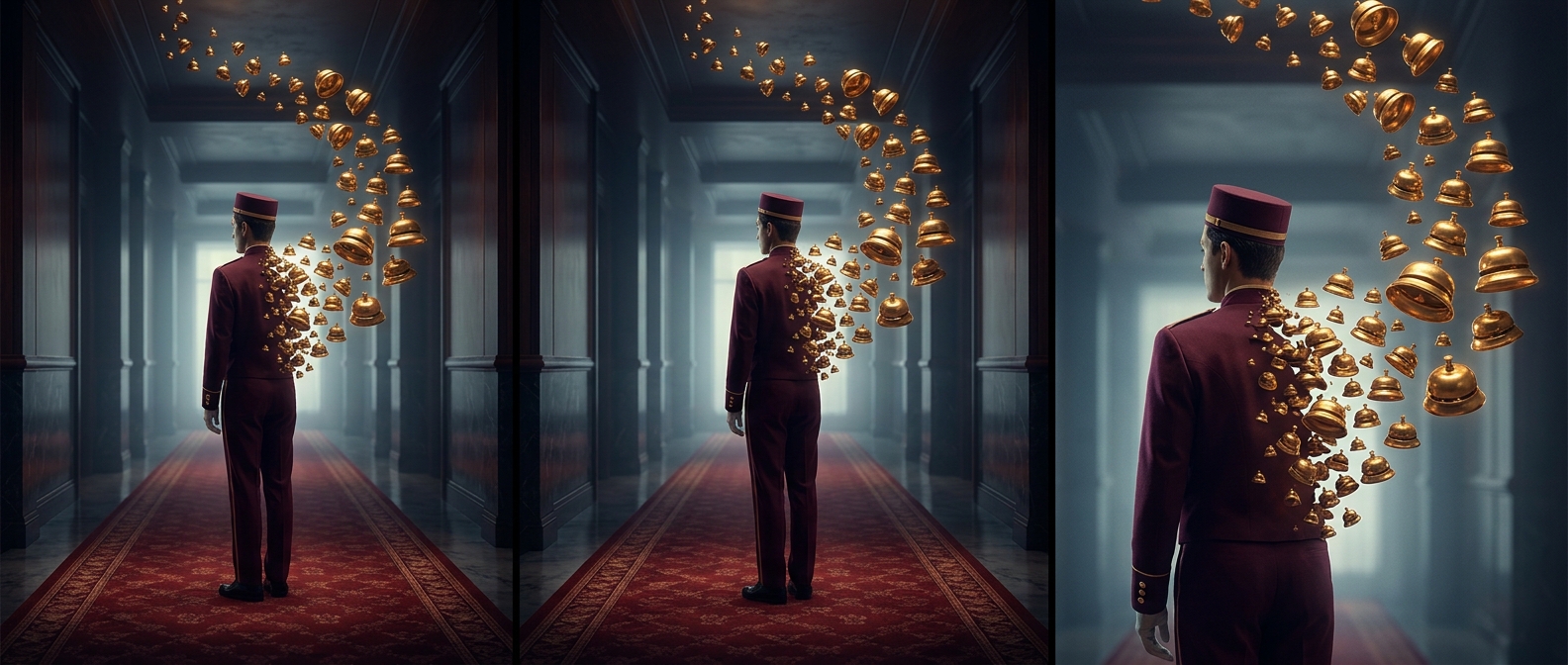
Why hotel staff are called bellhops
The “bell” in bellhop was once literal: hotel guests rang brass bells, and staff were expected to hop to it. The bells faded from everyday hotel life, but the…
Discover more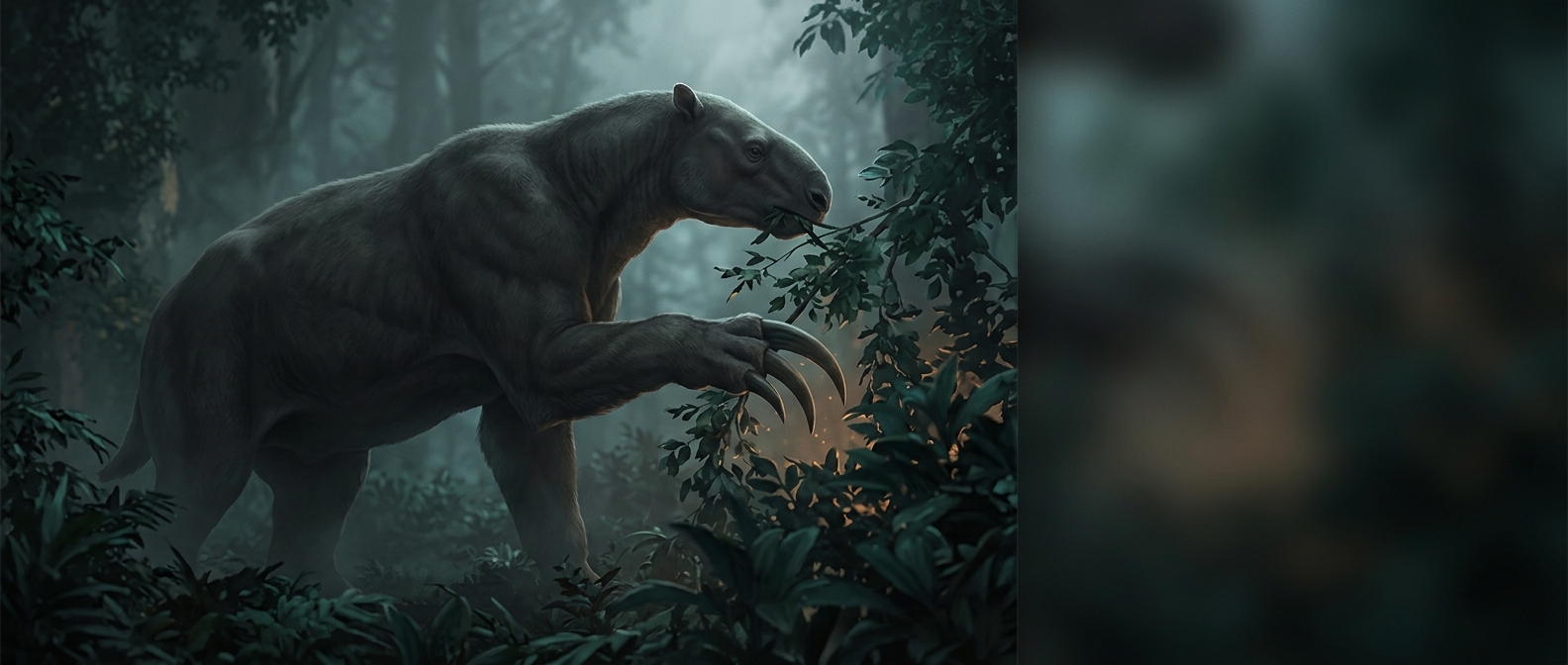
Chalicotheres were plant-eaters with enormous claws
These relatives of horses and rhinos had claws where you might expect hooves. Their unusual forelimbs are interpreted as tools for pulling vegetation within…
Discover more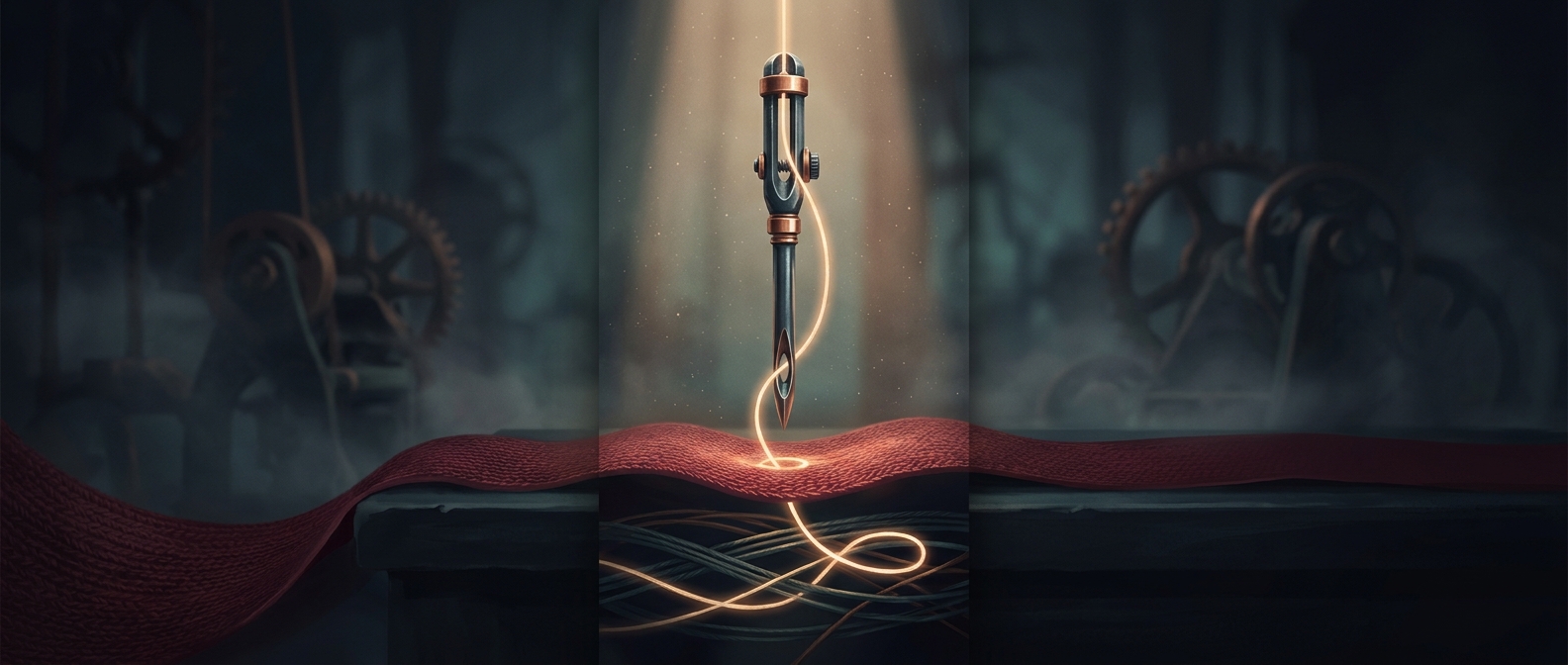
Why sewing-machine needles have the eye at the tip
The needle carries thread through the fabric, leaving a loop underneath for the machine’s hook to catch. Putting the eye near the point means the thread…
Discover more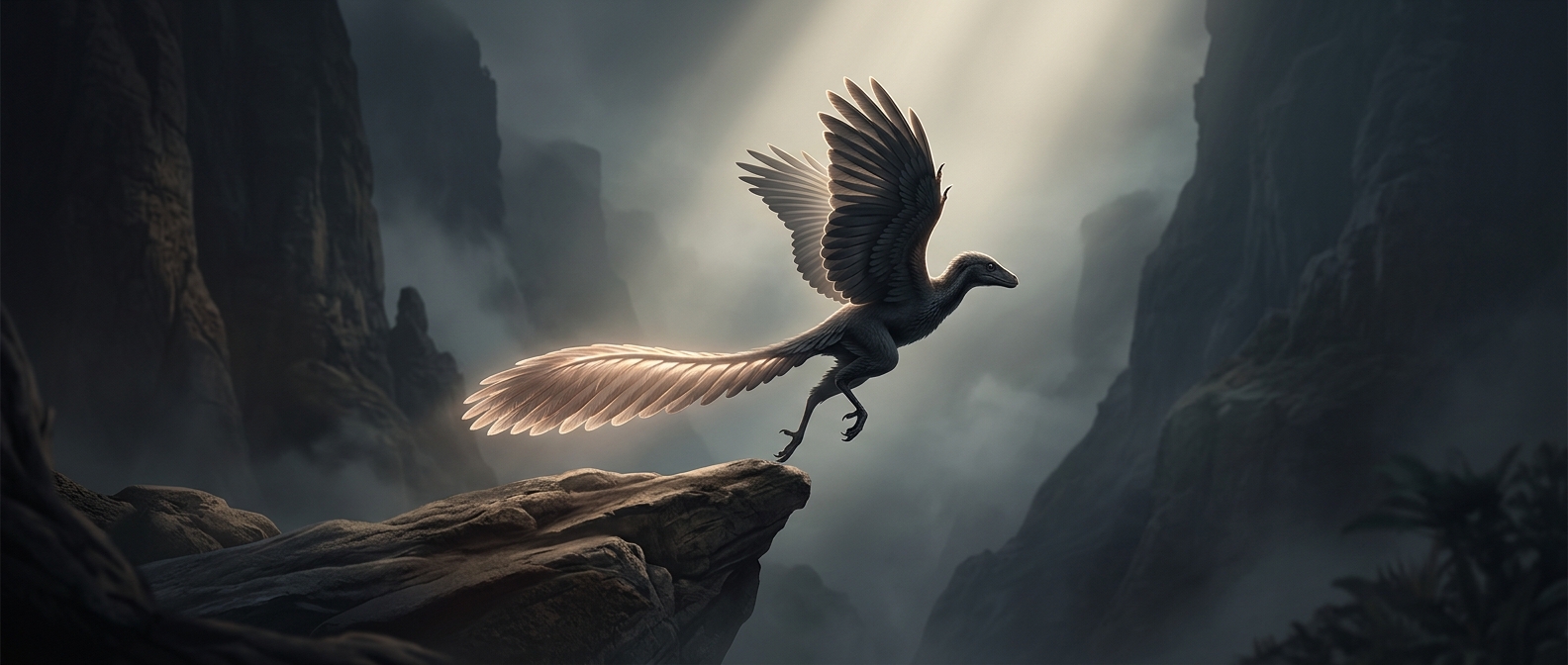
Archaeopteryx had fully developed flight feathers and a tail
Archaeopteryx had wings with flight feathers, but feathers alone cannot tell us how strong its flight was. Its fossils preserve a long bony tail and other…
Discover more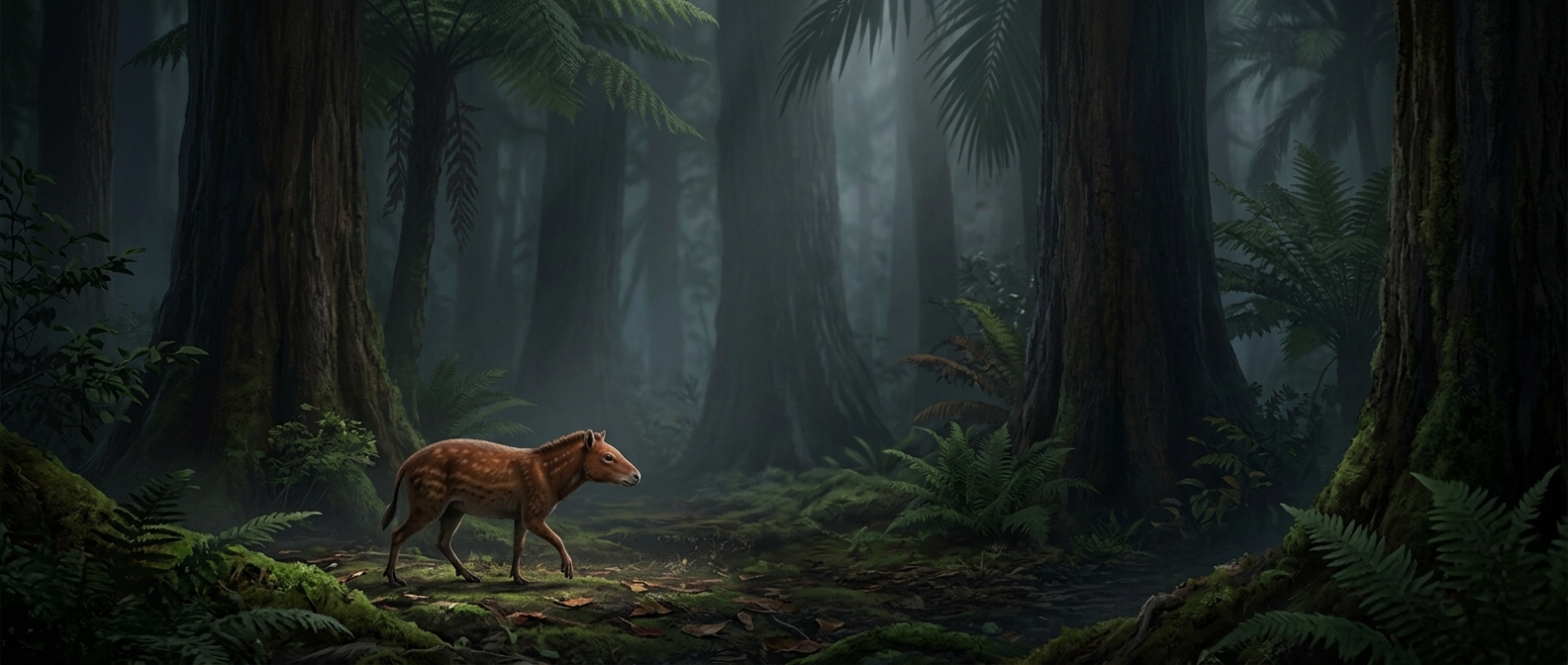
The horse ancestor that was no bigger than a fox
Picture a fox-sized animal with stubby legs and toes, slipping through the woods to nibble leaves. Its descendants faced changing habitats and food, and over…
Discover more