Why the Castor Bean Plant Is Dangerous Beyond Its Seeds
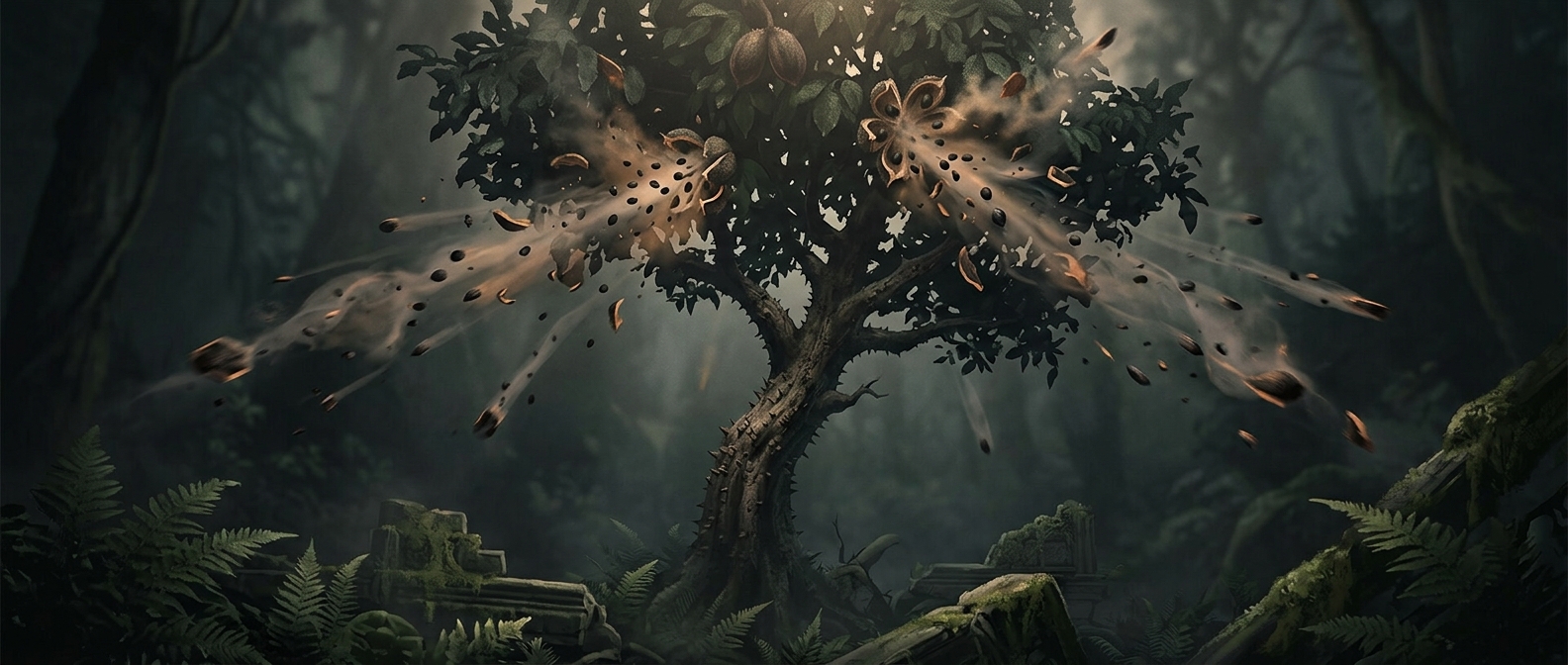
The castor bean plant’s striking, mottled seeds are the most notorious hazard, but they are not the only reason to avoid eating or handling its parts casually. The plant contains poisonous compounds in more than one place, and the amount and type of toxin can vary by part. A colorful seed is not a safe snack, and leaves are not a safe substitute.
What the Toxin Does
Castor seeds contain ricin, a potent poison that disrupts cells’ ability to make proteins. Without those proteins, cells cannot carry out essential tasks and may die. The plant’s leaves can also be harmful if eaten, though they do not pose the same risk in every circumstance as a seed that has been chewed or crushed.
A seed’s tough outer coat can limit how much poison is released if it is swallowed intact. Chewing breaks that barrier, increasing the danger. That is why a seed’s appearance—or the fact that it remains whole—cannot reliably establish safety.
Don’t Use Appearance as a Safety Test
The practical lesson is to keep all parts away from children and pets, and not to taste seeds, leaves, or other plant material. If someone may have swallowed any part, contact poison control or emergency services promptly rather than waiting for symptoms. The plant’s vivid seeds may be the part people notice first, but the risk is not confined to what looks most alarming.