How a Dandelion Makes Seeds Without a Mate
In many dandelions, a seed can form even though no sperm cell fertilizes the egg. The embryo—the part that will grow into a new plant—develops from the mother’s egg cell alone. This process is called apomixis, a form of seed production that skips the usual mixing of genes from two parents.
That changes what each drifting seed carries. In ordinary sexual reproduction, a seed inherits a shuffled combination of genes from both parents. An apomictic dandelion’s seedling instead inherits nearly the same genetic blueprint as its mother. The new plant is therefore a near-clone, though small genetic changes can still arise over generations.
Why Cloning Helps a Lawn Invader
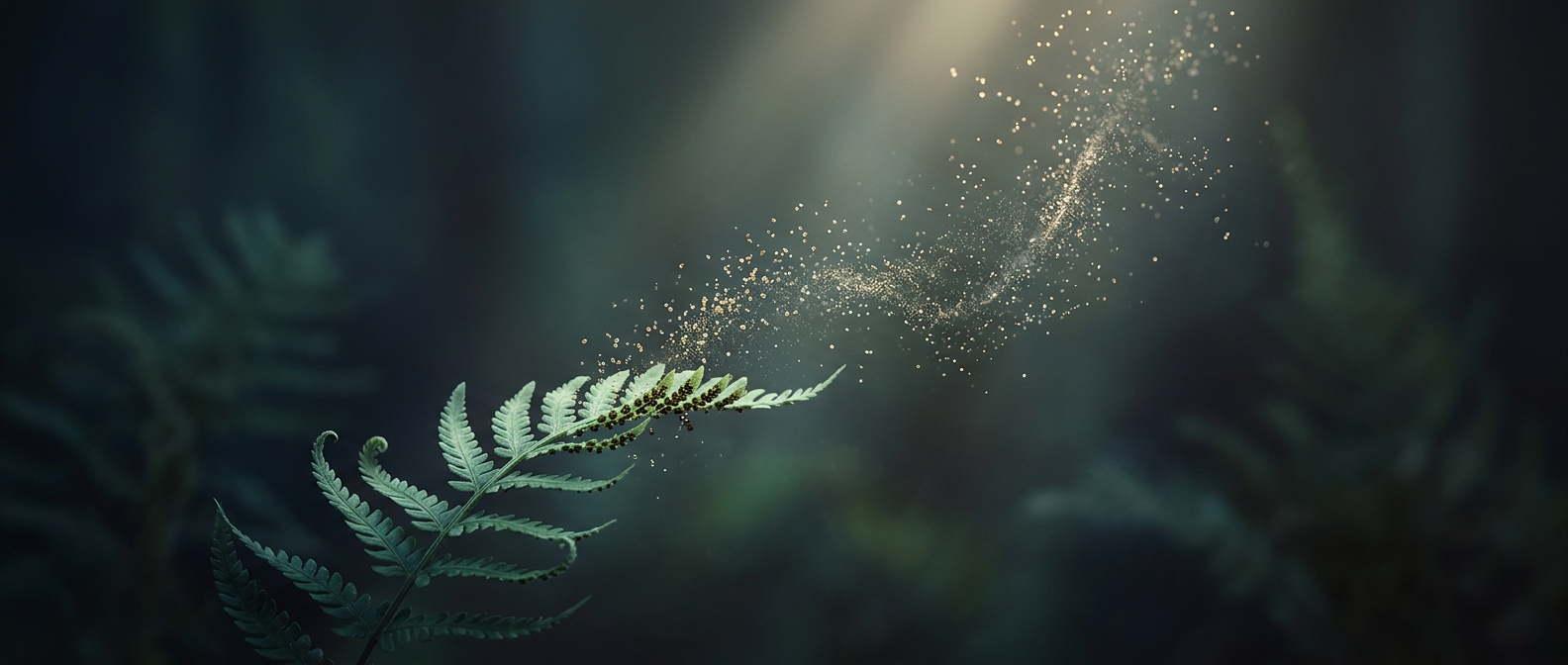
A plant that can reproduce this way does not have to wait for a compatible mate nearby. Once established, it can produce seeds that carry its successful traits into cracks, bare patches, and neighboring lawns. The familiar parachute of fine hairs helps those seeds travel on the wind, separating the production of offspring from the plant’s immediate surroundings.
This is not a trait of every dandelion, and a clone is not guaranteed to thrive wherever it lands: soil, light, and weather still matter. But when a seedling does take hold, it can become another seed-producing plant without first finding a partner. One dandelion can thus launch a spread of near-copies, each capable of continuing the same cycle.