How a burrow became a tunnel
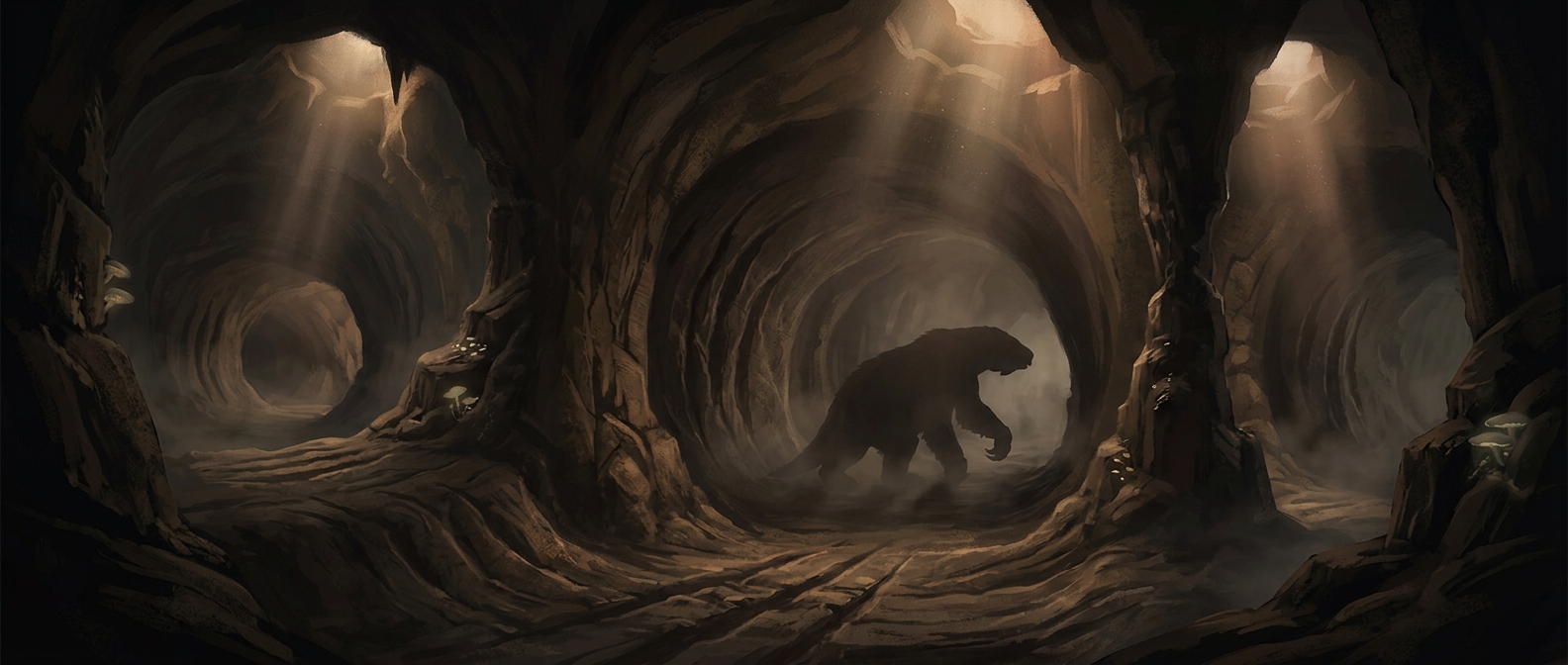
Some South American fossil burrows are so large that a person can enter them. They are paleoburrows: underground passages excavated by animals and preserved long after their builders disappeared. Unlike caves formed gradually by water dissolving rock, these tunnels were dug through soil or softer ground.
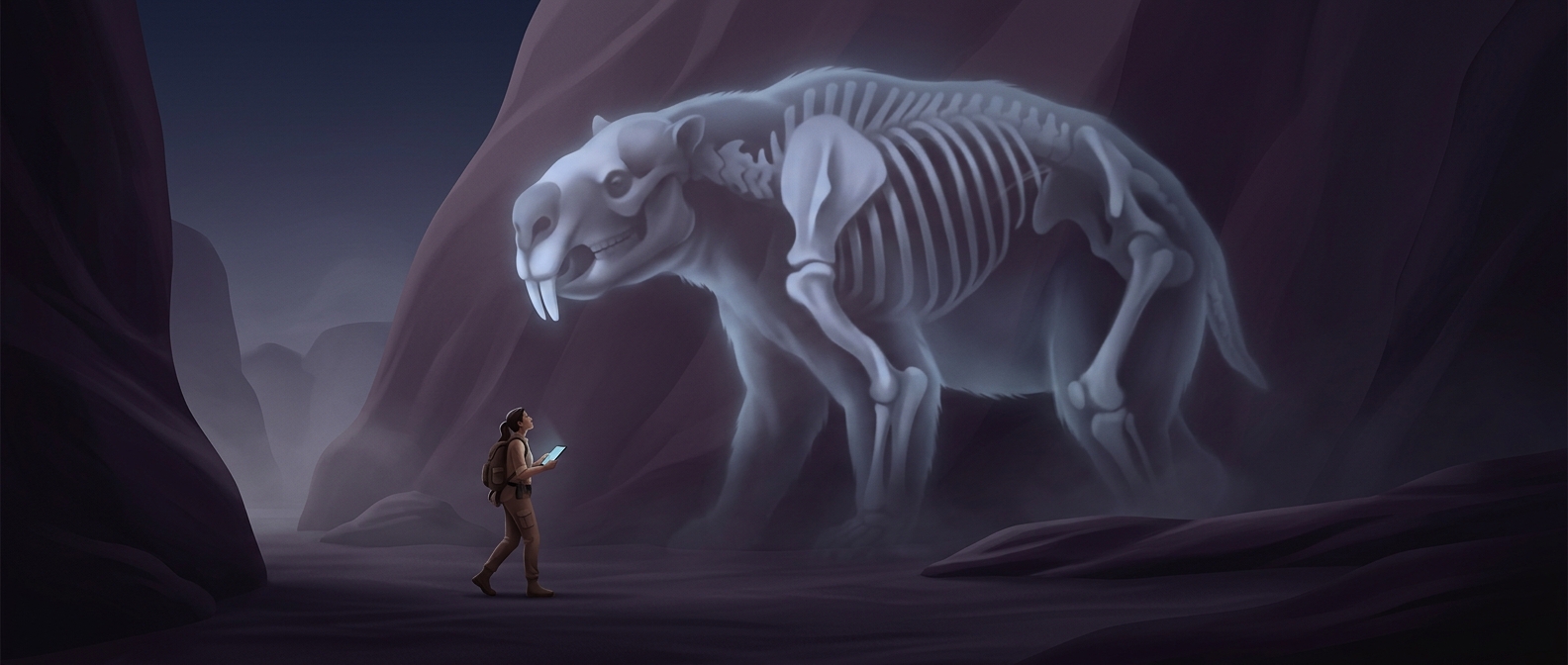
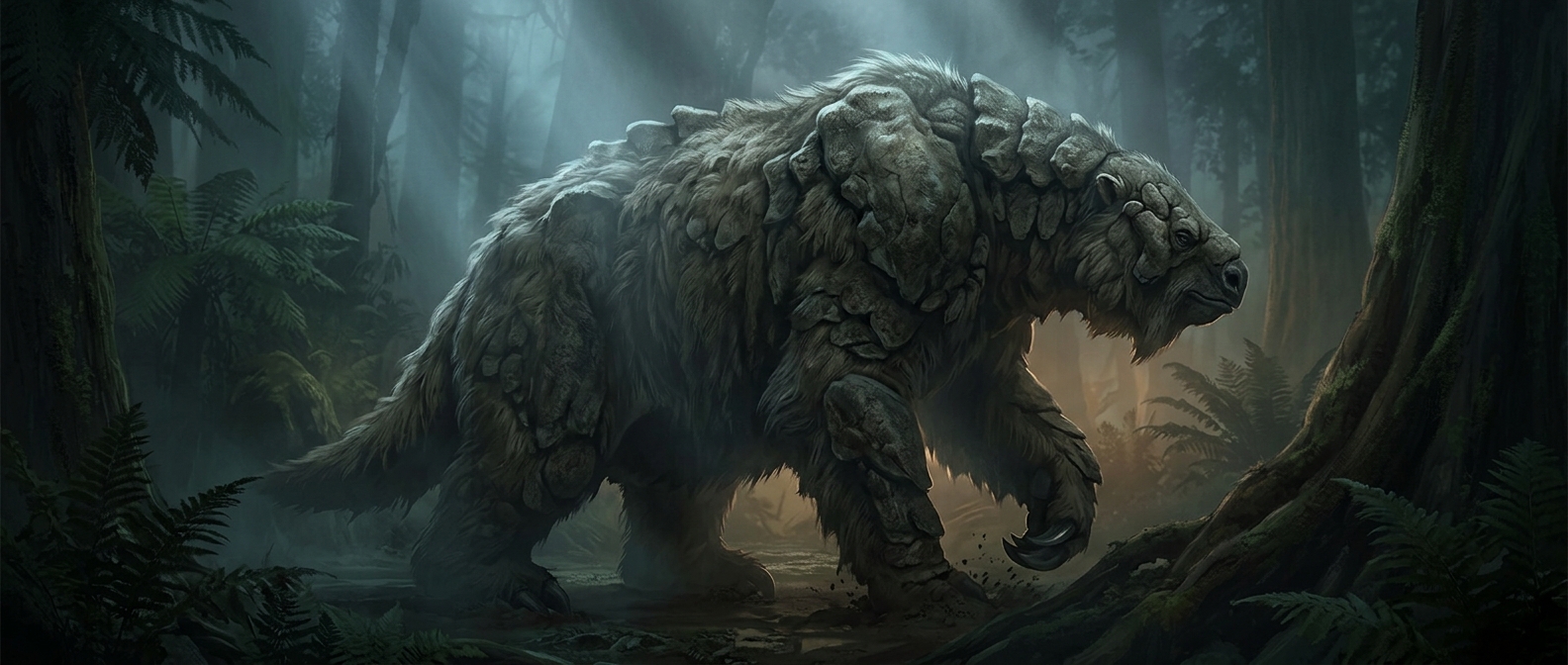
Their scale points to animals far larger than living sloths. Giant ground sloths had powerful limbs and long claws that could loosen and pull away earth. Deep grooves in some tunnel walls are consistent with repeated claw strokes, giving researchers a physical clue to how the passages were made.
Reading the marks—and the builders
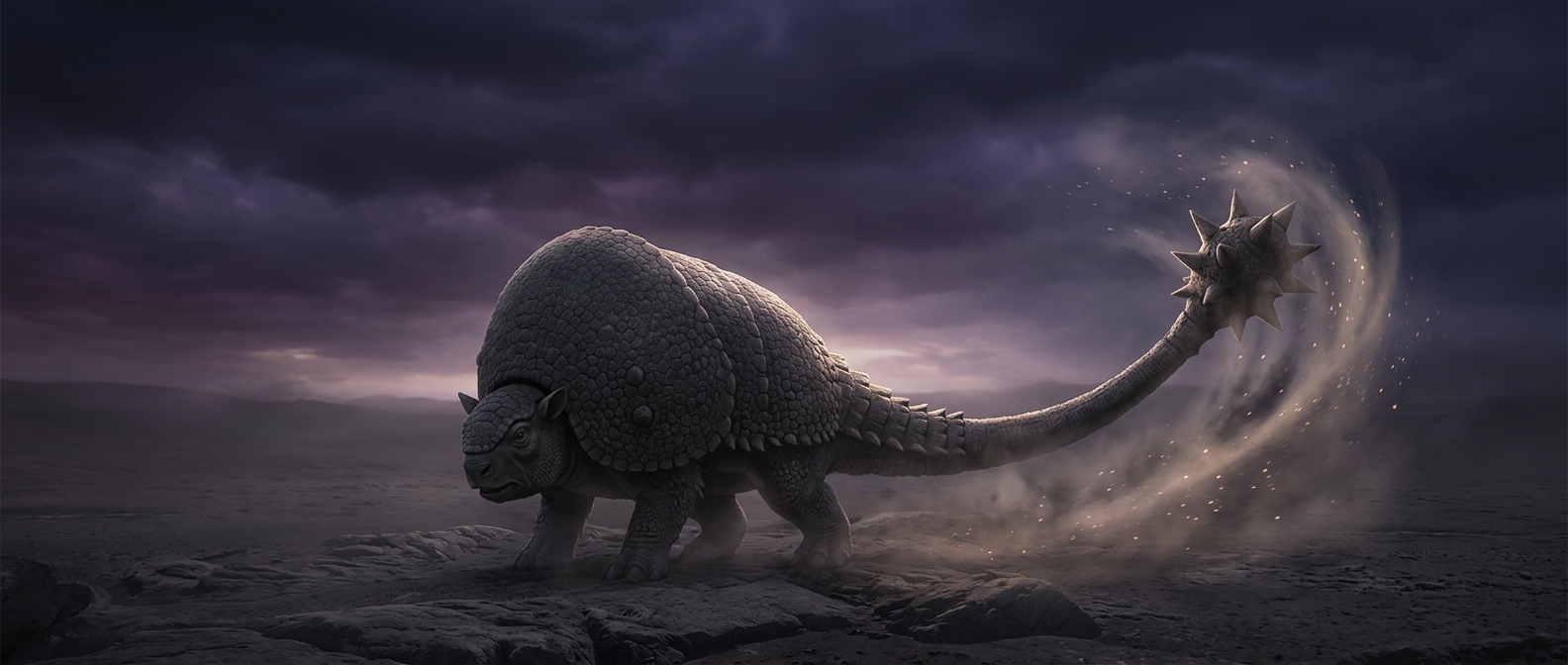
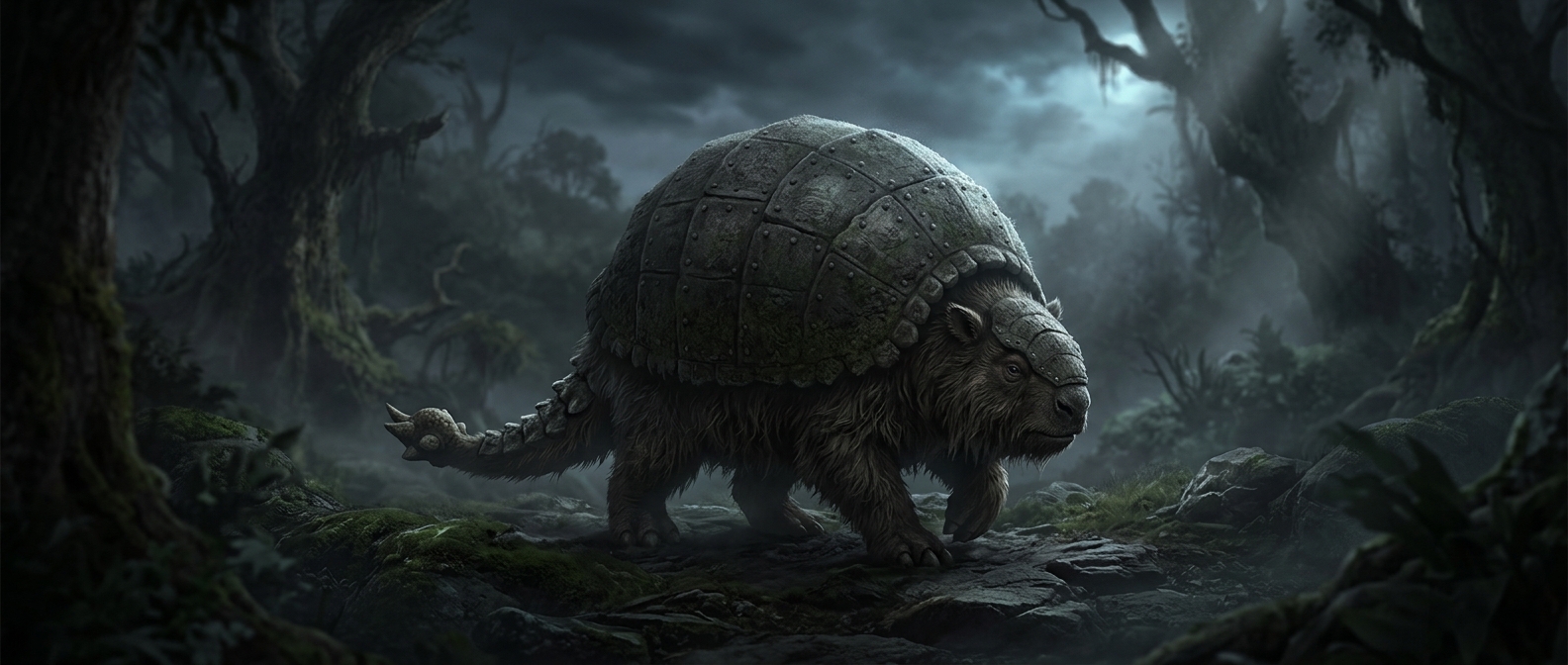
A tunnel’s size and shape, together with its wall marks, help researchers infer what kind of animal could have excavated it. Giant ground sloths are among the proposed builders, alongside other extinct megafauna, including large armadillo relatives. The evidence does not make every burrow’s maker certain, but it shows that some ancient animals altered the ground on a striking scale.
Digging would have taken repeated effort: loosen earth with claws, move it out of the way, and extend the passage. Such a substantial shelter could have offered protection from weather or predators, though the precise purpose of any particular tunnel is difficult to establish from the passage alone.
A trace of everyday labor
These burrows preserve more than evidence that giant mammals once lived in South America. Their scraped walls record an action—clawing through earth—that fossils of bones alone rarely reveal. The tunnels are reminders that extinct animals did not merely occupy a landscape; some of them physically reshaped it, one scoop of soil at a time.