A tail that turned the ground into a brace
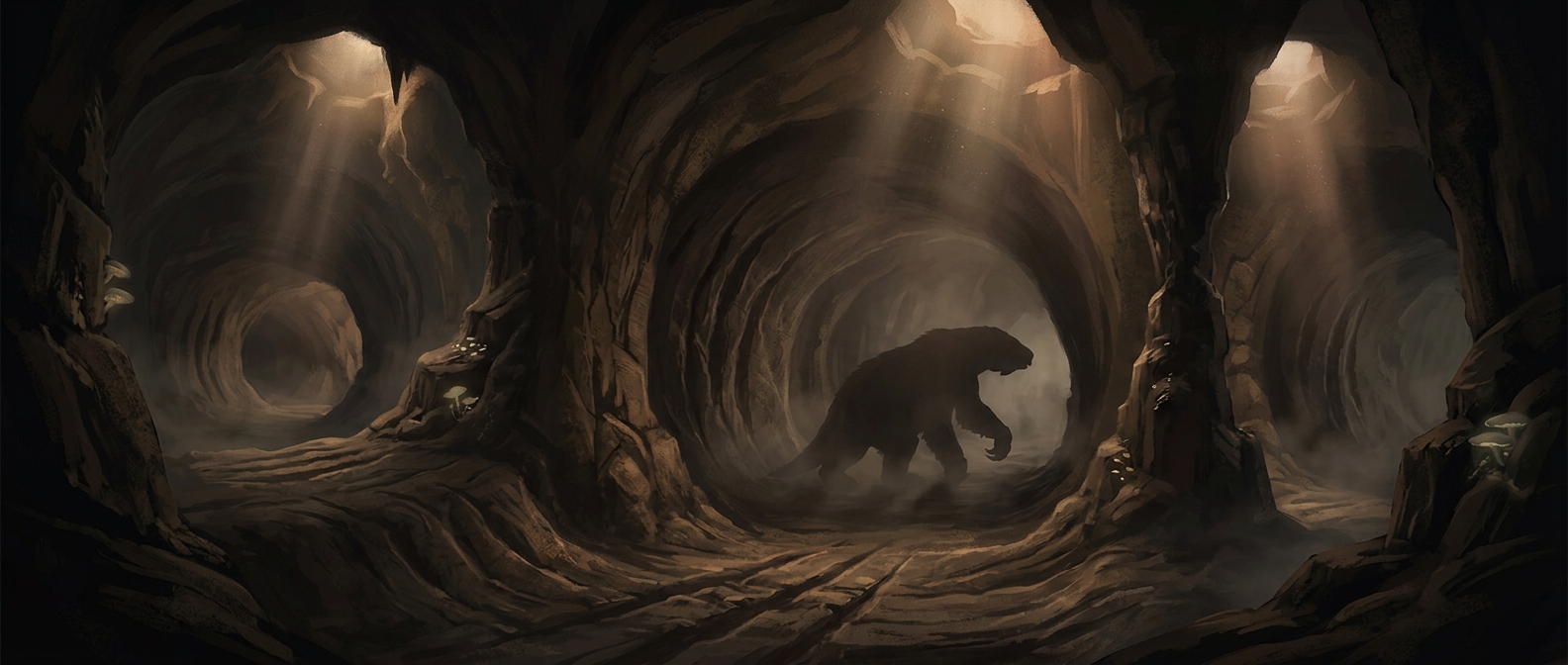
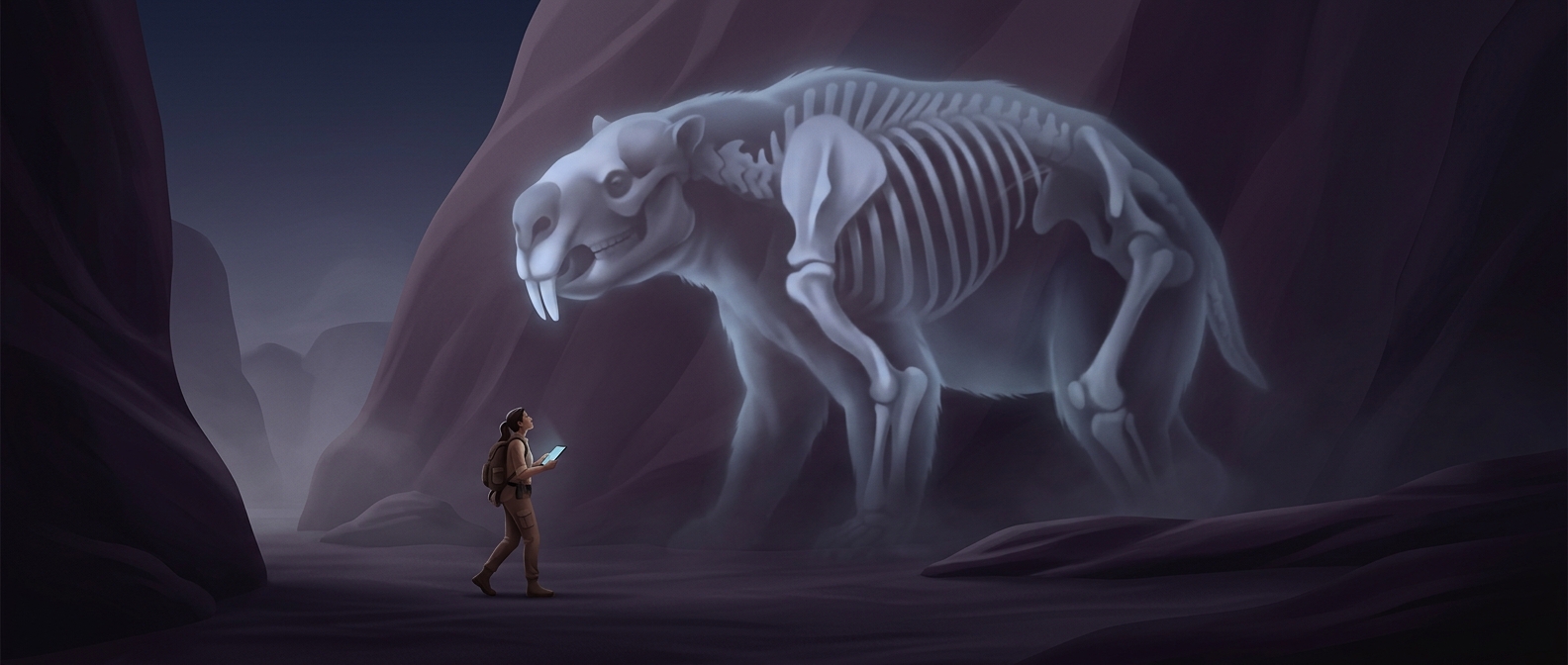
The largest ground sloths were not simply oversized versions of the small, tree-dwelling sloths alive today. They belonged to a varied group of extinct animals, and some grew to elephant-like size. At that scale, reaching foliage meant solving a problem of balance as much as one of reach: lifting the front of a heavy body could easily tip an animal backward.
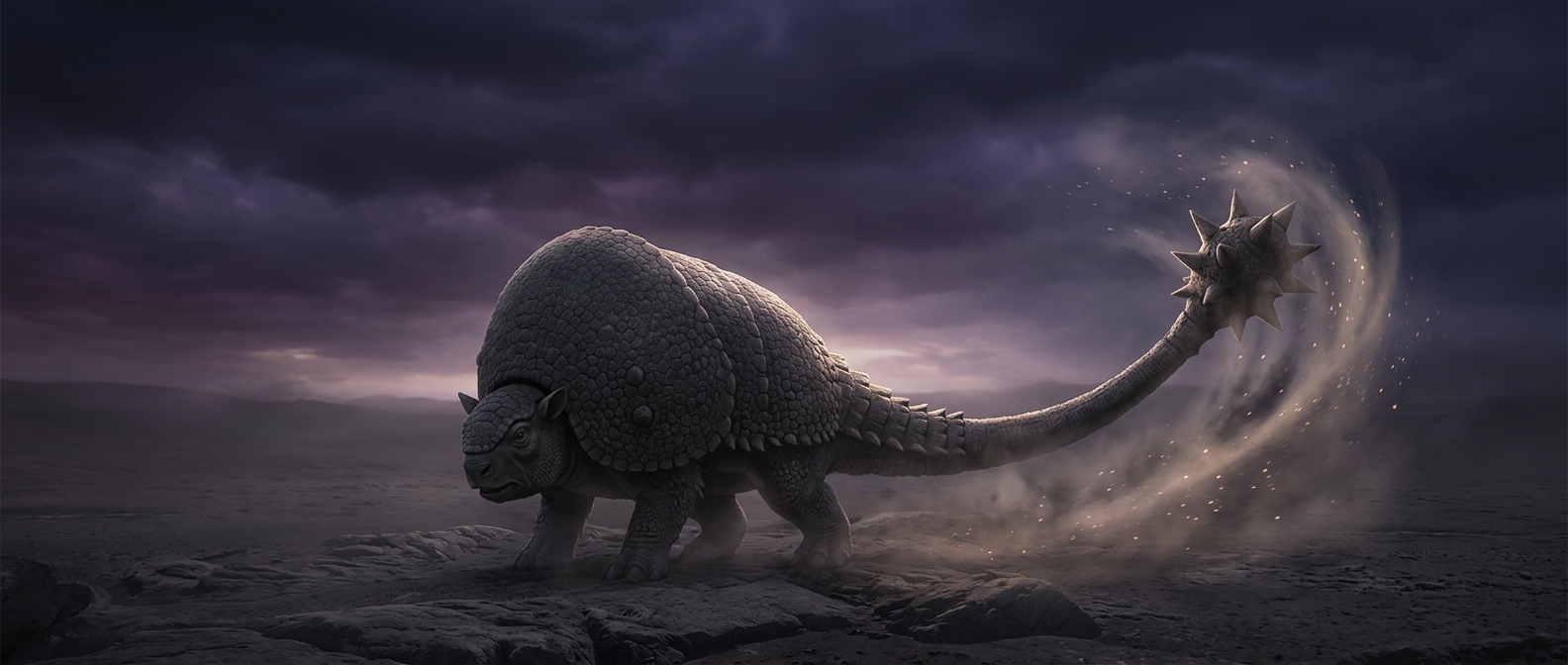
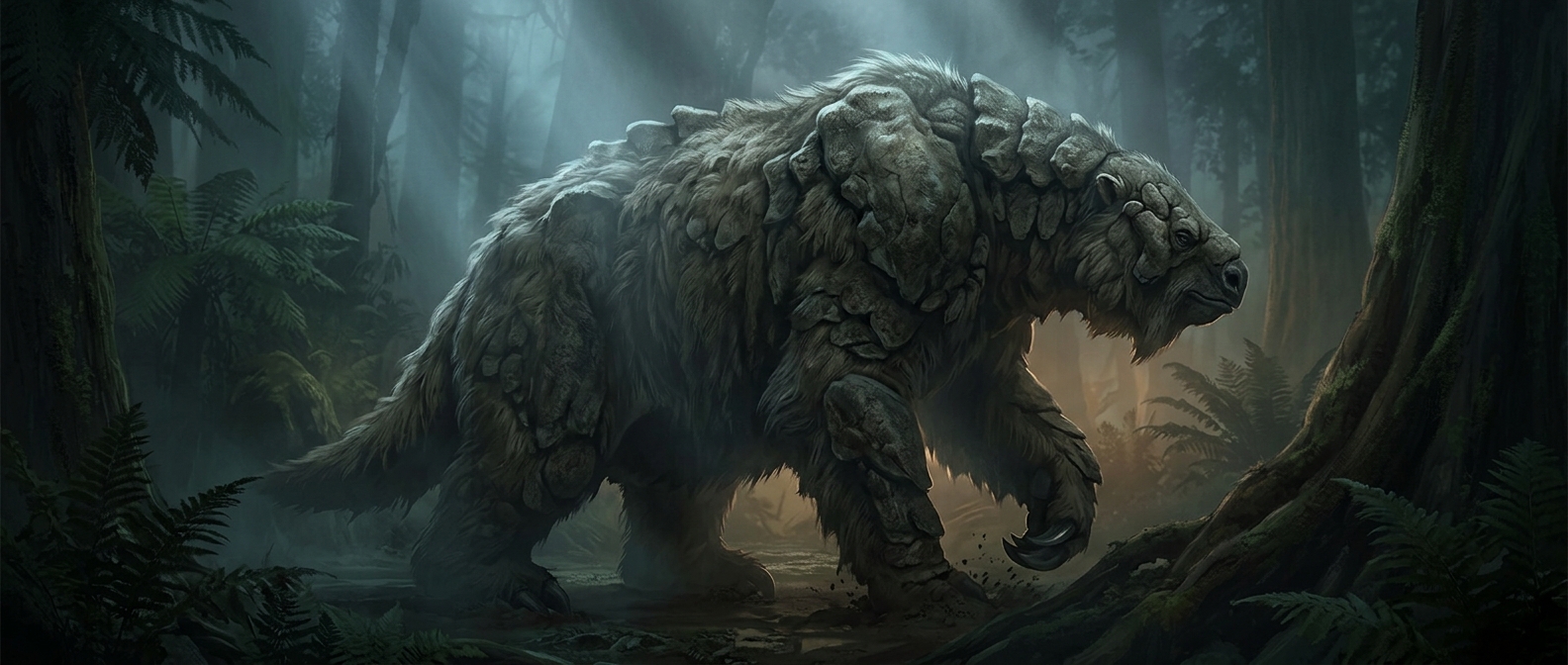
A thick, muscular tail could help anchor the animal against the ground. Braced on its hind legs and tail, the sloth formed a stable support base, freeing its forelimbs to pull. In mechanical terms, the tail supplied a counterforce: as the animal hauled on a branch, the ground pushed back through its limbs and tail, helping keep its body from pitching over.
Claws made pulling more useful than reaching
Long claws were not delicate tools for plucking leaves. They could hook or grip vegetation while powerful forelimbs drew it closer. That let the animal bring branches within reach rather than depend on climbing a trunk—a risky proposition for a creature built to carry so much weight.
The same strategy could bend or break vegetation, opening access to leaves that smaller browsers could not readily reach. It also meant that feeding could alter the plant around the animal: a branch was not out of reach just because it stood above the sloth. The giant sloth’s size was paired with a way to steady and use that size, turning its tail and limbs into a living pulling system.