Science
Discover facts about science. Small discoveries that change the way you see familiar things.
Science
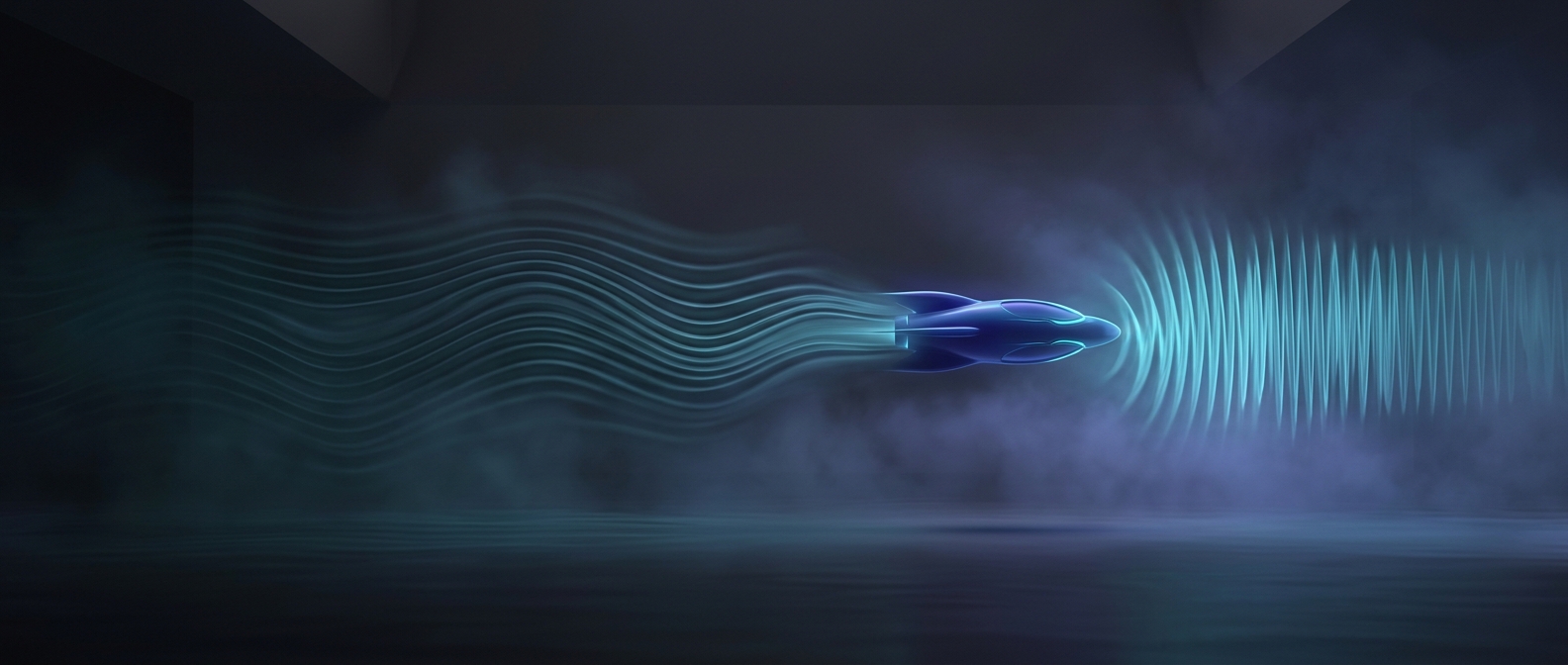
Moving sound sources artificially stretch their audio waves
As a siren approaches, each wave has less distance to travel before the next one arrives, so the waves bunch together and sound higher. After it passes, they…
Discover more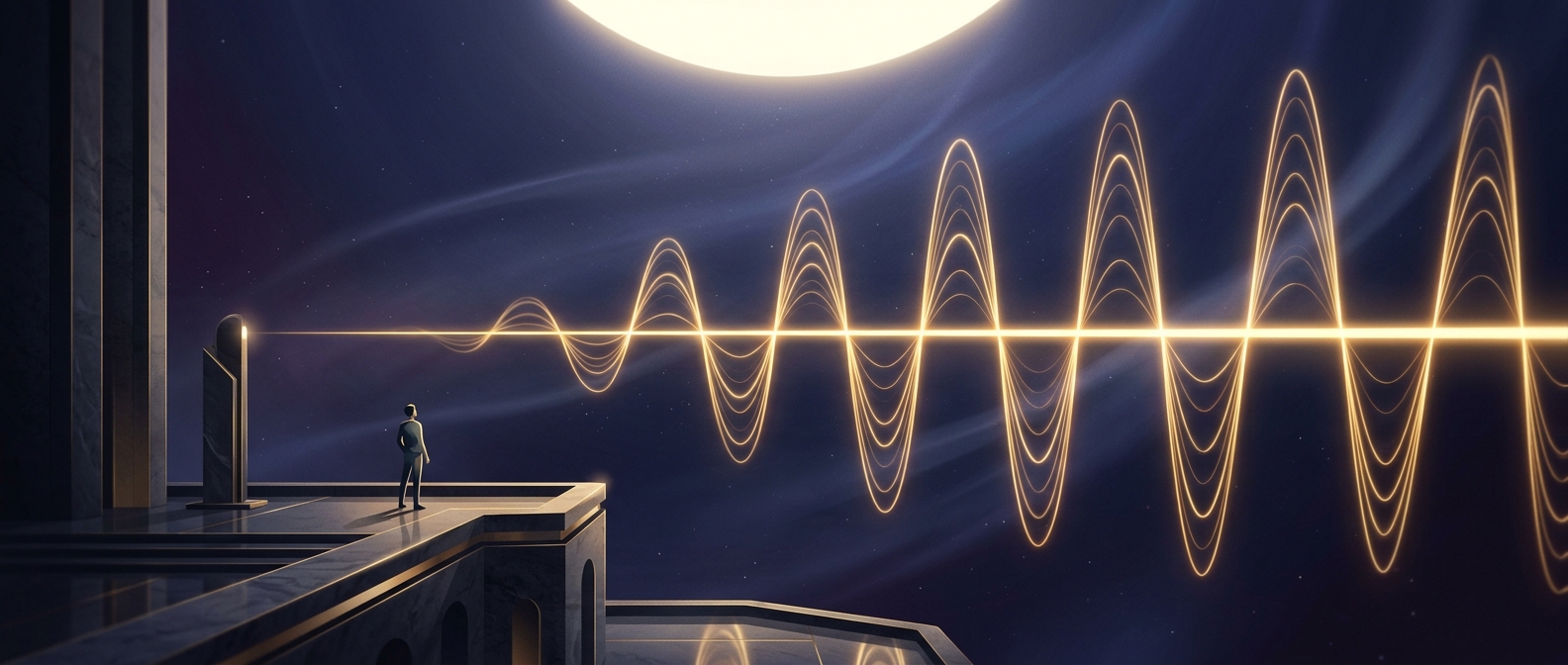
Light waves wiggle strictly perpendicular to their path
As light travels, its electric and magnetic fields rise and fall sideways rather than along its path. The two fields oscillate at right angles to each other,…
Discover more
Perfectly flat surfaces can fuse without any glue
If two metal surfaces are exceptionally smooth and clean, their atoms can touch closely enough to form metallic bonds across the join. The pieces fuse without…
Discover more
The strange color swap in a double rainbow
Sunlight bends as it enters a raindrop, then bounces inside before leaving as separated colors. In the second rainbow, the light bounces twice, which flips…
Discover more
Pink noise gives each octave an equal share
An octave doubles the frequency: 100 to 200 hertz spans fewer individual frequencies than 1,000 to 2,000. Pink noise reduces energy at higher frequencies so…
Discover more
Stretching a rubber band can briefly warm it
A quick stretch does mechanical work on the rubber and aligns its long molecular chains, producing a small temperature rise. Let it relax quickly and it can…
Discover more STACKY FOR IPHONE
A bigger world.
One discovery
at a time.
Keep discovering with Stacky. Interesting facts in an app that is always within reach.
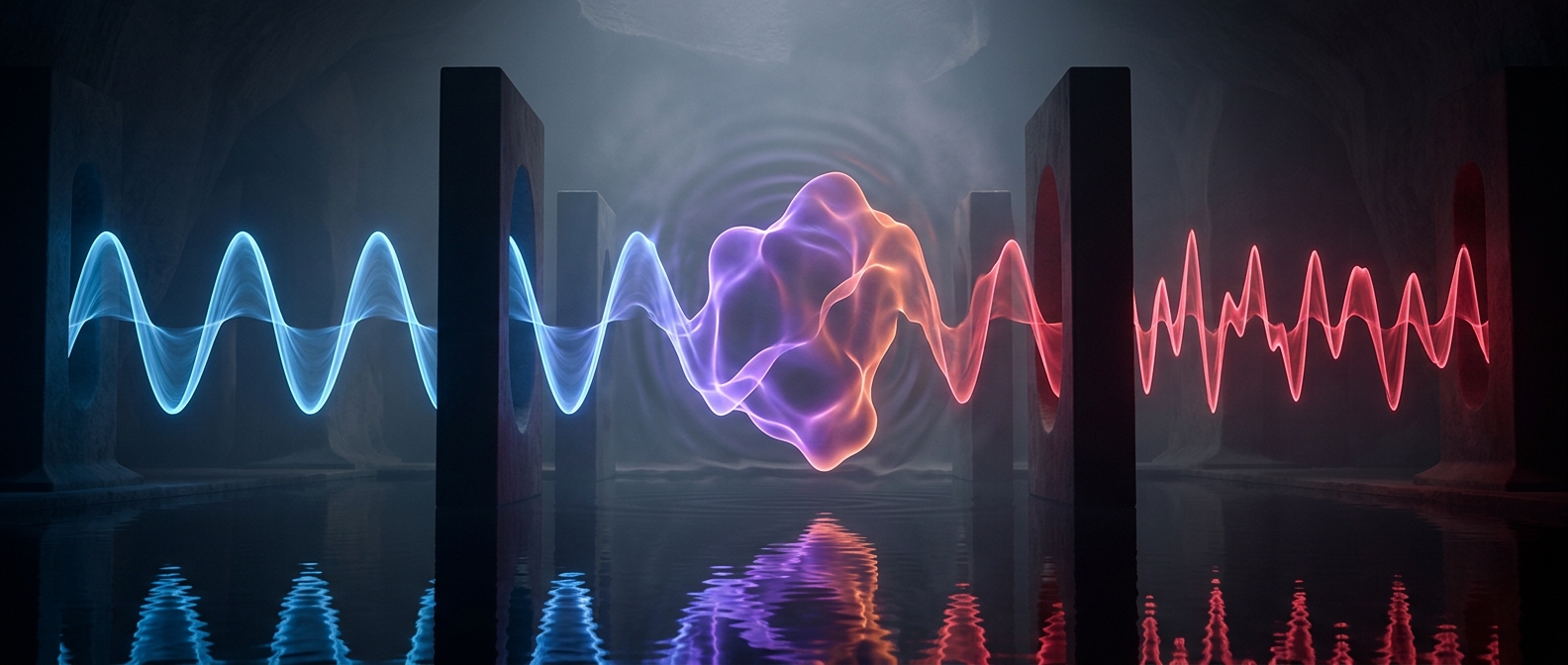
Mismatched frequencies create bizarre pulsating volumes
Two notes with slightly different pitches drift in and out of sync. When their sound-wave peaks line up, they reinforce each other; when a peak meets a…
Discover more
Why white noise sounds like a harsh hiss
White noise spreads sound across many frequencies, so it overlaps with lots of other noises. Your ears have a harder time picking out a quieter sound against…
Discover more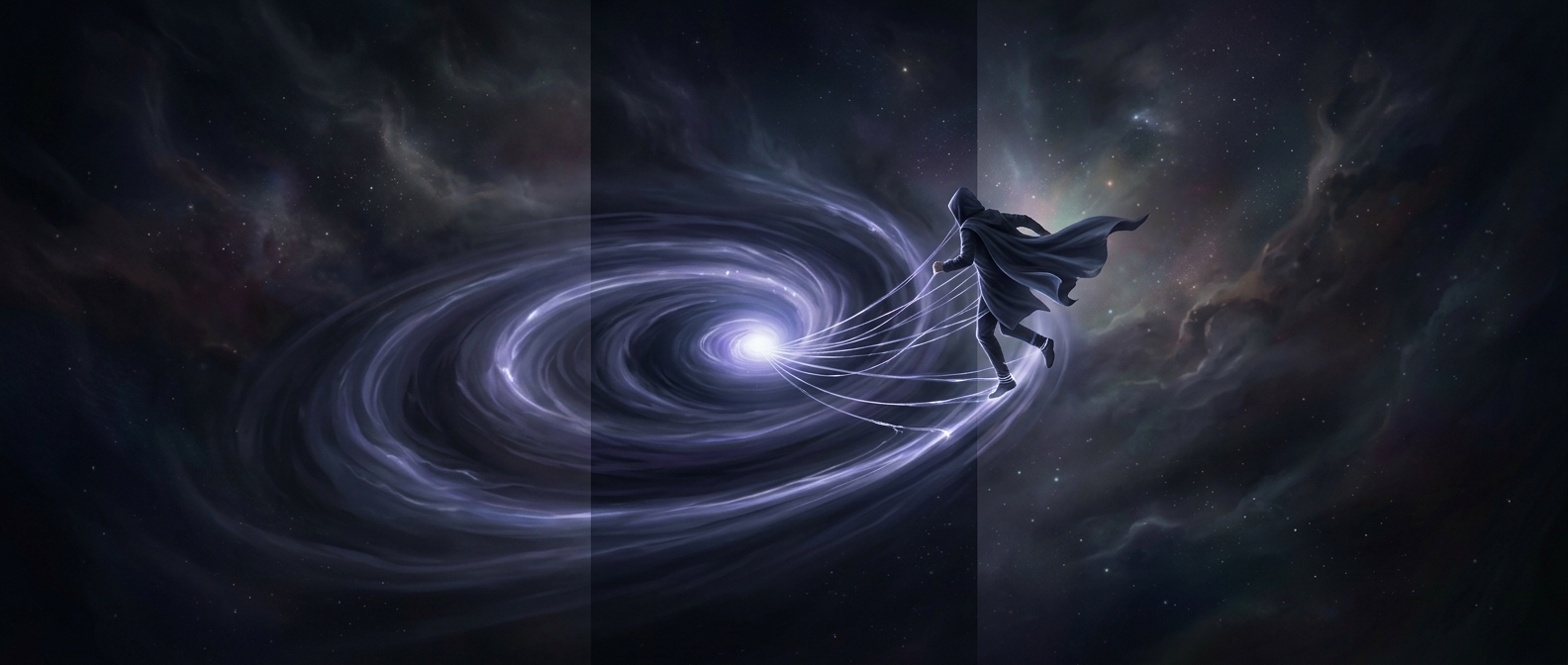
Objects moving in circles are constantly yanked inward
An object going in a circle needs an inward force to keep bending its path. If that force disappears, the object doesn’t fly outward; it continues straight in…
Discover more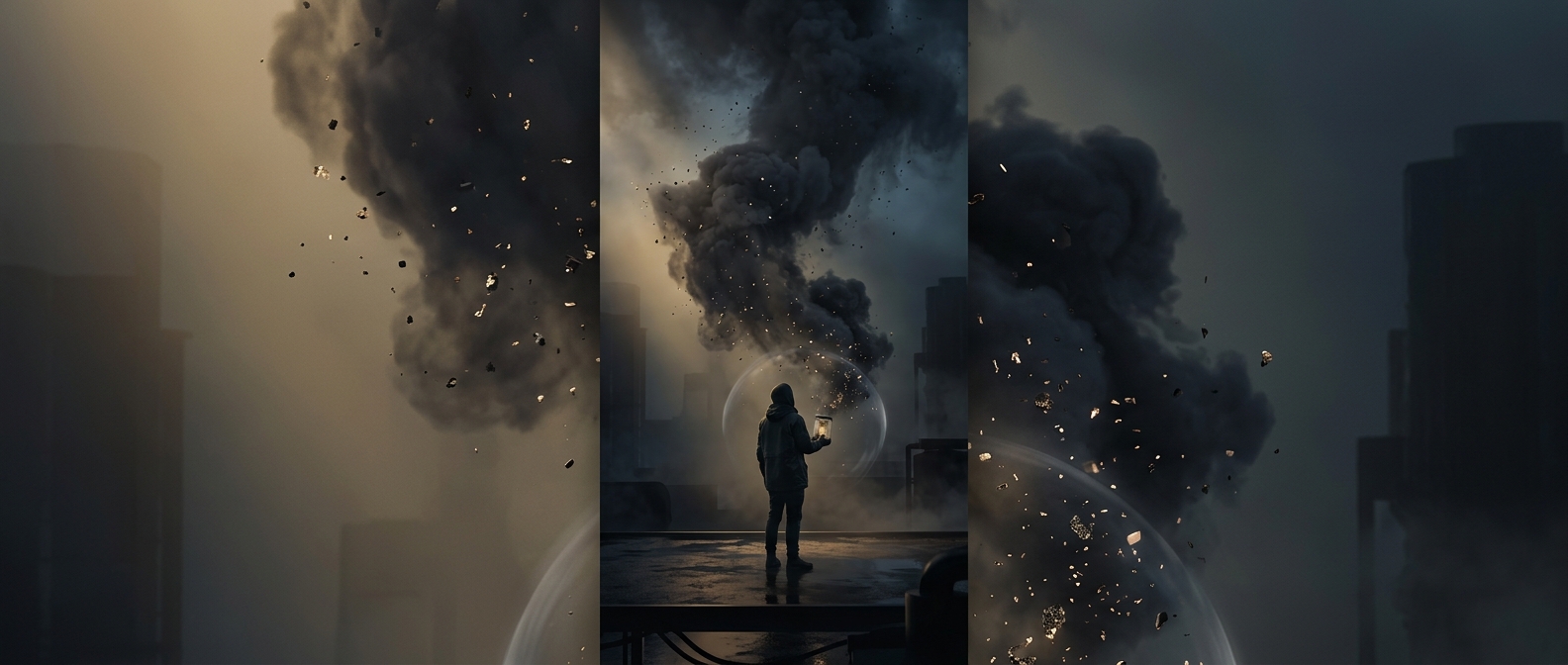
Smoke is full of tiny solid particles
The visible plume is not mostly the gases themselves. Tiny solid particles and droplets hanging in the air scatter light into your eyes, making the smoke show…
Discover more
Starting a slide is drastically harder than maintaining it
A box sitting still is held by static friction, which can resist a stronger push than sliding friction can once the box is moving. Your first shove has to…
Discover more
Why no mirror reflects all the light
A mirror sends most light back, but its coating absorbs or lets through a little instead. One bounce barely dims the image; after many bounces, those small…
Discover more
Loud noises simply dilute themselves across empty spaces
A siren’s sound spreads as it travels, like the same amount of jam smeared across a larger slice of bread. At twice the distance, its energy covers four times…
Discover more
How a shadow can outrun light
The shadow’s edge can appear to zip across a faraway surface because one patch is blocked just as another is lit. Nothing has to travel from the first patch…
Discover more
Your pet may be allergic to you
When a pet reacts to its person, the culprit is usually not “human” in general but proteins in shed skin, called dander. Those proteins can trigger symptoms,…
Discover more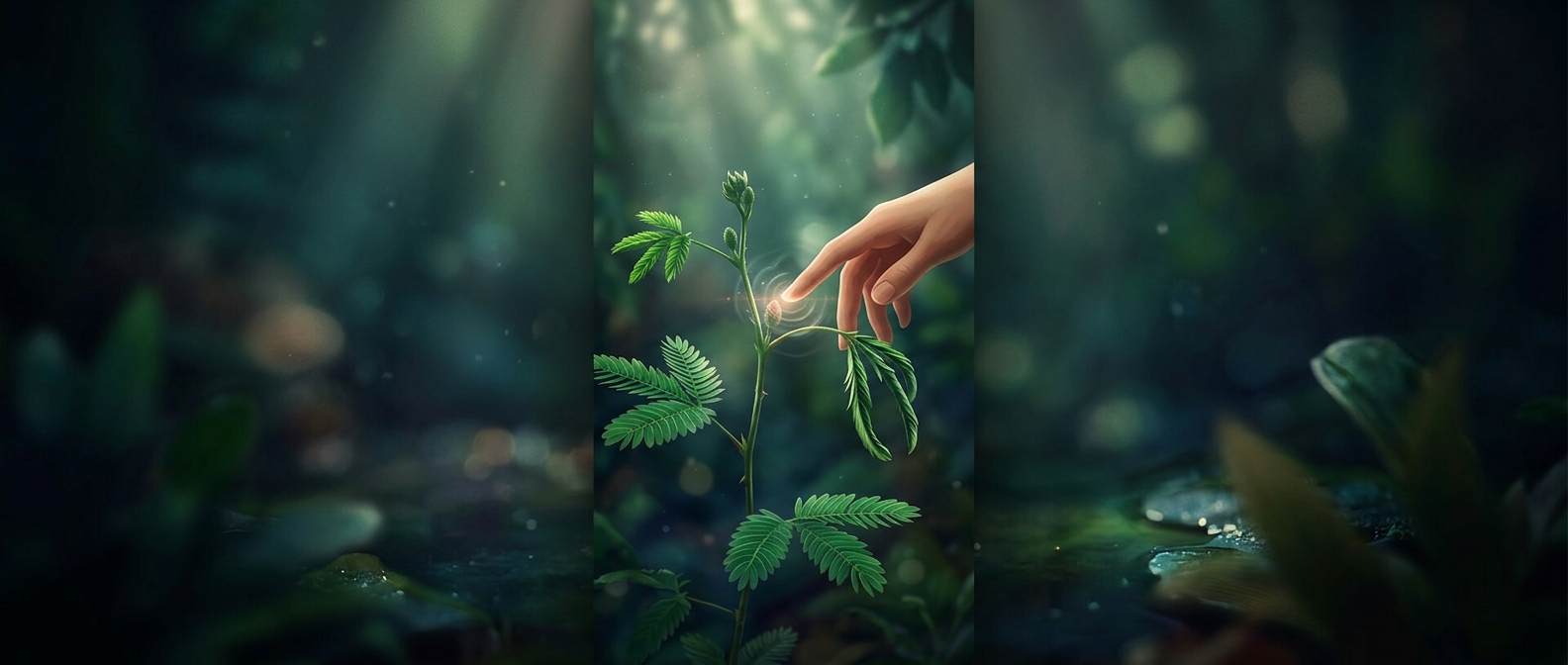
Touch a sensitive plant and its leaves collapse
Touch makes water rush out of special cells at the joints of a sensitive plant’s leaves. Those cells lose pressure, so the leaflets fold; when water flows…
Discover more
Why deep water looks blue
Water filters its own light: it absorbs red more readily than blue, so blue travels farther through deep water before some of it scatters back to your eyes.…
Discover more
Rainbows are actually full circles
The bottom of a rainbow is still there—the ground is just in the way. Light bounces through raindrops and reaches your eyes from a ring of angles around the…
Discover more
Spanish moss isn’t moss at all
Spanish moss doesn’t steal food from the tree it hangs on. Tiny scales on its leaves catch water from rain and humid air, plus nutrients carried in dust. The…
Discover more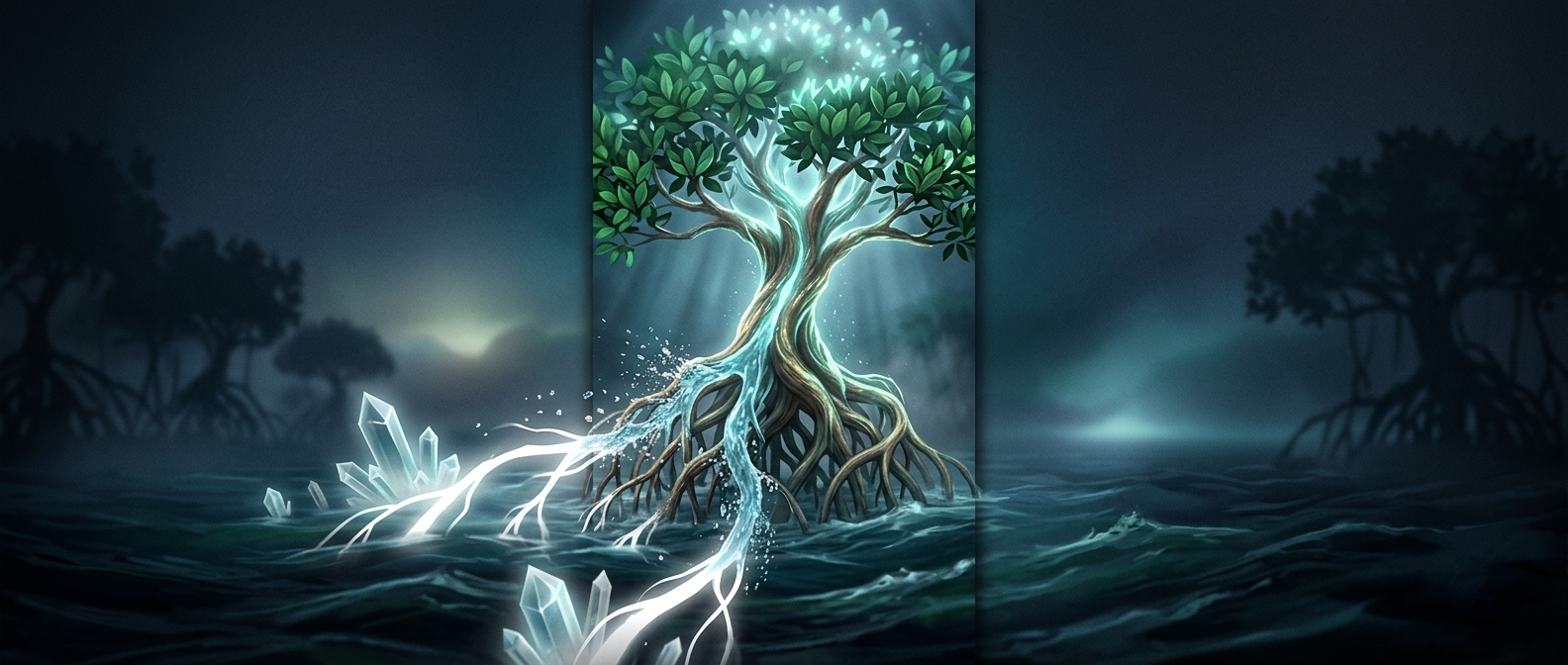
Mangrove trees aggressively filter out harsh external salt
Saltwater offers mangroves a tricky deal: the roots can take up water along with unwanted salt. Some mangroves block much of the salt at their roots; others…
Discover more
Poison ivy oil can outlive the plant
Poison ivy’s rash-causing oil, urushiol, can stick around after the plant dies. It clings to tools, clothes, or pet fur, then transfers to skin later. The…
Discover more
Pure liquid water actively slows down the raw speed of light
Water’s molecules interact with light as the wave passes through, making its overall progress slower than through empty space. The light’s frequency stays the…
Discover more
Soap bubbles flash colors due to distinct optical interference
A soap bubble’s colors come from light reflecting off the film’s front and back surfaces. Those two reflections overlap: some colors get reinforced while…
Discover more
The rare green flash that can follow a sunset
The atmosphere bends sunlight like a weak prism, separating its colors near the horizon. As the Sun sinks, red and yellow vanish first, leaving a thin green…
Discover more