What a mirror does to incoming light
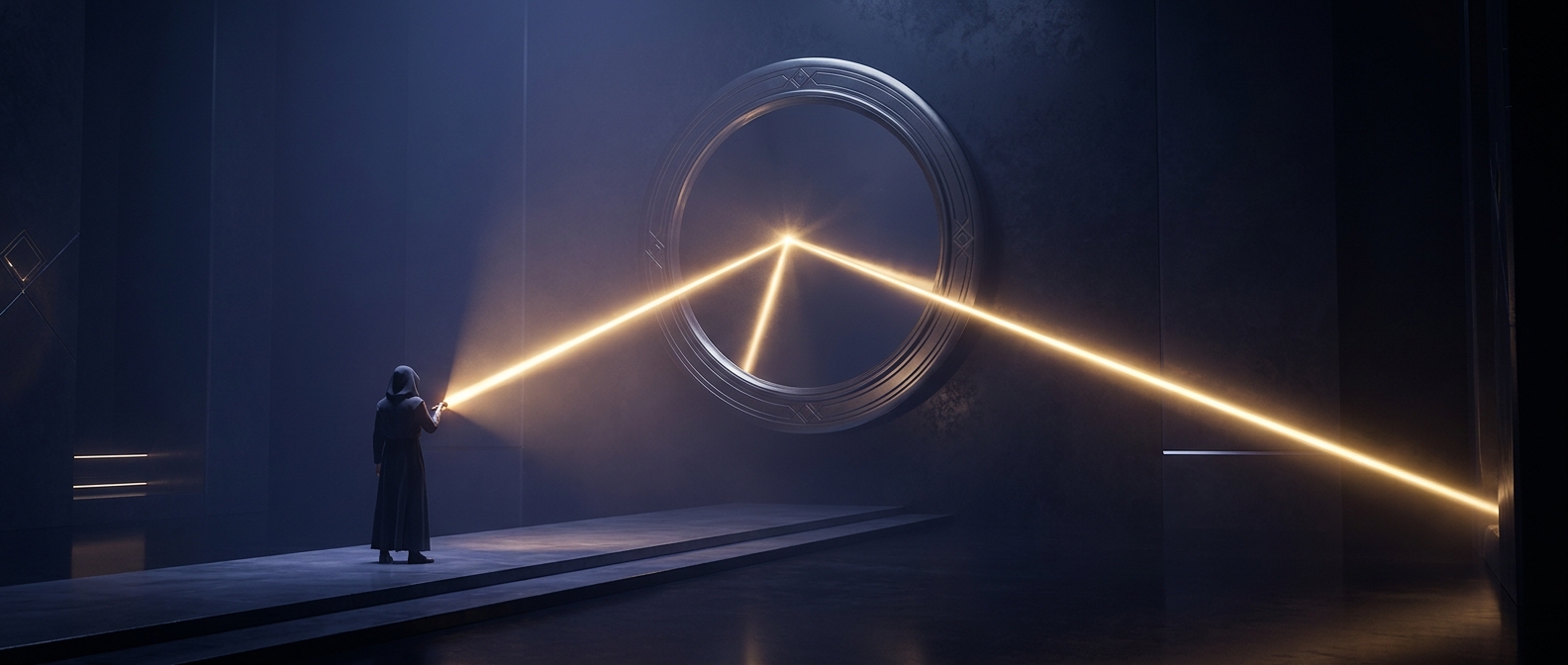
A mirror is not a perfect wall for light. Its reflective coating—often a thin layer of metal—sends most incoming light back, but some is absorbed by the coating and some passes through it. Absorbed light becomes a tiny amount of heat; transmitted light continues behind the mirror. The exact balance depends on the coating and the light’s wavelength, but no ordinary mirror reflects every photon.
Why reflections fade
Each bounce repeats the same small loss. If a surface reflects, say, most of the light, the next mirror receives only that remaining portion; it then reflects most of that, and so on. The losses compound: after many reflections, only a small fraction of the original light is still traveling through the chain.
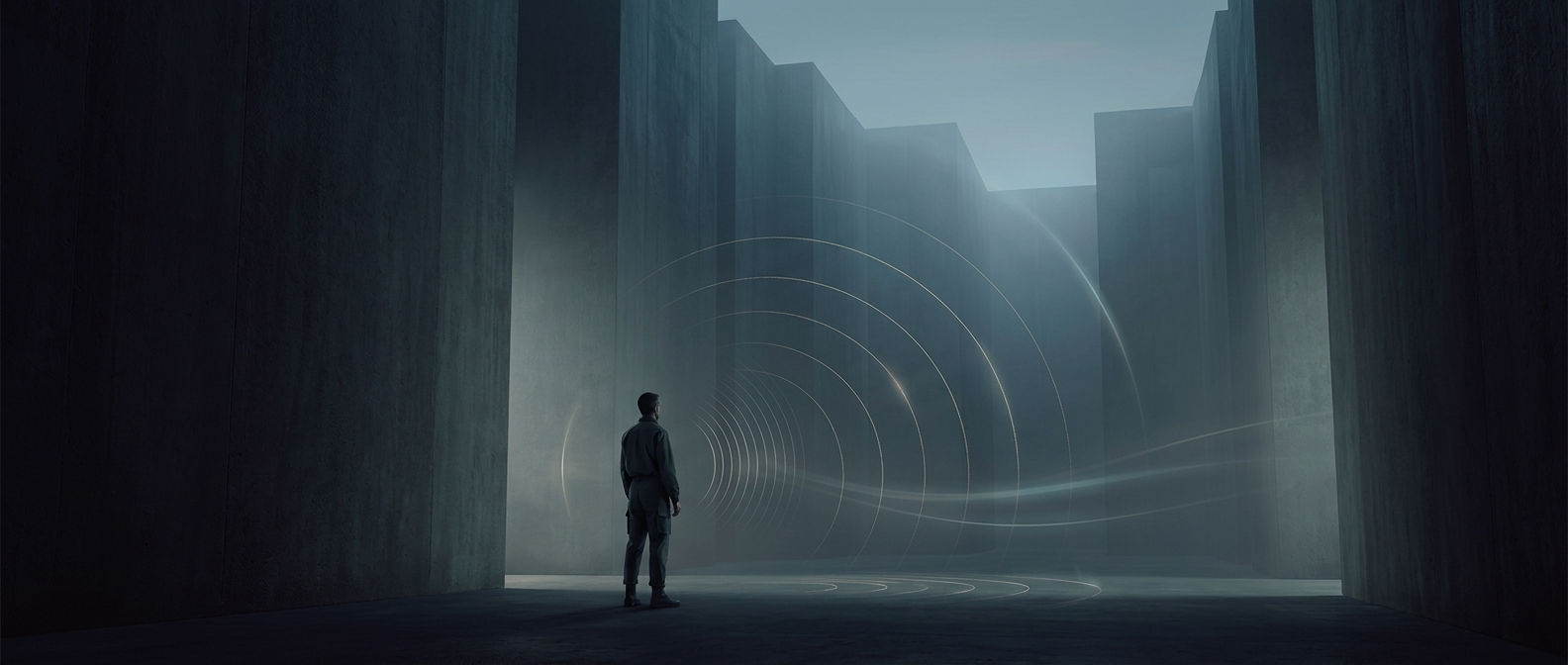
That is why a corridor of facing mirrors can produce an apparently endless tunnel of images without producing endless brightness. The first reflection is bright because it receives the original light. Deeper images are dimmer because their light has already been reflected—and partly lost—many times.
More mirrors do not make more light
Mirrors can redirect light into places it would not otherwise reach, making a room seem brighter in some directions. But they do not create energy. In a room full of mirrors, light still leaks out through openings and is absorbed by walls, objects, and the mirrors themselves. Add enough bounces, and the reflected light dwindles until it is too faint to see.