How Light Can Cancel Itself
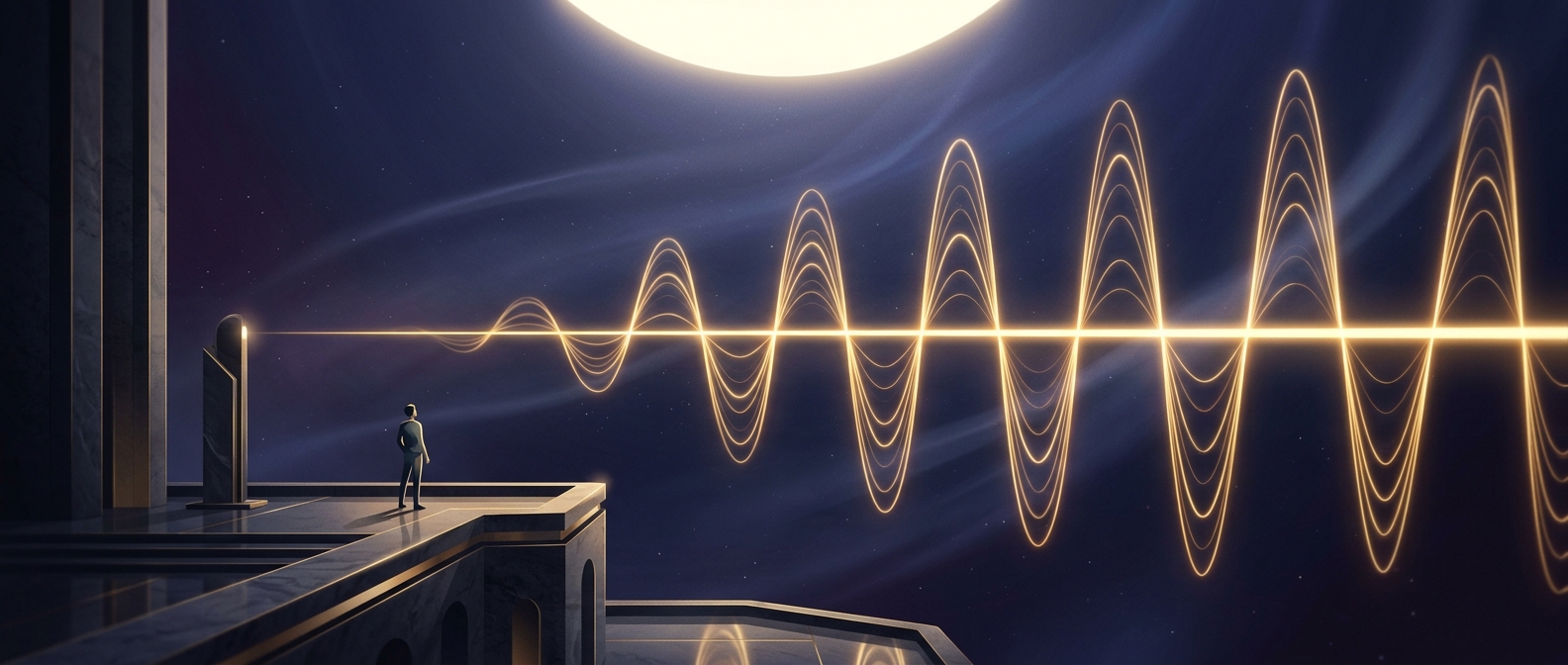
Light travels as an electromagnetic wave: its strength rises and falls as the wave passes. The offset between two waves is called their phase. If waves of the same wavelength arrive at a point half a cycle apart, one is pushing the electromagnetic field in the opposite direction from the other. Their fields add to nearly zero, so little or no light is detected there.
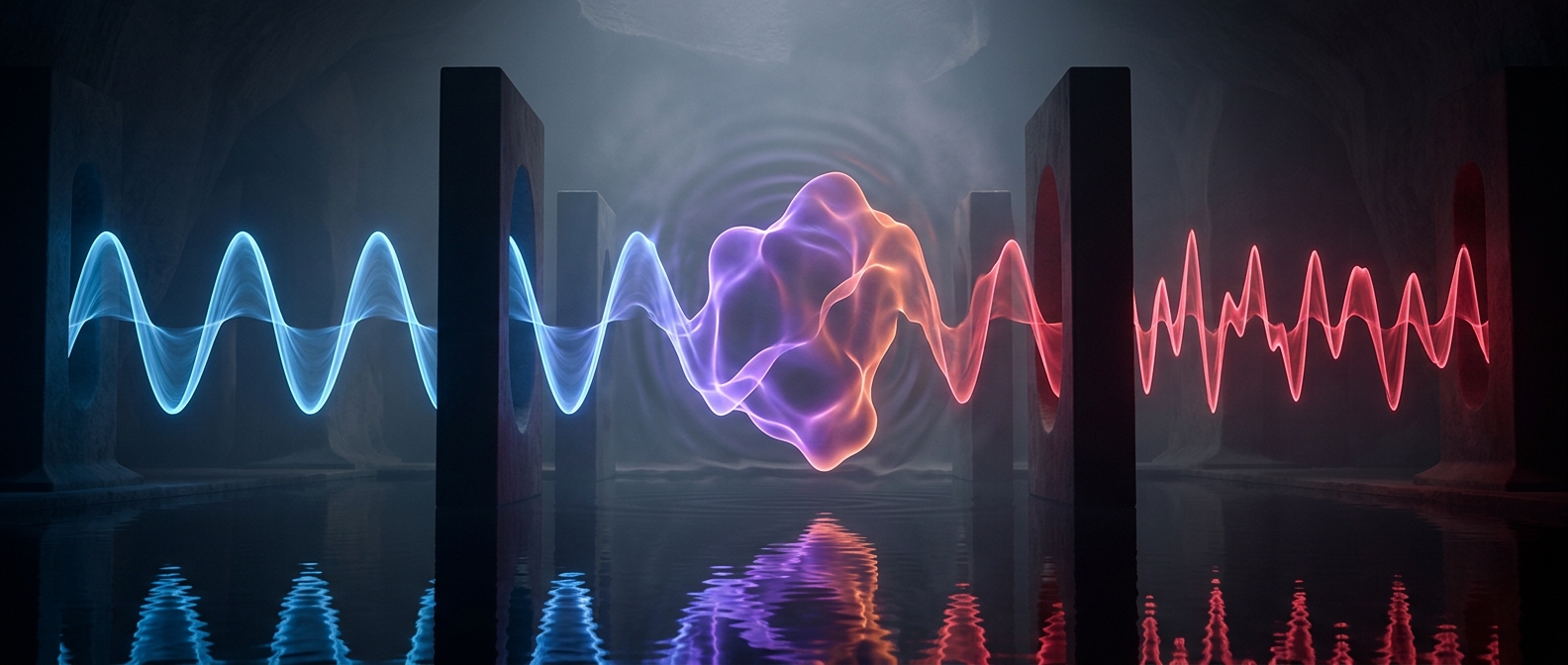
This is destructive interference. It does not mean one beam absorbs the other. The combined wave pattern has places where the fields reinforce and places where they oppose, producing alternating bright and dark bands called interference fringes.
Why the Dark Patch Stays in Place
A steady pattern requires the waves’ phase relationship to remain stable. That is easiest with coherent light—light whose waves keep a consistent timing relationship, as in a laser. If the waves drift out of step unpredictably, the dark and bright regions shift around, and a detector that averages over time may record an ordinary glow instead of a fixed dark patch.
The location of each fringe depends on how the beams meet. A small change in their angle or path length changes where a peak from one wave encounters a trough from the other. In a controlled setup, that sensitivity makes interference useful for detecting tiny changes in distance or motion. The striking result is that adding another light beam can make a particular spot darker—not by removing energy, but by changing where the combined light is concentrated.