Science
Discover facts about science. Small discoveries that change the way you see familiar things.
Science

A rhino horn is closer to a fingernail than bone
A rhino horn isn’t bone: it grows from the skin as tightly packed fibers of keratin, the material in hair and fingernails. There’s no bony core hiding inside.…
Discover more
Ring-tailed lemurs settle some disputes with scented tails
A male ring-tailed lemur coats his tail with scent from glands, then waves it toward a rival. The breeze carries his chemical calling card without either…
Discover more
Why snakes keep flicking their tongues
A snake flicks its tongue to pick up scent particles and deliver them to sensors in its mouth. Because the tongue is forked, it collects a sample from each…
Discover more
How bears recycle urine while hibernating
While a bear hibernates, gut microbes help reclaim nitrogen that would otherwise leave in its urine. They turn it into compounds the bear can use to build…
Discover more
A kangaroo rat makes water from its food
Breaking down nutrients releases water as well as energy, letting this desert rodent extract moisture from dry seeds. Its kidneys conserve water, and its…
Discover more
Can dogs smell when you're coming home
Your dog may be tracking a scent that slowly fades from the room. Airflow, temperature, and the space affect how quickly it disperses, so the smell can offer…
Discover more STACKY FOR IPHONE
A bigger world.
One discovery
at a time.
Keep discovering with Stacky. Interesting facts in an app that is always within reach.

Chemical elements frequently hoard extra atomic neutrons
Atoms of the same element can differ in how many neutrons they contain; these versions are called isotopes. Some remain stable, while radioactive ones change…
Discover more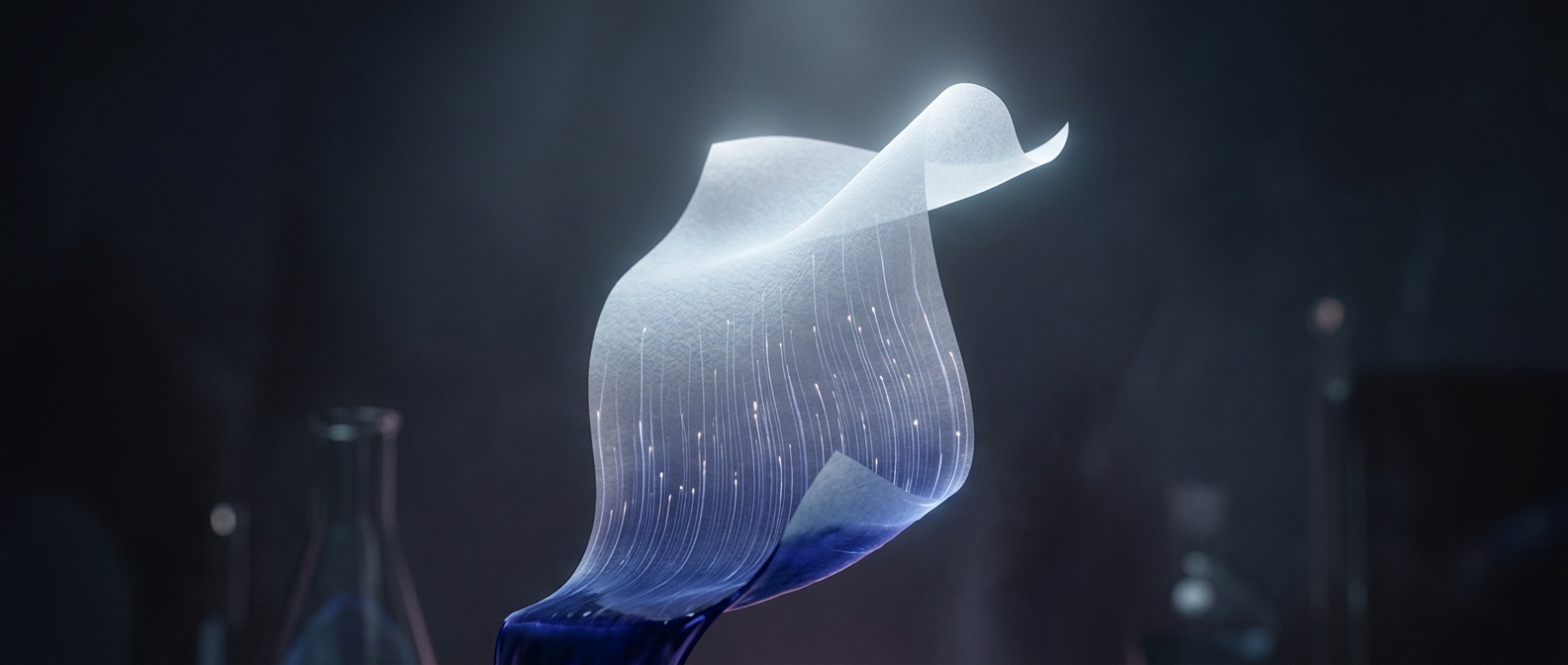
How paper towels make water climb
Water sticks to the paper’s tiny fibers, and neighboring water molecules tug one another along. The liquid climbs through narrow gaps in the towel, even…
Discover more
Tungsten stays solid at temperatures that melt most metals
Its melting point is about 3,414°C, the highest of any metal. That made it useful in incandescent filaments, welding electrodes, and furnace components. The…
Discover more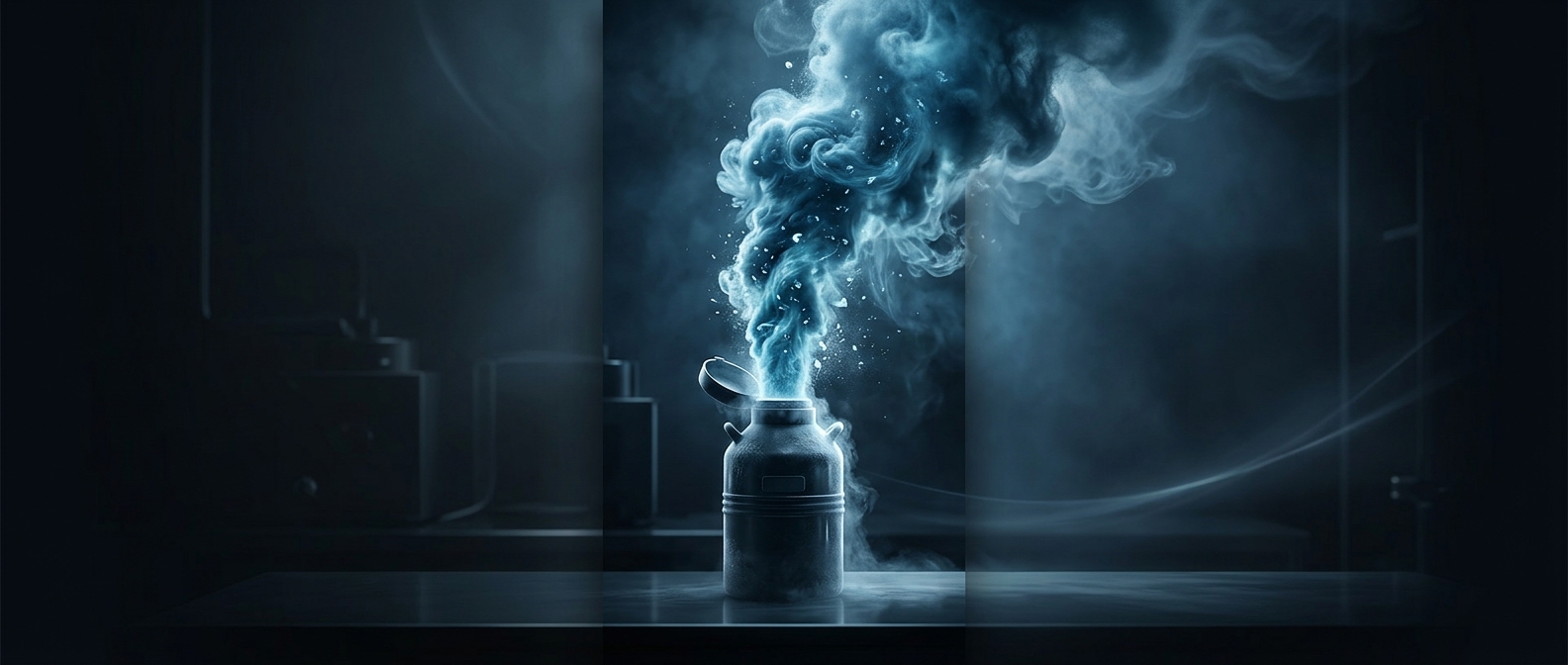
Why liquid nitrogen boils in room air
At about −196°C, liquid nitrogen is so cold that room air becomes a heat source. That warmth boils the nitrogen, while the escaping gas cools moisture in the…
Discover more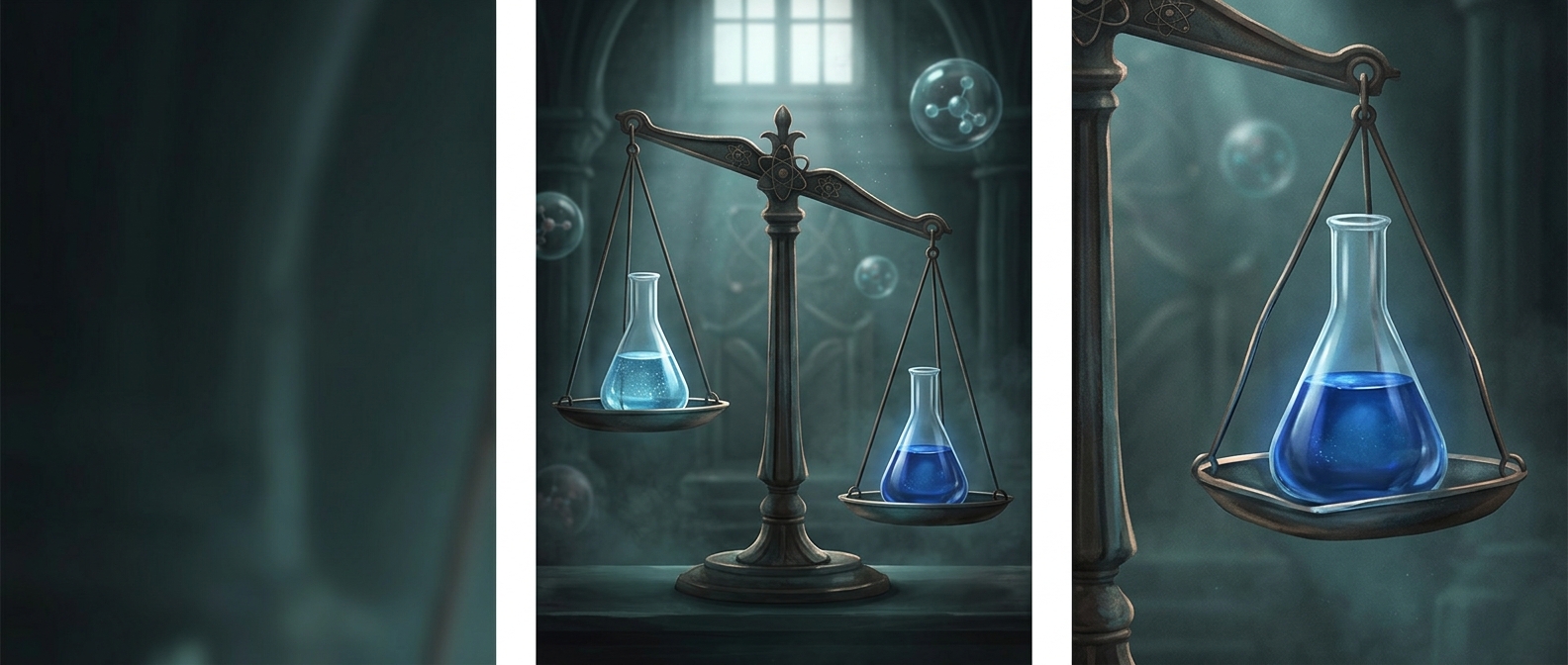
Heavy water ice can sink instead of float
Heavy water swaps ordinary hydrogen for deuterium, a heavier form of hydrogen. That makes both the liquid and its ice denser than their ordinary-water…
Discover more
Throwing coarse salt directly on frozen paths destroys ice
Salt mixes with the thin layer of water on ice and lowers the temperature at which that water freezes. The resulting brine can stay liquid below water’s usual…
Discover more
Heavy atmospheric gases press down with crushing weight
Air pushes on your body from every direction, not just down from above. Fluids and gases inside you push outward too, balancing much of that squeeze, so your…
Discover more
What happens when antimatter meets ordinary matter
When an electron meets its antimatter partner, a positron, their mass becomes energy carried away by gamma-ray photons. It’s not a little collision that…
Discover more
Why absolute zero can never be reached
As a substance gets colder, there is less thermal energy left to remove, so each further step becomes harder. The third law of thermodynamics says no finite…
Discover more
How water can stay liquid below freezing
Water can stay liquid below its usual freezing point when there’s nothing to start an ice crystal. Tiny particles or crystals normally give water molecules a…
Discover more
Free stray neutrons possess severe structural instability
A free neutron can change into a proton, releasing an electron and an antineutrino. Inside some atomic nuclei, the energy balance makes that change…
Discover more
Why water molecules stick together
Water molecules have unevenly charged ends: oxygen is slightly negative, while the hydrogen ends are slightly positive. Opposite charges attract, so…
Discover more
Why helium balloons rise even though gravity pulls down
Air presses upward on a helium balloon as the balloon makes room for it. If the pushed-aside air weighs more than the balloon and its contents, that upward…
Discover more
Gunpowder carries its own oxygen
Burning usually needs oxygen, but gunpowder has potassium nitrate mixed in to provide it. As the other ingredients react, that oxygen helps the burning…
Discover more
How oxygen turns iron into rust
Iron reacts with oxygen by giving up electrons, and water often helps the reaction along. The rust that forms is flaky rather than sealed and smooth, so air…
Discover more
Pure water is a poor conductor. Dissolved salts change that
An electric current needs moving charges, and nearly pure water has few of those on hand. Add salt and it breaks into charged particles called ions, which…
Discover more
Microscopic dust constantly dances from invisible strikes
Watch a tiny speck in a drop of water and it may twitch as if it has somewhere urgent to be. Invisible water molecules are constantly bumping into it; uneven…
Discover more
Drastically freezing thick syrup creates a solid hard brick
Cold syrup can become so viscous—so resistant to flowing—that it sits like a solid brick without actually freezing. Its molecules still move, just sluggishly;…
Discover more