Science
Discover facts about science. Small discoveries that change the way you see familiar things.
Science
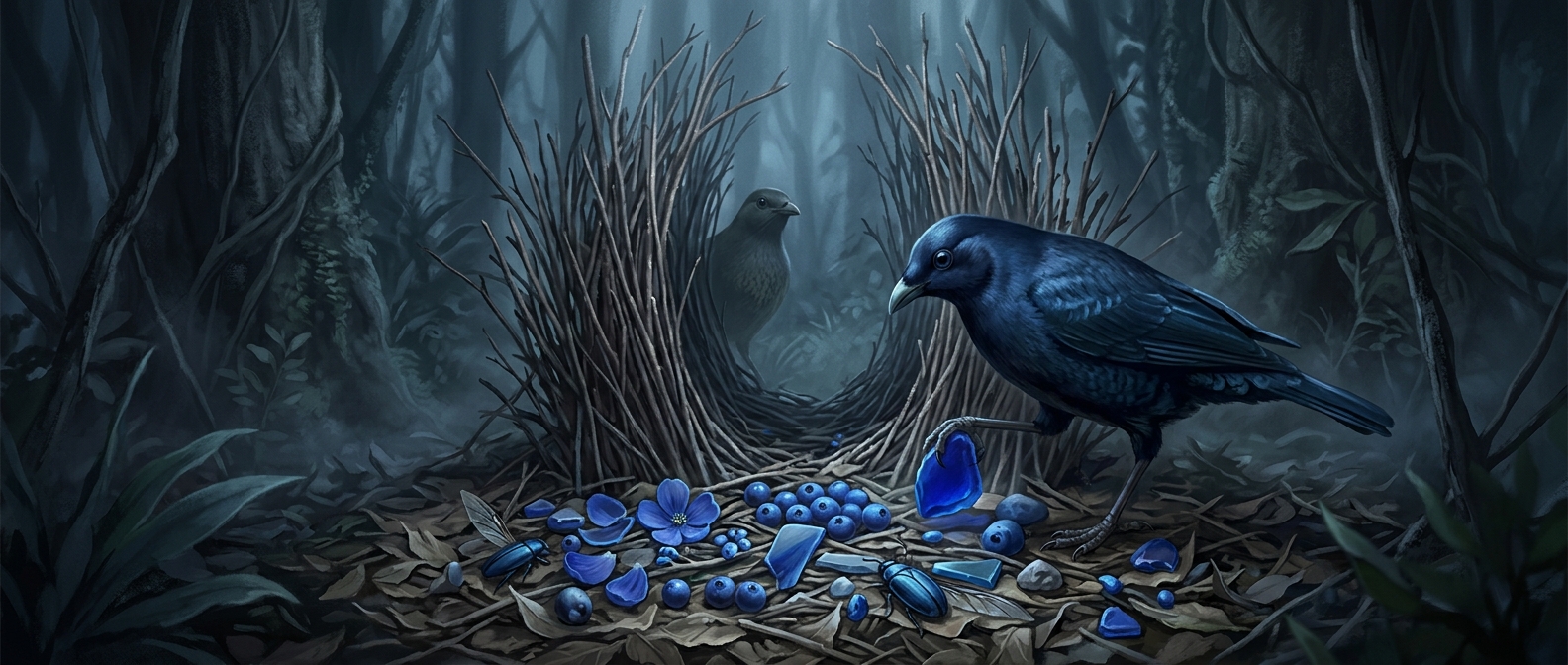
Bowerbirds decorate to impress a mate
A male bowerbird builds a display, not a nest, arranging twigs and eye-catching objects to attract a female. She inspects his handiwork and may reject it if…
Discover more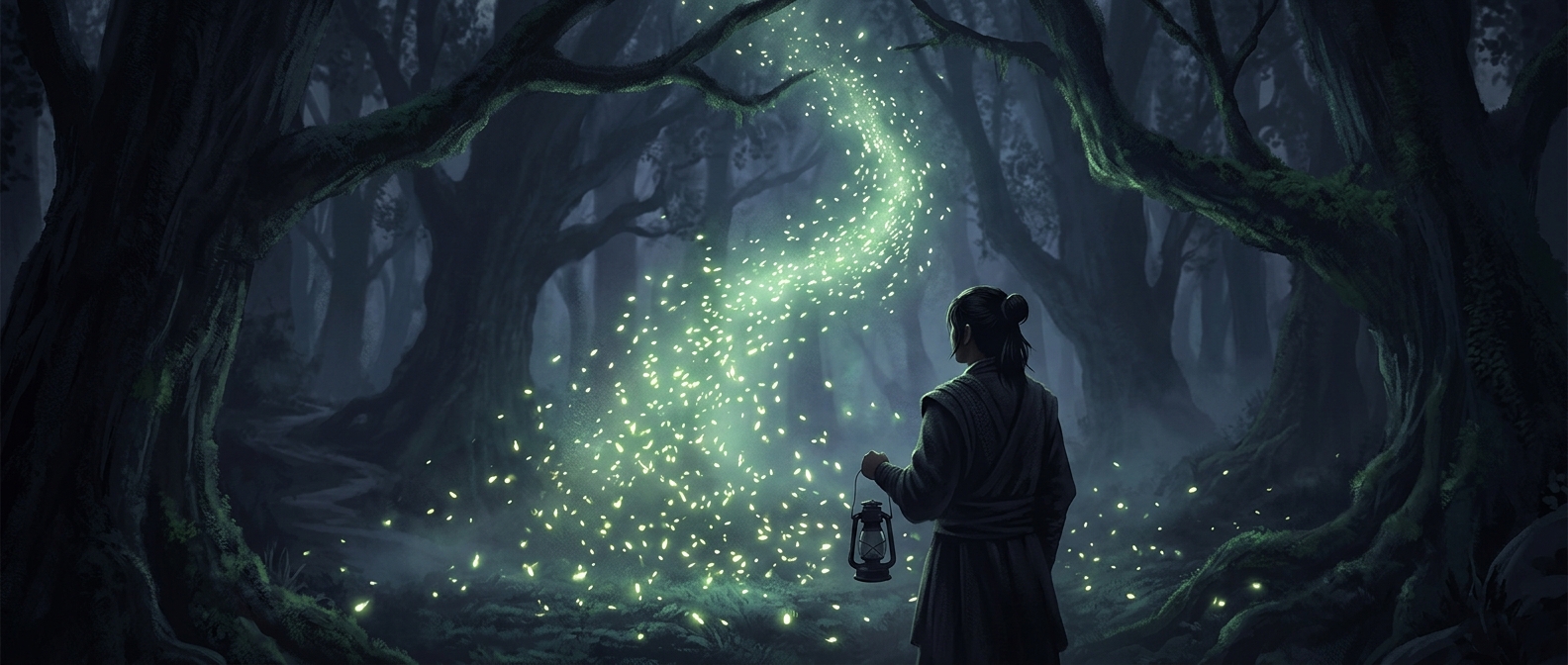
Fireflies make light without wasting energy as heat
A firefly’s flash comes from chemistry, not from heating a tiny lamp until it glows. The reaction turns most of its energy into light, with little wasted as…
Discover more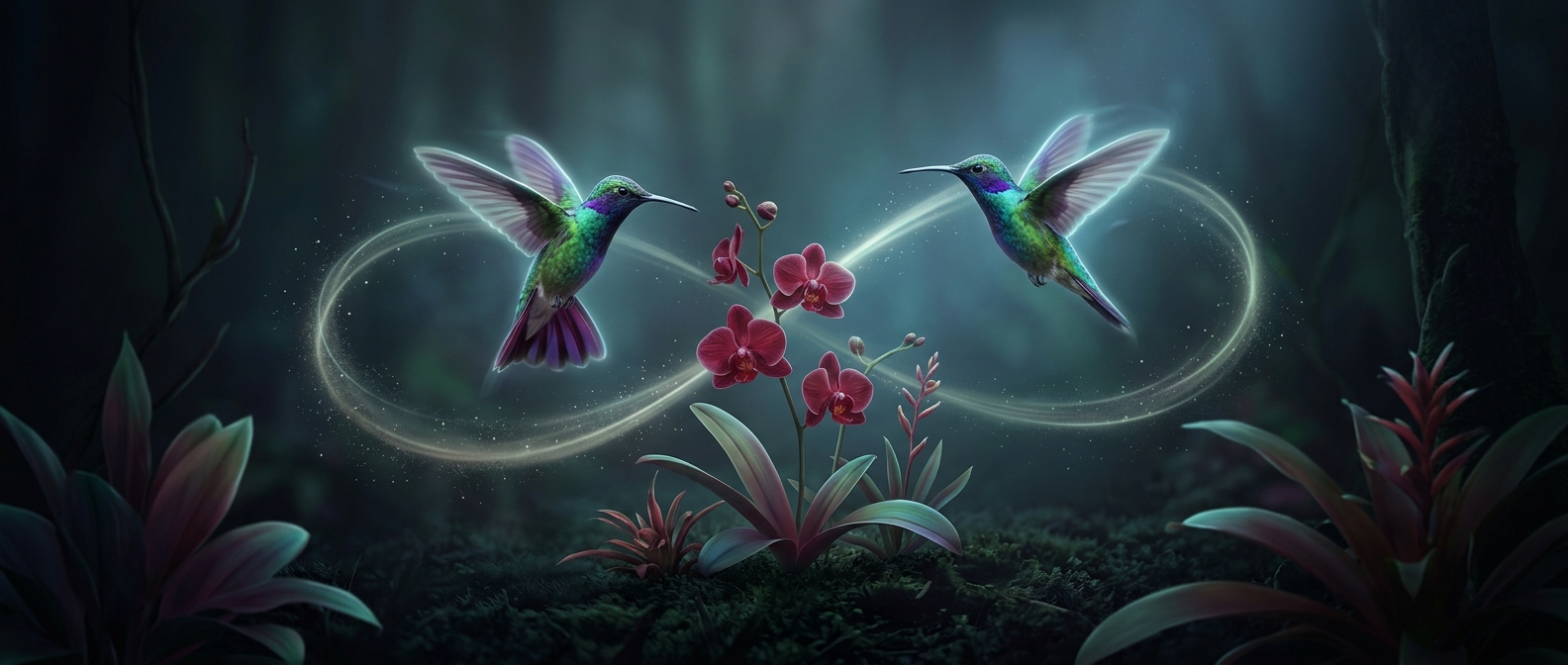
Hummingbirds can hover with figure-eight wings
On the downstroke, a hummingbird pushes air down to stay aloft. Then its wings rotate at the turn and sweep back in a figure eight, so the upstroke pushes air…
Discover more
This bird hatches with claws on its wings
Those claws help hoatzin chicks climb back to safety. If danger sends a chick from its nest into the water, it can swim away and then scramble up through the…
Discover more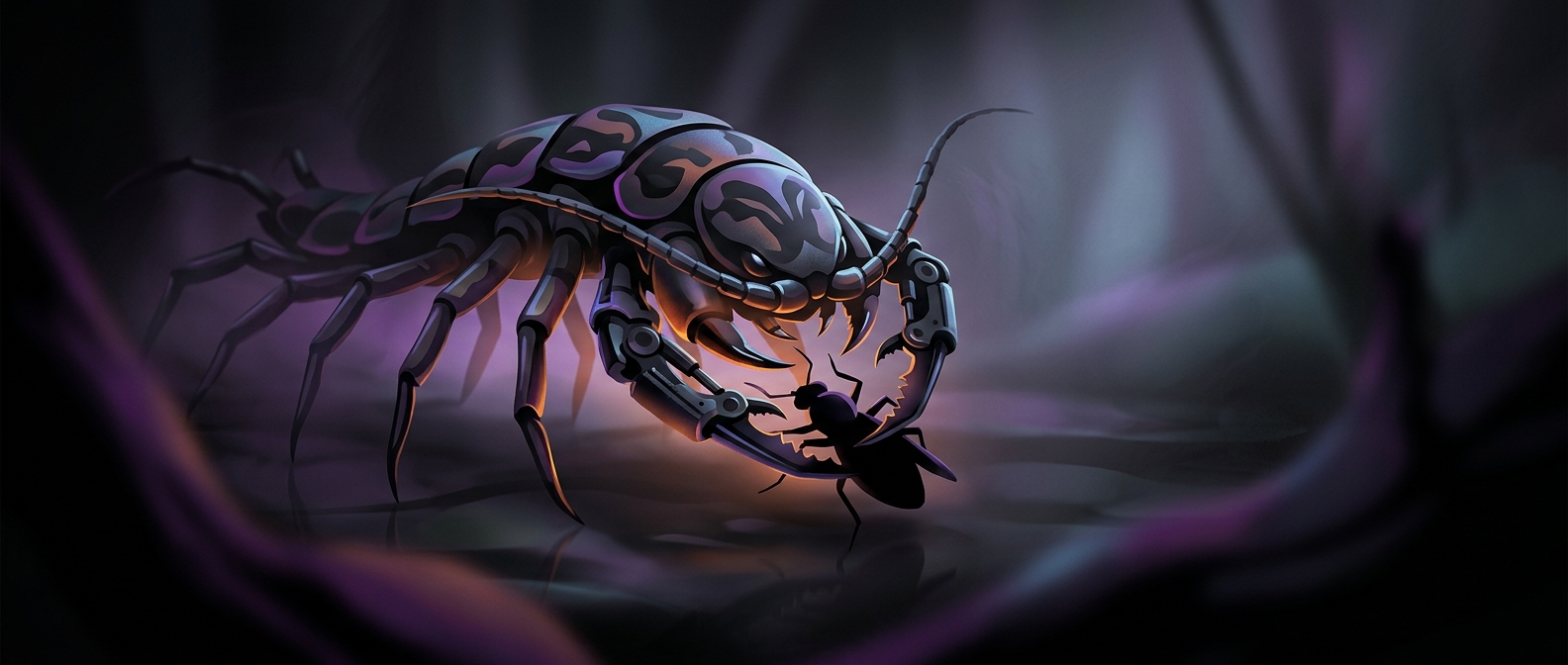
Centipedes feature heavily modified legs to capture prey
A centipede’s front legs have been remodeled into venomous pincers. They reach from beneath the head to jab and paralyze prey, while the legs farther back do…
Discover more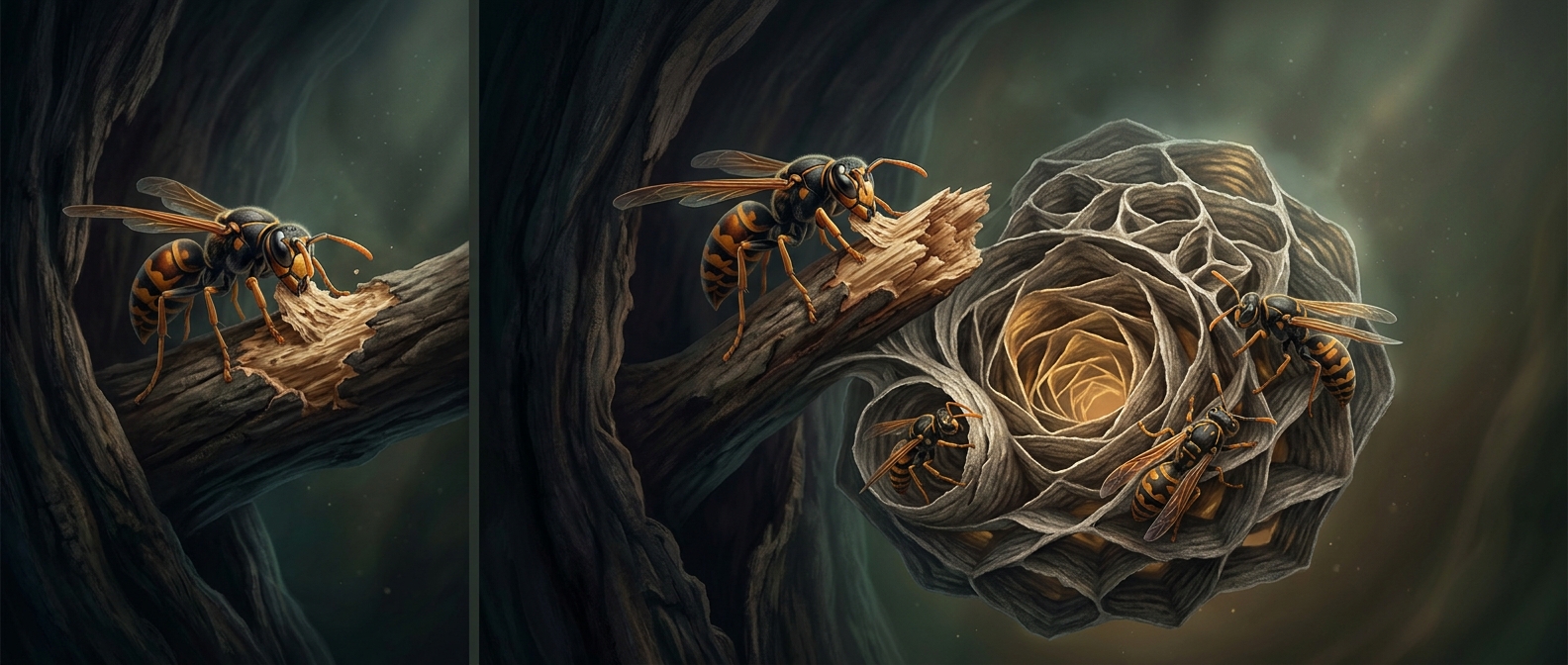
How wasps turn wood into paper nests
A wasp scrapes tiny wood fibers and mixes them with saliva, making a pulp that sticks as it dries. It lays that homemade paper in layers to build nest walls…
Discover more STACKY FOR IPHONE
A bigger world.
One discovery
at a time.
Keep discovering with Stacky. Interesting facts in an app that is always within reach.
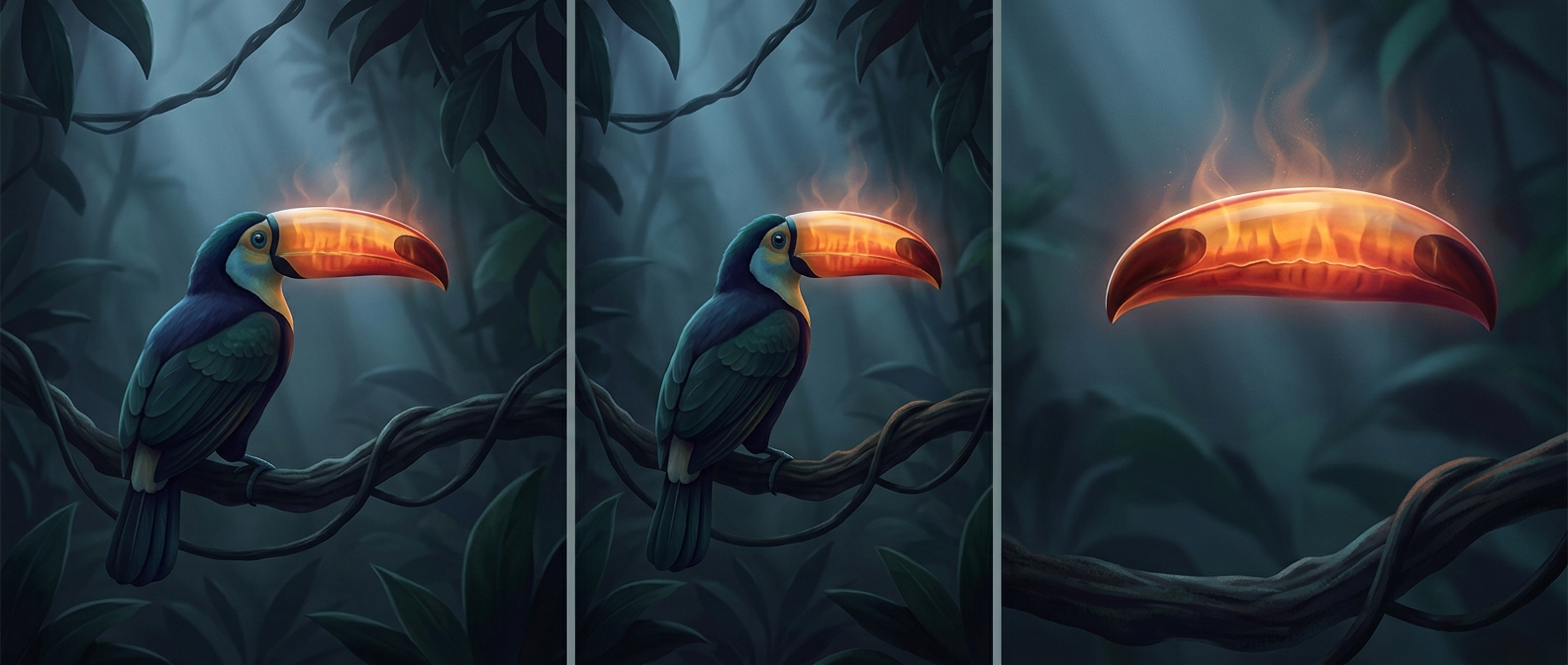
A toucan's enormous beak doubles as an air conditioner
A toucan can dump heat through its beak by sending more warm blood to it. When the bird needs to stay warm, it reduces that flow and holds on to heat instead.…
Discover more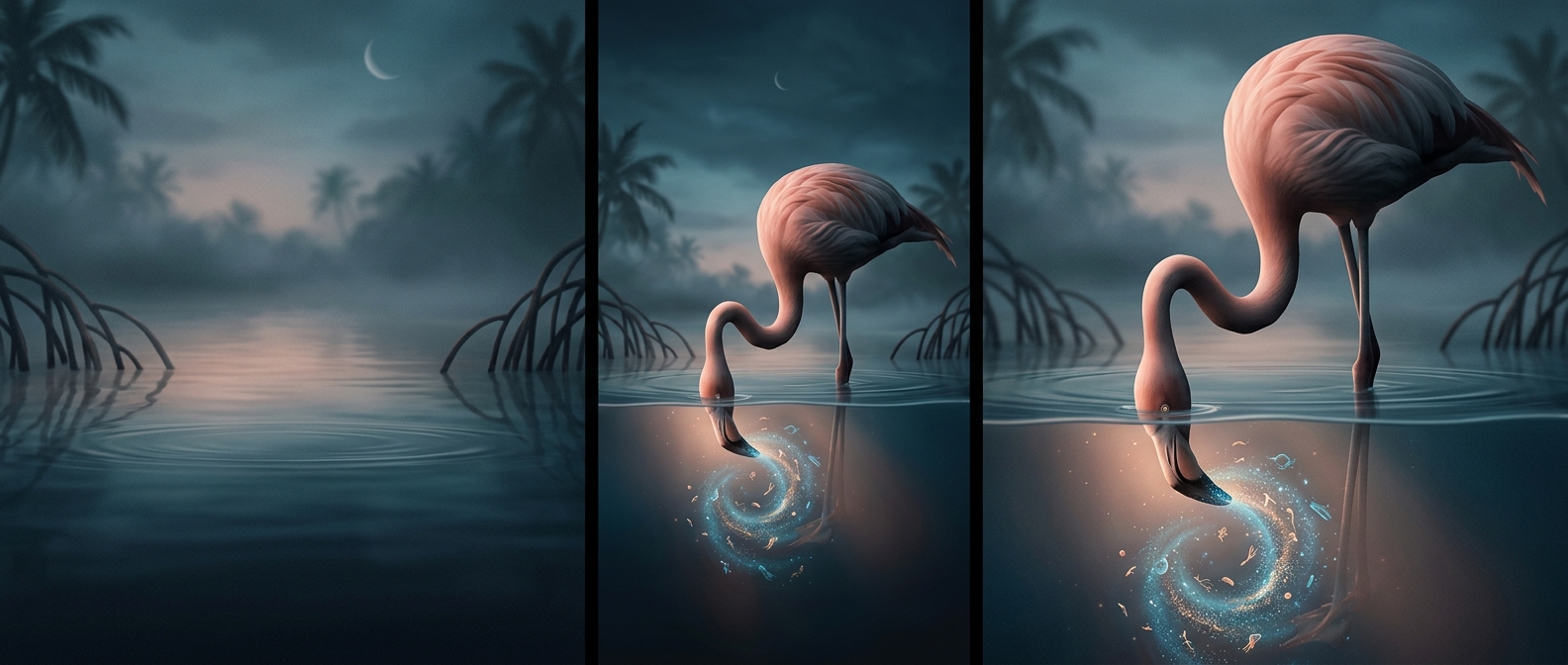
Why flamingos feed with their heads upside down
A flamingo sweeps its beak through water or mud, where small plates inside trap food particles. Its tongue pumps water through the beak; water drains away…
Discover more
Saturn has a six-sided storm at its pole
Saturn’s hexagon is made by wind: a fast jet stream circles the pole, while waves in the moving air help keep its path angular. Without those waves, the wind…
Discover more
Some common swifts stayed airborne for ten months
Tracking devices showed that these birds spent nearly their entire nonbreeding period in flight, with some individuals showing no landings. They fed while…
Discover more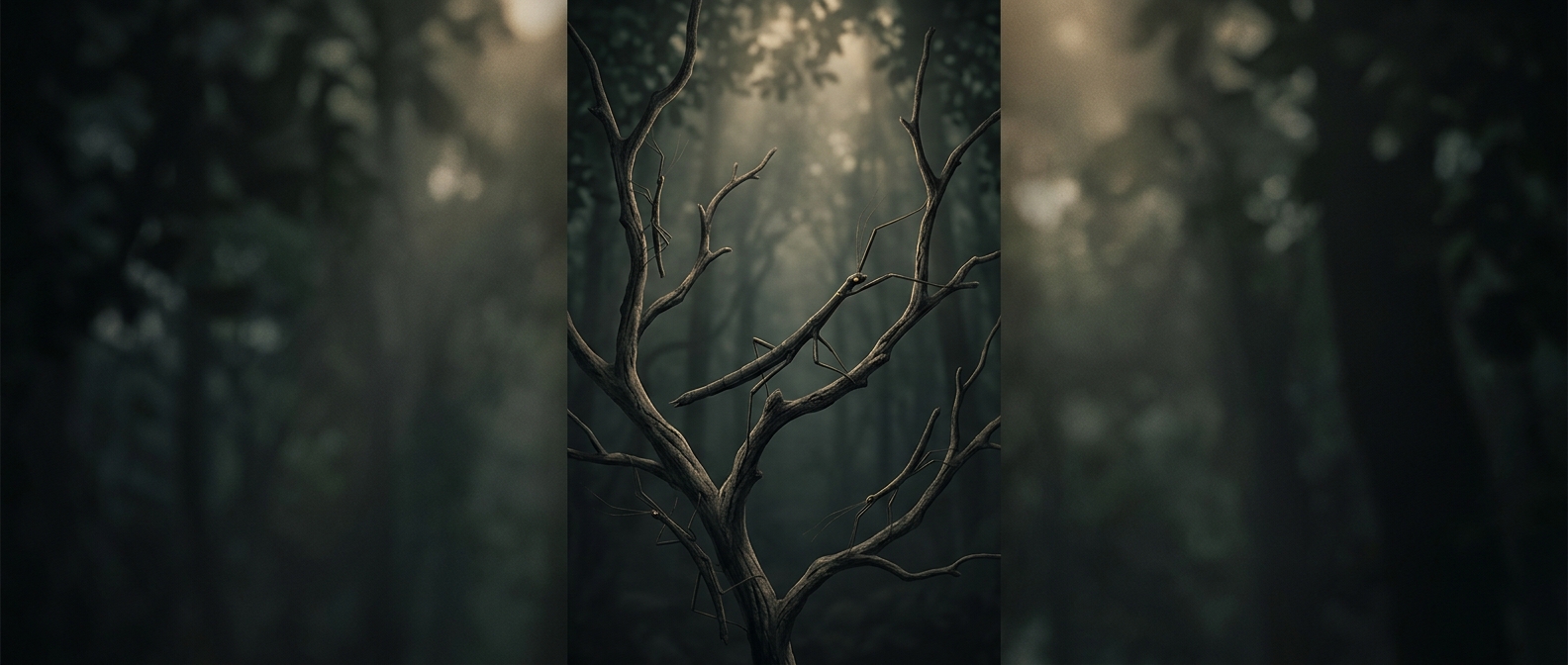
Stick insects perfectly resemble twigs to avoid detection
Stick insects fool predators by making their whole silhouette hard to pick out. Their bodies resemble twigs, their legs can look like leaves, and some species…
Discover more
Why comets have two tails
A comet’s two tails are made of different stuff, and the Sun moves each in a different way. Sunlight pushes dust into a pale, curved tail that traces the…
Discover more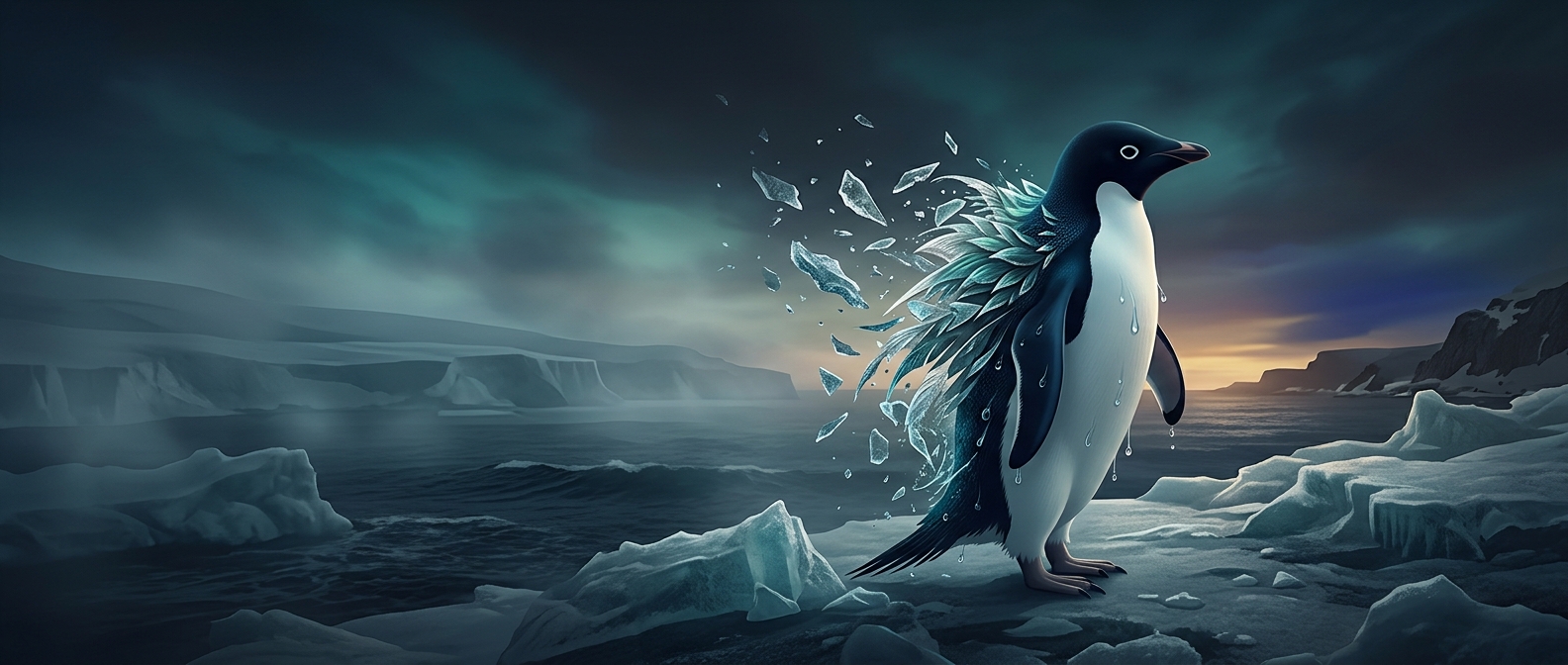
How penguins keep ice off their feathers
Penguins spread waterproofing oil over their feathers, but the oil is only part of the protection. Their overlapping feathers trap a layer of air underneath,…
Discover more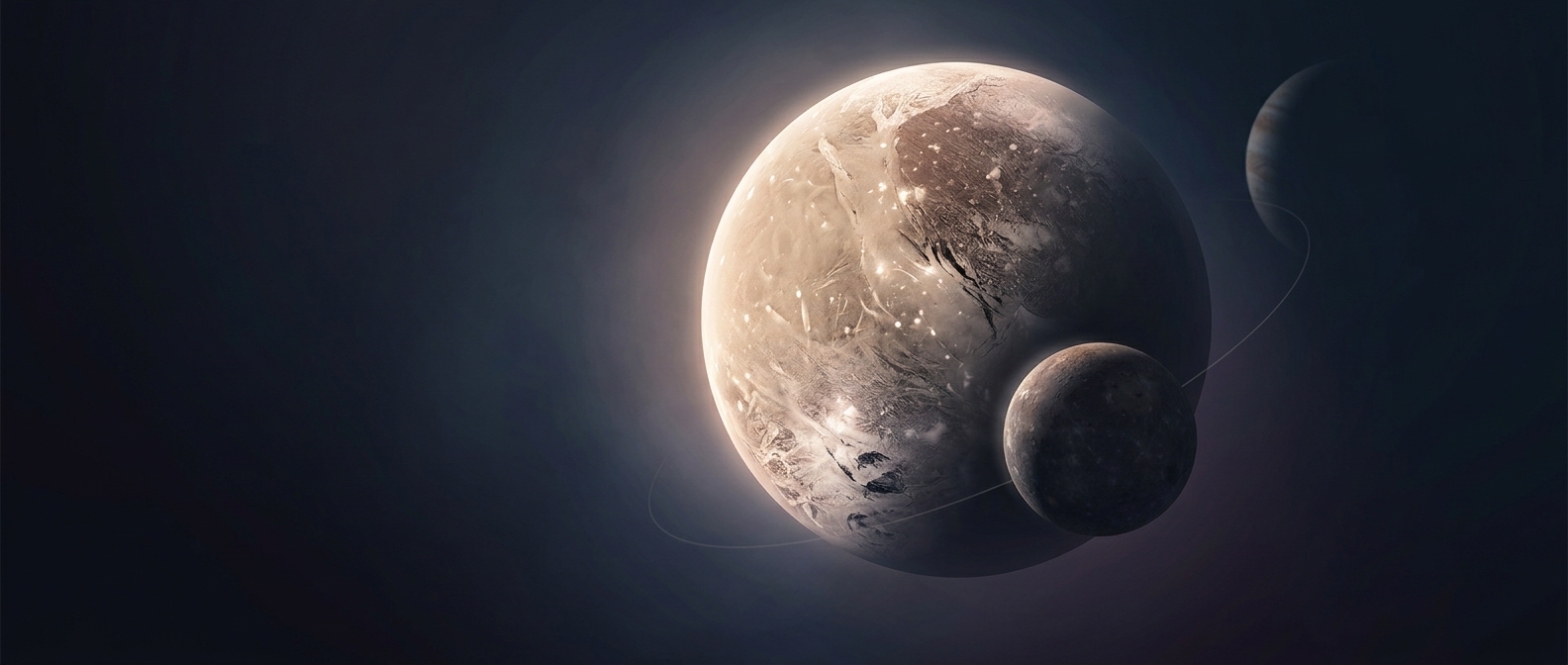
Jupiter has a moon bigger than Mercury—and it has its own auroras
Ganymede is larger across than the smallest planet, though size alone doesn't make it a planet: it orbits Jupiter. It is also the only moon known to generate…
Discover more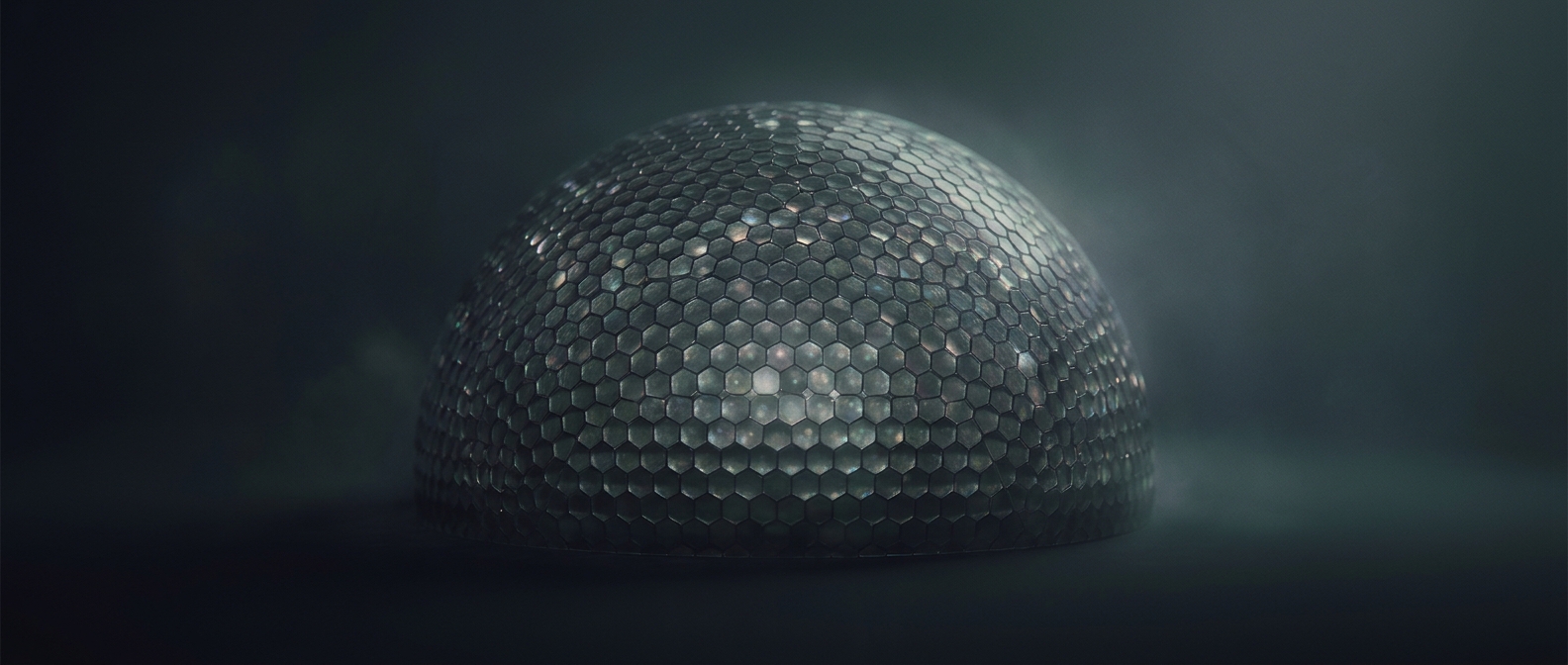
Houseflies possess compound eyes with thousands of lenses
A housefly’s thousands of tiny eye lenses give it a broad view, though not a crisp, human-style picture. Instead, the many small views make movement across…
Discover more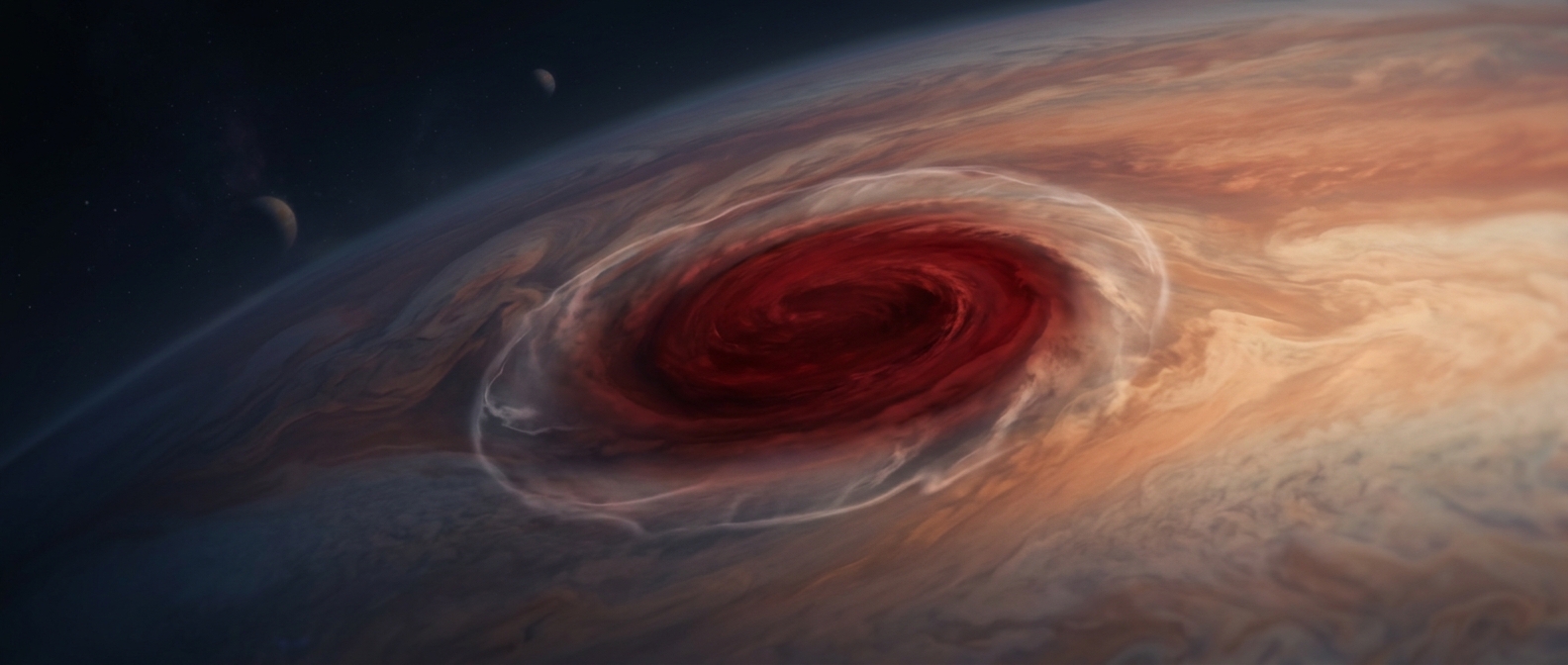
Jupiter's Great Red Spot is shrinking
Jupiter’s Great Red Spot can shrink and still be roughly Earth-sized. The storm’s changing outline doesn’t mean it is about to disappear; scientists are still…
Discover more
Why crying makes your nose run
Crying sends some of your tears down small channels from the inner corners of your eyes into your nose. The extra fluid mixes with nasal mucus, so your nose…
Discover more
Gallbladders merely store digestive bile for the liver
The liver makes bile, and the gallbladder stores it until food reaches the intestine. Bile breaks big globs of fat into smaller droplets, giving digestive…
Discover more
Rivers constantly relocate millions of tons of dirt
A fast river can carry more sediment because its moving water has more power to keep dirt swirling along. When the current slows, some of that load sinks and…
Discover more
Your bladder isn’t as sterile as you think
Routine urine tests can miss microbes that don’t grow under the lab conditions they use. So a negative result means the test didn’t detect the kinds it was…
Discover more
The birds that keep rhino wounds bleeding
Oxpeckers eat ticks from rhinos, but they may also peck at wounds and feed on blood. That can irritate an injury and slow its healing. The bird can switch…
Discover more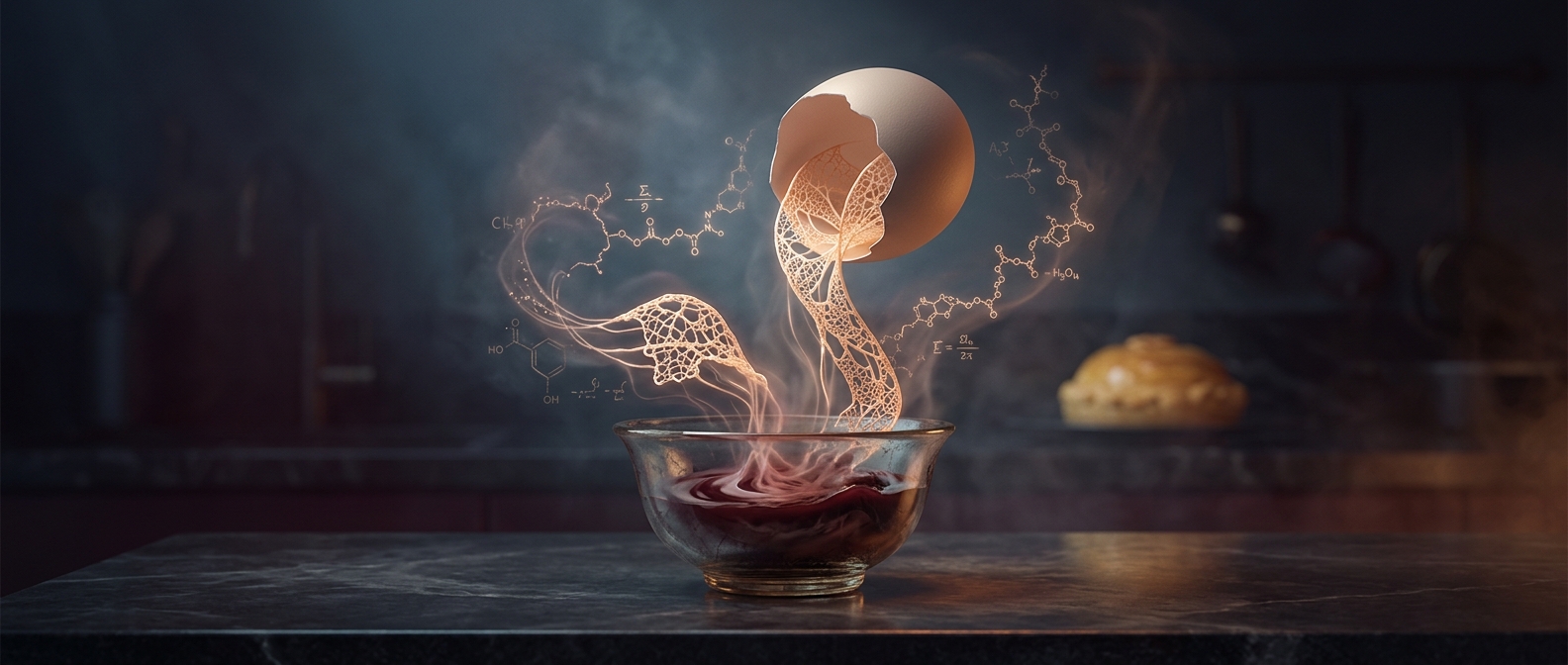
Blood proteins can do an egg's job in baking
An egg helps hold bubbles and bind a cake as heat sets its proteins. Blood contains proteins that can perform similar jobs, which is why it has been tested as…
Discover more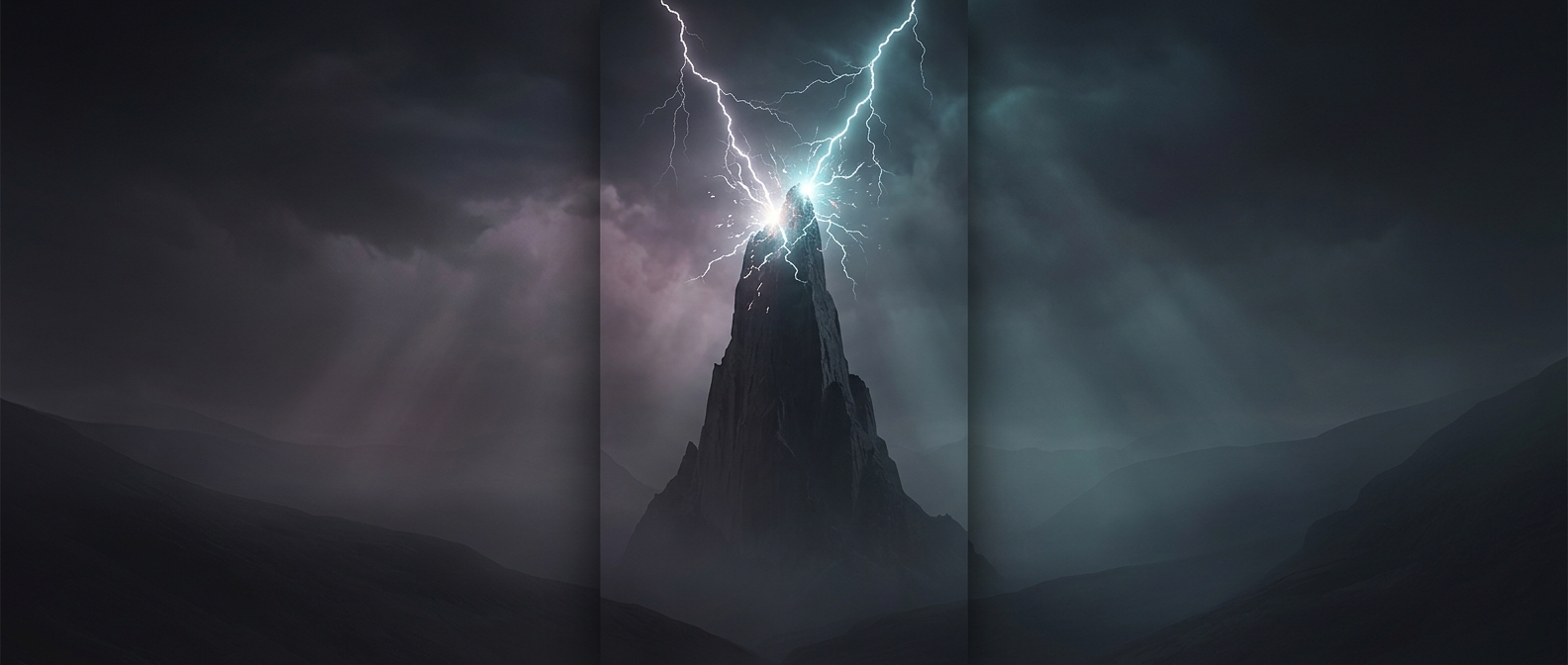
Tall mountain peaks endure massive lightning strike barrages
A high, exposed peak can give lightning a direct route between cloud and ground, making it a repeated target during a storm. If the storm stays overhead, the…
Discover more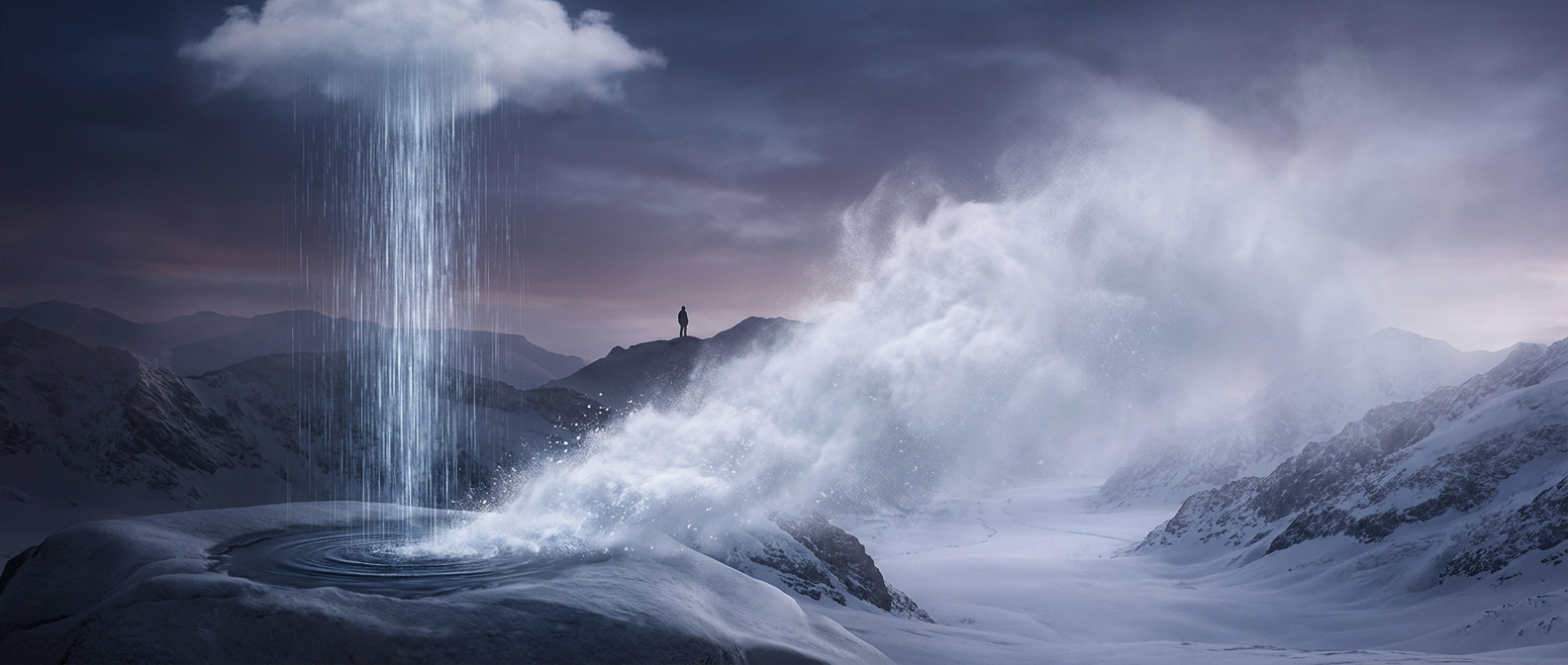
How one inch of rain becomes ten inches of snow
Snow can pile high because much of a snowflake’s volume is air. A fluffy blanket leaves gaps between flakes, so a little melted water can spread into a much…
Discover more