stackyFACTS
Science

Why comets have two tails

HERE’S THE INTERESTING PART

Why settle for one dramatic exit when you can throw a double-barreled tantrum? As these frozen debris clusters approach a star, they do not just disintegrate quietly. One tail consists entirely of physical dust particles trailing behind, while the second is composed of ionized gas manipulated directly by stellar winds. Both vividly point directly away from the star, ensuring maximum celestial visibility.
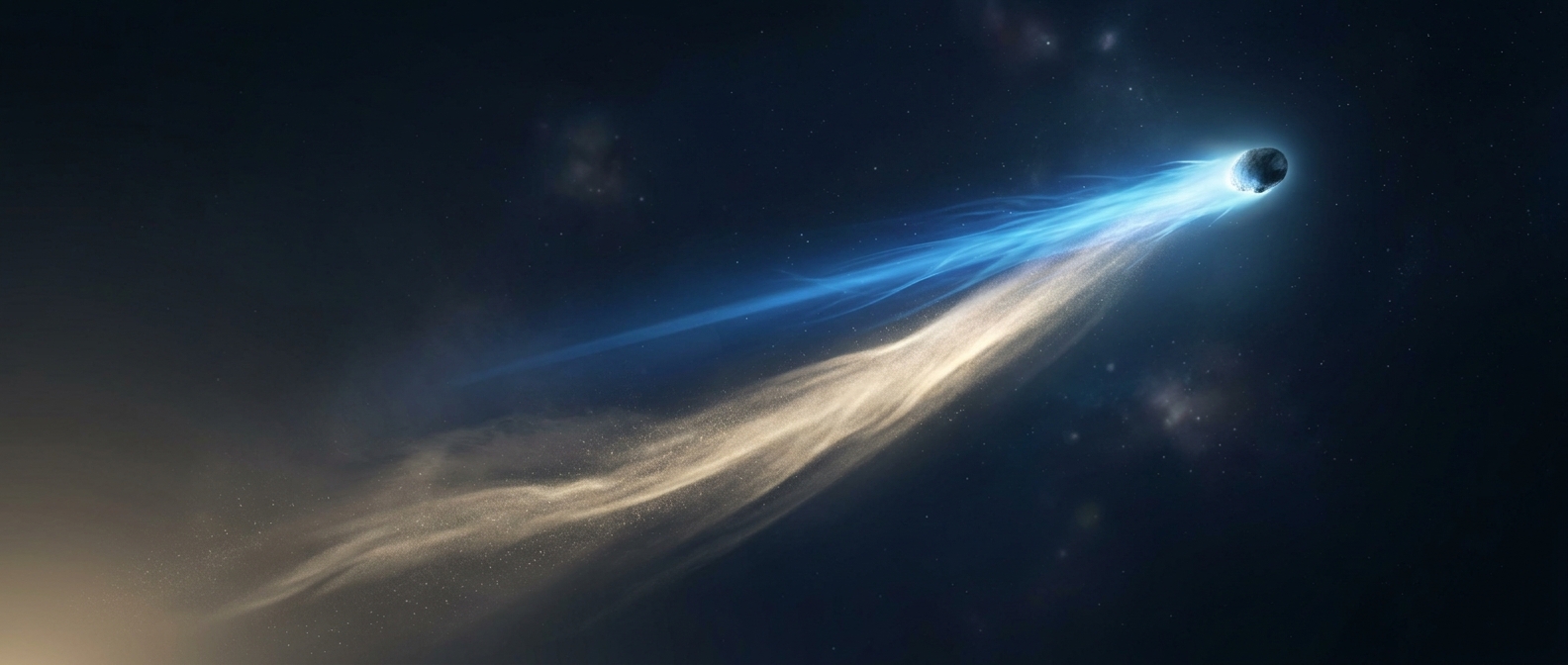
Why comets have two tails
STACKY / Science
One discovery leads to another.

Keep exploring facts in this topic.

Science →
STACKY FOR IPHONE

A bigger world.
One discovery
at a time.

Keep discovering with Stacky. Interesting facts in an app that is always within reach.

Download on the App Store
ONE MORE DISCOVERY?

Keep exploring

All in this topic →
Uranus genuinely smells like rotten eggs due to the massive concentration of hydrogen sulfide in its upper atmospheric layers.
Science

Uranus genuinely smells like rotten eggs due to the massive concentration of hydrogen sulfide in its upper atmospheric layers.

Uranus genuinely smells like rotten eggs due to the massive concentration of hydrogen sulfide in its upper atmospheric layers. Astronomers used sophisticated…

Discover more
A quasar can outshine the entire galaxy surrounding its feeding black hole
Science

A quasar can outshine the entire galaxy surrounding its feeding black hole

If you want to announce your presence to the entire observable universe, this is how you do it. These intensely luminous objects are powered by massive…

Discover more
Could a moon have its own moon
Science

Could a moon have its own moon

Nature loves a good matryoshka doll, and celestial bodies are no exception. Astronomers have calculated that large enough moons can theoretically host their…

Discover more
Earth's quasi-moon won't leave its neighborhood
Science

Earth's quasi-moon won't leave its neighborhood

Our planet is the lonely protagonist of the solar system, but it turns out we have a slightly creepy stalker. Kamoʻoalewa is an asteroid roughly the size of a…

Discover more
The dwarf planet hiding in the asteroid belt
Science

The dwarf planet hiding in the asteroid belt

While everyone was looking past Mars for the next big planet, they missed the absolute unit lurking right in the middle of the asteroid belt. Ceres accounts…

Discover more
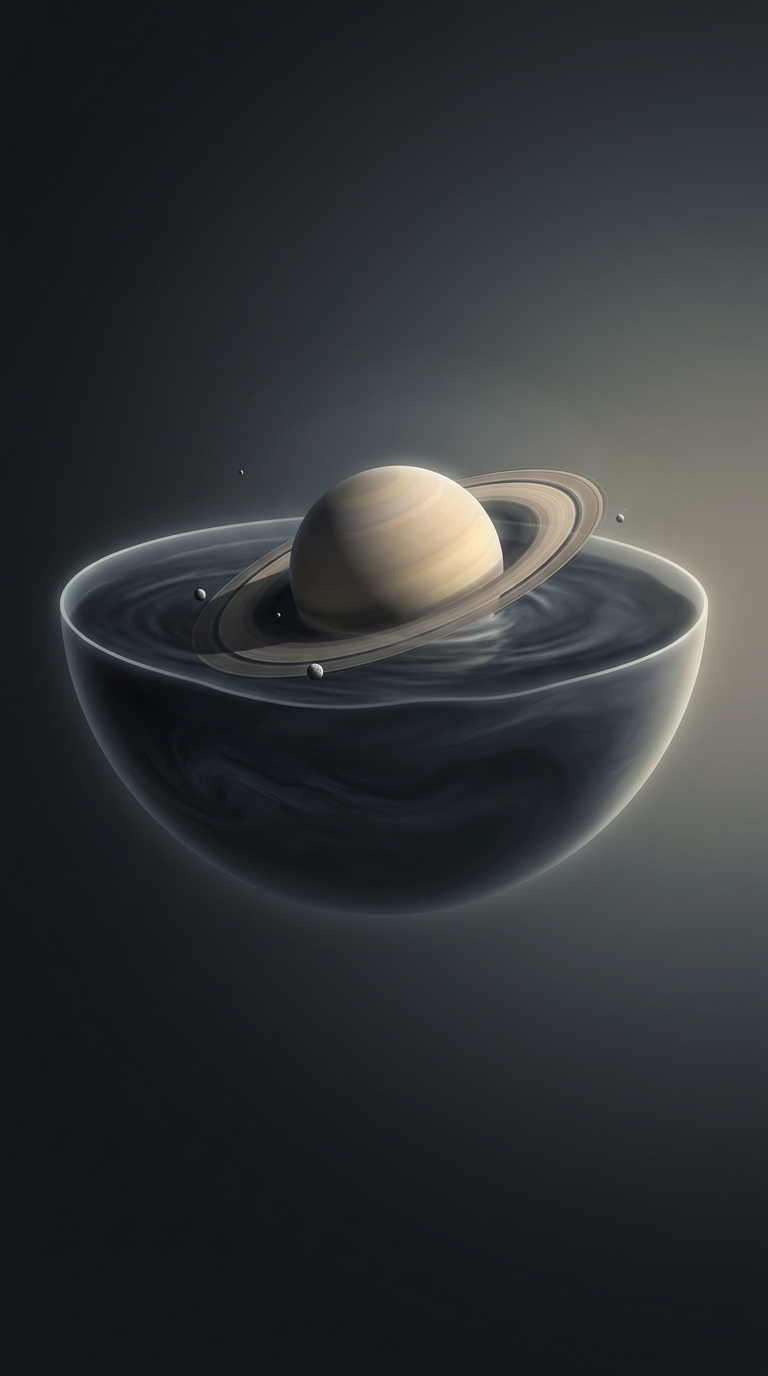
Saturn is so remarkably un-dense that if you could find a bathtub large enough to hold it, the entire gas giant would actually float on top of the water.
Science

Saturn is so remarkably un-dense that if you could find a bathtub large enough to hold it, the entire gas giant would actually float on top of the water.

Saturn is so remarkably un-dense that if you could find a bathtub large enough to hold it, the entire gas giant would actually float on top of the water.…

Discover more
StackyMore discoveries in the app
Download on the App Store